
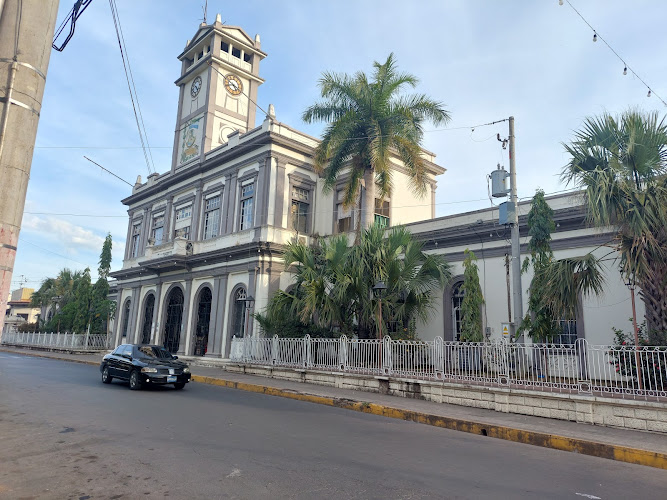
Usulutan
About Usulutan
Description
Usulután sits in the south-east of El Salvador and quietly does its own thing, which is honestly part of the charm. As the fifth largest city in the country and the capital of Usulután Department, it carries a certain weight without showing off. With a population hovering around 70,000 people, it feels lived-in rather than built for visitors, and that’s exactly why many travelers end up liking it more than they expected.
The city has a reputation for being practical and real. It’s a place where markets matter, buses run constantly (sometimes a little too constantly), and conversations happen loudly and with hands. Usulután isn’t polished, and it doesn’t pretend to be. Streets can feel hectic at midday and almost sleepy by evening, and that rhythm tells you a lot about local life. Agriculture drives much of the economy, and you’ll notice that right away in the smells, the trucks, and the produce stalls overflowing with fruit you might not recognize.
Travelers who come through often use Usulután as a base for exploring the surrounding areas, but staying a bit longer rewards you. There’s a cultural confidence here, shaped by history, resilience, and a strong sense of community. The city has weathered earthquakes, economic shifts, and migration patterns that changed family structures. And yet, daily life rolls on. There’s something grounding about that, especially if you’re coming from somewhere fast and digital and always rushing.
Usulután also acts as a gateway. To the south, coastal routes lead toward beaches and mangroves. Inland, the landscape shifts into greener hills and agricultural zones. The city itself is not postcard-perfect, but it’s honest. And that honesty tends to stick with visitors long after they leave.
Key Features
What sets Usulután apart isn’t one big attraction but a mix of everyday details that add up. Here are some highlights worth paying attention to while you’re there:
- Busy local markets that double as social hubs, especially in the mornings
- Colonial-era churches that reflect the city’s long-standing religious traditions
- Proximity to coastal areas without the crowds you’ll find elsewhere
- Street food stalls serving regional specialties that don’t get exported
- A transportation hub feel, with buses connecting to smaller towns and villages
- Public plazas where evenings turn into impromptu social gatherings
- A strong sense of local identity, especially noticeable during festivals
One thing many visitors don’t expect is how approachable people are. Conversations happen easily, even if your Spanish is rough around the edges. The author of this piece once watched a traveler try to order food using hand gestures and three words of Spanish, and within minutes half the stall was helping out. That kind of scene happens more than you’d think.
Best Time to Visit
Timing matters in Usulután, mostly because of weather and local rhythms. The dry season, typically from November to April, is the easiest time to explore. Days are warm, sometimes hot, but manageable, and getting around is simpler when rain isn’t flooding streets or slowing down buses.
The rainy season brings heavier downpours, usually in the afternoons. And yes, it can be inconvenient. But it also cools things down and turns the surrounding countryside lush and green. If you don’t mind planning your outings earlier in the day, this season has its perks. Fewer travelers pass through, and prices for accommodations can be a bit friendlier.
Local festivals are another factor to consider. Religious celebrations and civic events can bring energy, parades, and street food stands. They can also mean road closures and packed plazas. Some travelers love that chaos, others not so much. If you’re the type who enjoys seeing a city at full volume, plan around those dates. If not, avoid them. Simple.
And just a heads up, temperatures don’t swing wildly here. It’s consistently warm. Pack light clothing, but don’t forget rain protection if you’re visiting outside the dry months. You’ll thank yourself later.
How to Get There
Getting to Usulután is straightforward, though it might feel a bit overwhelming if you’re not used to Central American transport systems. From the capital, buses run frequently and are the most common option. They’re affordable, fairly reliable, and give you a front-row seat to everyday life. Expect a few stops, loud music, and drivers who know the road better than any map app.
If you’re driving, the main highways connecting to Usulután are in decent shape, though traffic can slow things down near urban areas. Road signage isn’t always perfect, but locals are quick to help if you ask. And they will ask where you’re from, that’s just how it goes.
For travelers coming from coastal towns or nearby departments, regional buses and shared vans make the trip easy. It’s not glamorous transportation, but it works. And sometimes the conversations you overhear on these rides end up being the most memorable part of the journey.
Once you arrive, getting around the city itself is manageable on foot in central areas. Taxis and local buses fill in the gaps. Just be patient. Things move at their own pace here.
Tips for Visiting
Usulután rewards travelers who come prepared and open-minded. Here are some practical tips that make a real difference:
Learn a bit of Spanish. Even basic phrases go a long way. English isn’t widely spoken, but people are patient if you try. And they notice the effort.
Dress casually and comfortably. This isn’t a fashion-forward city. Practical clothing helps you blend in and stay comfortable in the heat.
Carry small bills. Markets, buses, and street vendors often can’t break large notes. This saves time and awkward moments.
Ask locals for food recommendations. Skip guessing. People know where the good stuff is, and they’re usually proud to share.
Be flexible with schedules. Things don’t always run on the dot. And honestly, that’s part of the lesson Usulután teaches you.
Stay aware but not paranoid. Like any city, it has areas that are better explored during the day. Use common sense, and you’ll be fine.
The author has heard travelers say they didn’t expect to like Usulután as much as they did. That’s a common theme. It’s not flashy, it doesn’t market itself, and it won’t hold your hand. But if you pay attention, slow down a bit, and let the city show you how it works, it grows on you. And sometimes, those are the places that stay with you the longest.
Usulután may not scream for attention, but it speaks clearly once you’re listening. For travelers interested in real-life El Salvador, beyond headlines and highlight reels, this city offers a grounded, human experience that feels earned rather than staged.
Key Features
- Busy local markets that double as social hubs, especially in the mornings
- Colonial-era churches that reflect the city’s long-standing religious traditions
- Proximity to coastal areas without the crowds you’ll find elsewhere
- Street food stalls serving regional specialties that don’t get exported
- A transportation hub feel, with buses connecting to smaller towns and villages
- Public plazas where evenings turn into impromptu social gatherings
- A strong sense of local identity, especially noticeable during festivals
More Details
Updated December 31, 2025
Table of Contents
Description
Usulután sits in the south-east of El Salvador and quietly does its own thing, which is honestly part of the charm. As the fifth largest city in the country and the capital of Usulután Department, it carries a certain weight without showing off. With a population hovering around 70,000 people, it feels lived-in rather than built for visitors, and that’s exactly why many travelers end up liking it more than they expected.
The city has a reputation for being practical and real. It’s a place where markets matter, buses run constantly (sometimes a little too constantly), and conversations happen loudly and with hands. Usulután isn’t polished, and it doesn’t pretend to be. Streets can feel hectic at midday and almost sleepy by evening, and that rhythm tells you a lot about local life. Agriculture drives much of the economy, and you’ll notice that right away in the smells, the trucks, and the produce stalls overflowing with fruit you might not recognize.
Travelers who come through often use Usulután as a base for exploring the surrounding areas, but staying a bit longer rewards you. There’s a cultural confidence here, shaped by history, resilience, and a strong sense of community. The city has weathered earthquakes, economic shifts, and migration patterns that changed family structures. And yet, daily life rolls on. There’s something grounding about that, especially if you’re coming from somewhere fast and digital and always rushing.
Usulután also acts as a gateway. To the south, coastal routes lead toward beaches and mangroves. Inland, the landscape shifts into greener hills and agricultural zones. The city itself is not postcard-perfect, but it’s honest. And that honesty tends to stick with visitors long after they leave.
Key Features
What sets Usulután apart isn’t one big attraction but a mix of everyday details that add up. Here are some highlights worth paying attention to while you’re there:
- Busy local markets that double as social hubs, especially in the mornings
- Colonial-era churches that reflect the city’s long-standing religious traditions
- Proximity to coastal areas without the crowds you’ll find elsewhere
- Street food stalls serving regional specialties that don’t get exported
- A transportation hub feel, with buses connecting to smaller towns and villages
- Public plazas where evenings turn into impromptu social gatherings
- A strong sense of local identity, especially noticeable during festivals
One thing many visitors don’t expect is how approachable people are. Conversations happen easily, even if your Spanish is rough around the edges. The author of this piece once watched a traveler try to order food using hand gestures and three words of Spanish, and within minutes half the stall was helping out. That kind of scene happens more than you’d think.
Best Time to Visit
Timing matters in Usulután, mostly because of weather and local rhythms. The dry season, typically from November to April, is the easiest time to explore. Days are warm, sometimes hot, but manageable, and getting around is simpler when rain isn’t flooding streets or slowing down buses.
The rainy season brings heavier downpours, usually in the afternoons. And yes, it can be inconvenient. But it also cools things down and turns the surrounding countryside lush and green. If you don’t mind planning your outings earlier in the day, this season has its perks. Fewer travelers pass through, and prices for accommodations can be a bit friendlier.
Local festivals are another factor to consider. Religious celebrations and civic events can bring energy, parades, and street food stands. They can also mean road closures and packed plazas. Some travelers love that chaos, others not so much. If you’re the type who enjoys seeing a city at full volume, plan around those dates. If not, avoid them. Simple.
And just a heads up, temperatures don’t swing wildly here. It’s consistently warm. Pack light clothing, but don’t forget rain protection if you’re visiting outside the dry months. You’ll thank yourself later.
How to Get There
Getting to Usulután is straightforward, though it might feel a bit overwhelming if you’re not used to Central American transport systems. From the capital, buses run frequently and are the most common option. They’re affordable, fairly reliable, and give you a front-row seat to everyday life. Expect a few stops, loud music, and drivers who know the road better than any map app.
If you’re driving, the main highways connecting to Usulután are in decent shape, though traffic can slow things down near urban areas. Road signage isn’t always perfect, but locals are quick to help if you ask. And they will ask where you’re from, that’s just how it goes.
For travelers coming from coastal towns or nearby departments, regional buses and shared vans make the trip easy. It’s not glamorous transportation, but it works. And sometimes the conversations you overhear on these rides end up being the most memorable part of the journey.
Once you arrive, getting around the city itself is manageable on foot in central areas. Taxis and local buses fill in the gaps. Just be patient. Things move at their own pace here.
Tips for Visiting
Usulután rewards travelers who come prepared and open-minded. Here are some practical tips that make a real difference:
Learn a bit of Spanish. Even basic phrases go a long way. English isn’t widely spoken, but people are patient if you try. And they notice the effort.
Dress casually and comfortably. This isn’t a fashion-forward city. Practical clothing helps you blend in and stay comfortable in the heat.
Carry small bills. Markets, buses, and street vendors often can’t break large notes. This saves time and awkward moments.
Ask locals for food recommendations. Skip guessing. People know where the good stuff is, and they’re usually proud to share.
Be flexible with schedules. Things don’t always run on the dot. And honestly, that’s part of the lesson Usulután teaches you.
Stay aware but not paranoid. Like any city, it has areas that are better explored during the day. Use common sense, and you’ll be fine.
The author has heard travelers say they didn’t expect to like Usulután as much as they did. That’s a common theme. It’s not flashy, it doesn’t market itself, and it won’t hold your hand. But if you pay attention, slow down a bit, and let the city show you how it works, it grows on you. And sometimes, those are the places that stay with you the longest.
Usulután may not scream for attention, but it speaks clearly once you’re listening. For travelers interested in real-life El Salvador, beyond headlines and highlight reels, this city offers a grounded, human experience that feels earned rather than staged.
Key Highlights
- Busy local markets that double as social hubs, especially in the mornings
- Colonial-era churches that reflect the city’s long-standing religious traditions
- Proximity to coastal areas without the crowds you’ll find elsewhere
- Street food stalls serving regional specialties that don’t get exported
- A transportation hub feel, with buses connecting to smaller towns and villages
- Public plazas where evenings turn into impromptu social gatherings
- A strong sense of local identity, especially noticeable during festivals
Location
Places to Stay Near Usulutan
Find and Book a Tour
Explore More Travel Guides
No reviews found! Be the first to review!
Traveler Reviews for Usulutan
There are no reviews yet. Be the first one to write one.
Have you visited Usulutan? Help other travelers by sharing your review.
You Might Also Like

Redondel Calle Antigua a Santa Elena
Central Park of Usulután "Raúl Francisco Munguía"
CA-2 114
Find Accommodations Nearby
Recommended Tours & Activities
Visitor Reviews
There are no reviews yet. Be the first one to write one.
Share Your Experience
Have you visited Usulutan? Help other travelers by leaving a review.