
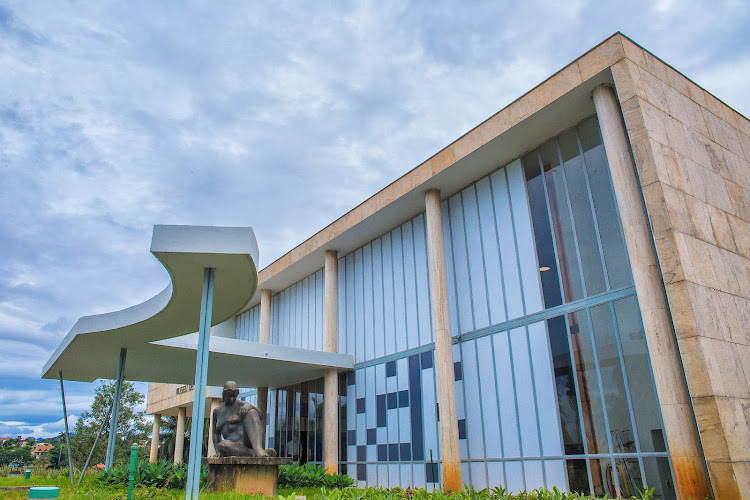
Pampulha Museum of Art (MAP)
About Pampulha Museum of Art (MAP)
Description
The Pampulha Museum of Art, usually called MAP, is one of those places that quietly gets under your skin. It doesn’t shout at you the moment you arrive. Instead, it waits. The building itself, designed by Oscar Niemeyer, was once a casino in the 1940s, and you can still feel that past humming in the curves, the wide glass panels, and the sense of openness that almost dares you to slow down. And you should. This is not a rush-through museum, even if you’re on a tight travel schedule and telling yourself otherwise.
MAP focuses on Brazilian art, with an emphasis on modern and contemporary works. Expect paintings, sculptures, installations, and exhibitions that change often enough to keep things interesting, even for locals. I remember visiting once when I thought I’d be in and out in under an hour. Two hours later, I was still wandering, slightly hungry, a little overwhelmed, and very glad I hadn’t made dinner plans too early.
The setting plays a huge role in the experience. The museum sits by the Pampulha Lagoon, and yes, people say that all the time because it matters. Light pours into the galleries, and sometimes you catch reflections from the water outside dancing on the walls. It’s subtle, but it sticks with you. And if you’re into architecture, this place alone is a reason to visit Belo Horizonte. Niemeyer’s signature curves are here in full force, unapologetic and elegant, like he was sketching with confidence and zero fear of criticism.
That said, MAP isn’t perfect, and honestly, that’s part of its charm. Some exhibitions are mind-blowing; others might leave you scratching your head. I’ve overheard visitors muttering things like, “I don’t get it,” and you know what? That’s okay. Art isn’t supposed to land the same way for everyone. The museum feels lived-in, not polished to a fault, and that makes it feel human.
For travelers, MAP offers more than just art on walls. It’s a snapshot of Brazilian cultural identity, filtered through decades of experimentation, social change, and creative risk. If you want to understand Brazil beyond beaches and postcards, this museum quietly helps you do that.
Key Features
- Oscar Niemeyer’s modernist architecture with sweeping curves and open spaces that feel almost cinematic
- Rotating exhibitions of Brazilian art, so no two visits are quite the same
- Gardens and outdoor areas that blur the line between museum and public space
- Natural light-filled galleries that change mood throughout the day
- Family-friendly atmosphere that doesn’t feel dumbed down for kids
- Free or low-cost entry on certain days, which locals quietly take advantage of
- Wi‑Fi access for those inevitable “wait, let me look that up” art moments
Best Time to Visit
The best time to visit the Pampulha Museum of Art depends on what kind of experience you want. If you’re after calm galleries and time to really think (or overthink) what you’re seeing, weekday mornings are gold. There’s a peacefulness then, broken only by the occasional school group whispering a little too loudly.
Afternoons bring more people, especially on weekends. Families, couples, architecture students sketching furiously in notebooks. It’s lively, but not chaotic. Personally, I like late afternoon visits. The light shifts, the building feels warmer somehow, and stepping outside afterward as the sun starts dropping over the lagoon is pretty special. Not Instagram-perfect in a fake way, but genuinely nice.
Season-wise, Belo Horizonte stays fairly consistent, but the dry months tend to make walking around the Pampulha area more pleasant. Rainy days aren’t a deal-breaker though. In fact, I once visited during a light drizzle, and the reflections on the glass made the building look like it was floating. Unexpected win.
If you can, check what exhibition is on before you go. MAP often hosts temporary shows that can be the highlight of your trip or, occasionally, not your thing at all. Timing your visit with a major exhibition can make a big difference.
How to Get There
Getting to the Pampulha Museum of Art is fairly straightforward, but it does require a bit of planning if you’re not familiar with Belo Horizonte. The museum is part of the larger Pampulha complex, which includes several iconic buildings, so you’re rarely heading there “just” for MAP. Think of it as a cultural cluster.
Many travelers opt for ride-hailing apps or taxis, especially if time is tight. It’s convenient, and you won’t have to navigate bus routes in a new city while sweating slightly and pretending you’re not lost. Public transportation does reach the area, but it may involve transfers, and honestly, it can feel like a mini adventure on its own.
If you’re already exploring Pampulha, walking between attractions is doable and actually enjoyable. The distances aren’t bad, and you get a better sense of the area’s layout and rhythm. Just wear comfortable shoes. I learned that lesson the hard way, stubbornly wearing “stylish” sneakers that betrayed me halfway through the day.
Driving is another option, though parking availability can be hit or miss. Accessibility-wise, the entrance is wheelchair accessible, which is great, but some facilities are more limited, so planning ahead is wise if that matters for your visit.
Tips for Visiting
First tip: give yourself more time than you think you need. MAP looks manageable from the outside, but between the exhibitions, the architecture, and the outdoor areas, it adds up. Rushing through feels like watching a movie on fast-forward. You’ll miss the good parts.
Second, don’t skip the gardens and exterior spaces. I’ve seen people walk straight past them, laser-focused on getting inside. Big mistake. The relationship between the building and its surroundings is a core part of the experience. Sit for a bit. People-watch. Let your brain breathe.
Third, if you’re visiting with kids, don’t worry too much. MAP is surprisingly approachable for younger visitors. The open spaces and visual variety help. Just manage expectations. Not every exhibit will hold their attention, and that’s fine. I’ve seen kids latch onto one sculpture and ignore everything else, and honestly, that’s kind of beautiful.
Fourth, manage your expectations around amenities. There’s Wi‑Fi and restrooms, but no restaurant on-site. Eat beforehand or plan to grab food nearby afterward. Trust me, art contemplation on an empty stomach is overrated.
Fifth, be patient with the art. Some pieces will click instantly. Others won’t. I’ve had moments where an artwork meant nothing to me at first, then popped into my head days later while I was doing something completely unrelated. That’s MAP for you. It lingers.
Lastly, remember that this museum isn’t about perfection. It’s about expression, risk, and history layered on top of itself. Go in curious, not judgmental. Let yourself be confused sometimes. Travel isn’t just about liking everything you see; it’s about being changed, even a little.
If you’re the kind of traveler who enjoys architecture, cultural depth, and places that feel real rather than staged, the Pampulha Museum of Art deserves a solid spot on your Belo Horizonte itinerary. And even if you leave unsure how you feel about what you saw, that’s still a win. Art did its job.
Key Features
- Key Features
- Best Time to Visit
- How to Get There
- Tips for Visiting
More Details
Updated December 31, 2025
Table of Contents
Description
The Pampulha Museum of Art, usually called MAP, is one of those places that quietly gets under your skin. It doesn’t shout at you the moment you arrive. Instead, it waits. The building itself, designed by Oscar Niemeyer, was once a casino in the 1940s, and you can still feel that past humming in the curves, the wide glass panels, and the sense of openness that almost dares you to slow down. And you should. This is not a rush-through museum, even if you’re on a tight travel schedule and telling yourself otherwise.
MAP focuses on Brazilian art, with an emphasis on modern and contemporary works. Expect paintings, sculptures, installations, and exhibitions that change often enough to keep things interesting, even for locals. I remember visiting once when I thought I’d be in and out in under an hour. Two hours later, I was still wandering, slightly hungry, a little overwhelmed, and very glad I hadn’t made dinner plans too early.
The setting plays a huge role in the experience. The museum sits by the Pampulha Lagoon, and yes, people say that all the time because it matters. Light pours into the galleries, and sometimes you catch reflections from the water outside dancing on the walls. It’s subtle, but it sticks with you. And if you’re into architecture, this place alone is a reason to visit Belo Horizonte. Niemeyer’s signature curves are here in full force, unapologetic and elegant, like he was sketching with confidence and zero fear of criticism.
That said, MAP isn’t perfect, and honestly, that’s part of its charm. Some exhibitions are mind-blowing; others might leave you scratching your head. I’ve overheard visitors muttering things like, “I don’t get it,” and you know what? That’s okay. Art isn’t supposed to land the same way for everyone. The museum feels lived-in, not polished to a fault, and that makes it feel human.
For travelers, MAP offers more than just art on walls. It’s a snapshot of Brazilian cultural identity, filtered through decades of experimentation, social change, and creative risk. If you want to understand Brazil beyond beaches and postcards, this museum quietly helps you do that.
Key Features
- Oscar Niemeyer’s modernist architecture with sweeping curves and open spaces that feel almost cinematic
- Rotating exhibitions of Brazilian art, so no two visits are quite the same
- Gardens and outdoor areas that blur the line between museum and public space
- Natural light-filled galleries that change mood throughout the day
- Family-friendly atmosphere that doesn’t feel dumbed down for kids
- Free or low-cost entry on certain days, which locals quietly take advantage of
- Wi‑Fi access for those inevitable “wait, let me look that up” art moments
Best Time to Visit
The best time to visit the Pampulha Museum of Art depends on what kind of experience you want. If you’re after calm galleries and time to really think (or overthink) what you’re seeing, weekday mornings are gold. There’s a peacefulness then, broken only by the occasional school group whispering a little too loudly.
Afternoons bring more people, especially on weekends. Families, couples, architecture students sketching furiously in notebooks. It’s lively, but not chaotic. Personally, I like late afternoon visits. The light shifts, the building feels warmer somehow, and stepping outside afterward as the sun starts dropping over the lagoon is pretty special. Not Instagram-perfect in a fake way, but genuinely nice.
Season-wise, Belo Horizonte stays fairly consistent, but the dry months tend to make walking around the Pampulha area more pleasant. Rainy days aren’t a deal-breaker though. In fact, I once visited during a light drizzle, and the reflections on the glass made the building look like it was floating. Unexpected win.
If you can, check what exhibition is on before you go. MAP often hosts temporary shows that can be the highlight of your trip or, occasionally, not your thing at all. Timing your visit with a major exhibition can make a big difference.
How to Get There
Getting to the Pampulha Museum of Art is fairly straightforward, but it does require a bit of planning if you’re not familiar with Belo Horizonte. The museum is part of the larger Pampulha complex, which includes several iconic buildings, so you’re rarely heading there “just” for MAP. Think of it as a cultural cluster.
Many travelers opt for ride-hailing apps or taxis, especially if time is tight. It’s convenient, and you won’t have to navigate bus routes in a new city while sweating slightly and pretending you’re not lost. Public transportation does reach the area, but it may involve transfers, and honestly, it can feel like a mini adventure on its own.
If you’re already exploring Pampulha, walking between attractions is doable and actually enjoyable. The distances aren’t bad, and you get a better sense of the area’s layout and rhythm. Just wear comfortable shoes. I learned that lesson the hard way, stubbornly wearing “stylish” sneakers that betrayed me halfway through the day.
Driving is another option, though parking availability can be hit or miss. Accessibility-wise, the entrance is wheelchair accessible, which is great, but some facilities are more limited, so planning ahead is wise if that matters for your visit.
Tips for Visiting
First tip: give yourself more time than you think you need. MAP looks manageable from the outside, but between the exhibitions, the architecture, and the outdoor areas, it adds up. Rushing through feels like watching a movie on fast-forward. You’ll miss the good parts.
Second, don’t skip the gardens and exterior spaces. I’ve seen people walk straight past them, laser-focused on getting inside. Big mistake. The relationship between the building and its surroundings is a core part of the experience. Sit for a bit. People-watch. Let your brain breathe.
Third, if you’re visiting with kids, don’t worry too much. MAP is surprisingly approachable for younger visitors. The open spaces and visual variety help. Just manage expectations. Not every exhibit will hold their attention, and that’s fine. I’ve seen kids latch onto one sculpture and ignore everything else, and honestly, that’s kind of beautiful.
Fourth, manage your expectations around amenities. There’s Wi‑Fi and restrooms, but no restaurant on-site. Eat beforehand or plan to grab food nearby afterward. Trust me, art contemplation on an empty stomach is overrated.
Fifth, be patient with the art. Some pieces will click instantly. Others won’t. I’ve had moments where an artwork meant nothing to me at first, then popped into my head days later while I was doing something completely unrelated. That’s MAP for you. It lingers.
Lastly, remember that this museum isn’t about perfection. It’s about expression, risk, and history layered on top of itself. Go in curious, not judgmental. Let yourself be confused sometimes. Travel isn’t just about liking everything you see; it’s about being changed, even a little.
If you’re the kind of traveler who enjoys architecture, cultural depth, and places that feel real rather than staged, the Pampulha Museum of Art deserves a solid spot on your Belo Horizonte itinerary. And even if you leave unsure how you feel about what you saw, that’s still a win. Art did its job.
Key Highlights
- Key Features
- Best Time to Visit
- How to Get There
- Tips for Visiting
Location
Places to Stay Near Pampulha Museum of Art (MAP)
Find and Book a Tour
Explore More Travel Guides
No reviews found! Be the first to review!
Traveler Reviews for Pampulha Museum of Art (MAP)
There are no reviews yet. Be the first one to write one.
Have you visited Pampulha Museum of Art (MAP)? Help other travelers by sharing your review.
Find Accommodations Nearby
Recommended Tours & Activities
Visitor Reviews
There are no reviews yet. Be the first one to write one.
Share Your Experience
Have you visited Pampulha Museum of Art (MAP)? Help other travelers by leaving a review.