
Aurora Reservoir
About Aurora Reservoir
Description
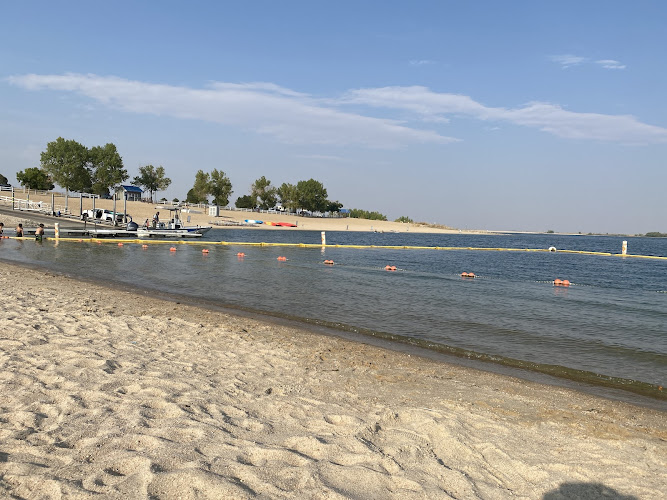
Aurora Reservoir is one of those places that quietly earns your respect the longer you hang around. It’s not flashy, and it doesn’t try too hard. And honestly, that’s part of the charm. Spread across more than 800 acres of open water and protected land, the reservoir plays a double role: it’s both a serious piece of drinking-water infrastructure and a beloved outdoor escape for travelers and locals who need air, space, and a reset button.
The first time I visited, I expected a quick loop, maybe a short walk and done. Three hours later I was still there, sitting on a rock near the shoreline watching paddleboards drift by and fishermen quietly mind their business. That’s the pace here. Slow, deliberate, and calming in a way that sneaks up on you.
The water is impressively clean, almost startling if you’re used to city lakes that look… well, tired. Swimming is allowed in designated areas, and during warmer months the beach area gets lively without crossing into chaotic. Families spread out towels, kids splash near the shore, and there’s always someone grilling something that smells way better than whatever you packed.
Fishing is a big draw, and not just for hardcore anglers. You’ll see beginners casting for the first time alongside people who clearly know what they’re doing. The reservoir is known for species like trout, bass, and walleye, and there’s a calm respect among anglers that makes the experience feel communal instead of competitive.
What really stands out, though, is how well the place balances recreation with preservation. Motorized boats are a no-go, which keeps the noise down and the water peaceful. You hear wind, birds, the occasional laugh echoing across the water. It feels intentional, like the land is gently reminding visitors to behave themselves.
And yes, it’s popular. But it’s big enough that you can usually find a quiet pocket if you wander a bit. I’ve had moments there where I felt completely alone, even on busy days. That’s rare, and worth savoring.
Key Features
- Over 800 acres of water dedicated to fishing, swimming, and nonmotorized boating
- Designated swimming beach with clear water and seasonal lifeguard presence
- Nonmotorized boating only, including kayaks, paddleboards, and sailboats
- Well-maintained trails for hiking and casual walking around the reservoir
- Picnic areas with tables and barbecue grills scattered throughout
- Playground spaces with swings and slides, popular with families
- Volleyball courts that tend to fill up on warm afternoons
- Fishing access from shore and designated areas for different skill levels
- Wheelchair accessible entrances, restrooms, parking, and seating
- On-site parking with paid options, usually well-organized
- Public restrooms that are, thankfully, kept pretty clean
- Dogs allowed in certain areas, on leash
- Wi‑Fi availability near main facilities (not everywhere, but enough)
Best Time to Visit
The sweet spot for visiting Aurora Reservoir depends on what you’re after. Summer is the obvious choice if swimming is high on your list. Late June through August brings warm water, long days, and a social energy that feels almost festive. But it also means crowds, especially on weekends. If you don’t love sharing space, aim for early mornings. I’ve arrived just after opening on a July Saturday and had a solid hour of near-silence before things picked up.
Spring is underrated. The water is still chilly, so swimming’s mostly off the table, but hiking and fishing are excellent. The trails come alive with birds, and the air has that crisp edge that makes walking feel effortless. And you’ll notice fewer people, which I personally count as a win.
Fall might be my favorite, though. The crowds thin out, the light turns golden, and the reservoir feels reflective, almost introspective. Fishing remains strong, and the shoreline takes on those muted colors that make you stop mid-sentence just to look around. Bring a jacket. Trust me.
Winter visits are quieter still. While swimming is obviously done for the season, the reservoir doesn’t lose its appeal. There’s something grounding about standing near frozen water with hardly anyone else around. Just check conditions ahead of time and dress like you mean it.
How to Get There
Getting to Aurora Reservoir is straightforward, even if you’re not familiar with the area. It sits just outside the main bustle, which is probably intentional. Driving is the easiest option, especially if you’re hauling fishing gear, picnic supplies, or kids who refuse to travel light.
The roads leading in are well-marked, and traffic usually flows smoothly except during peak summer weekends. If you’re coming during those high-traffic times, patience helps. And snacks. Always snacks.
Once you arrive, the on-site parking system is organized and efficient. It’s a paid lot, but in my experience the cost feels fair considering the upkeep and amenities. Everything from the parking area to the main facilities is clearly laid out, so you’re not wandering around wondering where to go next.
If you’re biking in, you’ll appreciate the cycling lanes that connect nicely with the surrounding area. It’s a pleasant ride, especially in cooler weather. Public transportation options exist, but they may require some walking, so plan accordingly if mobility is a concern.
Tips for Visiting
First tip, and I say this with love: arrive earlier than you think you need to. Aurora Reservoir rewards early birds. You’ll get better parking, quieter trails, and a general sense that the place is yours, at least for a little while.
Pack layers. Even in summer, the breeze off the water can surprise you. I’ve learned this the hard way, sitting through a sunset shivering in a T-shirt like an amateur.
If you’re planning to swim, bring water shoes. The shoreline isn’t painful, but it’s not exactly soft either. Your feet will thank you later.
For fishing enthusiasts, check local regulations before you cast. The reservoir is carefully managed, and following the rules keeps it enjoyable for everyone. Plus, there’s a certain satisfaction in doing things the right way.
Families should take advantage of the playgrounds and picnic areas, but maybe scout them first. Some spots get busy fast, especially near the main beach. Wandering a bit farther out often leads to quieter tables and better views.
Dogs are welcome, which is great, but keep them leashed and bring bags. It sounds obvious, but you’d be surprised. Respect goes a long way here.
Don’t rely entirely on Wi‑Fi. It exists, but it’s patchy. And honestly, that’s part of the appeal. Let your phone rest. Watch the water. Listen to the wind. I promise nothing urgent is happening online that can’t wait an hour.
Lastly, give yourself permission to slow down. Aurora Reservoir isn’t a checklist destination. It’s a place to linger, to sit without doing much, to have conversations that wander. Those are the moments that stick. I still remember one afternoon there where absolutely nothing happened, and somehow that’s exactly why it was perfect.
Key Features
- Over 800 acres of water dedicated to fishing, swimming, and nonmotorized boating
- Designated swimming beach with clear water and seasonal lifeguard presence
- Nonmotorized boating only, including kayaks, paddleboards, and sailboats
- Well-maintained trails for hiking and casual walking around the reservoir
- Picnic areas with tables and barbecue grills scattered throughout
- Playground spaces with swings and slides, popular with families
- Volleyball courts that tend to fill up on warm afternoons
- Fishing access from shore and designated areas for different skill levels
More Details
Updated December 31, 2025
Table of Contents
Description
Aurora Reservoir is one of those places that quietly earns your respect the longer you hang around. It’s not flashy, and it doesn’t try too hard. And honestly, that’s part of the charm. Spread across more than 800 acres of open water and protected land, the reservoir plays a double role: it’s both a serious piece of drinking-water infrastructure and a beloved outdoor escape for travelers and locals who need air, space, and a reset button.
The first time I visited, I expected a quick loop, maybe a short walk and done. Three hours later I was still there, sitting on a rock near the shoreline watching paddleboards drift by and fishermen quietly mind their business. That’s the pace here. Slow, deliberate, and calming in a way that sneaks up on you.
The water is impressively clean, almost startling if you’re used to city lakes that look… well, tired. Swimming is allowed in designated areas, and during warmer months the beach area gets lively without crossing into chaotic. Families spread out towels, kids splash near the shore, and there’s always someone grilling something that smells way better than whatever you packed.
Fishing is a big draw, and not just for hardcore anglers. You’ll see beginners casting for the first time alongside people who clearly know what they’re doing. The reservoir is known for species like trout, bass, and walleye, and there’s a calm respect among anglers that makes the experience feel communal instead of competitive.
What really stands out, though, is how well the place balances recreation with preservation. Motorized boats are a no-go, which keeps the noise down and the water peaceful. You hear wind, birds, the occasional laugh echoing across the water. It feels intentional, like the land is gently reminding visitors to behave themselves.
And yes, it’s popular. But it’s big enough that you can usually find a quiet pocket if you wander a bit. I’ve had moments there where I felt completely alone, even on busy days. That’s rare, and worth savoring.
Key Features
- Over 800 acres of water dedicated to fishing, swimming, and nonmotorized boating
- Designated swimming beach with clear water and seasonal lifeguard presence
- Nonmotorized boating only, including kayaks, paddleboards, and sailboats
- Well-maintained trails for hiking and casual walking around the reservoir
- Picnic areas with tables and barbecue grills scattered throughout
- Playground spaces with swings and slides, popular with families
- Volleyball courts that tend to fill up on warm afternoons
- Fishing access from shore and designated areas for different skill levels
- Wheelchair accessible entrances, restrooms, parking, and seating
- On-site parking with paid options, usually well-organized
- Public restrooms that are, thankfully, kept pretty clean
- Dogs allowed in certain areas, on leash
- Wi‑Fi availability near main facilities (not everywhere, but enough)
Best Time to Visit
The sweet spot for visiting Aurora Reservoir depends on what you’re after. Summer is the obvious choice if swimming is high on your list. Late June through August brings warm water, long days, and a social energy that feels almost festive. But it also means crowds, especially on weekends. If you don’t love sharing space, aim for early mornings. I’ve arrived just after opening on a July Saturday and had a solid hour of near-silence before things picked up.
Spring is underrated. The water is still chilly, so swimming’s mostly off the table, but hiking and fishing are excellent. The trails come alive with birds, and the air has that crisp edge that makes walking feel effortless. And you’ll notice fewer people, which I personally count as a win.
Fall might be my favorite, though. The crowds thin out, the light turns golden, and the reservoir feels reflective, almost introspective. Fishing remains strong, and the shoreline takes on those muted colors that make you stop mid-sentence just to look around. Bring a jacket. Trust me.
Winter visits are quieter still. While swimming is obviously done for the season, the reservoir doesn’t lose its appeal. There’s something grounding about standing near frozen water with hardly anyone else around. Just check conditions ahead of time and dress like you mean it.
How to Get There
Getting to Aurora Reservoir is straightforward, even if you’re not familiar with the area. It sits just outside the main bustle, which is probably intentional. Driving is the easiest option, especially if you’re hauling fishing gear, picnic supplies, or kids who refuse to travel light.
The roads leading in are well-marked, and traffic usually flows smoothly except during peak summer weekends. If you’re coming during those high-traffic times, patience helps. And snacks. Always snacks.
Once you arrive, the on-site parking system is organized and efficient. It’s a paid lot, but in my experience the cost feels fair considering the upkeep and amenities. Everything from the parking area to the main facilities is clearly laid out, so you’re not wandering around wondering where to go next.
If you’re biking in, you’ll appreciate the cycling lanes that connect nicely with the surrounding area. It’s a pleasant ride, especially in cooler weather. Public transportation options exist, but they may require some walking, so plan accordingly if mobility is a concern.
Tips for Visiting
First tip, and I say this with love: arrive earlier than you think you need to. Aurora Reservoir rewards early birds. You’ll get better parking, quieter trails, and a general sense that the place is yours, at least for a little while.
Pack layers. Even in summer, the breeze off the water can surprise you. I’ve learned this the hard way, sitting through a sunset shivering in a T-shirt like an amateur.
If you’re planning to swim, bring water shoes. The shoreline isn’t painful, but it’s not exactly soft either. Your feet will thank you later.
For fishing enthusiasts, check local regulations before you cast. The reservoir is carefully managed, and following the rules keeps it enjoyable for everyone. Plus, there’s a certain satisfaction in doing things the right way.
Families should take advantage of the playgrounds and picnic areas, but maybe scout them first. Some spots get busy fast, especially near the main beach. Wandering a bit farther out often leads to quieter tables and better views.
Dogs are welcome, which is great, but keep them leashed and bring bags. It sounds obvious, but you’d be surprised. Respect goes a long way here.
Don’t rely entirely on Wi‑Fi. It exists, but it’s patchy. And honestly, that’s part of the appeal. Let your phone rest. Watch the water. Listen to the wind. I promise nothing urgent is happening online that can’t wait an hour.
Lastly, give yourself permission to slow down. Aurora Reservoir isn’t a checklist destination. It’s a place to linger, to sit without doing much, to have conversations that wander. Those are the moments that stick. I still remember one afternoon there where absolutely nothing happened, and somehow that’s exactly why it was perfect.
Key Highlights
- Over 800 acres of water dedicated to fishing, swimming, and nonmotorized boating
- Designated swimming beach with clear water and seasonal lifeguard presence
- Nonmotorized boating only, including kayaks, paddleboards, and sailboats
- Well-maintained trails for hiking and casual walking around the reservoir
- Picnic areas with tables and barbecue grills scattered throughout
- Playground spaces with swings and slides, popular with families
- Volleyball courts that tend to fill up on warm afternoons
- Fishing access from shore and designated areas for different skill levels
Location
Places to Stay Near Aurora Reservoir
Find and Book a Tour
Explore More Travel Guides
No reviews found! Be the first to review!
Traveler Reviews for Aurora Reservoir
There are no reviews yet. Be the first one to write one.
Have you visited Aurora Reservoir? Help other travelers by sharing your review.
You Might Also Like

City of Aurora- Phillips Park Zoo
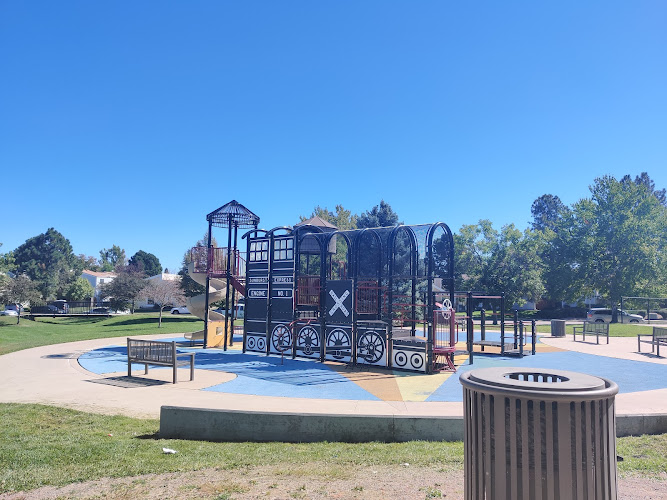
Sunburst Park
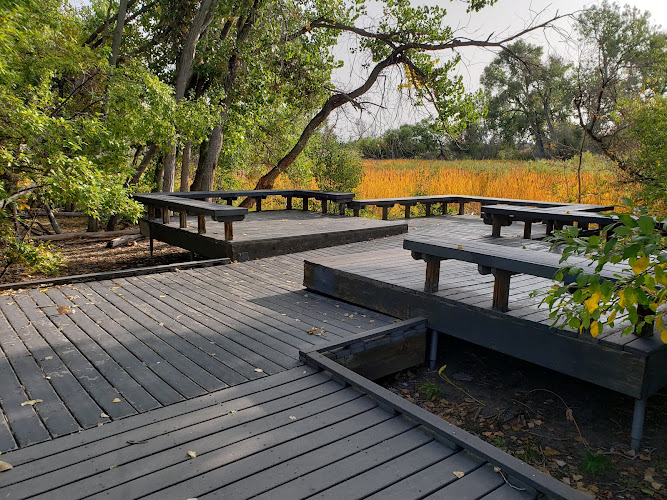
Jewell Wetlands Park
Find Accommodations Nearby
Recommended Tours & Activities
Visitor Reviews
There are no reviews yet. Be the first one to write one.
Share Your Experience
Have you visited Aurora Reservoir? Help other travelers by leaving a review.