
Churchill War Rooms
About Churchill War Rooms
Description
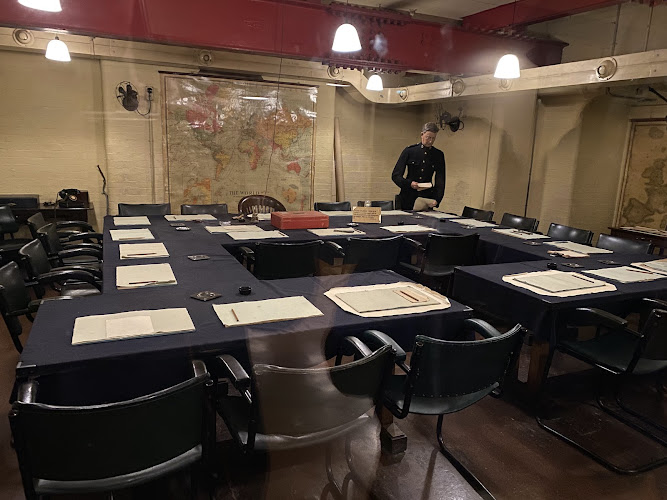
The Churchill War Rooms sit quietly beneath the busy streets of Westminster, and that’s part of the magic. You’re walking along, buses whooshing by, people late for meetings, and then you descend underground into the place where Winston Churchill and his inner circle planned Britain’s survival during World War II. It still gives me chills, and I’ve been more than once. This is not a glossy museum with dramatic recreations everywhere. It’s the real thing. Real rooms. Real desks. Real maps that once showed the terrifying spread of enemy forces.
The War Rooms were designed to be secret, secure, and functional. Comfort was not high on the priority list. And you feel that instantly. Narrow corridors, low ceilings, and rooms packed tightly together make you very aware that hundreds of people worked down here for years without natural light. Churchill himself slept here during the Blitz. That fact alone tends to quiet even the most chatty visitor. I remember standing near his bedroom, thinking about how strange it must have been to go to sleep while bombs fell overhead, then wake up and make decisions that shaped the world.
For travelers interested in WWII history, British politics, or just human resilience under pressure, the Churchill War Rooms are essential. But it’s not all heavy. There are lighter moments too, like notes left on desks, personal items, and little details that humanize history. You realize these weren’t mythical heroes all the time. They were tired, stressed people doing the best they could. And honestly, that makes it more powerful.
The experience is generally well-paced, with audio guides that actually help rather than overwhelm. You can move at your own speed, linger where you want, or breeze through parts that don’t grab you. Some visitors expect a fast, flashy attraction and come away slightly underwhelmed. But if you slow down, read the panels, and imagine the pressure in those rooms, it hits hard. This place rewards patience.
Key Features
- Authentic underground bunker used as Britain’s wartime command center
- Churchill’s bedroom, office, and Cabinet Room preserved as they were
- The Map Room, frozen in time since the day the war ended
- Immersive audio guide included with admission, with multiple language options
- Churchill Museum section exploring his life beyond the bunker
- Original furniture, documents, phones, and everyday objects from WWII
- Onsite restaurant and gift shop for breaks and souvenirs
- Facilities suitable for families, including changing tables
The Map Room deserves special mention. Staff were instructed to leave it untouched when the war ended, and they did. Pencils still lie where they were dropped. Pins mark old troop movements. It feels eerie, like everyone just stepped out for a moment and never came back. I once stood there longer than I planned, listening to the audio guide loop again because it felt wrong to rush.
Best Time to Visit
The Churchill War Rooms are popular year-round, and for good reason. That said, timing matters if you want space to breathe. Mornings on weekdays are usually the calmest, especially outside of school holidays. I’ve visited on a Saturday afternoon once and, whew, it was busy. Still worthwhile, but you’ll shuffle through certain rooms rather than wander.
Late autumn and winter can be fantastic. Fewer crowds, and the darker, colder atmosphere outside somehow makes the underground experience feel even more authentic. Summer brings higher visitor numbers, particularly from international travelers ticking WWII landmarks off their bucket list. And yes, it can feel crowded then, but the museum is well-managed, so it never turns chaotic.
Allow at least two hours. Some people do it in ninety minutes, but they miss things. And you didn’t come all this way to rush, right? Take breaks, sit when you need to, and actually listen. The stories deserve it.
How to Get There
The location is extremely central, which is both a blessing and a curse. It’s easy to reach by public transport, with several major Underground stations nearby. Walking is also a solid option if you’re already exploring Westminster, St James’s Park, or the nearby government buildings. In fact, walking adds to the experience. You pass places Churchill himself would have known well.
Driving is not recommended. Parking in this part of London is limited, expensive, and frankly stressful. Public transport is faster and easier. If you have mobility needs, the entrance is wheelchair accessible, and staff are generally helpful and understanding. Some areas inside are a bit tight, though, so patience helps.
Tips for Visiting
Book tickets in advance. This isn’t optional if you’re visiting during peak times. Walk-up tickets can sell out, and it’s a terrible feeling to be right there and not get in. Trust me, I’ve seen it happen to others.
Use the audio guide properly. Don’t skip around randomly. The guide is thoughtfully structured and adds emotional weight to what you’re seeing. Without it, the rooms can feel a bit static.
Dress comfortably. The temperature underground stays fairly consistent, slightly cool. Comfortable shoes are essential because you’ll be on your feet for a while, and the floors are hard.
Bring older kids. Younger children might struggle with the seriousness and length, but kids around 10 and up often find it fascinating. I once overheard a kid explaining the War Cabinet to his parent, and honestly, he nailed it.
Don’t expect glitz. This is a preserved historical site, not a high-tech theme experience. And that’s exactly why it works. Adjust your expectations and you’ll enjoy it much more.
Take breaks. There’s a restaurant onsite if you need to decompress afterward. History like this can be emotionally heavy, and that’s okay.
Read the small details. Notes on walls, handwritten signs, and personal items are where the real stories live. It’s tempting to rush to the “big” rooms, but the quieter corners are often more affecting.
The Churchill War Rooms aren’t just about Winston Churchill, despite the name. They’re about systems, teamwork, fear, hope, and decision-making under unbearable pressure. You leave with a deeper respect for the people who worked down there, many of whom never became famous. And you’ll probably find yourself quieter when you emerge back into daylight, London noise rushing in like nothing ever happened. But something did. And you just walked through it.
If you’re the kind of traveler who wants to understand a place, not just photograph it, this museum delivers. It’s not always comfortable, not always easy, and maybe that’s the point. History rarely is.
Key Features
- Authentic underground bunker used as Britain’s wartime command center
- Churchill’s bedroom, office, and Cabinet Room preserved as they were
- The Map Room, frozen in time since the day the war ended
- Immersive audio guide included with admission, with multiple language options
- Churchill Museum section exploring his life beyond the bunker
- Original furniture, documents, phones, and everyday objects from WWII
- Onsite restaurant and gift shop for breaks and souvenirs
- Facilities suitable for families, including changing tables
Tours & Activities
GetYourGuide provides this tour inventory. We may earn a commission if you book through it; verify current availability, prices, and terms with the provider.
Visitor Reviews
There are no reviews yet. Be the first one to write one.
Share Your Experience
Have you visited Churchill War Rooms? Help other travelers by leaving a review.