
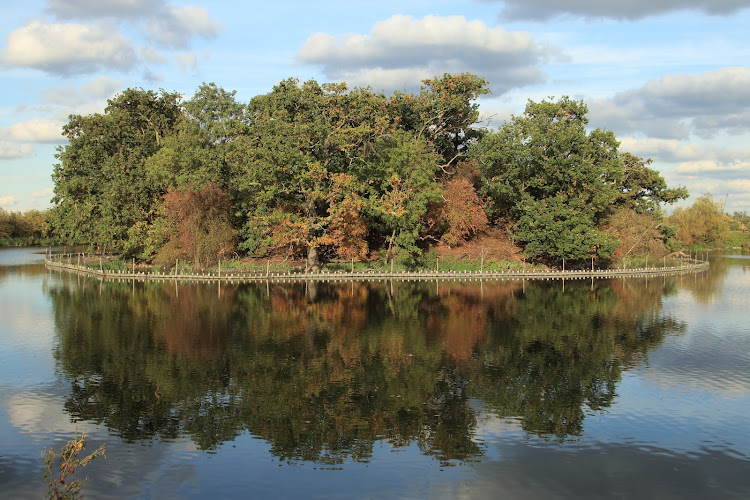
Walthamstow Wetlands, London Wildlife Trust
About Walthamstow Wetlands, London Wildlife Trust
Description
Walthamstow Wetlands is one of those rare London spots that makes you forget you’re in a city at all. Spread across over 200 hectares of wild beauty, this nature reserve is managed by the London Wildlife Trust and serves as both a working reservoir site and a peaceful escape for anyone craving a dose of fresh air. It’s funny really—just fifteen minutes from the heart of London, and yet you can stand here surrounded by water, reeds, and birdsong, feeling like you’ve stumbled into another world.
It’s a place that’s both practical and poetic. The reservoirs still supply water to millions of Londoners, but they’ve also become a sanctuary for wildlife—especially birds. On any given day, you might spot herons gliding low over the surface, cormorants drying their wings, or a flash of kingfisher blue darting across a pond. There’s something deeply grounding about it. The hum of the city fades, replaced by the gentle rustle of reeds in the wind. And if you’re anything like me, you’ll find yourself slowing down, breathing deeper, and maybe even rethinking how you spend your weekends.
Of course, not everything is perfect. It can get busy on weekends, especially when the sun’s out and families flock here for picnics. And yes, the café sometimes gets a bit crowded (though the coffee’s worth the wait). But those small inconveniences are part of the charm—it’s a sign that Londoners have truly embraced this urban oasis. Whether you’re a birder, a cyclist, a photographer, or just someone who needs a break from concrete and screens, Walthamstow Wetlands offers a kind of quiet that’s hard to find elsewhere in the city.
Key Features
- Expansive Nature Reserve: Over 200 hectares of open water, wild grasslands, and woodland trails to explore.
- Birdwatching Paradise: Home to hundreds of bird species, from tufted ducks to peregrine falcons.
- Historic Reservoirs: Ten operational reservoirs that still supply clean water to millions of Londoners.
- Visitor Centre & Café: A restored Victorian engine house offering great coffee, snacks, and panoramic views.
- Accessible for All: Wheelchair-friendly paths, accessible parking, and inclusive facilities.
- Outdoor Activities: Ideal for hiking, cycling, picnicking, and quiet reflection.
- Family-Friendly: Safe open spaces and kid-friendly walking routes make it perfect for families.
- Eco-Conscious Management: Run by the London Wildlife Trust in partnership with Thames Water, balancing conservation with community engagement.
Best Time to Visit
If you ask me, Walthamstow Wetlands has a different personality each season. Spring is probably my favorite—everything bursts into life, the air smells of damp earth and wildflowers, and the birds are at their most active. You’ll see nesting swans and hear warblers singing like they’ve got something to prove. Summer brings longer days and the kind of golden light photographers dream about, though it can get busy. Autumn, though—there’s magic in the air. The reeds turn bronze, the water mirrors the sky, and the crisp air makes every step feel refreshing. Winter is quieter but no less beautiful; misty mornings and frost-covered paths make the whole place feel almost cinematic.
For birdwatchers, early mornings are unbeatable. The light is soft, the air is still, and the wildlife is most active before the crowds arrive. If you’re just after a peaceful stroll, late afternoons can be lovely too—especially when the setting sun paints the reservoirs in shades of gold and pink. Just remember that daylight hours are shorter in winter, so plan accordingly.
How to Get There
Getting to Walthamstow Wetlands is surprisingly easy, which is part of its charm. It’s located in East London, close to several transport links. If you’re coming by public transport, the nearest stations are Blackhorse Road (on the Victoria Line and London Overground) and Tottenham Hale. From either, it’s just a short walk to the entrance. Cyclists will be happy to know there are dedicated cycling lanes leading right up to the reserve, and bike racks are available on-site.
If you’re driving, there’s limited parking nearby, though it’s worth noting that weekends can fill up quickly. Personally, I prefer taking the train—it feels more sustainable, and there’s something nice about stepping off the tube and walking straight into nature. Whichever way you come, it’s easy enough to make a day of it. Bring a picnic, your camera, maybe a pair of binoculars, and you’re set.
Tips for Visiting
Here’s where a few insider tips can make your trip even better. First off, wear comfortable shoes. The paths are well-maintained but can get muddy after rain, especially around the reservoirs. If you’re planning to do a lot of walking, bring a bottle of water and maybe a snack or two—though the café does great sandwiches and cakes if you fancy a treat.
For photographers, early morning or late afternoon light is unbeatable. The reflections on the water are pure magic, and the birdlife is most active then. If you’re into birdwatching, bring binoculars or a telephoto lens. You’ll thank yourself later when you catch sight of a rare species perched on a reed. For families, there are plenty of open spaces for kids to run around safely, and the visitor centre has educational displays that make learning about wildlife surprisingly fun.
Accessibility is another big plus. The main paths are wheelchair-friendly, and there are accessible restrooms and parking spaces. It’s one of those rare places that really tries to make nature available to everyone. And if you’re planning a picnic, there are tables scattered around the reserve—just remember to take your rubbish with you. The wildlife here thrives because people respect the space, and that’s something worth continuing.
One small thing to note: dogs aren’t allowed in most areas, as it’s a protected wildlife site. It might sound strict, but it helps keep the birds safe and undisturbed. If you’re bringing kids, that’s actually a bonus—no unexpected barking to scare off the wildlife. And if you’re the type who likes to learn as you wander, check out the information boards dotted around the site. They’re full of fascinating tidbits about the history of the reservoirs and the species that call them home.
Honestly, Walthamstow Wetlands is one of those places that reminds you London isn’t all noise and neon. It’s a living, breathing space where nature and city life coexist in this delicate, beautiful balance. Whether you come for an hour or an entire afternoon, you’ll probably leave feeling lighter, calmer, and just a little more connected to the world around you. And that, to me, is the mark of a truly great urban escape.
Key Features
- Key Features
- Best Time to Visit
- How to Get There
- Tips for Visiting
More Details
Updated December 1, 2025
Table of Contents
- Description
- Key Features
- Best Time to Visit
- How to Get There
- Tips for Visiting
- Key Highlights
- Location
- Places to Stay Near Walthamstow Wetlands, London Wildlife Trust
- Find and Book a Tour
- Explore More Travel Guides
- Nearby Places You Might Like
- Traveler Reviews for Walthamstow Wetlands, London Wildlife Trust
- Share Your Experience
Description
Walthamstow Wetlands is one of those rare London spots that makes you forget you’re in a city at all. Spread across over 200 hectares of wild beauty, this nature reserve is managed by the London Wildlife Trust and serves as both a working reservoir site and a peaceful escape for anyone craving a dose of fresh air. It’s funny really—just fifteen minutes from the heart of London, and yet you can stand here surrounded by water, reeds, and birdsong, feeling like you’ve stumbled into another world.
It’s a place that’s both practical and poetic. The reservoirs still supply water to millions of Londoners, but they’ve also become a sanctuary for wildlife—especially birds. On any given day, you might spot herons gliding low over the surface, cormorants drying their wings, or a flash of kingfisher blue darting across a pond. There’s something deeply grounding about it. The hum of the city fades, replaced by the gentle rustle of reeds in the wind. And if you’re anything like me, you’ll find yourself slowing down, breathing deeper, and maybe even rethinking how you spend your weekends.
Of course, not everything is perfect. It can get busy on weekends, especially when the sun’s out and families flock here for picnics. And yes, the café sometimes gets a bit crowded (though the coffee’s worth the wait). But those small inconveniences are part of the charm—it’s a sign that Londoners have truly embraced this urban oasis. Whether you’re a birder, a cyclist, a photographer, or just someone who needs a break from concrete and screens, Walthamstow Wetlands offers a kind of quiet that’s hard to find elsewhere in the city.
Key Features
- Expansive Nature Reserve: Over 200 hectares of open water, wild grasslands, and woodland trails to explore.
- Birdwatching Paradise: Home to hundreds of bird species, from tufted ducks to peregrine falcons.
- Historic Reservoirs: Ten operational reservoirs that still supply clean water to millions of Londoners.
- Visitor Centre & Café: A restored Victorian engine house offering great coffee, snacks, and panoramic views.
- Accessible for All: Wheelchair-friendly paths, accessible parking, and inclusive facilities.
- Outdoor Activities: Ideal for hiking, cycling, picnicking, and quiet reflection.
- Family-Friendly: Safe open spaces and kid-friendly walking routes make it perfect for families.
- Eco-Conscious Management: Run by the London Wildlife Trust in partnership with Thames Water, balancing conservation with community engagement.
Best Time to Visit
If you ask me, Walthamstow Wetlands has a different personality each season. Spring is probably my favorite—everything bursts into life, the air smells of damp earth and wildflowers, and the birds are at their most active. You’ll see nesting swans and hear warblers singing like they’ve got something to prove. Summer brings longer days and the kind of golden light photographers dream about, though it can get busy. Autumn, though—there’s magic in the air. The reeds turn bronze, the water mirrors the sky, and the crisp air makes every step feel refreshing. Winter is quieter but no less beautiful; misty mornings and frost-covered paths make the whole place feel almost cinematic.
For birdwatchers, early mornings are unbeatable. The light is soft, the air is still, and the wildlife is most active before the crowds arrive. If you’re just after a peaceful stroll, late afternoons can be lovely too—especially when the setting sun paints the reservoirs in shades of gold and pink. Just remember that daylight hours are shorter in winter, so plan accordingly.
How to Get There
Getting to Walthamstow Wetlands is surprisingly easy, which is part of its charm. It’s located in East London, close to several transport links. If you’re coming by public transport, the nearest stations are Blackhorse Road (on the Victoria Line and London Overground) and Tottenham Hale. From either, it’s just a short walk to the entrance. Cyclists will be happy to know there are dedicated cycling lanes leading right up to the reserve, and bike racks are available on-site.
If you’re driving, there’s limited parking nearby, though it’s worth noting that weekends can fill up quickly. Personally, I prefer taking the train—it feels more sustainable, and there’s something nice about stepping off the tube and walking straight into nature. Whichever way you come, it’s easy enough to make a day of it. Bring a picnic, your camera, maybe a pair of binoculars, and you’re set.
Tips for Visiting
Here’s where a few insider tips can make your trip even better. First off, wear comfortable shoes. The paths are well-maintained but can get muddy after rain, especially around the reservoirs. If you’re planning to do a lot of walking, bring a bottle of water and maybe a snack or two—though the café does great sandwiches and cakes if you fancy a treat.
For photographers, early morning or late afternoon light is unbeatable. The reflections on the water are pure magic, and the birdlife is most active then. If you’re into birdwatching, bring binoculars or a telephoto lens. You’ll thank yourself later when you catch sight of a rare species perched on a reed. For families, there are plenty of open spaces for kids to run around safely, and the visitor centre has educational displays that make learning about wildlife surprisingly fun.
Accessibility is another big plus. The main paths are wheelchair-friendly, and there are accessible restrooms and parking spaces. It’s one of those rare places that really tries to make nature available to everyone. And if you’re planning a picnic, there are tables scattered around the reserve—just remember to take your rubbish with you. The wildlife here thrives because people respect the space, and that’s something worth continuing.
One small thing to note: dogs aren’t allowed in most areas, as it’s a protected wildlife site. It might sound strict, but it helps keep the birds safe and undisturbed. If you’re bringing kids, that’s actually a bonus—no unexpected barking to scare off the wildlife. And if you’re the type who likes to learn as you wander, check out the information boards dotted around the site. They’re full of fascinating tidbits about the history of the reservoirs and the species that call them home.
Honestly, Walthamstow Wetlands is one of those places that reminds you London isn’t all noise and neon. It’s a living, breathing space where nature and city life coexist in this delicate, beautiful balance. Whether you come for an hour or an entire afternoon, you’ll probably leave feeling lighter, calmer, and just a little more connected to the world around you. And that, to me, is the mark of a truly great urban escape.
Key Highlights
- Key Features
- Best Time to Visit
- How to Get There
- Tips for Visiting
Location
Places to Stay Near Walthamstow Wetlands, London Wildlife Trust
Find and Book a Tour
Explore More Travel Guides
No reviews found! Be the first to review!
Traveler Reviews for Walthamstow Wetlands, London Wildlife Trust
There are no reviews yet. Be the first one to write one.
Have you visited Walthamstow Wetlands, London Wildlife Trust? Help other travelers by sharing your review.
You Might Also Like
Palace of Westminster

Jewish Museum London

The British Museum
Find Accommodations Nearby
Recommended Tours & Activities
Visitor Reviews
There are no reviews yet. Be the first one to write one.
Share Your Experience
Have you visited Walthamstow Wetlands, London Wildlife Trust? Help other travelers by leaving a review.