

Quake City
About Quake City
Description
Quake City is not a light museum visit. It’s the kind of place that sticks with you long after you step back into daylight. Dedicated to the 2010–2011 Canterbury earthquakes, this museum focuses less on dry geology facts and more on what it felt like to live through those moments. Fear. Confusion. Resilience. The ordinary turning suddenly extraordinary. And yeah, it hits you in the chest sometimes.
The exhibits lean heavily on personal stories, which I honestly think is the right call. Anyone can read about a 6.3 magnitude quake online. But hearing a local talk about losing their home, or watching footage of the city mid-shock, that’s different. I remember standing in one section longer than I planned, just listening to recorded voices. I wasn’t in Christchurch back then, but my mind kept wandering to where I was during other global disasters. It does that to you.
Hands-on elements make the experience more physical. You don’t just read panels; you feel the scale of what happened. Some visitors find parts emotionally heavy, while others appreciate the honesty. And honestly? Both reactions make sense. Quake City doesn’t sugarcoat things, but it also doesn’t wallow. There’s a strong undercurrent of recovery and rebuilding, which feels very true to Christchurch itself.
The museum is well set up for travelers. It’s compact enough that you won’t be overwhelmed, but detailed enough that you won’t feel short-changed either. Families with kids often walk out deep in conversation, which is kind of the point. And if you’re the sort who enjoys understanding a place beyond its cafés and photo spots, this museum fills in a lot of blanks.
Key Features
- Personal accounts from Christchurch residents who lived through the earthquakes
- Interactive exhibits that explain seismic activity in a very tangible way
- Authentic artifacts recovered from damaged buildings
- Short films and visual displays that document the city during and after the quakes
- Clear explanations of how and why buildings failed, without getting overly technical
- Thoughtful coverage of emergency response and community support efforts
- Wheelchair-accessible entrance and restrooms, which is not always a given in museums
- Family-friendly layout that works for curious kids and reflective adults alike
One thing I appreciated was how the museum doesn’t rush you. You can breeze through if you’re short on time, but if something grabs you, nobody’s pushing you along. And small detail, but important: the layout makes it easy to pause, sit, and process. When the topic is this intense, that matters.
Best Time to Visit
Quake City works year-round, rain or shine. In fact, it’s a solid choice on those grey Christchurch days when outdoor plans fall apart. But timing still matters. Mornings tend to be quieter, especially on weekdays. If you prefer space to think and read without feeling crowded, aim for an early visit.
School holidays bring more families, which adds energy but also noise. That’s not a bad thing, just different. I once visited during a busy afternoon and overheard kids asking really smart, tough questions. It was oddly hopeful. Still, if you want a more contemplative experience, shoulder seasons like late autumn or early spring hit a nice balance.
Summer sees more international travelers, and the museum can feel brisk as people move quickly between attractions. Winter, on the other hand, invites slower visits. And slower works better here. Give yourself at least an hour, maybe more if you’re the type who reads every panel. I am, clearly.
How to Get There
Getting to Quake City is straightforward, which is a relief when you’re navigating a new city. Christchurch is pretty easy to move around in general, and the museum sits within reach of central transport routes. If you’re staying downtown, walking is often the simplest option. The city center is flat, and you’ll likely pass cafés or street art along the way.
Public transport also works well. Buses run frequently, and locals are usually happy to help if you look confused at a stop. I’ve done the classic tourist pause, map out, head tilted, and it took about five seconds for someone to ask if I needed directions.
Driving is an option too, and free parking is a nice bonus if you’ve rented a car. That alone removes a layer of stress. Just remember that central Christchurch has evolved a lot since the earthquakes, so some older maps or memories might be outdated. Trust current signage, not what your cousin remembers from 2009.
Tips for Visiting
First tip: go in with an open mind. This isn’t a museum you rush through to tick a box. Let it unfold. Some exhibits may surprise you, others might make you uncomfortable. That’s okay. It’s part of understanding the city.
If you’re traveling with kids, talk beforehand about what they’ll see. The museum is good for children, but the subject matter is real. When I visited with a friend’s family, we took breaks to chat about what we’d just seen. Those conversations ended up being the most memorable part.
Photography is limited in some areas, so don’t rely on snapping pics to remember things. Take notes mentally, or even jot thoughts down after. Sounds old-school, I know. But it helps.
Allow some decompression time afterward. Grab a coffee, sit somewhere quiet, or walk through the city streets you’ve just learned so much about. Seeing Christchurch after Quake City adds layers. You notice building designs, open spaces, memorials. It all clicks.
Accessibility is handled thoughtfully, but if you have specific needs, plan a little ahead. Staff are generally approachable and willing to help, which makes a big difference.
And one more thing: don’t skip this museum because you think it’ll be depressing. Yes, it’s serious. But it’s also about strength, adaptation, and community. I walked out feeling heavier, sure, but also weirdly inspired. Travel isn’t just about escaping. Sometimes it’s about understanding. Quake City offers that, honestly and without fluff.
Key Features
- Personal accounts from Christchurch residents who lived through the earthquakes
- Interactive exhibits that explain seismic activity in a very tangible way
- Authentic artifacts recovered from damaged buildings
- Short films and visual displays that document the city during and after the quakes
- Clear explanations of how and why buildings failed, without getting overly technical
- Thoughtful coverage of emergency response and community support efforts
- Wheelchair-accessible entrance and restrooms, which is not always a given in museums
- Family-friendly layout that works for curious kids and reflective adults alike
More Details
Updated December 31, 2025
Table of Contents
Description
Quake City is not a light museum visit. It’s the kind of place that sticks with you long after you step back into daylight. Dedicated to the 2010–2011 Canterbury earthquakes, this museum focuses less on dry geology facts and more on what it felt like to live through those moments. Fear. Confusion. Resilience. The ordinary turning suddenly extraordinary. And yeah, it hits you in the chest sometimes.
The exhibits lean heavily on personal stories, which I honestly think is the right call. Anyone can read about a 6.3 magnitude quake online. But hearing a local talk about losing their home, or watching footage of the city mid-shock, that’s different. I remember standing in one section longer than I planned, just listening to recorded voices. I wasn’t in Christchurch back then, but my mind kept wandering to where I was during other global disasters. It does that to you.
Hands-on elements make the experience more physical. You don’t just read panels; you feel the scale of what happened. Some visitors find parts emotionally heavy, while others appreciate the honesty. And honestly? Both reactions make sense. Quake City doesn’t sugarcoat things, but it also doesn’t wallow. There’s a strong undercurrent of recovery and rebuilding, which feels very true to Christchurch itself.
The museum is well set up for travelers. It’s compact enough that you won’t be overwhelmed, but detailed enough that you won’t feel short-changed either. Families with kids often walk out deep in conversation, which is kind of the point. And if you’re the sort who enjoys understanding a place beyond its cafés and photo spots, this museum fills in a lot of blanks.
Key Features
- Personal accounts from Christchurch residents who lived through the earthquakes
- Interactive exhibits that explain seismic activity in a very tangible way
- Authentic artifacts recovered from damaged buildings
- Short films and visual displays that document the city during and after the quakes
- Clear explanations of how and why buildings failed, without getting overly technical
- Thoughtful coverage of emergency response and community support efforts
- Wheelchair-accessible entrance and restrooms, which is not always a given in museums
- Family-friendly layout that works for curious kids and reflective adults alike
One thing I appreciated was how the museum doesn’t rush you. You can breeze through if you’re short on time, but if something grabs you, nobody’s pushing you along. And small detail, but important: the layout makes it easy to pause, sit, and process. When the topic is this intense, that matters.
Best Time to Visit
Quake City works year-round, rain or shine. In fact, it’s a solid choice on those grey Christchurch days when outdoor plans fall apart. But timing still matters. Mornings tend to be quieter, especially on weekdays. If you prefer space to think and read without feeling crowded, aim for an early visit.
School holidays bring more families, which adds energy but also noise. That’s not a bad thing, just different. I once visited during a busy afternoon and overheard kids asking really smart, tough questions. It was oddly hopeful. Still, if you want a more contemplative experience, shoulder seasons like late autumn or early spring hit a nice balance.
Summer sees more international travelers, and the museum can feel brisk as people move quickly between attractions. Winter, on the other hand, invites slower visits. And slower works better here. Give yourself at least an hour, maybe more if you’re the type who reads every panel. I am, clearly.
How to Get There
Getting to Quake City is straightforward, which is a relief when you’re navigating a new city. Christchurch is pretty easy to move around in general, and the museum sits within reach of central transport routes. If you’re staying downtown, walking is often the simplest option. The city center is flat, and you’ll likely pass cafés or street art along the way.
Public transport also works well. Buses run frequently, and locals are usually happy to help if you look confused at a stop. I’ve done the classic tourist pause, map out, head tilted, and it took about five seconds for someone to ask if I needed directions.
Driving is an option too, and free parking is a nice bonus if you’ve rented a car. That alone removes a layer of stress. Just remember that central Christchurch has evolved a lot since the earthquakes, so some older maps or memories might be outdated. Trust current signage, not what your cousin remembers from 2009.
Tips for Visiting
First tip: go in with an open mind. This isn’t a museum you rush through to tick a box. Let it unfold. Some exhibits may surprise you, others might make you uncomfortable. That’s okay. It’s part of understanding the city.
If you’re traveling with kids, talk beforehand about what they’ll see. The museum is good for children, but the subject matter is real. When I visited with a friend’s family, we took breaks to chat about what we’d just seen. Those conversations ended up being the most memorable part.
Photography is limited in some areas, so don’t rely on snapping pics to remember things. Take notes mentally, or even jot thoughts down after. Sounds old-school, I know. But it helps.
Allow some decompression time afterward. Grab a coffee, sit somewhere quiet, or walk through the city streets you’ve just learned so much about. Seeing Christchurch after Quake City adds layers. You notice building designs, open spaces, memorials. It all clicks.
Accessibility is handled thoughtfully, but if you have specific needs, plan a little ahead. Staff are generally approachable and willing to help, which makes a big difference.
And one more thing: don’t skip this museum because you think it’ll be depressing. Yes, it’s serious. But it’s also about strength, adaptation, and community. I walked out feeling heavier, sure, but also weirdly inspired. Travel isn’t just about escaping. Sometimes it’s about understanding. Quake City offers that, honestly and without fluff.
Key Highlights
- Personal accounts from Christchurch residents who lived through the earthquakes
- Interactive exhibits that explain seismic activity in a very tangible way
- Authentic artifacts recovered from damaged buildings
- Short films and visual displays that document the city during and after the quakes
- Clear explanations of how and why buildings failed, without getting overly technical
- Thoughtful coverage of emergency response and community support efforts
- Wheelchair-accessible entrance and restrooms, which is not always a given in museums
- Family-friendly layout that works for curious kids and reflective adults alike
Location
Places to Stay Near Quake City
Find and Book a Tour
Explore More Travel Guides
No reviews found! Be the first to review!
Traveler Reviews for Quake City
There are no reviews yet. Be the first one to write one.
Have you visited Quake City? Help other travelers by sharing your review.
You Might Also Like

Orana Wildlife Park
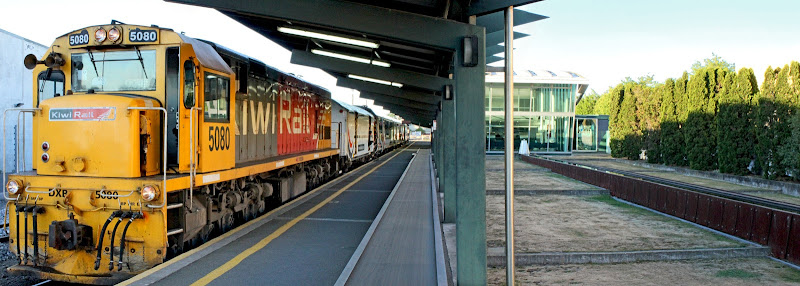
TranzAlpine: Scenic Train Christchurch - Greymouth

Bournemouth Aviation Museum
Find Accommodations Nearby
Recommended Tours & Activities
Visitor Reviews
There are no reviews yet. Be the first one to write one.
Share Your Experience
Have you visited Quake City? Help other travelers by leaving a review.