
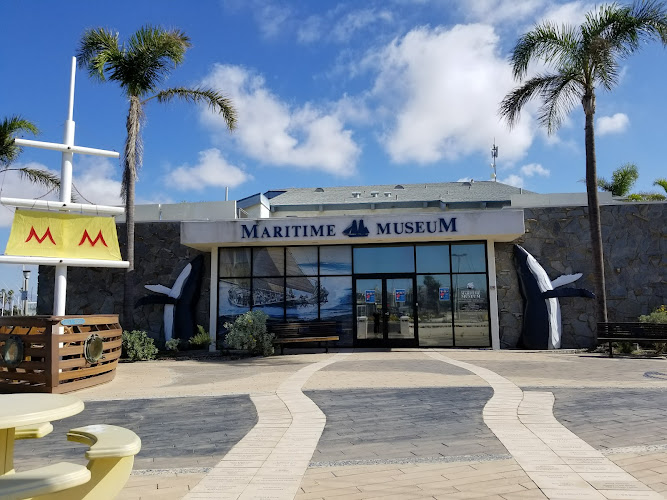
Channel Islands Maritime Museum
About Channel Islands Maritime Museum
Description
The Channel Islands Maritime Museum sits right by the harbor, and honestly, that location alone does half the storytelling. You can hear rigging clinking, smell the salt, and watch boats drift by while you’re learning about the region’s seafaring past. This museum isn’t flashy or over-produced, and that’s exactly its charm. It focuses on maritime history, culture, and art, and it does so in a way that feels grounded, personal, and real. You won’t find giant touchscreens yelling facts at you. Instead, you get ship models crafted with care, paintings that capture life at sea, and exhibits that quietly pull you in.
What stands out is how much local pride is woven into the experience. The Channel Islands have a deep relationship with the ocean, from fishing and trade to exploration and, yeah, the occasional shipwreck. The museum tells those stories without sugarcoating them. Some exhibits feel almost like conversations with old sailors. I remember standing in front of a detailed ship model and thinking how many hours someone must’ve spent getting every rope just right. It slows you down, in a good way. Travelers who like meaningful experiences, not just box-checking attractions, tend to linger here longer than planned.
It’s also refreshingly approachable. Families, solo travelers, history buffs, and even people who claim they’re “not really museum people” usually find something that clicks. The museum balances education with atmosphere, and while there’s an admission fee, it feels fair given the care put into the space. Plus, the free on-site parking is a small but mighty perk if you’ve been circling coastal lots all day like I have before.
Key Features
- Detailed ship models showcasing historical vessels and craftsmanship that’s easy to admire up close
- Maritime art exhibits that reflect life, labor, and imagination tied to the sea
- Live performances and special events that add an unexpected layer to the visit
- Guided tours available for those who like context and storytelling woven together
- Wheelchair accessible entrance, restrooms, and parking, making the museum genuinely inclusive
- Gift shop with nautical-themed items that aren’t the usual forgettable souvenirs
- Kid-friendly exhibits that spark curiosity without turning the place into chaos
- Harbor-side setting that lets you step outside and immediately connect exhibits to real life
Best Time to Visit
Timing matters here, mostly because the museum pairs so well with the harbor atmosphere. Late morning to early afternoon is ideal if you want natural light spilling into the exhibits and time to stroll outside afterward. Weekdays are quieter, and if you’re anything like me, you’ll appreciate being able to stand in front of an exhibit without feeling rushed or crowded. On weekends, especially during peak travel seasons, the museum sees more families and tour groups, which can be lively but also a bit noisy.
Seasonally, spring and fall hit a sweet spot. The weather’s comfortable, the harbor is active, and the museum doesn’t feel overwhelmed. Summer brings more visitors, and while that energy can be fun, it’s also when patience is required. Winter is underrated though. Fewer crowds, calmer seas, and a cozy feeling inside the museum make it a surprisingly good time to visit. And if there’s a live performance scheduled, that alone can tip the scales for choosing a specific day.
If you’re planning a broader Channel Islands itinerary, slotting the museum earlier in your trip works well. It gives context to boat tours, coastal hikes, and harbor walks later on. I’ve done it the other way around too, and found myself wishing I’d learned the backstory first. Live and learn, right?
How to Get There
Getting to the Channel Islands Maritime Museum is pretty straightforward, especially if you’re already exploring the coast. Most travelers arrive by car, and the on-site free parking is a gift, no exaggeration. Coastal parking can be a nightmare elsewhere, so being able to pull in, park, and forget about your car for a while is a relief. If you’re using rideshare services, drop-off is easy since the museum is well-known in the area.
Public transportation can work, depending on where you’re staying, but it usually involves a bit of walking near the harbor. Honestly, that walk is part of the experience. You’ll pass boats, marinas, maybe even a fisherman cleaning his catch. It sets the mood before you even step inside. For cyclists, the surrounding area is bike-friendly, and locking up nearby is usually no problem.
Once you arrive, the layout is simple. Clear signage, accessible pathways, and staff who actually seem happy to answer questions. And yes, I’ve asked some pretty random ones before. They didn’t blink.
Tips for Visiting
First tip, give yourself more time than you think you’ll need. This isn’t a massive museum, but it has a way of slowing you down. You’ll stop to read plaques, lean in to inspect ship details, and maybe get caught in a conversation with a docent who knows their stuff. An hour is the bare minimum. Two hours feels right if you want to enjoy it fully.
If you’re traveling with kids, let them lead a bit. The museum is good for kids, but not in a loud, overstimulating way. Encourage them to ask questions or pick their favorite ship model. When I visited with my niece, she became obsessed with one tiny lifeboat and made us read everything about it. Totally worth it.
Check the schedule for live performances or special events before you go. They’re not daily, but when they happen, they add a whole new dimension. Music, storytelling, or demonstrations make the history feel alive. But also, manage expectations. Some visitors expect high-tech displays and leave a little underwhelmed. This place is more about authenticity than spectacle.
Wear comfortable shoes. Sounds obvious, but between standing, walking, and wandering outside by the harbor, you’ll thank yourself later. And bring a light jacket. Even on warm days, coastal breezes sneak up on you. I’ve learned that lesson the hard way, more than once.
Finally, take a moment after your visit to just sit near the water. Let what you’ve seen sink in. The Channel Islands Maritime Museum isn’t about rushing through history. It’s about understanding a place through its relationship with the sea. And when you watch the boats glide by afterward, you’ll see them a little differently. That’s the kind of travel memory that sticks, long after the photos are forgotten.
Key Features
- Detailed ship models showcasing historical vessels and craftsmanship that’s easy to admire up close
- Maritime art exhibits that reflect life, labor, and imagination tied to the sea
- Live performances and special events that add an unexpected layer to the visit
- Guided tours available for those who like context and storytelling woven together
- Wheelchair accessible entrance, restrooms, and parking, making the museum genuinely inclusive
- Gift shop with nautical-themed items that aren’t the usual forgettable souvenirs
- Kid-friendly exhibits that spark curiosity without turning the place into chaos
- Harbor-side setting that lets you step outside and immediately connect exhibits to real life
More Details
Updated December 31, 2025
Table of Contents
Description
The Channel Islands Maritime Museum sits right by the harbor, and honestly, that location alone does half the storytelling. You can hear rigging clinking, smell the salt, and watch boats drift by while you’re learning about the region’s seafaring past. This museum isn’t flashy or over-produced, and that’s exactly its charm. It focuses on maritime history, culture, and art, and it does so in a way that feels grounded, personal, and real. You won’t find giant touchscreens yelling facts at you. Instead, you get ship models crafted with care, paintings that capture life at sea, and exhibits that quietly pull you in.
What stands out is how much local pride is woven into the experience. The Channel Islands have a deep relationship with the ocean, from fishing and trade to exploration and, yeah, the occasional shipwreck. The museum tells those stories without sugarcoating them. Some exhibits feel almost like conversations with old sailors. I remember standing in front of a detailed ship model and thinking how many hours someone must’ve spent getting every rope just right. It slows you down, in a good way. Travelers who like meaningful experiences, not just box-checking attractions, tend to linger here longer than planned.
It’s also refreshingly approachable. Families, solo travelers, history buffs, and even people who claim they’re “not really museum people” usually find something that clicks. The museum balances education with atmosphere, and while there’s an admission fee, it feels fair given the care put into the space. Plus, the free on-site parking is a small but mighty perk if you’ve been circling coastal lots all day like I have before.
Key Features
- Detailed ship models showcasing historical vessels and craftsmanship that’s easy to admire up close
- Maritime art exhibits that reflect life, labor, and imagination tied to the sea
- Live performances and special events that add an unexpected layer to the visit
- Guided tours available for those who like context and storytelling woven together
- Wheelchair accessible entrance, restrooms, and parking, making the museum genuinely inclusive
- Gift shop with nautical-themed items that aren’t the usual forgettable souvenirs
- Kid-friendly exhibits that spark curiosity without turning the place into chaos
- Harbor-side setting that lets you step outside and immediately connect exhibits to real life
Best Time to Visit
Timing matters here, mostly because the museum pairs so well with the harbor atmosphere. Late morning to early afternoon is ideal if you want natural light spilling into the exhibits and time to stroll outside afterward. Weekdays are quieter, and if you’re anything like me, you’ll appreciate being able to stand in front of an exhibit without feeling rushed or crowded. On weekends, especially during peak travel seasons, the museum sees more families and tour groups, which can be lively but also a bit noisy.
Seasonally, spring and fall hit a sweet spot. The weather’s comfortable, the harbor is active, and the museum doesn’t feel overwhelmed. Summer brings more visitors, and while that energy can be fun, it’s also when patience is required. Winter is underrated though. Fewer crowds, calmer seas, and a cozy feeling inside the museum make it a surprisingly good time to visit. And if there’s a live performance scheduled, that alone can tip the scales for choosing a specific day.
If you’re planning a broader Channel Islands itinerary, slotting the museum earlier in your trip works well. It gives context to boat tours, coastal hikes, and harbor walks later on. I’ve done it the other way around too, and found myself wishing I’d learned the backstory first. Live and learn, right?
How to Get There
Getting to the Channel Islands Maritime Museum is pretty straightforward, especially if you’re already exploring the coast. Most travelers arrive by car, and the on-site free parking is a gift, no exaggeration. Coastal parking can be a nightmare elsewhere, so being able to pull in, park, and forget about your car for a while is a relief. If you’re using rideshare services, drop-off is easy since the museum is well-known in the area.
Public transportation can work, depending on where you’re staying, but it usually involves a bit of walking near the harbor. Honestly, that walk is part of the experience. You’ll pass boats, marinas, maybe even a fisherman cleaning his catch. It sets the mood before you even step inside. For cyclists, the surrounding area is bike-friendly, and locking up nearby is usually no problem.
Once you arrive, the layout is simple. Clear signage, accessible pathways, and staff who actually seem happy to answer questions. And yes, I’ve asked some pretty random ones before. They didn’t blink.
Tips for Visiting
First tip, give yourself more time than you think you’ll need. This isn’t a massive museum, but it has a way of slowing you down. You’ll stop to read plaques, lean in to inspect ship details, and maybe get caught in a conversation with a docent who knows their stuff. An hour is the bare minimum. Two hours feels right if you want to enjoy it fully.
If you’re traveling with kids, let them lead a bit. The museum is good for kids, but not in a loud, overstimulating way. Encourage them to ask questions or pick their favorite ship model. When I visited with my niece, she became obsessed with one tiny lifeboat and made us read everything about it. Totally worth it.
Check the schedule for live performances or special events before you go. They’re not daily, but when they happen, they add a whole new dimension. Music, storytelling, or demonstrations make the history feel alive. But also, manage expectations. Some visitors expect high-tech displays and leave a little underwhelmed. This place is more about authenticity than spectacle.
Wear comfortable shoes. Sounds obvious, but between standing, walking, and wandering outside by the harbor, you’ll thank yourself later. And bring a light jacket. Even on warm days, coastal breezes sneak up on you. I’ve learned that lesson the hard way, more than once.
Finally, take a moment after your visit to just sit near the water. Let what you’ve seen sink in. The Channel Islands Maritime Museum isn’t about rushing through history. It’s about understanding a place through its relationship with the sea. And when you watch the boats glide by afterward, you’ll see them a little differently. That’s the kind of travel memory that sticks, long after the photos are forgotten.
Key Highlights
- Detailed ship models showcasing historical vessels and craftsmanship that’s easy to admire up close
- Maritime art exhibits that reflect life, labor, and imagination tied to the sea
- Live performances and special events that add an unexpected layer to the visit
- Guided tours available for those who like context and storytelling woven together
- Wheelchair accessible entrance, restrooms, and parking, making the museum genuinely inclusive
- Gift shop with nautical-themed items that aren’t the usual forgettable souvenirs
- Kid-friendly exhibits that spark curiosity without turning the place into chaos
- Harbor-side setting that lets you step outside and immediately connect exhibits to real life
Location
Places to Stay Near Channel Islands Maritime Museum
Find and Book a Tour
Explore More Travel Guides
No reviews found! Be the first to review!
Traveler Reviews for Channel Islands Maritime Museum
There are no reviews yet. Be the first one to write one.
Have you visited Channel Islands Maritime Museum? Help other travelers by sharing your review.
You Might Also Like
La Jenelle Park

Garden City Acres Park

Westport @ Mandalay Bay Park
Find Accommodations Nearby
Recommended Tours & Activities
Visitor Reviews
There are no reviews yet. Be the first one to write one.
Share Your Experience
Have you visited Channel Islands Maritime Museum? Help other travelers by leaving a review.