

Yasuura 2 Chome
About Yasuura 2 Chome
Description
Yasuura 2 Chome is, at first glance, just a bus stop. But if you’ve spent any real time traveling around Japan, you already know that bus stops often say a lot about a neighborhood. This one does too. Yasuura 2 Chome serves as a quiet connector for daily life rather than a flashy landmark, and honestly, that’s part of its charm. It’s the kind of place where school kids line up in the morning, office workers scroll their phones with a coffee in hand, and the occasional traveler stands there squinting at a route map, wondering if they’re on the right side of the street. I’ve been that traveler more than once, trust me.
The area around the stop feels lived-in. You won’t find souvenir shops screaming for attention, and that’s refreshing. Instead, there’s a sense of routine and normalcy. For visitors who want to see how local neighborhoods actually function, Yasuura 2 Chome quietly delivers. The bus stop supports transit IC cards, which is a lifesaver if you’re bouncing around cities and don’t want to fuss with cash every single time. Tap, board, and you’re on your way. Simple, efficient, very Japan.
What stands out most is how unassuming it is. And I mean that in a good way. Some places try too hard to impress. This one doesn’t care. It exists to get people from point A to point B, and it does that job reliably. The surrounding streets have that slightly worn-in look, like a favorite jacket. Not shiny, but comfortable. If you’re the kind of traveler who enjoys observing everyday rhythms rather than ticking off big-name attractions, this stop becomes oddly memorable.
There’s also a subtle calm here. Even during busier times, it rarely feels chaotic. Buses come, people board, life continues. I once waited here on a drizzly afternoon, watching rain bead up on the pavement while an elderly couple chatted softly beside me. No rush, no stress. Moments like that stick with you, even if you can’t fully explain why.
Key Features
- Supports transit IC cards, making boarding fast and hassle-free for travelers
- Located in a residential area that offers a genuine look at everyday local life
- Generally calm atmosphere with predictable bus schedules
- Useful connection point for exploring nearby districts without relying on trains
- Clean and functional layout typical of well-maintained Japanese bus stops
Best Time to Visit
Since Yasuura 2 Chome is a bus stop, you’re not really “visiting” it in the traditional sense. You’re passing through. Still, timing matters. Early mornings are busy but oddly pleasant. There’s energy in the air as people head to work or school, and if you enjoy people-watching, this is prime time. Just be mindful to stand where you’re supposed to; locals appreciate that, and it helps you blend in.
Midday is quieter and probably the most comfortable for travelers. Fewer commuters, less pressure, more breathing room. If you’re unfamiliar with the routes or just want a relaxed experience, aim for late morning to early afternoon. That’s usually when I feel most at ease navigating new areas. There’s something about softer light and slower foot traffic that makes everything feel manageable.
Evenings pick up again, especially around typical workday end times. It’s still orderly, but you’ll want to be ready to board quickly. Nighttime is calm but subdued. The area doesn’t transform into anything dramatic after dark, and that’s okay. It stays true to itself.
Seasonally, spring and autumn are the most comfortable. Summers can be humid, and waiting for a bus in sticky weather is nobody’s idea of fun. Winters are manageable, though you’ll want to bundle up. I once underestimated the cold while standing still at a stop like this, and let’s just say I regretted my fashion choices.
How to Get There
Getting to Yasuura 2 Chome is straightforward if you’re already using local bus networks. It’s designed for regular use, not confusion. Buses serving residential routes stop here, and signage is clear enough even if your Japanese is limited. If you’ve got a transit IC card, you’re golden. Just tap when boarding and tap again when you get off, depending on the system in use.
If you’re coming from a train station, you’ll likely transfer to a bus that services the surrounding neighborhood. This is common in areas where trains don’t reach every corner. Don’t be intimidated. Bus drivers are used to confused faces. I’ve pointed at maps, mispronounced stop names, and still gotten where I needed to go. A little patience goes a long way.
Walking is also an option if you’re staying nearby. The streets are generally pedestrian-friendly, and walking gives you a better sense of the area. I often prefer this, even if it takes longer. You notice small things that way, like neighborhood gardens or handwritten notices posted near homes.
Just remember that buses in Japan are punctual. If the schedule says it arrives at a certain time, believe it. Arrive a few minutes early, especially if you’re unfamiliar with the stop layout. Missing a bus by thirty seconds feels way worse than waiting an extra five minutes.
Tips for Visiting
First tip, and this is a big one: have your IC card ready before the bus arrives. Fumbling at the door slows everyone down, and while no one will yell at you, you’ll feel those polite-but-pointed glances. I’ve been there. Learned my lesson fast.
Stand in line where indicated. Even if there’s no painted line, locals usually form one naturally. Follow their lead. It’s one of those unspoken rules that makes everything run smoothly.
Don’t expect tourist information boards or English-heavy signage. This stop caters to residents. That’s part of its appeal, but it means you should check your route in advance. Screenshots on your phone help, especially if signal drops.
Be mindful of noise. Loud phone calls or speaker audio are frowned upon. It’s a small thing, but respecting it makes your experience smoother and more pleasant.
Lastly, give yourself permission to enjoy the mundane. Yasuura 2 Chome isn’t about spectacle. It’s about movement, routine, and those in-between moments that make travel feel real. Sometimes the places you remember most aren’t the big attractions, but the quiet bus stops where you waited, watched, and felt, just for a moment, like part of the neighborhood.
Key Features
- Supports transit IC cards, making boarding fast and hassle-free for travelers
- Located in a residential area that offers a genuine look at everyday local life
- Generally calm atmosphere with predictable bus schedules
- Useful connection point for exploring nearby districts without relying on trains
- Clean and functional layout typical of well-maintained Japanese bus stops
More Details
Updated December 31, 2025
Table of Contents
Description
Yasuura 2 Chome is, at first glance, just a bus stop. But if you’ve spent any real time traveling around Japan, you already know that bus stops often say a lot about a neighborhood. This one does too. Yasuura 2 Chome serves as a quiet connector for daily life rather than a flashy landmark, and honestly, that’s part of its charm. It’s the kind of place where school kids line up in the morning, office workers scroll their phones with a coffee in hand, and the occasional traveler stands there squinting at a route map, wondering if they’re on the right side of the street. I’ve been that traveler more than once, trust me.
The area around the stop feels lived-in. You won’t find souvenir shops screaming for attention, and that’s refreshing. Instead, there’s a sense of routine and normalcy. For visitors who want to see how local neighborhoods actually function, Yasuura 2 Chome quietly delivers. The bus stop supports transit IC cards, which is a lifesaver if you’re bouncing around cities and don’t want to fuss with cash every single time. Tap, board, and you’re on your way. Simple, efficient, very Japan.
What stands out most is how unassuming it is. And I mean that in a good way. Some places try too hard to impress. This one doesn’t care. It exists to get people from point A to point B, and it does that job reliably. The surrounding streets have that slightly worn-in look, like a favorite jacket. Not shiny, but comfortable. If you’re the kind of traveler who enjoys observing everyday rhythms rather than ticking off big-name attractions, this stop becomes oddly memorable.
There’s also a subtle calm here. Even during busier times, it rarely feels chaotic. Buses come, people board, life continues. I once waited here on a drizzly afternoon, watching rain bead up on the pavement while an elderly couple chatted softly beside me. No rush, no stress. Moments like that stick with you, even if you can’t fully explain why.
Key Features
- Supports transit IC cards, making boarding fast and hassle-free for travelers
- Located in a residential area that offers a genuine look at everyday local life
- Generally calm atmosphere with predictable bus schedules
- Useful connection point for exploring nearby districts without relying on trains
- Clean and functional layout typical of well-maintained Japanese bus stops
Best Time to Visit
Since Yasuura 2 Chome is a bus stop, you’re not really “visiting” it in the traditional sense. You’re passing through. Still, timing matters. Early mornings are busy but oddly pleasant. There’s energy in the air as people head to work or school, and if you enjoy people-watching, this is prime time. Just be mindful to stand where you’re supposed to; locals appreciate that, and it helps you blend in.
Midday is quieter and probably the most comfortable for travelers. Fewer commuters, less pressure, more breathing room. If you’re unfamiliar with the routes or just want a relaxed experience, aim for late morning to early afternoon. That’s usually when I feel most at ease navigating new areas. There’s something about softer light and slower foot traffic that makes everything feel manageable.
Evenings pick up again, especially around typical workday end times. It’s still orderly, but you’ll want to be ready to board quickly. Nighttime is calm but subdued. The area doesn’t transform into anything dramatic after dark, and that’s okay. It stays true to itself.
Seasonally, spring and autumn are the most comfortable. Summers can be humid, and waiting for a bus in sticky weather is nobody’s idea of fun. Winters are manageable, though you’ll want to bundle up. I once underestimated the cold while standing still at a stop like this, and let’s just say I regretted my fashion choices.
How to Get There
Getting to Yasuura 2 Chome is straightforward if you’re already using local bus networks. It’s designed for regular use, not confusion. Buses serving residential routes stop here, and signage is clear enough even if your Japanese is limited. If you’ve got a transit IC card, you’re golden. Just tap when boarding and tap again when you get off, depending on the system in use.
If you’re coming from a train station, you’ll likely transfer to a bus that services the surrounding neighborhood. This is common in areas where trains don’t reach every corner. Don’t be intimidated. Bus drivers are used to confused faces. I’ve pointed at maps, mispronounced stop names, and still gotten where I needed to go. A little patience goes a long way.
Walking is also an option if you’re staying nearby. The streets are generally pedestrian-friendly, and walking gives you a better sense of the area. I often prefer this, even if it takes longer. You notice small things that way, like neighborhood gardens or handwritten notices posted near homes.
Just remember that buses in Japan are punctual. If the schedule says it arrives at a certain time, believe it. Arrive a few minutes early, especially if you’re unfamiliar with the stop layout. Missing a bus by thirty seconds feels way worse than waiting an extra five minutes.
Tips for Visiting
First tip, and this is a big one: have your IC card ready before the bus arrives. Fumbling at the door slows everyone down, and while no one will yell at you, you’ll feel those polite-but-pointed glances. I’ve been there. Learned my lesson fast.
Stand in line where indicated. Even if there’s no painted line, locals usually form one naturally. Follow their lead. It’s one of those unspoken rules that makes everything run smoothly.
Don’t expect tourist information boards or English-heavy signage. This stop caters to residents. That’s part of its appeal, but it means you should check your route in advance. Screenshots on your phone help, especially if signal drops.
Be mindful of noise. Loud phone calls or speaker audio are frowned upon. It’s a small thing, but respecting it makes your experience smoother and more pleasant.
Lastly, give yourself permission to enjoy the mundane. Yasuura 2 Chome isn’t about spectacle. It’s about movement, routine, and those in-between moments that make travel feel real. Sometimes the places you remember most aren’t the big attractions, but the quiet bus stops where you waited, watched, and felt, just for a moment, like part of the neighborhood.
Key Highlights
- Supports transit IC cards, making boarding fast and hassle-free for travelers
- Located in a residential area that offers a genuine look at everyday local life
- Generally calm atmosphere with predictable bus schedules
- Useful connection point for exploring nearby districts without relying on trains
- Clean and functional layout typical of well-maintained Japanese bus stops
Location
Places to Stay Near Yasuura 2 Chome
Find and Book a Tour
Explore More Travel Guides
No reviews found! Be the first to review!
Traveler Reviews for Yasuura 2 Chome
There are no reviews yet. Be the first one to write one.
Have you visited Yasuura 2 Chome? Help other travelers by sharing your review.
You Might Also Like
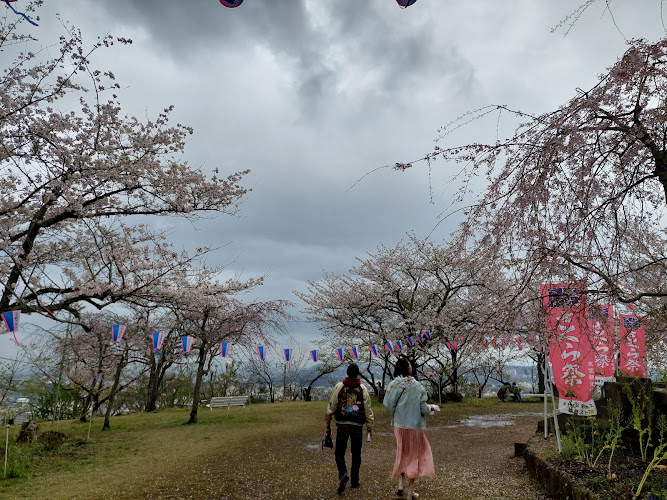
Kinugasa Yama Park
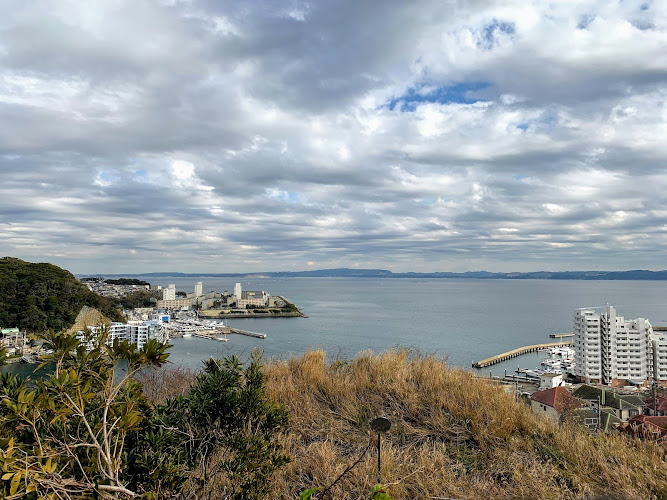
Atagoyama Park
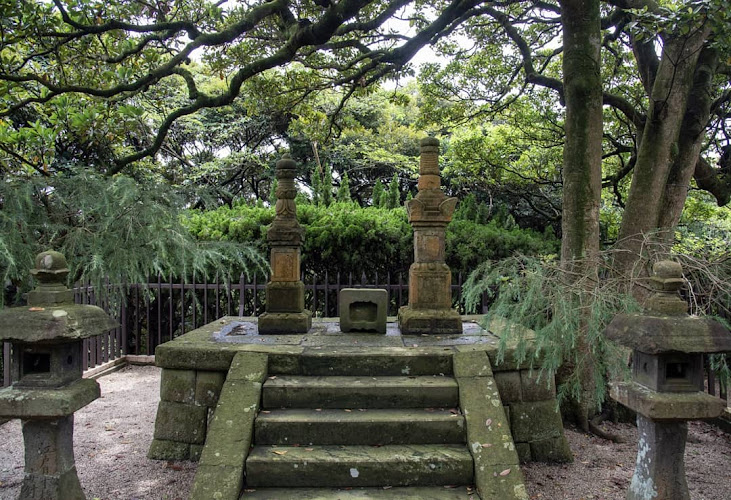
Tsukayama Park
Find Accommodations Nearby
Recommended Tours & Activities
Visitor Reviews
There are no reviews yet. Be the first one to write one.
Share Your Experience
Have you visited Yasuura 2 Chome? Help other travelers by leaving a review.