
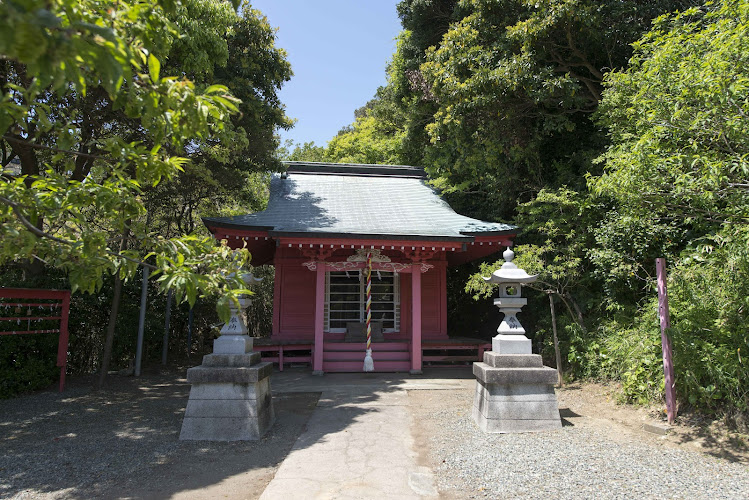
Awashima Shrine
About Awashima Shrine
Description
Awashima Shrine is one of those places that quietly sticks with you, even if you don’t realize it until weeks later when you’re flipping through photos or thinking about that one afternoon that felt oddly calm. It’s a Shinto shrine, yes, but it also works as a kind of cultural mirror, reflecting Japan’s deep relationship with objects, memory, and ritual. Travelers often come here curious, maybe a bit unsure what to expect, and leave with a sense that they’ve witnessed something intimate rather than flashy.
The shrine is best known for its connection to dolls and personal belongings, particularly those tied to women’s health, family life, and protection. Thousands upon thousands of dolls are placed around the grounds. Old dolls, cherished dolls, slightly creepy dolls, beautifully crafted dolls. At first glance, it can feel overwhelming. And honestly, the first time I visited a shrine like this, I remember stopping in my tracks thinking, wow, that’s… a lot of eyes looking back at me. But after a few minutes, the feeling shifts. Instead of eerie, it becomes strangely respectful. Each doll represents a story, a household, a moment someone didn’t want to throw away without care.
Awashima Shrine doesn’t shout for attention. It doesn’t try to entertain you. And that’s kind of the point. It’s a place where everyday faith is on display, not polished for tourists but still open to them. Travelers who enjoy quieter attractions, places where you’re encouraged to slow down and observe, tend to appreciate it most. If you’re expecting a big spectacle, you might find it modest. But if you’re open to subtlety, this shrine delivers more than expected.
There’s also a gentle emotional undertone here. The shrine is associated with prayers for health, safe childbirth, and well-being. You’ll notice offerings and ema plaques that feel personal rather than generic. Some visitors linger longer than planned. Others breeze through. Both reactions are fair. It’s that kind of place. Not everyone connects deeply, but those who do, really do.
Key Features
- Large collection of traditional Japanese dolls placed as offerings, creating a unique visual and cultural experience
- Strong association with women’s health, fertility, and family-related prayers
- Quiet shrine grounds that encourage reflection rather than rushed sightseeing
- Seasonal rituals and ceremonies that offer insight into local religious practices
- Photogenic details for travelers interested in cultural photography, though respectful behavior is essential
- Atmosphere that feels more personal and lived-in than many major shrines
One thing worth mentioning here, and it’s something guidebooks often gloss over, is how emotionally layered the doll displays are. These aren’t decorations curated by designers. They’re accumulated over time. Some dolls are missing an eye, some are sun-faded, some look brand new. And that imperfection is kind of the whole story. It’s memory made visible.
Best Time to Visit
Timing matters at Awashima Shrine, but not in the usual crowd-avoidance way. Because it’s not one of the most heavily trafficked tourist attractions, you’re unlikely to face massive crowds regardless. Still, certain seasons bring out different moods.
Spring is gentle and probably the easiest time for first-time visitors. The weather is mild, the grounds feel fresh, and if you’re already traveling around Japan during cherry blossom season, adding Awashima Shrine feels like a calmer counterpoint to the busier spots. Summer can be hot and humid, and while the shrine remains open and active, it’s not the most comfortable time to linger outdoors. I’ve done it once in mid-summer and regretted not bringing more water. Lesson learned.
Autumn is arguably the most rewarding. The changing leaves add a layer of color and softness to the shrine’s atmosphere, and the cooler air makes it easier to walk slowly, read signs, and actually think. Winter visits are quieter still. There’s something stark and honest about seeing the dolls against a colder, barer backdrop. Just bundle up.
Festivals and ceremonial days can bring more locals, which is a plus if you’re interested in observing real religious practice. But if you prefer solitude, aim for a weekday morning. Early hours often feel almost private, like you’ve stumbled into someone’s personal place of prayer.
How to Get There
Reaching Awashima Shrine typically involves a mix of public transport and a short walk. It’s not the kind of place you accidentally wander into, but it’s also not difficult if you plan even a little. Trains and buses in the region are reliable, and signage tends to be decent, though not always in English. This is where having offline maps on your phone helps. Trust me on that one. I once confidently followed a sign only to realize ten minutes later it was pointing to something entirely different. Happens.
Once you arrive in the general area, the approach to the shrine is part of the experience. Streets tend to get quieter, and there’s a noticeable shift away from commercial noise. That transition feels intentional, like you’re being eased into a different mindset. For travelers renting cars, access is straightforward, but parking facilities are limited and not designed for large volumes. Public transport remains the smoother option.
Be aware that accessibility is limited. The grounds include steps and uneven paths, and there are no dedicated wheelchair-friendly entrances or parking areas. This is important to factor into your planning if mobility is a concern.
Tips for Visiting
First, give yourself permission to take your time. Awashima Shrine isn’t about ticking boxes or snapping a quick photo and leaving. Walk slowly. Pause. Look closely at the offerings. Some of the most interesting details are easy to miss if you rush.
Photography is generally allowed, but common sense applies. Avoid intrusive close-ups of people praying, and remember that many of the dolls are offerings tied to personal stories. Treat the space like someone’s living room, not a museum. I always ask myself, would I be okay with someone doing this at a place that mattered to me? If the answer’s no, I lower the camera.
Dress comfortably and modestly. This isn’t a strict shrine in terms of dress code, but respectful attire helps you blend in and feel more at ease. Comfortable shoes are a must. Paths can be uneven, and you’ll likely be standing more than you expect.
If you’re interested in the spiritual side, consider purchasing a small charm or ema plaque. Writing a wish, even if you’re not religious, can feel surprisingly grounding. I’m not particularly spiritual myself, but there’s something about the act that makes you slow down and articulate what you actually hope for. That alone feels worth it.
Lastly, don’t overhype it in your own head. Awashima Shrine isn’t dramatic in the way famous temples are. And that’s okay. Go in with curiosity rather than expectations. Some travelers leave deeply moved. Others simply appreciate the cultural insight and move on. Both experiences are valid. But if you let the place be what it is, there’s a good chance it’ll linger in your memory longer than you expect.
In a travel itinerary packed with neon lights, crowded crossings, and constant motion, Awashima Shrine offers a pause. Not a spectacle, not a show. Just a quiet conversation between past and present. And sometimes, that’s exactly what a trip needs.
Key Features
- Large collection of traditional Japanese dolls placed as offerings, creating a unique visual and cultural experience
- Strong association with women’s health, fertility, and family-related prayers
- Quiet shrine grounds that encourage reflection rather than rushed sightseeing
- Seasonal rituals and ceremonies that offer insight into local religious practices
- Photogenic details for travelers interested in cultural photography, though respectful behavior is essential
- Atmosphere that feels more personal and lived-in than many major shrines
More Details
Updated December 31, 2025
Table of Contents
Description
Awashima Shrine is one of those places that quietly sticks with you, even if you don’t realize it until weeks later when you’re flipping through photos or thinking about that one afternoon that felt oddly calm. It’s a Shinto shrine, yes, but it also works as a kind of cultural mirror, reflecting Japan’s deep relationship with objects, memory, and ritual. Travelers often come here curious, maybe a bit unsure what to expect, and leave with a sense that they’ve witnessed something intimate rather than flashy.
The shrine is best known for its connection to dolls and personal belongings, particularly those tied to women’s health, family life, and protection. Thousands upon thousands of dolls are placed around the grounds. Old dolls, cherished dolls, slightly creepy dolls, beautifully crafted dolls. At first glance, it can feel overwhelming. And honestly, the first time I visited a shrine like this, I remember stopping in my tracks thinking, wow, that’s… a lot of eyes looking back at me. But after a few minutes, the feeling shifts. Instead of eerie, it becomes strangely respectful. Each doll represents a story, a household, a moment someone didn’t want to throw away without care.
Awashima Shrine doesn’t shout for attention. It doesn’t try to entertain you. And that’s kind of the point. It’s a place where everyday faith is on display, not polished for tourists but still open to them. Travelers who enjoy quieter attractions, places where you’re encouraged to slow down and observe, tend to appreciate it most. If you’re expecting a big spectacle, you might find it modest. But if you’re open to subtlety, this shrine delivers more than expected.
There’s also a gentle emotional undertone here. The shrine is associated with prayers for health, safe childbirth, and well-being. You’ll notice offerings and ema plaques that feel personal rather than generic. Some visitors linger longer than planned. Others breeze through. Both reactions are fair. It’s that kind of place. Not everyone connects deeply, but those who do, really do.
Key Features
- Large collection of traditional Japanese dolls placed as offerings, creating a unique visual and cultural experience
- Strong association with women’s health, fertility, and family-related prayers
- Quiet shrine grounds that encourage reflection rather than rushed sightseeing
- Seasonal rituals and ceremonies that offer insight into local religious practices
- Photogenic details for travelers interested in cultural photography, though respectful behavior is essential
- Atmosphere that feels more personal and lived-in than many major shrines
One thing worth mentioning here, and it’s something guidebooks often gloss over, is how emotionally layered the doll displays are. These aren’t decorations curated by designers. They’re accumulated over time. Some dolls are missing an eye, some are sun-faded, some look brand new. And that imperfection is kind of the whole story. It’s memory made visible.
Best Time to Visit
Timing matters at Awashima Shrine, but not in the usual crowd-avoidance way. Because it’s not one of the most heavily trafficked tourist attractions, you’re unlikely to face massive crowds regardless. Still, certain seasons bring out different moods.
Spring is gentle and probably the easiest time for first-time visitors. The weather is mild, the grounds feel fresh, and if you’re already traveling around Japan during cherry blossom season, adding Awashima Shrine feels like a calmer counterpoint to the busier spots. Summer can be hot and humid, and while the shrine remains open and active, it’s not the most comfortable time to linger outdoors. I’ve done it once in mid-summer and regretted not bringing more water. Lesson learned.
Autumn is arguably the most rewarding. The changing leaves add a layer of color and softness to the shrine’s atmosphere, and the cooler air makes it easier to walk slowly, read signs, and actually think. Winter visits are quieter still. There’s something stark and honest about seeing the dolls against a colder, barer backdrop. Just bundle up.
Festivals and ceremonial days can bring more locals, which is a plus if you’re interested in observing real religious practice. But if you prefer solitude, aim for a weekday morning. Early hours often feel almost private, like you’ve stumbled into someone’s personal place of prayer.
How to Get There
Reaching Awashima Shrine typically involves a mix of public transport and a short walk. It’s not the kind of place you accidentally wander into, but it’s also not difficult if you plan even a little. Trains and buses in the region are reliable, and signage tends to be decent, though not always in English. This is where having offline maps on your phone helps. Trust me on that one. I once confidently followed a sign only to realize ten minutes later it was pointing to something entirely different. Happens.
Once you arrive in the general area, the approach to the shrine is part of the experience. Streets tend to get quieter, and there’s a noticeable shift away from commercial noise. That transition feels intentional, like you’re being eased into a different mindset. For travelers renting cars, access is straightforward, but parking facilities are limited and not designed for large volumes. Public transport remains the smoother option.
Be aware that accessibility is limited. The grounds include steps and uneven paths, and there are no dedicated wheelchair-friendly entrances or parking areas. This is important to factor into your planning if mobility is a concern.
Tips for Visiting
First, give yourself permission to take your time. Awashima Shrine isn’t about ticking boxes or snapping a quick photo and leaving. Walk slowly. Pause. Look closely at the offerings. Some of the most interesting details are easy to miss if you rush.
Photography is generally allowed, but common sense applies. Avoid intrusive close-ups of people praying, and remember that many of the dolls are offerings tied to personal stories. Treat the space like someone’s living room, not a museum. I always ask myself, would I be okay with someone doing this at a place that mattered to me? If the answer’s no, I lower the camera.
Dress comfortably and modestly. This isn’t a strict shrine in terms of dress code, but respectful attire helps you blend in and feel more at ease. Comfortable shoes are a must. Paths can be uneven, and you’ll likely be standing more than you expect.
If you’re interested in the spiritual side, consider purchasing a small charm or ema plaque. Writing a wish, even if you’re not religious, can feel surprisingly grounding. I’m not particularly spiritual myself, but there’s something about the act that makes you slow down and articulate what you actually hope for. That alone feels worth it.
Lastly, don’t overhype it in your own head. Awashima Shrine isn’t dramatic in the way famous temples are. And that’s okay. Go in with curiosity rather than expectations. Some travelers leave deeply moved. Others simply appreciate the cultural insight and move on. Both experiences are valid. But if you let the place be what it is, there’s a good chance it’ll linger in your memory longer than you expect.
In a travel itinerary packed with neon lights, crowded crossings, and constant motion, Awashima Shrine offers a pause. Not a spectacle, not a show. Just a quiet conversation between past and present. And sometimes, that’s exactly what a trip needs.
Key Highlights
- Large collection of traditional Japanese dolls placed as offerings, creating a unique visual and cultural experience
- Strong association with women’s health, fertility, and family-related prayers
- Quiet shrine grounds that encourage reflection rather than rushed sightseeing
- Seasonal rituals and ceremonies that offer insight into local religious practices
- Photogenic details for travelers interested in cultural photography, though respectful behavior is essential
- Atmosphere that feels more personal and lived-in than many major shrines
Location
Places to Stay Near Awashima Shrine
Find and Book a Tour
Explore More Travel Guides
No reviews found! Be the first to review!
Traveler Reviews for Awashima Shrine
There are no reviews yet. Be the first one to write one.
Have you visited Awashima Shrine? Help other travelers by sharing your review.
You Might Also Like
Heiseicho

Kannonzaki Boardwalk

Yasuura 2 Chome
Find Accommodations Nearby
Recommended Tours & Activities
Visitor Reviews
There are no reviews yet. Be the first one to write one.
Share Your Experience
Have you visited Awashima Shrine? Help other travelers by leaving a review.