
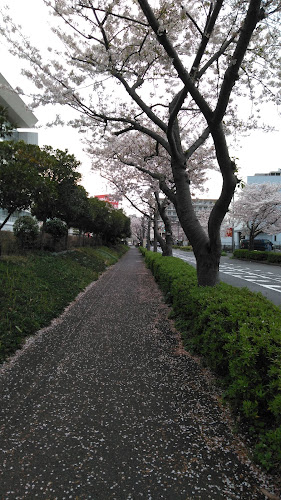
Heiseicho
About Heiseicho
Description
Heiseicho isn’t the sort of place that jumps out at you from glossy travel brochures. And honestly, that’s part of the appeal. This neighborhood carries itself quietly, almost shyly, with a kind of everyday honesty that I personally find refreshing after too many stops in over-curated tourist zones. Heiseicho sits in Nagasaki, an area shaped deeply by modern Japanese history, and you can feel that weight in small, subtle ways rather than loud monuments everywhere you look.
Walking through Heiseicho feels like stepping into a working slice of the city rather than a performance of it. Apartment blocks, modest shops, and pockets of greenery all sit side by side. Some travelers overlook places like this, assuming there’s “nothing to see.” But if you’re the kind of traveler who enjoys understanding how people actually live, this area quietly delivers. I remember grabbing a canned coffee from a vending machine here and watching locals hurry past on their lunch breaks. Nothing special, right? Yet that moment stuck with me more than many postcard views.
Heiseicho also carries a reflective atmosphere. It’s close enough to significant historical sites that the past is always present in the background, but it never feels overwhelming. Instead, it invites you to think, to slow down. And maybe that’s the point. This is not a place that demands your attention. It earns it slowly.
Key Features
- Residential streets that reveal everyday Nagasaki life without tourist gloss
- Easy access to historically significant areas without being crowded itself
- Small local businesses, convenience stores, and neighborhood eateries
- Wide sidewalks and open spaces that make walking comfortable
- A calm, reflective atmosphere that contrasts with busier city zones
- Seasonal changes visible in trees, parks, and small gardens
Best Time to Visit
Heiseicho doesn’t really have a “wrong” season, but your experience will change depending on when you go. Spring is gentle and probably my favorite. The air feels lighter, and you’ll notice locals lingering outdoors a bit longer. Cherry blossoms aren’t the main attraction here like in other parts of Japan, but you’ll catch them unexpectedly, peeking out from a schoolyard or lining a quiet street. Those surprise moments hit harder somehow.
Summer can be hot, no way around it. Nagasaki humidity is real, and Heiseicho is no exception. But early mornings and evenings are pleasant, and the neighborhood feels alive then. I once wandered through just after sunset in August, and the sound of cicadas was so loud it almost felt theatrical. If you’re okay with sweat and slower pacing, summer has its own charm.
Autumn is excellent for walking. Cooler temperatures make it easier to explore on foot, and the changing leaves add warmth to the otherwise understated scenery. Winter, meanwhile, is quiet. Very quiet. But if you like calm streets and fewer people around, it’s a solid choice. Just bring layers; coastal winds can sneak up on you.
How to Get There
Getting to Heiseicho is straightforward, which is another reason it works well for travelers who don’t want logistical headaches. Public transportation in Nagasaki is reliable, and buses and trams connect the area smoothly to major stations and attractions. You won’t need a car, and honestly, driving here feels unnecessary.
If you’re already exploring central Nagasaki, reaching Heiseicho usually takes under 20 minutes depending on where you start. Walking part of the way is also doable if you enjoy urban strolls. And I recommend that, actually. Approaching the neighborhood on foot gives you a better sense of how it fits into the city’s rhythm. You’ll notice transitions—from busier roads to calmer streets—that you’d miss if you just hopped off and left.
Taxis are available and affordable for short trips, but using public transport or your own two feet feels more in tune with the area. Plus, you’re more likely to stumble onto something interesting that way. That’s how I found a tiny bakery once, the kind with handwritten price tags and bread still warm at noon. No regrets.
Tips for Visiting
First tip: slow down. Heiseicho rewards patience. This is not a checklist destination. If you rush through expecting big highlights, you’ll leave disappointed. But if you give it an hour or two of unstructured wandering, things start to click. Sit on a bench. Watch people. Let the place reveal itself.
Second, be respectful with photography. This is a lived-in neighborhood, not an open-air museum. Snapping street scenes is generally fine, but avoid pointing cameras directly at people’s homes. I’ve found that a smile and a nod go a long way here. And sometimes it’s better to keep the camera in your pocket and just be present.
Third, eat locally if you can. Heiseicho doesn’t have famous restaurants, but that’s exactly why the food feels honest. Small eateries often cater to regulars, and menus might not be in English. That’s okay. Pointing, smiling, and a bit of trial-and-error usually works out. Some of my favorite meals in Japan came from places like this, where expectations were low and flavors were big.
Fourth, pair Heiseicho with nearby historical sites. Visiting emotionally heavy landmarks and then returning to a calm, everyday area helps balance the experience. I’ve done that combo before, and it gave me space to process what I’d seen instead of rushing off to the next attraction.
And lastly, don’t overshare it. This might sound strange for a travel page, but some places deserve a bit of privacy. Heiseicho feels like that. Enjoy it, appreciate it, maybe tell a friend or two. But let it remain what it is: a quiet, thoughtful part of Nagasaki that doesn’t try too hard. In a world where everything competes for attention, that restraint is powerful.
Key Features
- Residential streets that reveal everyday Nagasaki life without tourist gloss
- Easy access to historically significant areas without being crowded itself
- Small local businesses, convenience stores, and neighborhood eateries
- Wide sidewalks and open spaces that make walking comfortable
- A calm, reflective atmosphere that contrasts with busier city zones
- Seasonal changes visible in trees, parks, and small gardens
More Details
Updated December 31, 2025
Table of Contents
Description
Heiseicho isn’t the sort of place that jumps out at you from glossy travel brochures. And honestly, that’s part of the appeal. This neighborhood carries itself quietly, almost shyly, with a kind of everyday honesty that I personally find refreshing after too many stops in over-curated tourist zones. Heiseicho sits in Nagasaki, an area shaped deeply by modern Japanese history, and you can feel that weight in small, subtle ways rather than loud monuments everywhere you look.
Walking through Heiseicho feels like stepping into a working slice of the city rather than a performance of it. Apartment blocks, modest shops, and pockets of greenery all sit side by side. Some travelers overlook places like this, assuming there’s “nothing to see.” But if you’re the kind of traveler who enjoys understanding how people actually live, this area quietly delivers. I remember grabbing a canned coffee from a vending machine here and watching locals hurry past on their lunch breaks. Nothing special, right? Yet that moment stuck with me more than many postcard views.
Heiseicho also carries a reflective atmosphere. It’s close enough to significant historical sites that the past is always present in the background, but it never feels overwhelming. Instead, it invites you to think, to slow down. And maybe that’s the point. This is not a place that demands your attention. It earns it slowly.
Key Features
- Residential streets that reveal everyday Nagasaki life without tourist gloss
- Easy access to historically significant areas without being crowded itself
- Small local businesses, convenience stores, and neighborhood eateries
- Wide sidewalks and open spaces that make walking comfortable
- A calm, reflective atmosphere that contrasts with busier city zones
- Seasonal changes visible in trees, parks, and small gardens
Best Time to Visit
Heiseicho doesn’t really have a “wrong” season, but your experience will change depending on when you go. Spring is gentle and probably my favorite. The air feels lighter, and you’ll notice locals lingering outdoors a bit longer. Cherry blossoms aren’t the main attraction here like in other parts of Japan, but you’ll catch them unexpectedly, peeking out from a schoolyard or lining a quiet street. Those surprise moments hit harder somehow.
Summer can be hot, no way around it. Nagasaki humidity is real, and Heiseicho is no exception. But early mornings and evenings are pleasant, and the neighborhood feels alive then. I once wandered through just after sunset in August, and the sound of cicadas was so loud it almost felt theatrical. If you’re okay with sweat and slower pacing, summer has its own charm.
Autumn is excellent for walking. Cooler temperatures make it easier to explore on foot, and the changing leaves add warmth to the otherwise understated scenery. Winter, meanwhile, is quiet. Very quiet. But if you like calm streets and fewer people around, it’s a solid choice. Just bring layers; coastal winds can sneak up on you.
How to Get There
Getting to Heiseicho is straightforward, which is another reason it works well for travelers who don’t want logistical headaches. Public transportation in Nagasaki is reliable, and buses and trams connect the area smoothly to major stations and attractions. You won’t need a car, and honestly, driving here feels unnecessary.
If you’re already exploring central Nagasaki, reaching Heiseicho usually takes under 20 minutes depending on where you start. Walking part of the way is also doable if you enjoy urban strolls. And I recommend that, actually. Approaching the neighborhood on foot gives you a better sense of how it fits into the city’s rhythm. You’ll notice transitions—from busier roads to calmer streets—that you’d miss if you just hopped off and left.
Taxis are available and affordable for short trips, but using public transport or your own two feet feels more in tune with the area. Plus, you’re more likely to stumble onto something interesting that way. That’s how I found a tiny bakery once, the kind with handwritten price tags and bread still warm at noon. No regrets.
Tips for Visiting
First tip: slow down. Heiseicho rewards patience. This is not a checklist destination. If you rush through expecting big highlights, you’ll leave disappointed. But if you give it an hour or two of unstructured wandering, things start to click. Sit on a bench. Watch people. Let the place reveal itself.
Second, be respectful with photography. This is a lived-in neighborhood, not an open-air museum. Snapping street scenes is generally fine, but avoid pointing cameras directly at people’s homes. I’ve found that a smile and a nod go a long way here. And sometimes it’s better to keep the camera in your pocket and just be present.
Third, eat locally if you can. Heiseicho doesn’t have famous restaurants, but that’s exactly why the food feels honest. Small eateries often cater to regulars, and menus might not be in English. That’s okay. Pointing, smiling, and a bit of trial-and-error usually works out. Some of my favorite meals in Japan came from places like this, where expectations were low and flavors were big.
Fourth, pair Heiseicho with nearby historical sites. Visiting emotionally heavy landmarks and then returning to a calm, everyday area helps balance the experience. I’ve done that combo before, and it gave me space to process what I’d seen instead of rushing off to the next attraction.
And lastly, don’t overshare it. This might sound strange for a travel page, but some places deserve a bit of privacy. Heiseicho feels like that. Enjoy it, appreciate it, maybe tell a friend or two. But let it remain what it is: a quiet, thoughtful part of Nagasaki that doesn’t try too hard. In a world where everything competes for attention, that restraint is powerful.
Key Highlights
- Residential streets that reveal everyday Nagasaki life without tourist gloss
- Easy access to historically significant areas without being crowded itself
- Small local businesses, convenience stores, and neighborhood eateries
- Wide sidewalks and open spaces that make walking comfortable
- A calm, reflective atmosphere that contrasts with busier city zones
- Seasonal changes visible in trees, parks, and small gardens
Location
Places to Stay Near Heiseicho
Find and Book a Tour
Explore More Travel Guides
No reviews found! Be the first to review!
Traveler Reviews for Heiseicho
There are no reviews yet. Be the first one to write one.
Have you visited Heiseicho? Help other travelers by sharing your review.
You Might Also Like
Arasaki Park

Mikasa Park
Atagoyama Park
Find Accommodations Nearby
Recommended Tours & Activities
Visitor Reviews
There are no reviews yet. Be the first one to write one.
Share Your Experience
Have you visited Heiseicho? Help other travelers by leaving a review.