
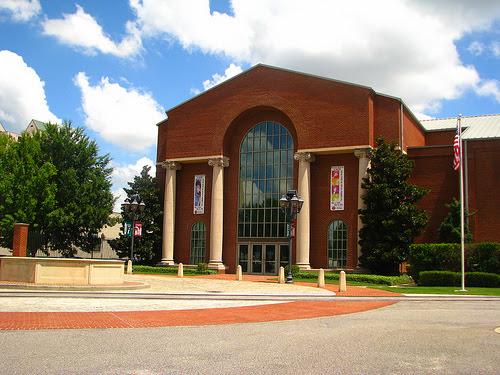
Augusta Museum of History
About Augusta Museum of History
Description
The Augusta Museum of History is the kind of place that sneaks up on travelers. On paper, it’s a regional history museum. In real life, it’s a layered, sometimes surprising walk through centuries of Augusta’s story, from Native American roots all the way to the Godfather of Soul. And yes, that James Brown. The museum doesn’t shy away from how much he shaped local and global culture, and frankly, it would be weird if they did.
The building itself feels grounded and practical, not flashy, which fits Augusta’s personality. Inside, the exhibits move chronologically, but not in a stiff textbook way. One minute you’re learning about river trade and early settlers, and the next you’re staring at a soul music display that makes your foot tap without permission. I remember visiting on a humid afternoon when I just needed air-conditioning and a quiet hour. Three hours later, I was still there, stuck reading old signage and listening to a docent tell stories that weren’t written on the walls. That’s usually how it goes.
This museum does a strong job showing how Augusta grew because of the Savannah River. Trade, transportation, conflict, innovation. It’s all connected. There are immersive displays that recreate historic streets and rooms, and those tend to be the parts travelers talk about later. They make history feel lived-in rather than archived. And while it’s very approachable for kids, adults don’t feel like they’re being spoon-fed either. That balance is harder to pull off than it looks.
One thing that stands out is how the museum treats everyday people as seriously as famous ones. Yes, there are nods to major moments and recognizable names, but there’s also attention given to mill workers, shop owners, and families who shaped the city quietly. That makes the experience feel honest. Not glossy, not sugarcoated.
The Augusta Museum of History also doubles as an event venue, and that’s not just marketing fluff. Weddings, receptions, and community events happen here, especially in the warmer months. It gives the space a living quality, like history isn’t locked behind glass but still part of daily life. Travelers often stumble in during a rehearsal or setup and realize this isn’t a dusty institution. It’s active, used, and relevant.
Key Features
- Permanent exhibits covering Augusta’s timeline from Native American settlement through the modern era
- Detailed James Brown gallery celebrating his life, music, and cultural impact
- Walk-through historical settings that recreate old Augusta streets and interiors
- Onsite theater used for educational programs and occasional live performances
- Guided tours available, often led by locals who add personal stories
- Gift shop stocked with regionally themed items and history-focused books
- Wheelchair accessible entrances, restrooms, and parking areas
- Free parking options nearby, which is rare and appreciated by travelers
- Family-friendly layout that works well for kids without boring adults
Best Time to Visit
The best time to visit the Augusta Museum of History is during the spring or fall, when Augusta’s weather behaves itself. Summers here can be relentless, hot in that sticky Southern way that clings to you. The museum becomes a popular escape then, which means more families and school groups. Not a deal-breaker, but worth knowing if you like quiet galleries.
Weekday mornings tend to be calmest. If you’re the kind of traveler who likes to read every plaque without someone breathing down your neck, aim for early in the day. Weekends bring more energy, sometimes live performances or special programs, and a buzz that can be fun if you don’t mind sharing space.
There’s also something nice about visiting during Masters Week, oddly enough. While golf fans swarm other parts of the city, the museum feels like a pocket of normalcy. I’ve ducked in during that week just to escape traffic and crowds, and it worked like a charm.
Plan at least two hours, though three is better. People underestimate how much there is to absorb. And once you hit the James Brown section, time kind of slips. That music, those visuals, they slow you down in a good way.
How to Get There
The Augusta Museum of History is easy to reach whether you’re staying downtown or coming in from nearby areas. If you’re driving, the free parking is a gift. Truly. Many travelers comment on how stress-free arrival feels compared to other attractions. You don’t have to circle blocks or pay confusing garage fees.
For those staying in central Augusta, rideshare services work well, and local drivers usually know the museum by name. Public transportation can get you close, but depending on timing, walking the last bit may be necessary. It’s not unpleasant, though. You’ll pass through areas that show off Augusta’s everyday rhythm, which I personally enjoy more than curated tourist zones.
If you’re road-tripping through Georgia or South Carolina, the museum makes for a smart stop. It’s not overwhelming, and it gives context to the region you’re traveling through. Sometimes understanding a place changes how the rest of your trip feels. This museum does that.
Tips for Visiting
First tip, and this comes from experience: wear comfortable shoes. The exhibits encourage wandering, doubling back, standing longer than you expect. You won’t notice until your feet do.
Second, say yes to a guided tour if one’s available. The guides often share stories passed down through families or learned from long-time residents. Those bits don’t always make it into official displays. I once heard a story about a riverboat mishap that wasn’t on any sign, and it stuck with me more than dates ever could.
If you’re visiting with kids, let them move at their own pace. The interactive sections are spaced out, and forcing a linear path usually backfires. The museum is forgiving like that. Bathrooms are easy to find, which parents will appreciate more than they admit.
There’s no restaurant onsite, so eat beforehand or plan a meal after. The upside is you won’t feel rushed out by hunger. And the gift shop is worth a look at the end, not the beginning. Otherwise, you’ll be carrying things around for hours, and nobody wants that.
Photography rules are generally relaxed in many areas, but always check signage. And please, actually look up from your phone sometimes. This museum rewards attention. The small details, the handwritten notes, the textures of recreated rooms, those are what linger.
Finally, go in with curiosity, not expectations. The Augusta Museum of History isn’t trying to impress you with spectacle. It’s telling a long, complicated story. If you let it, that story will follow you out the door and maybe even change how you see the city afterward. And that, in my book, is the mark of a museum worth your travel time.
Key Features
- Permanent exhibits covering Augusta’s timeline from Native American settlement through the modern era
- Detailed James Brown gallery celebrating his life, music, and cultural impact
- Walk-through historical settings that recreate old Augusta streets and interiors
- Onsite theater used for educational programs and occasional live performances
- Guided tours available, often led by locals who add personal stories
- Gift shop stocked with regionally themed items and history-focused books
- Wheelchair accessible entrances, restrooms, and parking areas
- Free parking options nearby, which is rare and appreciated by travelers
More Details
Updated December 31, 2025
Table of Contents
Description
The Augusta Museum of History is the kind of place that sneaks up on travelers. On paper, it’s a regional history museum. In real life, it’s a layered, sometimes surprising walk through centuries of Augusta’s story, from Native American roots all the way to the Godfather of Soul. And yes, that James Brown. The museum doesn’t shy away from how much he shaped local and global culture, and frankly, it would be weird if they did.
The building itself feels grounded and practical, not flashy, which fits Augusta’s personality. Inside, the exhibits move chronologically, but not in a stiff textbook way. One minute you’re learning about river trade and early settlers, and the next you’re staring at a soul music display that makes your foot tap without permission. I remember visiting on a humid afternoon when I just needed air-conditioning and a quiet hour. Three hours later, I was still there, stuck reading old signage and listening to a docent tell stories that weren’t written on the walls. That’s usually how it goes.
This museum does a strong job showing how Augusta grew because of the Savannah River. Trade, transportation, conflict, innovation. It’s all connected. There are immersive displays that recreate historic streets and rooms, and those tend to be the parts travelers talk about later. They make history feel lived-in rather than archived. And while it’s very approachable for kids, adults don’t feel like they’re being spoon-fed either. That balance is harder to pull off than it looks.
One thing that stands out is how the museum treats everyday people as seriously as famous ones. Yes, there are nods to major moments and recognizable names, but there’s also attention given to mill workers, shop owners, and families who shaped the city quietly. That makes the experience feel honest. Not glossy, not sugarcoated.
The Augusta Museum of History also doubles as an event venue, and that’s not just marketing fluff. Weddings, receptions, and community events happen here, especially in the warmer months. It gives the space a living quality, like history isn’t locked behind glass but still part of daily life. Travelers often stumble in during a rehearsal or setup and realize this isn’t a dusty institution. It’s active, used, and relevant.
Key Features
- Permanent exhibits covering Augusta’s timeline from Native American settlement through the modern era
- Detailed James Brown gallery celebrating his life, music, and cultural impact
- Walk-through historical settings that recreate old Augusta streets and interiors
- Onsite theater used for educational programs and occasional live performances
- Guided tours available, often led by locals who add personal stories
- Gift shop stocked with regionally themed items and history-focused books
- Wheelchair accessible entrances, restrooms, and parking areas
- Free parking options nearby, which is rare and appreciated by travelers
- Family-friendly layout that works well for kids without boring adults
Best Time to Visit
The best time to visit the Augusta Museum of History is during the spring or fall, when Augusta’s weather behaves itself. Summers here can be relentless, hot in that sticky Southern way that clings to you. The museum becomes a popular escape then, which means more families and school groups. Not a deal-breaker, but worth knowing if you like quiet galleries.
Weekday mornings tend to be calmest. If you’re the kind of traveler who likes to read every plaque without someone breathing down your neck, aim for early in the day. Weekends bring more energy, sometimes live performances or special programs, and a buzz that can be fun if you don’t mind sharing space.
There’s also something nice about visiting during Masters Week, oddly enough. While golf fans swarm other parts of the city, the museum feels like a pocket of normalcy. I’ve ducked in during that week just to escape traffic and crowds, and it worked like a charm.
Plan at least two hours, though three is better. People underestimate how much there is to absorb. And once you hit the James Brown section, time kind of slips. That music, those visuals, they slow you down in a good way.
How to Get There
The Augusta Museum of History is easy to reach whether you’re staying downtown or coming in from nearby areas. If you’re driving, the free parking is a gift. Truly. Many travelers comment on how stress-free arrival feels compared to other attractions. You don’t have to circle blocks or pay confusing garage fees.
For those staying in central Augusta, rideshare services work well, and local drivers usually know the museum by name. Public transportation can get you close, but depending on timing, walking the last bit may be necessary. It’s not unpleasant, though. You’ll pass through areas that show off Augusta’s everyday rhythm, which I personally enjoy more than curated tourist zones.
If you’re road-tripping through Georgia or South Carolina, the museum makes for a smart stop. It’s not overwhelming, and it gives context to the region you’re traveling through. Sometimes understanding a place changes how the rest of your trip feels. This museum does that.
Tips for Visiting
First tip, and this comes from experience: wear comfortable shoes. The exhibits encourage wandering, doubling back, standing longer than you expect. You won’t notice until your feet do.
Second, say yes to a guided tour if one’s available. The guides often share stories passed down through families or learned from long-time residents. Those bits don’t always make it into official displays. I once heard a story about a riverboat mishap that wasn’t on any sign, and it stuck with me more than dates ever could.
If you’re visiting with kids, let them move at their own pace. The interactive sections are spaced out, and forcing a linear path usually backfires. The museum is forgiving like that. Bathrooms are easy to find, which parents will appreciate more than they admit.
There’s no restaurant onsite, so eat beforehand or plan a meal after. The upside is you won’t feel rushed out by hunger. And the gift shop is worth a look at the end, not the beginning. Otherwise, you’ll be carrying things around for hours, and nobody wants that.
Photography rules are generally relaxed in many areas, but always check signage. And please, actually look up from your phone sometimes. This museum rewards attention. The small details, the handwritten notes, the textures of recreated rooms, those are what linger.
Finally, go in with curiosity, not expectations. The Augusta Museum of History isn’t trying to impress you with spectacle. It’s telling a long, complicated story. If you let it, that story will follow you out the door and maybe even change how you see the city afterward. And that, in my book, is the mark of a museum worth your travel time.
Key Highlights
- Permanent exhibits covering Augusta’s timeline from Native American settlement through the modern era
- Detailed James Brown gallery celebrating his life, music, and cultural impact
- Walk-through historical settings that recreate old Augusta streets and interiors
- Onsite theater used for educational programs and occasional live performances
- Guided tours available, often led by locals who add personal stories
- Gift shop stocked with regionally themed items and history-focused books
- Wheelchair accessible entrances, restrooms, and parking areas
- Free parking options nearby, which is rare and appreciated by travelers
Location
Places to Stay Near Augusta Museum of History
Find and Book a Tour
Explore More Travel Guides
No reviews found! Be the first to review!
Traveler Reviews for Augusta Museum of History
There are no reviews yet. Be the first one to write one.
Have you visited Augusta Museum of History? Help other travelers by sharing your review.
You Might Also Like

Ole HKs fountain of youth
Morris Museum of Art

Selfie Lifestyle
Find Accommodations Nearby
Recommended Tours & Activities
Visitor Reviews
There are no reviews yet. Be the first one to write one.
Share Your Experience
Have you visited Augusta Museum of History? Help other travelers by leaving a review.