
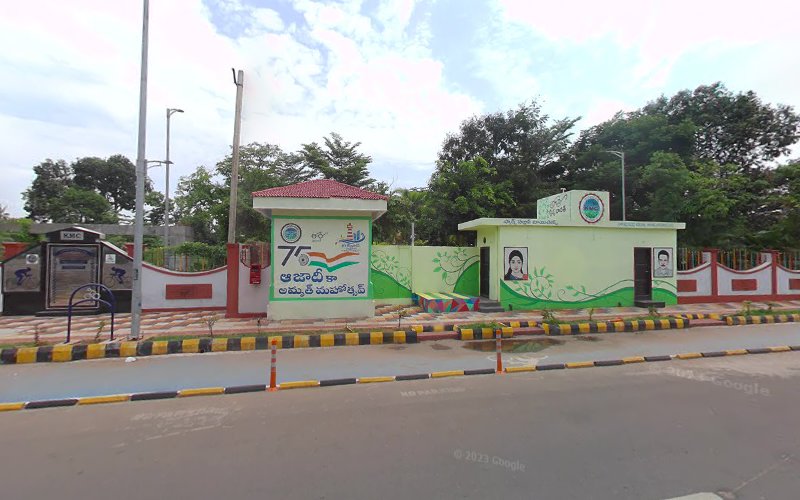
Dokka Seetamma Statue
About Dokka Seetamma Statue
Description
The Dokka Seetamma Statue stands as more than just a monument; it feels like a pause button on the chaos of travel. This memorial park is dedicated to Dokka Seetamma, a woman remembered for her extraordinary compassion, especially her lifelong habit of feeding the hungry without asking questions. And yes, you can feel that story the moment you step inside. There’s a quiet dignity here that doesn’t shout for attention. It just sits with you.
The statue itself depicts Seetamma in a simple, grounded pose, which I personally appreciate. No over-the-top dramatics. No unnecessary grandeur. Just a woman, her hands ready to give. I remember standing there one late afternoon, watching a group of school kids reading the plaque out loud, stumbling over words, giggling, then suddenly going quiet. That kind of shift doesn’t happen often at tourist spots. It happened here.
This is officially categorized as a memorial park, but in practice, it works like a community breathing space. Families come here. Elderly locals sit and talk about old times. Travelers wander in thinking it’ll be a five-minute stop and end up staying longer than planned. I did too. And I’m not the sentimental type, or so I tell myself.
The park is clean, modestly maintained, and intentionally accessible for children. You’ll notice parents letting kids roam without much worry, which says a lot. There’s an educational undertone running through the space, quietly reinforcing values like kindness, sharing, and empathy. Not in a preachy way. More like a gentle nudge. And honestly, we all could use that nudge sometimes.
From an experiential angle, this place doesn’t overwhelm you with information boards or guided routes. It trusts visitors to absorb the story at their own pace. That trust, I think, is what makes it linger in your memory. You don’t leave with a checklist ticked off. You leave thinking. Maybe even rethinking a few things.
Key Features
- Life-sized statue of Dokka Seetamma that reflects simplicity and compassion
- Peaceful memorial park layout suitable for slow walks and reflection
- Open spaces where children can move freely, making it good for kids
- Informational plaques that explain her legacy in clear, accessible language
- Seating areas often used by locals, giving travelers a glimpse into daily life
- A calm atmosphere that feels removed from traffic and noise, even when it’s busy
One small thing I noticed, and it stuck with me, is how people behave differently here. Voices drop. Phones stay in pockets longer. That doesn’t happen by accident. The design and the story work together.
Best Time to Visit
If you’re asking me, mornings are best. Early mornings, actually. The light falls softly on the statue, and the park feels almost meditative. You’ll see a few walkers, maybe someone sweeping the pathways, and the occasional traveler like you trying to take it all in before the day heats up. It’s cooler, quieter, and more personal.
Late afternoons are also a solid option, especially if you enjoy watching daily life unfold. Families tend to arrive then, kids running around, elders chatting. It gets a bit noisier, sure, but it also feels alive in a grounded, human way. I once overheard a grandmother explaining Seetamma’s story to her grandson, adding her own commentary and opinions. That, right there, is living history.
Season-wise, avoiding peak summer afternoons is just practical advice. The statue and park are open-air, and while there’s some shade, the sun can be unforgiving. Monsoon days add a certain moodiness, though. The greenery looks better, the air smells cleaner, and fewer people show up. If you don’t mind a bit of humidity and possibly wet shoes, it can be quite atmospheric.
How to Get There
Getting to the Dokka Seetamma Statue isn’t complicated, which is part of its charm. It’s located in a well-known area that locals can easily point you toward. If you’re using public transport, you’ll find that buses and auto-rickshaws regularly pass nearby. And don’t worry too much about exact directions. Asking around actually adds to the experience. People like talking about this place.
If you’re driving, the roads leading up to the memorial park are generally manageable, though traffic conditions can vary depending on time of day. I’d suggest avoiding rush hours unless you enjoy sitting in traffic watching life go by, which, admittedly, I sometimes do. Parking is usually informal but available around the area. Just be patient and respectful.
For travelers coming from outside the city, combining this visit with nearby cultural or historical stops makes sense. It doesn’t demand a full day. It asks for attention, not time. That’s an important distinction.
Tips for Visiting
First tip, and this is from experience: slow down. This isn’t a place to rush through between photo ops. Give yourself at least 30 to 45 minutes. Sit. Observe. Read everything. Watch people. You’ll get more out of it.
Dress comfortably and modestly. There’s no strict rule, but considering it’s a memorial, it just feels right. And you’ll blend in better with locals, which always enhances travel, in my opinion.
If you’re visiting with kids, take a moment to explain why this statue exists. The park is good for kids, yes, but the real value comes from the story. I’ve seen children ask surprisingly deep questions here. Be ready for that.
Carry water, especially in warmer months. There aren’t many vendors inside the park, and that’s intentional. It keeps the space uncluttered. But it also means you should be prepared.
Photography is fine, but don’t overdo it. One or two thoughtful photos will mean more later than twenty rushed ones. And be mindful of others who are there to reflect, not pose.
Lastly, and this might sound a bit philosophical, take something back with you that isn’t a souvenir. Maybe it’s the idea of generosity without conditions. Or the reminder that ordinary people can leave extraordinary legacies. I know that sounds heavy, but travel does that sometimes. It sneaks up on you.
The Dokka Seetamma Statue may not top flashy travel lists, but it leaves an impression that lasts longer than most. And honestly, those are the places worth traveling for.
Key Features
- Life-sized statue of Dokka Seetamma that reflects simplicity and compassion
- Peaceful memorial park layout suitable for slow walks and reflection
- Open spaces where children can move freely, making it good for kids
- Informational plaques that explain her legacy in clear, accessible language
- Seating areas often used by locals, giving travelers a glimpse into daily life
- A calm atmosphere that feels removed from traffic and noise, even when it’s busy
More Details
Updated December 31, 2025
Table of Contents
Description
The Dokka Seetamma Statue stands as more than just a monument; it feels like a pause button on the chaos of travel. This memorial park is dedicated to Dokka Seetamma, a woman remembered for her extraordinary compassion, especially her lifelong habit of feeding the hungry without asking questions. And yes, you can feel that story the moment you step inside. There’s a quiet dignity here that doesn’t shout for attention. It just sits with you.
The statue itself depicts Seetamma in a simple, grounded pose, which I personally appreciate. No over-the-top dramatics. No unnecessary grandeur. Just a woman, her hands ready to give. I remember standing there one late afternoon, watching a group of school kids reading the plaque out loud, stumbling over words, giggling, then suddenly going quiet. That kind of shift doesn’t happen often at tourist spots. It happened here.
This is officially categorized as a memorial park, but in practice, it works like a community breathing space. Families come here. Elderly locals sit and talk about old times. Travelers wander in thinking it’ll be a five-minute stop and end up staying longer than planned. I did too. And I’m not the sentimental type, or so I tell myself.
The park is clean, modestly maintained, and intentionally accessible for children. You’ll notice parents letting kids roam without much worry, which says a lot. There’s an educational undertone running through the space, quietly reinforcing values like kindness, sharing, and empathy. Not in a preachy way. More like a gentle nudge. And honestly, we all could use that nudge sometimes.
From an experiential angle, this place doesn’t overwhelm you with information boards or guided routes. It trusts visitors to absorb the story at their own pace. That trust, I think, is what makes it linger in your memory. You don’t leave with a checklist ticked off. You leave thinking. Maybe even rethinking a few things.
Key Features
- Life-sized statue of Dokka Seetamma that reflects simplicity and compassion
- Peaceful memorial park layout suitable for slow walks and reflection
- Open spaces where children can move freely, making it good for kids
- Informational plaques that explain her legacy in clear, accessible language
- Seating areas often used by locals, giving travelers a glimpse into daily life
- A calm atmosphere that feels removed from traffic and noise, even when it’s busy
One small thing I noticed, and it stuck with me, is how people behave differently here. Voices drop. Phones stay in pockets longer. That doesn’t happen by accident. The design and the story work together.
Best Time to Visit
If you’re asking me, mornings are best. Early mornings, actually. The light falls softly on the statue, and the park feels almost meditative. You’ll see a few walkers, maybe someone sweeping the pathways, and the occasional traveler like you trying to take it all in before the day heats up. It’s cooler, quieter, and more personal.
Late afternoons are also a solid option, especially if you enjoy watching daily life unfold. Families tend to arrive then, kids running around, elders chatting. It gets a bit noisier, sure, but it also feels alive in a grounded, human way. I once overheard a grandmother explaining Seetamma’s story to her grandson, adding her own commentary and opinions. That, right there, is living history.
Season-wise, avoiding peak summer afternoons is just practical advice. The statue and park are open-air, and while there’s some shade, the sun can be unforgiving. Monsoon days add a certain moodiness, though. The greenery looks better, the air smells cleaner, and fewer people show up. If you don’t mind a bit of humidity and possibly wet shoes, it can be quite atmospheric.
How to Get There
Getting to the Dokka Seetamma Statue isn’t complicated, which is part of its charm. It’s located in a well-known area that locals can easily point you toward. If you’re using public transport, you’ll find that buses and auto-rickshaws regularly pass nearby. And don’t worry too much about exact directions. Asking around actually adds to the experience. People like talking about this place.
If you’re driving, the roads leading up to the memorial park are generally manageable, though traffic conditions can vary depending on time of day. I’d suggest avoiding rush hours unless you enjoy sitting in traffic watching life go by, which, admittedly, I sometimes do. Parking is usually informal but available around the area. Just be patient and respectful.
For travelers coming from outside the city, combining this visit with nearby cultural or historical stops makes sense. It doesn’t demand a full day. It asks for attention, not time. That’s an important distinction.
Tips for Visiting
First tip, and this is from experience: slow down. This isn’t a place to rush through between photo ops. Give yourself at least 30 to 45 minutes. Sit. Observe. Read everything. Watch people. You’ll get more out of it.
Dress comfortably and modestly. There’s no strict rule, but considering it’s a memorial, it just feels right. And you’ll blend in better with locals, which always enhances travel, in my opinion.
If you’re visiting with kids, take a moment to explain why this statue exists. The park is good for kids, yes, but the real value comes from the story. I’ve seen children ask surprisingly deep questions here. Be ready for that.
Carry water, especially in warmer months. There aren’t many vendors inside the park, and that’s intentional. It keeps the space uncluttered. But it also means you should be prepared.
Photography is fine, but don’t overdo it. One or two thoughtful photos will mean more later than twenty rushed ones. And be mindful of others who are there to reflect, not pose.
Lastly, and this might sound a bit philosophical, take something back with you that isn’t a souvenir. Maybe it’s the idea of generosity without conditions. Or the reminder that ordinary people can leave extraordinary legacies. I know that sounds heavy, but travel does that sometimes. It sneaks up on you.
The Dokka Seetamma Statue may not top flashy travel lists, but it leaves an impression that lasts longer than most. And honestly, those are the places worth traveling for.
Key Highlights
- Life-sized statue of Dokka Seetamma that reflects simplicity and compassion
- Peaceful memorial park layout suitable for slow walks and reflection
- Open spaces where children can move freely, making it good for kids
- Informational plaques that explain her legacy in clear, accessible language
- Seating areas often used by locals, giving travelers a glimpse into daily life
- A calm atmosphere that feels removed from traffic and noise, even when it’s busy
Location
Places to Stay Near Dokka Seetamma Statue
Find and Book a Tour
Explore More Travel Guides
No reviews found! Be the first to review!
Traveler Reviews for Dokka Seetamma Statue
There are no reviews yet. Be the first one to write one.
Have you visited Dokka Seetamma Statue? Help other travelers by sharing your review.
You Might Also Like
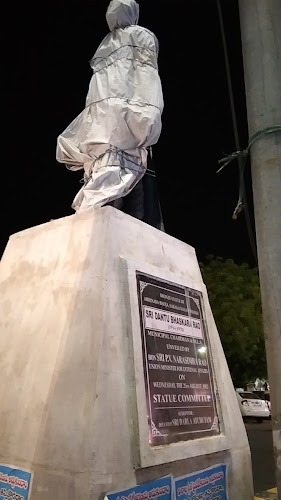
Dantu Bhaskara Rao Ststur
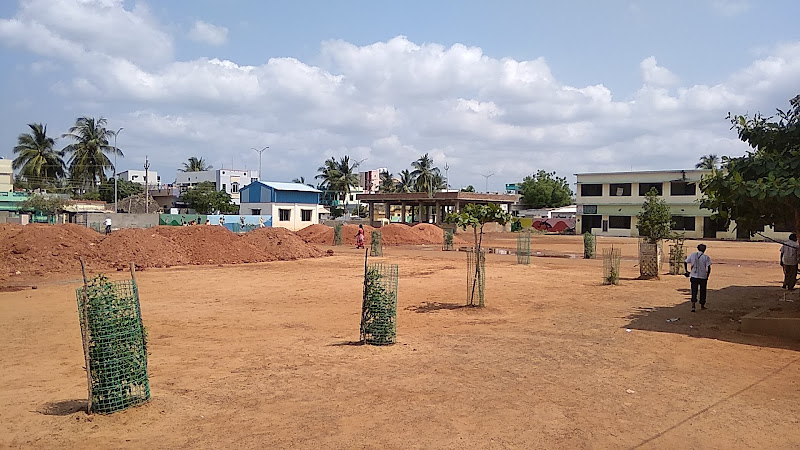
Muthanagar park
Pithapuram Maharaja Statue
Find Accommodations Nearby
Recommended Tours & Activities
Visitor Reviews
There are no reviews yet. Be the first one to write one.
Share Your Experience
Have you visited Dokka Seetamma Statue? Help other travelers by leaving a review.