
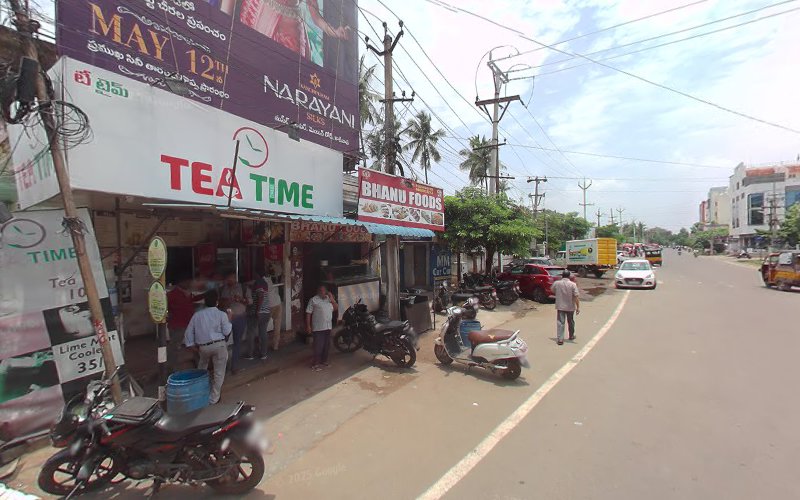
Great Play Back Singer Gantasala Statue
About Great Play Back Singer Gantasala Statue
Description
The Great Play Back Singer Gantasala Statue stands as a quiet, proud reminder of a voice that once ruled South Indian cinema and still sneaks into playlists today. This memorial park isn’t flashy or grand in a modern sense, and honestly, that’s part of its charm. It feels grounded, like it belongs to the people who grew up humming his songs without even realizing how deeply they were stitched into everyday life.
Gantasala Venkateswara Rao, often just called Gantasala, wasn’t merely a playback singer. He was the sound of an era. And when you walk through this memorial park, you can almost feel that weight. The statue itself captures him mid-expression, the posture and facial detailing trying hard, and mostly succeeding, to freeze that unmistakable intensity he carried while singing. I remember my grandfather playing his songs on an old radio, volume turned just a bit too loud, and saying, “Listen properly, this is real singing.” Standing here brought that memory back unexpectedly.
The park around the statue is modest and open, making it accessible for families, solo travelers, and even those who stumble upon it by accident. Children run around without much restriction, which is nice, because it doesn’t feel like a stiff memorial where you’re scared to make noise. But at the same time, there’s an unspoken respect people seem to maintain. You don’t see folks climbing on the statue or treating it like a random photo prop. There’s a shared understanding that this place means something.
From a traveler’s perspective, the Great Play Back Singer Gantasala Statue works best as a reflective stop rather than a full-day attraction. You come, you pause, you read the plaques, you maybe play one of his songs on your phone (I did, couldn’t help myself), and then you leave feeling oddly calmer. It doesn’t overwhelm you with information, but it nudges you to learn more once you’re gone.
What’s also worth noting is how local visitors interact with the space. You’ll often see older fans standing quietly, eyes closed for a moment, as if listening to an invisible concert. Younger visitors, especially kids, treat it as a green space first, memorial second. And honestly, that mix makes the place feel alive rather than frozen in nostalgia.
Key Features
- A life-sized statue of Gantasala that captures his expressive singing posture
- Open memorial park layout that allows free movement and relaxed visits
- Informational plaques that give context without overwhelming details
- Good for kids, with open areas where they can move around safely
- A calm atmosphere that encourages reflection and slow travel
- Popular spot for fans of classical and film music to pause and pay respects
- Shaded seating areas for resting and people-watching
Best Time to Visit
The best time to visit the Great Play Back Singer Gantasala Statue is during the early morning or late afternoon. Midday heat can drain the joy out of any outdoor visit, and this park doesn’t pretend otherwise. Early mornings are especially peaceful. There’s something special about watching the place wake up slowly, with joggers passing by and birds making more noise than people.
If you’re the kind of traveler who likes observing local routines, mornings are gold. You’ll see regulars who come almost daily, not as tourists but as caretakers of memory. Late afternoons, on the other hand, bring families and kids, and the mood shifts to something lighter. Neither is better, it just depends on what you’re after.
Season-wise, cooler months are kinder. The statue and surrounding park don’t offer extensive shelter from harsh weather, so visiting during milder temperatures makes the experience more enjoyable. And if you happen to be around on a day connected to Gantasala’s birth or remembrance, expect a slightly busier scene with small gatherings, maybe even someone singing softly. Those moments feel unscripted and real, not like staged events.
How to Get There
Getting to the Great Play Back Singer Gantasala Statue is generally straightforward, especially if you’re already exploring the city. Local transport options are reliable, and asking for directions works surprisingly well here. Just mention Gantasala, and more often than not, people know exactly who you’re talking about. That itself tells you something about his lasting influence.
If you’re using public transport, buses and autos are the most practical choice. They drop you close enough that the final walk isn’t a chore. For those driving, the surrounding roads are manageable, though peak hours can test your patience. But that’s city travel for you, right?
One small tip from personal experience: don’t rush in and out just because it seems like a quick stop. Plan to linger a bit. Even the walk leading up to the park sets the mood, easing you into a slower pace. And sometimes, slowing down is exactly what travel should be about.
Tips for Visiting
First things first, bring curiosity, not expectations of grandeur. This memorial park doesn’t try to impress with size or spectacle. It impresses by being sincere. If you walk in expecting a museum-like experience, you might feel underwhelmed. But if you come ready to absorb atmosphere and history, you’ll leave satisfied.
It helps to know at least a little about Gantasala before visiting. Even a quick listen to a couple of his songs can change how you perceive the statue. I played one of his classics while sitting on a nearby bench, and suddenly the space made much more sense. It’s like the statue needs sound to complete the picture.
Dress comfortably and be prepared for outdoor conditions. There’s no strict dress code, but comfortable footwear matters if you plan to walk around or stand for a while. And yes, carry water, because forgetting it is a mistake you only make once.
If you’re traveling with kids, let them explore but also take a moment to explain why the statue is important. You don’t need a full lecture. Just a simple story works. Kids remember stories more than facts anyway. I’ve seen parents do this, and the kids actually listen, which surprised me too.
Photography is fine, but don’t overdo it. A couple of thoughtful shots are better than dozens of rushed selfies. Take a moment to just stand there without your phone. It sounds preachy, I know, but it really does change how the place feels.
Lastly, respect the space. It’s a memorial park, not just a green patch with a statue. Keep noise reasonable, avoid littering, and if you see locals paying their respects, give them that space. Travel isn’t only about seeing places, it’s about understanding how others feel about them.
The Great Play Back Singer Gantasala Statue may not shout for attention, but it doesn’t need to. It waits patiently for travelers who are willing to listen, not just with their ears, but with a bit of heart too. And if you leave humming a tune you didn’t expect to remember, well, that’s kind of the point.
Key Features
- A life-sized statue of Gantasala that captures his expressive singing posture
- Open memorial park layout that allows free movement and relaxed visits
- Informational plaques that give context without overwhelming details
- Good for kids, with open areas where they can move around safely
- A calm atmosphere that encourages reflection and slow travel
- Popular spot for fans of classical and film music to pause and pay respects
- Shaded seating areas for resting and people-watching
More Details
Updated December 31, 2025
Table of Contents
- Description
- Key Features
- Best Time to Visit
- How to Get There
- Tips for Visiting
- Key Highlights
- Location
- Places to Stay Near Great Play Back Singer Gantasala Statue
- Find and Book a Tour
- Explore More Travel Guides
- Nearby Places You Might Like
- Traveler Reviews for Great Play Back Singer Gantasala Statue
- Share Your Experience
Description
The Great Play Back Singer Gantasala Statue stands as a quiet, proud reminder of a voice that once ruled South Indian cinema and still sneaks into playlists today. This memorial park isn’t flashy or grand in a modern sense, and honestly, that’s part of its charm. It feels grounded, like it belongs to the people who grew up humming his songs without even realizing how deeply they were stitched into everyday life.
Gantasala Venkateswara Rao, often just called Gantasala, wasn’t merely a playback singer. He was the sound of an era. And when you walk through this memorial park, you can almost feel that weight. The statue itself captures him mid-expression, the posture and facial detailing trying hard, and mostly succeeding, to freeze that unmistakable intensity he carried while singing. I remember my grandfather playing his songs on an old radio, volume turned just a bit too loud, and saying, “Listen properly, this is real singing.” Standing here brought that memory back unexpectedly.
The park around the statue is modest and open, making it accessible for families, solo travelers, and even those who stumble upon it by accident. Children run around without much restriction, which is nice, because it doesn’t feel like a stiff memorial where you’re scared to make noise. But at the same time, there’s an unspoken respect people seem to maintain. You don’t see folks climbing on the statue or treating it like a random photo prop. There’s a shared understanding that this place means something.
From a traveler’s perspective, the Great Play Back Singer Gantasala Statue works best as a reflective stop rather than a full-day attraction. You come, you pause, you read the plaques, you maybe play one of his songs on your phone (I did, couldn’t help myself), and then you leave feeling oddly calmer. It doesn’t overwhelm you with information, but it nudges you to learn more once you’re gone.
What’s also worth noting is how local visitors interact with the space. You’ll often see older fans standing quietly, eyes closed for a moment, as if listening to an invisible concert. Younger visitors, especially kids, treat it as a green space first, memorial second. And honestly, that mix makes the place feel alive rather than frozen in nostalgia.
Key Features
- A life-sized statue of Gantasala that captures his expressive singing posture
- Open memorial park layout that allows free movement and relaxed visits
- Informational plaques that give context without overwhelming details
- Good for kids, with open areas where they can move around safely
- A calm atmosphere that encourages reflection and slow travel
- Popular spot for fans of classical and film music to pause and pay respects
- Shaded seating areas for resting and people-watching
Best Time to Visit
The best time to visit the Great Play Back Singer Gantasala Statue is during the early morning or late afternoon. Midday heat can drain the joy out of any outdoor visit, and this park doesn’t pretend otherwise. Early mornings are especially peaceful. There’s something special about watching the place wake up slowly, with joggers passing by and birds making more noise than people.
If you’re the kind of traveler who likes observing local routines, mornings are gold. You’ll see regulars who come almost daily, not as tourists but as caretakers of memory. Late afternoons, on the other hand, bring families and kids, and the mood shifts to something lighter. Neither is better, it just depends on what you’re after.
Season-wise, cooler months are kinder. The statue and surrounding park don’t offer extensive shelter from harsh weather, so visiting during milder temperatures makes the experience more enjoyable. And if you happen to be around on a day connected to Gantasala’s birth or remembrance, expect a slightly busier scene with small gatherings, maybe even someone singing softly. Those moments feel unscripted and real, not like staged events.
How to Get There
Getting to the Great Play Back Singer Gantasala Statue is generally straightforward, especially if you’re already exploring the city. Local transport options are reliable, and asking for directions works surprisingly well here. Just mention Gantasala, and more often than not, people know exactly who you’re talking about. That itself tells you something about his lasting influence.
If you’re using public transport, buses and autos are the most practical choice. They drop you close enough that the final walk isn’t a chore. For those driving, the surrounding roads are manageable, though peak hours can test your patience. But that’s city travel for you, right?
One small tip from personal experience: don’t rush in and out just because it seems like a quick stop. Plan to linger a bit. Even the walk leading up to the park sets the mood, easing you into a slower pace. And sometimes, slowing down is exactly what travel should be about.
Tips for Visiting
First things first, bring curiosity, not expectations of grandeur. This memorial park doesn’t try to impress with size or spectacle. It impresses by being sincere. If you walk in expecting a museum-like experience, you might feel underwhelmed. But if you come ready to absorb atmosphere and history, you’ll leave satisfied.
It helps to know at least a little about Gantasala before visiting. Even a quick listen to a couple of his songs can change how you perceive the statue. I played one of his classics while sitting on a nearby bench, and suddenly the space made much more sense. It’s like the statue needs sound to complete the picture.
Dress comfortably and be prepared for outdoor conditions. There’s no strict dress code, but comfortable footwear matters if you plan to walk around or stand for a while. And yes, carry water, because forgetting it is a mistake you only make once.
If you’re traveling with kids, let them explore but also take a moment to explain why the statue is important. You don’t need a full lecture. Just a simple story works. Kids remember stories more than facts anyway. I’ve seen parents do this, and the kids actually listen, which surprised me too.
Photography is fine, but don’t overdo it. A couple of thoughtful shots are better than dozens of rushed selfies. Take a moment to just stand there without your phone. It sounds preachy, I know, but it really does change how the place feels.
Lastly, respect the space. It’s a memorial park, not just a green patch with a statue. Keep noise reasonable, avoid littering, and if you see locals paying their respects, give them that space. Travel isn’t only about seeing places, it’s about understanding how others feel about them.
The Great Play Back Singer Gantasala Statue may not shout for attention, but it doesn’t need to. It waits patiently for travelers who are willing to listen, not just with their ears, but with a bit of heart too. And if you leave humming a tune you didn’t expect to remember, well, that’s kind of the point.
Key Highlights
- A life-sized statue of Gantasala that captures his expressive singing posture
- Open memorial park layout that allows free movement and relaxed visits
- Informational plaques that give context without overwhelming details
- Good for kids, with open areas where they can move around safely
- A calm atmosphere that encourages reflection and slow travel
- Popular spot for fans of classical and film music to pause and pay respects
- Shaded seating areas for resting and people-watching
Location
Places to Stay Near Great Play Back Singer Gantasala Statue
Find and Book a Tour
Explore More Travel Guides
No reviews found! Be the first to review!
Traveler Reviews for Great Play Back Singer Gantasala Statue
There are no reviews yet. Be the first one to write one.
Have you visited Great Play Back Singer Gantasala Statue? Help other travelers by sharing your review.
You Might Also Like
Dokka Seetamma Statue
Boats club park
Dantu Bhaskara Rao Ststur
Find Accommodations Nearby
Recommended Tours & Activities
Visitor Reviews
There are no reviews yet. Be the first one to write one.
Share Your Experience
Have you visited Great Play Back Singer Gantasala Statue? Help other travelers by leaving a review.