
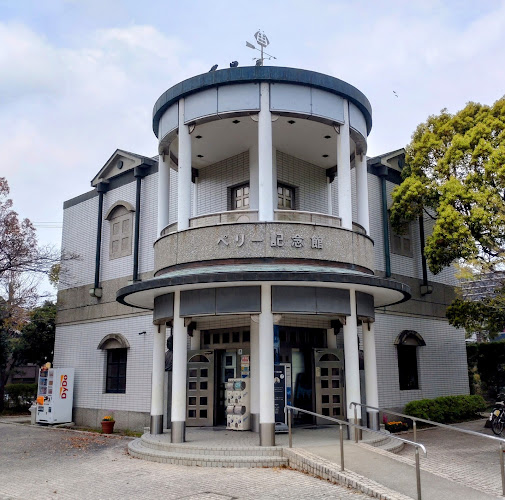
Perry Memorial Hall
About Perry Memorial Hall
Description
Perry Memorial Hall sits in that interesting middle ground between a full-blown museum and a quiet historical hall you stumble into and unexpectedly stay for an hour. It’s dedicated to the legacy of the Perry Expedition, the 19th-century naval mission that changed Japan–U.S. relations forever. And yes, that sounds heavy. But the experience inside is more approachable than you’d think.
The hall leans into local history, naval exploration, and the ripple effects of Commodore Matthew Perry’s journey. It doesn’t sugarcoat things, which I appreciate. History here is presented as complicated, sometimes uncomfortable, and definitely influential. The exhibits mix artifacts, interpretive panels, and archival visuals that help you grasp why this expedition still gets talked about in history classes today. If you’re a traveler who likes knowing the “why” behind a place, this spot does the job.
I remember walking through for the first time thinking I’d do a quick lap. Twenty minutes, tops. But then I got caught reading letters and maps, and suddenly I was imagining what it must’ve felt like to sail into the unknown with steamships and diplomacy riding on your shoulders. The hall has that effect. It slows you down, asks you to think a little. Not flashy, but quietly absorbing.
It’s also family-friendly, which surprised me. Kids won’t grasp all the geopolitics, obviously, but the visuals and maritime elements keep them engaged. And adults who enjoy museums that don’t overwhelm with tech or gimmicks will probably feel at ease here. It’s not perfect—some exhibits could use updating—but there’s an honesty to the place that makes up for that.
Key Features
- Focused exhibits on the Perry Expedition that explain its historical context, consequences, and controversies without talking down to you.
- Original artifacts and reproductions tied to naval life, diplomacy, and 19th-century exploration.
- Interpretive panels that balance American and Japanese perspectives, which, frankly, more places should try to do.
- Compact, walkable layout that makes it easy to explore without museum fatigue setting in.
- Restroom access on-site, a small thing that matters more than people admit.
- Wheelchair-accessible entrance, making the main areas usable for most visitors.
- Kid-friendly atmosphere with enough visual storytelling to keep younger visitors curious.
Best Time to Visit
The best time to visit Perry Memorial Hall is during late spring through early fall, especially if you’re already traveling through the area and doing multiple stops in a day. Warmer months tend to bring more travelers, but this hall rarely feels crowded in a stressful way. You can still read, linger, and think.
If you’re like me and prefer quieter spaces, weekday mornings are gold. The hall feels almost meditative then. I once visited on a rainy weekday afternoon, and it felt like the building itself was grateful someone showed up. There’s something about history museums on gray days—they just hit different.
Summer weekends can be busier, especially with families, but even then it’s manageable. Plan around local events or holidays if you want extra breathing room. And if you’re squeezing this into a packed travel itinerary, give yourself at least an hour. Rushing through would be a mistake.
How to Get There
Getting to Perry Memorial Hall is straightforward if you’re already exploring the surrounding area. It’s commonly paired with other historical or waterfront attractions, making it an easy add-on rather than a stand-alone trek. Travelers often include it as part of a half-day history loop.
Driving is the most common option, though parking can be a bit of a mixed bag. While the entrance itself is wheelchair accessible, the parking situation isn’t perfect, so plan ahead if mobility is a concern. Public transportation can work depending on where you’re staying, but it may involve a bit of walking. Nothing extreme, but wear decent shoes.
If you’re the kind of traveler who likes wandering rather than rushing point to point, this hall fits nicely into a walking route. I stumbled upon it once while exploring nearby landmarks, and that unplanned visit ended up being one of the more memorable parts of the day. Sometimes that’s how travel works best, honestly.
Tips for Visiting
Read the panels. This sounds obvious, but it’s tempting to skim. Don’t. The context is where the story lives, and it adds depth you won’t get from photos alone.
Set expectations. This isn’t a massive, interactive museum with bells and whistles. It’s more reflective. Go in ready to learn, not to be entertained every second.
Bring curious kids, not restless ones. Children who like ships, maps, or stories of exploration will enjoy it more than those needing constant stimulation.
Combine it with nearby stops. The hall works best as part of a broader day of sightseeing. You’ll appreciate it more when it’s not the only thing you’ve planned.
Take a moment to sit and think. There are spots where you can pause. Use them. History isn’t just facts; it’s consequences, and this place quietly reminds you of that.
Be patient with imperfections. Some displays feel a bit dated, and yeah, you’ll notice. But there’s charm in that too. It feels cared for, not polished to death.
In the end, Perry Memorial Hall isn’t trying to dazzle you. It’s trying to tell a story that still matters, even if it’s messy and unresolved. For travelers who appreciate depth over dazzle, that makes it worth the stop. And if you leave thinking a little differently about how nations meet and clash, well, that’s kind of the point.
Key Features
- Key Features
- Best Time to Visit
- How to Get There
- Tips for Visiting
More Details
Updated December 31, 2025
Table of Contents
Description
Perry Memorial Hall sits in that interesting middle ground between a full-blown museum and a quiet historical hall you stumble into and unexpectedly stay for an hour. It’s dedicated to the legacy of the Perry Expedition, the 19th-century naval mission that changed Japan–U.S. relations forever. And yes, that sounds heavy. But the experience inside is more approachable than you’d think.
The hall leans into local history, naval exploration, and the ripple effects of Commodore Matthew Perry’s journey. It doesn’t sugarcoat things, which I appreciate. History here is presented as complicated, sometimes uncomfortable, and definitely influential. The exhibits mix artifacts, interpretive panels, and archival visuals that help you grasp why this expedition still gets talked about in history classes today. If you’re a traveler who likes knowing the “why” behind a place, this spot does the job.
I remember walking through for the first time thinking I’d do a quick lap. Twenty minutes, tops. But then I got caught reading letters and maps, and suddenly I was imagining what it must’ve felt like to sail into the unknown with steamships and diplomacy riding on your shoulders. The hall has that effect. It slows you down, asks you to think a little. Not flashy, but quietly absorbing.
It’s also family-friendly, which surprised me. Kids won’t grasp all the geopolitics, obviously, but the visuals and maritime elements keep them engaged. And adults who enjoy museums that don’t overwhelm with tech or gimmicks will probably feel at ease here. It’s not perfect—some exhibits could use updating—but there’s an honesty to the place that makes up for that.
Key Features
- Focused exhibits on the Perry Expedition that explain its historical context, consequences, and controversies without talking down to you.
- Original artifacts and reproductions tied to naval life, diplomacy, and 19th-century exploration.
- Interpretive panels that balance American and Japanese perspectives, which, frankly, more places should try to do.
- Compact, walkable layout that makes it easy to explore without museum fatigue setting in.
- Restroom access on-site, a small thing that matters more than people admit.
- Wheelchair-accessible entrance, making the main areas usable for most visitors.
- Kid-friendly atmosphere with enough visual storytelling to keep younger visitors curious.
Best Time to Visit
The best time to visit Perry Memorial Hall is during late spring through early fall, especially if you’re already traveling through the area and doing multiple stops in a day. Warmer months tend to bring more travelers, but this hall rarely feels crowded in a stressful way. You can still read, linger, and think.
If you’re like me and prefer quieter spaces, weekday mornings are gold. The hall feels almost meditative then. I once visited on a rainy weekday afternoon, and it felt like the building itself was grateful someone showed up. There’s something about history museums on gray days—they just hit different.
Summer weekends can be busier, especially with families, but even then it’s manageable. Plan around local events or holidays if you want extra breathing room. And if you’re squeezing this into a packed travel itinerary, give yourself at least an hour. Rushing through would be a mistake.
How to Get There
Getting to Perry Memorial Hall is straightforward if you’re already exploring the surrounding area. It’s commonly paired with other historical or waterfront attractions, making it an easy add-on rather than a stand-alone trek. Travelers often include it as part of a half-day history loop.
Driving is the most common option, though parking can be a bit of a mixed bag. While the entrance itself is wheelchair accessible, the parking situation isn’t perfect, so plan ahead if mobility is a concern. Public transportation can work depending on where you’re staying, but it may involve a bit of walking. Nothing extreme, but wear decent shoes.
If you’re the kind of traveler who likes wandering rather than rushing point to point, this hall fits nicely into a walking route. I stumbled upon it once while exploring nearby landmarks, and that unplanned visit ended up being one of the more memorable parts of the day. Sometimes that’s how travel works best, honestly.
Tips for Visiting
Read the panels. This sounds obvious, but it’s tempting to skim. Don’t. The context is where the story lives, and it adds depth you won’t get from photos alone.
Set expectations. This isn’t a massive, interactive museum with bells and whistles. It’s more reflective. Go in ready to learn, not to be entertained every second.
Bring curious kids, not restless ones. Children who like ships, maps, or stories of exploration will enjoy it more than those needing constant stimulation.
Combine it with nearby stops. The hall works best as part of a broader day of sightseeing. You’ll appreciate it more when it’s not the only thing you’ve planned.
Take a moment to sit and think. There are spots where you can pause. Use them. History isn’t just facts; it’s consequences, and this place quietly reminds you of that.
Be patient with imperfections. Some displays feel a bit dated, and yeah, you’ll notice. But there’s charm in that too. It feels cared for, not polished to death.
In the end, Perry Memorial Hall isn’t trying to dazzle you. It’s trying to tell a story that still matters, even if it’s messy and unresolved. For travelers who appreciate depth over dazzle, that makes it worth the stop. And if you leave thinking a little differently about how nations meet and clash, well, that’s kind of the point.
Key Highlights
- Key Features
- Best Time to Visit
- How to Get There
- Tips for Visiting
Location
Places to Stay Near Perry Memorial Hall
Find and Book a Tour
Explore More Travel Guides
No reviews found! Be the first to review!
Traveler Reviews for Perry Memorial Hall
There are no reviews yet. Be the first one to write one.
Have you visited Perry Memorial Hall? Help other travelers by sharing your review.
You Might Also Like
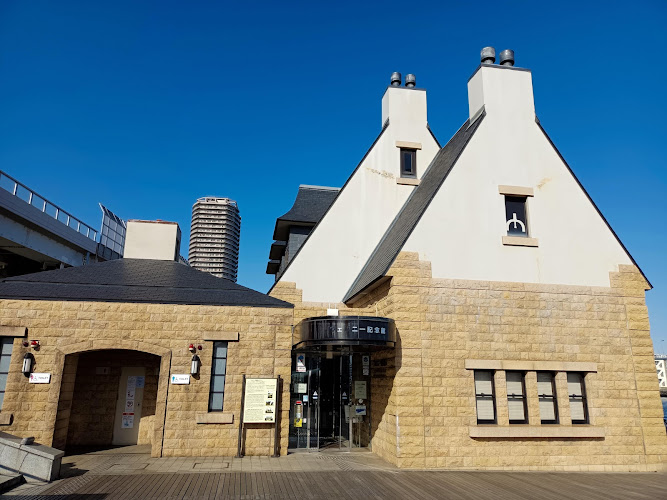
Verny Commemorative Museum
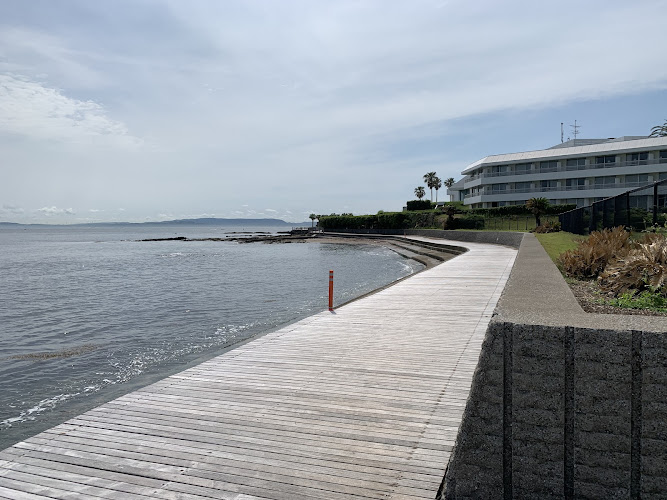
Kannonzaki Boardwalk
Heiseicho
Find Accommodations Nearby
Recommended Tours & Activities
Visitor Reviews
There are no reviews yet. Be the first one to write one.
Share Your Experience
Have you visited Perry Memorial Hall? Help other travelers by leaving a review.