
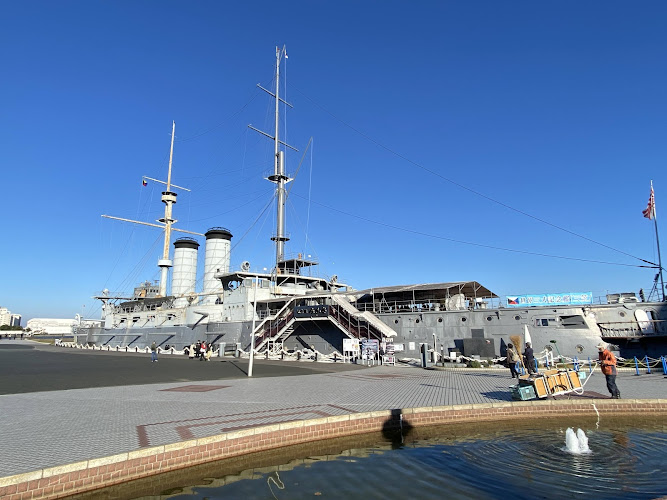
Mikasa Memorial Warship
About Mikasa Memorial Warship
Description
The Mikasa Memorial Warship isn’t just another history museum you walk through and promptly forget. It’s a full-on battleship, steel and rivets and all, and it carries the weight of a turning point in modern naval history. This refurbished Japanese battleship played a central role during the Russo-Japanese War, most famously at the Battle of Tsushima in 1905. And yeah, that battle mattered. It reshaped global perceptions of naval power and proved, loudly, that Japan had arrived on the world stage.
What strikes most travelers first is the sheer physical presence of Mikasa. She sits low and heavy, like a retired prizefighter that still looks capable of throwing a punch. You’re not peering at a model behind glass. You’re stepping onto real decks where sailors once worked, worried, celebrated, and probably complained about the food. I remember standing near the main guns thinking, wow, these things once roared across open water. It gives you goosebumps, or at least it did for me.
Inside, the ship has been carefully adapted into a history museum without scrubbing away its soul. Exhibit rooms explain the Russo-Japanese War in clear, mostly straightforward terms, with uniforms, maps, photographs, and personal artifacts. It doesn’t sugarcoat things, but it also doesn’t drown you in academic jargon. Travelers who aren’t hardcore military history fans usually find it approachable, which is harder to pull off than it sounds.
And yes, it’s family-friendly. Kids can run their hands along railings and peer into tight quarters, imagining what life at sea must have been like. Adults, meanwhile, often linger a bit longer, reading plaques and quietly processing how much global history unfolded on floating hunks of metal like this. It’s reflective without being gloomy. Serious, but not stiff.
The atmosphere feels respectful, sometimes even personal. You’re not rushed through. Some visitors breeze through in under an hour, others take their sweet time. That range tells you something. Mikasa works on different levels, depending on how deep you want to go.
Key Features
- Authentic pre-dreadnought battleship preserved as a walkable museum
- Exhibit rooms explaining the Russo-Japanese War with artifacts and visuals
- Main deck access, including massive naval guns and observation points
- Interior spaces showing crew quarters and operational areas
- Wheelchair-accessible entrance, restrooms, and seating throughout much of the ship
- Onsite services, including restrooms and Wi‑Fi
- Wheelchair rental available for visitors who need it
- Good balance between historical depth and easy-to-follow storytelling
- Family-friendly layout that works for kids and adults alike
Best Time to Visit
Timing your visit to the Mikasa Memorial Warship can make a real difference. Late spring and early autumn are usually the sweet spots. The weather is mild, which matters more than you might expect, since you’ll be spending time outdoors on the deck. Summer can get humid, and standing on steel under direct sun? Let’s just say it tests your patience.
Mornings tend to be quieter. If you show up early, you’ll hear more footsteps than voices, and it’s easier to linger at exhibits without someone hovering behind you. By midday, especially on weekends and school holidays, the ship draws more families and tour groups. It never feels chaotic, but it does get busier.
Weekdays are ideal if your schedule allows. I once went on a weekday afternoon and practically had entire sections to myself. That kind of calm lets the place sink in. You read more. You think more. And maybe that’s the point.
Rainy days are a mixed bag. The interior exhibits are fine, obviously, but the deck experience loses a bit of its magic when you’re dodging puddles. Still, if crowds stress you out, a light drizzle can scare some folks away and give you breathing room.
How to Get There
Getting to the Mikasa Memorial Warship is fairly straightforward, even if you’re not super confident navigating Japanese transit systems. Public transportation does most of the heavy lifting. Trains and buses run regularly, and signage in the area is generally clear, with English support where it counts.
If you’re already exploring nearby cities, adding Mikasa as a half-day stop makes sense. It doesn’t require a massive time commitment, but it rewards curiosity. And for travelers who prefer driving, onsite parking is available, which is honestly a relief. Just note that while many areas of the ship are accessible, the parking lot itself isn’t fully wheelchair accessible, so plan accordingly if that’s a concern.
Walking routes in the surrounding area are pleasant and manageable. You don’t need to be an endurance walker. Comfortable shoes are enough. And yes, bring them. Steel decks and staircases are not flip-flop friendly. Learned that one the hard way years ago, not here, but still.
Tips for Visiting
First tip: give yourself more time than you think you’ll need. Many travelers assume they’ll breeze through in 45 minutes and move on. Then they get inside, start reading, start imagining, and suddenly an hour and a half has passed. That’s normal. Let it happen.
Second, read the exhibits in order if you can. The story of Mikasa and the Russo-Japanese War unfolds chronologically, and skipping around makes it harder to grasp why this ship matters so much. It’s like watching a movie out of sequence. You can do it, but why?
Photography is allowed in many areas, but be respectful. This isn’t a theme park. It’s a memorial warship. Snapping a quick photo of the guns is fine. Climbing on things or blocking walkways for selfies, not so much. Most visitors seem to get that, thankfully.
If you’re visiting with kids, talk to them beforehand. Frame the visit as a real ship with real people, not just a big metal playground. When kids understand that, they tend to behave better and ask smarter questions. I’ve seen it happen more than once.
Accessibility-wise, the site does a solid job. Wheelchair-accessible entrances, restrooms, and seating are available, and wheelchair rentals help a lot. Still, it’s an old battleship at heart. Some narrow passages and stairs can’t be fully adapted. Staff are usually helpful if you need guidance.
There’s Wi‑Fi onsite, which comes in handy if you want to look up extra context or translate something on the fly. Just don’t spend the whole visit staring at your phone. This place deserves your attention, even if just for a little while.
Food isn’t available on the ship, so eat beforehand or plan to grab a meal after. Visiting on an empty stomach makes everything feel longer, and not in a good way. Trust me.
Lastly, go in with an open mind. You don’t need to be a military history buff to appreciate the Mikasa Memorial Warship. It’s about technology, yes, and strategy, sure. But it’s also about people, ambition, fear, and change. And standing on those decks, you feel that, even if you can’t quite put it into words. That’s when you know a museum has done its job.
Key Features
- Authentic pre-dreadnought battleship preserved as a walkable museum
- Exhibit rooms explaining the Russo-Japanese War with artifacts and visuals
- Main deck access, including massive naval guns and observation points
- Interior spaces showing crew quarters and operational areas
- Wheelchair-accessible entrance, restrooms, and seating throughout much of the ship
- Onsite services, including restrooms and Wi‑Fi
- Wheelchair rental available for visitors who need it
- Good balance between historical depth and easy-to-follow storytelling
More Details
Updated December 31, 2025
Table of Contents
Description
The Mikasa Memorial Warship isn’t just another history museum you walk through and promptly forget. It’s a full-on battleship, steel and rivets and all, and it carries the weight of a turning point in modern naval history. This refurbished Japanese battleship played a central role during the Russo-Japanese War, most famously at the Battle of Tsushima in 1905. And yeah, that battle mattered. It reshaped global perceptions of naval power and proved, loudly, that Japan had arrived on the world stage.
What strikes most travelers first is the sheer physical presence of Mikasa. She sits low and heavy, like a retired prizefighter that still looks capable of throwing a punch. You’re not peering at a model behind glass. You’re stepping onto real decks where sailors once worked, worried, celebrated, and probably complained about the food. I remember standing near the main guns thinking, wow, these things once roared across open water. It gives you goosebumps, or at least it did for me.
Inside, the ship has been carefully adapted into a history museum without scrubbing away its soul. Exhibit rooms explain the Russo-Japanese War in clear, mostly straightforward terms, with uniforms, maps, photographs, and personal artifacts. It doesn’t sugarcoat things, but it also doesn’t drown you in academic jargon. Travelers who aren’t hardcore military history fans usually find it approachable, which is harder to pull off than it sounds.
And yes, it’s family-friendly. Kids can run their hands along railings and peer into tight quarters, imagining what life at sea must have been like. Adults, meanwhile, often linger a bit longer, reading plaques and quietly processing how much global history unfolded on floating hunks of metal like this. It’s reflective without being gloomy. Serious, but not stiff.
The atmosphere feels respectful, sometimes even personal. You’re not rushed through. Some visitors breeze through in under an hour, others take their sweet time. That range tells you something. Mikasa works on different levels, depending on how deep you want to go.
Key Features
- Authentic pre-dreadnought battleship preserved as a walkable museum
- Exhibit rooms explaining the Russo-Japanese War with artifacts and visuals
- Main deck access, including massive naval guns and observation points
- Interior spaces showing crew quarters and operational areas
- Wheelchair-accessible entrance, restrooms, and seating throughout much of the ship
- Onsite services, including restrooms and Wi‑Fi
- Wheelchair rental available for visitors who need it
- Good balance between historical depth and easy-to-follow storytelling
- Family-friendly layout that works for kids and adults alike
Best Time to Visit
Timing your visit to the Mikasa Memorial Warship can make a real difference. Late spring and early autumn are usually the sweet spots. The weather is mild, which matters more than you might expect, since you’ll be spending time outdoors on the deck. Summer can get humid, and standing on steel under direct sun? Let’s just say it tests your patience.
Mornings tend to be quieter. If you show up early, you’ll hear more footsteps than voices, and it’s easier to linger at exhibits without someone hovering behind you. By midday, especially on weekends and school holidays, the ship draws more families and tour groups. It never feels chaotic, but it does get busier.
Weekdays are ideal if your schedule allows. I once went on a weekday afternoon and practically had entire sections to myself. That kind of calm lets the place sink in. You read more. You think more. And maybe that’s the point.
Rainy days are a mixed bag. The interior exhibits are fine, obviously, but the deck experience loses a bit of its magic when you’re dodging puddles. Still, if crowds stress you out, a light drizzle can scare some folks away and give you breathing room.
How to Get There
Getting to the Mikasa Memorial Warship is fairly straightforward, even if you’re not super confident navigating Japanese transit systems. Public transportation does most of the heavy lifting. Trains and buses run regularly, and signage in the area is generally clear, with English support where it counts.
If you’re already exploring nearby cities, adding Mikasa as a half-day stop makes sense. It doesn’t require a massive time commitment, but it rewards curiosity. And for travelers who prefer driving, onsite parking is available, which is honestly a relief. Just note that while many areas of the ship are accessible, the parking lot itself isn’t fully wheelchair accessible, so plan accordingly if that’s a concern.
Walking routes in the surrounding area are pleasant and manageable. You don’t need to be an endurance walker. Comfortable shoes are enough. And yes, bring them. Steel decks and staircases are not flip-flop friendly. Learned that one the hard way years ago, not here, but still.
Tips for Visiting
First tip: give yourself more time than you think you’ll need. Many travelers assume they’ll breeze through in 45 minutes and move on. Then they get inside, start reading, start imagining, and suddenly an hour and a half has passed. That’s normal. Let it happen.
Second, read the exhibits in order if you can. The story of Mikasa and the Russo-Japanese War unfolds chronologically, and skipping around makes it harder to grasp why this ship matters so much. It’s like watching a movie out of sequence. You can do it, but why?
Photography is allowed in many areas, but be respectful. This isn’t a theme park. It’s a memorial warship. Snapping a quick photo of the guns is fine. Climbing on things or blocking walkways for selfies, not so much. Most visitors seem to get that, thankfully.
If you’re visiting with kids, talk to them beforehand. Frame the visit as a real ship with real people, not just a big metal playground. When kids understand that, they tend to behave better and ask smarter questions. I’ve seen it happen more than once.
Accessibility-wise, the site does a solid job. Wheelchair-accessible entrances, restrooms, and seating are available, and wheelchair rentals help a lot. Still, it’s an old battleship at heart. Some narrow passages and stairs can’t be fully adapted. Staff are usually helpful if you need guidance.
There’s Wi‑Fi onsite, which comes in handy if you want to look up extra context or translate something on the fly. Just don’t spend the whole visit staring at your phone. This place deserves your attention, even if just for a little while.
Food isn’t available on the ship, so eat beforehand or plan to grab a meal after. Visiting on an empty stomach makes everything feel longer, and not in a good way. Trust me.
Lastly, go in with an open mind. You don’t need to be a military history buff to appreciate the Mikasa Memorial Warship. It’s about technology, yes, and strategy, sure. But it’s also about people, ambition, fear, and change. And standing on those decks, you feel that, even if you can’t quite put it into words. That’s when you know a museum has done its job.
Key Highlights
- Authentic pre-dreadnought battleship preserved as a walkable museum
- Exhibit rooms explaining the Russo-Japanese War with artifacts and visuals
- Main deck access, including massive naval guns and observation points
- Interior spaces showing crew quarters and operational areas
- Wheelchair-accessible entrance, restrooms, and seating throughout much of the ship
- Onsite services, including restrooms and Wi‑Fi
- Wheelchair rental available for visitors who need it
- Good balance between historical depth and easy-to-follow storytelling
Location
Places to Stay Near Mikasa Memorial Warship
Find and Book a Tour
Explore More Travel Guides
No reviews found! Be the first to review!
Traveler Reviews for Mikasa Memorial Warship
There are no reviews yet. Be the first one to write one.
Have you visited Mikasa Memorial Warship? Help other travelers by sharing your review.
You Might Also Like
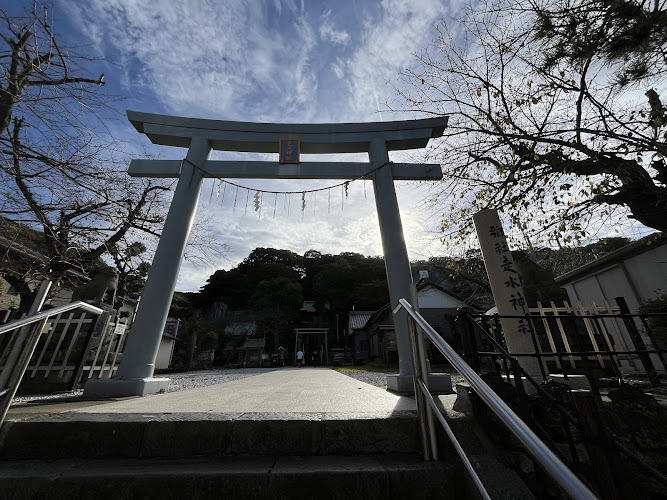
Hashirimizu Shrine
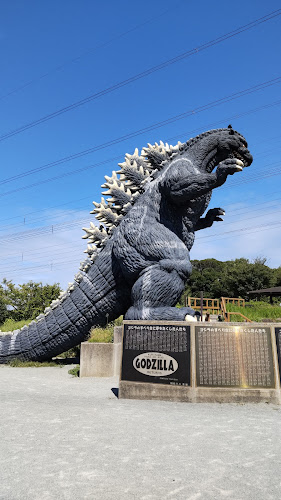
Kurihama Flower World
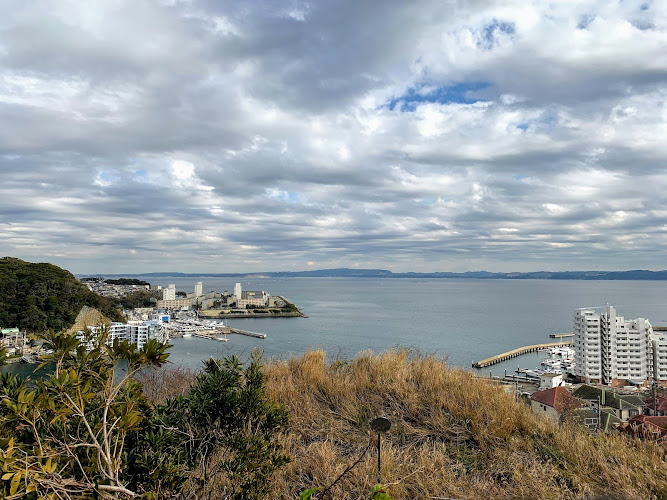
Atagoyama Park
Find Accommodations Nearby
Recommended Tours & Activities
Visitor Reviews
There are no reviews yet. Be the first one to write one.
Share Your Experience
Have you visited Mikasa Memorial Warship? Help other travelers by leaving a review.