
Chinnakada Clock Tower
About Chinnakada Clock Tower
Description
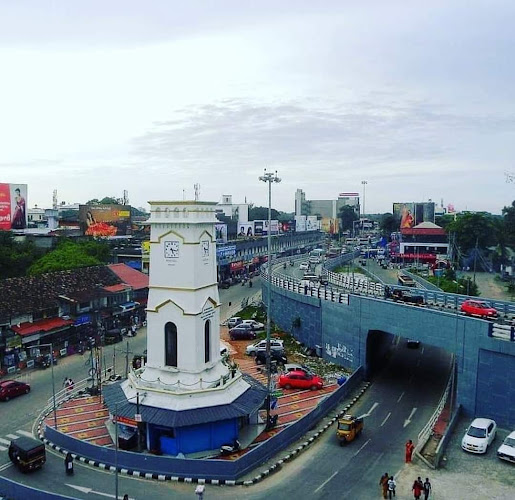
The Chinnakada Clock Tower stands right in the thick of everyday life, not behind gates or ticket counters, and that’s probably why travelers remember it long after they’ve left the city. Built in the 1940s, this brick-and-white-cement tower has a clock face looking out in all four directions, like it’s quietly keeping an eye on everything. Buses hiss to a stop nearby, vendors shout prices, and time just… keeps moving. And honestly, that’s part of the charm. This isn’t the kind of historical landmark where you whisper and tiptoe. It’s noisy, chaotic, and deeply real. The clock tower has seen decades of change roll past its base—political rallies, evening strolls, sudden rainstorms, impatient honking, and kids darting through traffic like it’s a game. Travelers often expect a grand monument experience, but what they get instead is a front-row seat to daily life. And that can be way more memorable. The structure itself is simple but confident. No fancy carvings, no flashy extras. Brickwork holds its own, paired with clean white cement that makes the tower stand out even on gloomy days. The clocks are easy to read, which sounds obvious, but you’d be surprised how many old clock towers fail at being clocks. This one still does its job, marking time for shopkeepers opening shutters and commuters glancing up, late again. There’s a certain nostalgia attached to Chinnakada Clock Tower. Locals talk about it the way people talk about an old neighbor—reliable, familiar, occasionally ignored, but always there. A traveler once told me they felt like they understood the city better after spending just half an hour near the tower. I get that. When you stand there, watching traffic swirl around it like water around a rock, you realize this tower isn’t frozen in the past. It’s part of the present, still working, still relevant. It’s also surprisingly photogenic if you’re patient. Early morning light hits the white cement just right, and by evening, the whole area takes on a gritty, cinematic feel. Not postcard-pretty, maybe, but honest. And sometimes that honesty is exactly what you travel for.Key Features
- Historic clock tower built in the 1940s, still functioning as a public timekeeper
- Four clock faces, each oriented toward a different direction for maximum visibility
- Constructed using brick and white cement, giving it a clean yet old-school look
- Located at a major junction, making it a natural meeting point for locals
- Open-air setting with no entry restrictions or tickets required
- Good for kids to observe city life and learn about everyday heritage
- Surrounded by shops, food stalls, and constant street activity
- One of those landmarks people use for directions, not just photos
Best Time to Visit
Timing matters here, more than you’d think. The Chinnakada Clock Tower changes personality depending on the hour. Early mornings are calm-ish. Shopkeepers sweep pavements, buses aren’t fully awake yet, and the air feels lighter. If you like photography or just want a few quiet minutes to take it all in, this is your window. The clock faces are clear, the light is soft, and you won’t be dodging traffic every two seconds. Late afternoons slide into peak chaos. And I mean that in a good way, mostly. This is when the area shows its true colors. People rushing home, street vendors setting up, conversations overlapping. If you want to understand how the city breathes, come around this time. Just don’t expect peace and quiet. Bring patience. And maybe good walking shoes. Evenings are interesting too. The tower becomes more of a backdrop than a focal point, but it still holds the scene together. Lights from nearby shops reflect off the white cement, and the clocks glow just enough to catch your eye. I once stood there longer than planned because a sudden drizzle turned the whole junction into a reflective mess of headlights and umbrellas. Totally unplanned, totally worth it. Season-wise, drier months are more comfortable. Monsoon visits have their own drama, but also puddles, slippery roads, and a higher chance of you questioning your life choices. Winter-ish months are easiest for travelers, especially if you plan to linger.How to Get There
Getting to the Chinnakada Clock Tower is straightforward because, frankly, everything seems to lead there. It sits at a busy junction, so most locals know it instinctively. Auto-rickshaws, taxis, buses—take your pick. If you’re using public transport, just mention the clock tower and chances are the driver will nod before you finish the sentence. Walking is an option if you’re staying nearby, but be alert. Traffic doesn’t really believe in pedestrians here. Crossing the road is less about signals and more about confidence. Walk like you know what you’re doing, even if you don’t. That’s an unspoken rule. For travelers who enjoy observing street life, approaching the tower on foot is actually rewarding. You’ll pass small shops, snack stalls, and random scenes that never make it into guidebooks. And yes, you might get lost for a minute or two, but that’s part of it. I once followed the sound of frying snacks and ended up circling back to the tower from a completely different angle. No regrets. Parking can be tricky, especially during peak hours. If you’re driving, patience is key. And maybe a willingness to park a little farther away and walk.Tips for Visiting
First things first: this is not a polished tourist site. And that’s exactly why you should adjust expectations. There are no guided tours, no plaques explaining history in neat paragraphs. You learn by watching, listening, and asking locals if you’re curious. Most people are happy to chat, especially if you’re genuinely interested. Keep an eye on your belongings. Not because the area is unsafe, but because it’s crowded and fast-moving. Common sense goes a long way. Cross streets carefully, watch traffic from all sides, and don’t assume vehicles will stop just because you exist. If you’re traveling with kids, this spot can be oddly educational. They see how a city functions, how people interact, how time is literally marked by a shared structure. Just hold their hands tight near the roads. Photography tip: don’t just shoot the tower. Frame it with the chaos around it. A bus passing, a vendor shouting, someone checking the time. Those moments tell the real story. And if someone notices you photographing, smile. It helps. Trust me. Food stalls nearby are tempting, and often delicious, but pick ones that look busy. High turnover usually means fresher food. I learned that lesson the hard way once, and let’s just say my stomach remembered it longer than my camera did. Also, don’t rush. The clock tower isn’t about ticking off a checklist. Stand there. Watch people use it as a landmark, a meeting point, a reference. Someone will say, “Meet near the clock,” and that’s when it clicks—this structure matters because it’s useful, not because it’s famous. And finally, accept the imperfections. The noise, the dust, the occasional confusion. They’re part of the experience. Chinnakada Clock Tower doesn’t try to impress you. It just exists, steady and unbothered. And in a world obsessed with new and shiny, that quiet confidence is refreshing.Key Features
- Historic clock tower built in the 1940s, still functioning as a public timekeeper
- Four clock faces, each oriented toward a different direction for maximum visibility
- Constructed using brick and white cement, giving it a clean yet old-school look
- Located at a major junction, making it a natural meeting point for locals
- Open-air setting with no entry restrictions or tickets required
- Good for kids to observe city life and learn about everyday heritage
- Surrounded by shops, food stalls, and constant street activity
- One of those landmarks people use for directions, not just photos
More Details
Updated December 31, 2025
Table of Contents
Description
The Chinnakada Clock Tower stands right in the thick of everyday life, not behind gates or ticket counters, and that’s probably why travelers remember it long after they’ve left the city. Built in the 1940s, this brick-and-white-cement tower has a clock face looking out in all four directions, like it’s quietly keeping an eye on everything. Buses hiss to a stop nearby, vendors shout prices, and time just… keeps moving. And honestly, that’s part of the charm.
This isn’t the kind of historical landmark where you whisper and tiptoe. It’s noisy, chaotic, and deeply real. The clock tower has seen decades of change roll past its base—political rallies, evening strolls, sudden rainstorms, impatient honking, and kids darting through traffic like it’s a game. Travelers often expect a grand monument experience, but what they get instead is a front-row seat to daily life. And that can be way more memorable.
The structure itself is simple but confident. No fancy carvings, no flashy extras. Brickwork holds its own, paired with clean white cement that makes the tower stand out even on gloomy days. The clocks are easy to read, which sounds obvious, but you’d be surprised how many old clock towers fail at being clocks. This one still does its job, marking time for shopkeepers opening shutters and commuters glancing up, late again.
There’s a certain nostalgia attached to Chinnakada Clock Tower. Locals talk about it the way people talk about an old neighbor—reliable, familiar, occasionally ignored, but always there. A traveler once told me they felt like they understood the city better after spending just half an hour near the tower. I get that. When you stand there, watching traffic swirl around it like water around a rock, you realize this tower isn’t frozen in the past. It’s part of the present, still working, still relevant.
It’s also surprisingly photogenic if you’re patient. Early morning light hits the white cement just right, and by evening, the whole area takes on a gritty, cinematic feel. Not postcard-pretty, maybe, but honest. And sometimes that honesty is exactly what you travel for.
Key Features
- Historic clock tower built in the 1940s, still functioning as a public timekeeper
- Four clock faces, each oriented toward a different direction for maximum visibility
- Constructed using brick and white cement, giving it a clean yet old-school look
- Located at a major junction, making it a natural meeting point for locals
- Open-air setting with no entry restrictions or tickets required
- Good for kids to observe city life and learn about everyday heritage
- Surrounded by shops, food stalls, and constant street activity
- One of those landmarks people use for directions, not just photos
Best Time to Visit
Timing matters here, more than you’d think. The Chinnakada Clock Tower changes personality depending on the hour. Early mornings are calm-ish. Shopkeepers sweep pavements, buses aren’t fully awake yet, and the air feels lighter. If you like photography or just want a few quiet minutes to take it all in, this is your window. The clock faces are clear, the light is soft, and you won’t be dodging traffic every two seconds.
Late afternoons slide into peak chaos. And I mean that in a good way, mostly. This is when the area shows its true colors. People rushing home, street vendors setting up, conversations overlapping. If you want to understand how the city breathes, come around this time. Just don’t expect peace and quiet. Bring patience. And maybe good walking shoes.
Evenings are interesting too. The tower becomes more of a backdrop than a focal point, but it still holds the scene together. Lights from nearby shops reflect off the white cement, and the clocks glow just enough to catch your eye. I once stood there longer than planned because a sudden drizzle turned the whole junction into a reflective mess of headlights and umbrellas. Totally unplanned, totally worth it.
Season-wise, drier months are more comfortable. Monsoon visits have their own drama, but also puddles, slippery roads, and a higher chance of you questioning your life choices. Winter-ish months are easiest for travelers, especially if you plan to linger.
How to Get There
Getting to the Chinnakada Clock Tower is straightforward because, frankly, everything seems to lead there. It sits at a busy junction, so most locals know it instinctively. Auto-rickshaws, taxis, buses—take your pick. If you’re using public transport, just mention the clock tower and chances are the driver will nod before you finish the sentence.
Walking is an option if you’re staying nearby, but be alert. Traffic doesn’t really believe in pedestrians here. Crossing the road is less about signals and more about confidence. Walk like you know what you’re doing, even if you don’t. That’s an unspoken rule.
For travelers who enjoy observing street life, approaching the tower on foot is actually rewarding. You’ll pass small shops, snack stalls, and random scenes that never make it into guidebooks. And yes, you might get lost for a minute or two, but that’s part of it. I once followed the sound of frying snacks and ended up circling back to the tower from a completely different angle. No regrets.
Parking can be tricky, especially during peak hours. If you’re driving, patience is key. And maybe a willingness to park a little farther away and walk.
Tips for Visiting
First things first: this is not a polished tourist site. And that’s exactly why you should adjust expectations. There are no guided tours, no plaques explaining history in neat paragraphs. You learn by watching, listening, and asking locals if you’re curious. Most people are happy to chat, especially if you’re genuinely interested.
Keep an eye on your belongings. Not because the area is unsafe, but because it’s crowded and fast-moving. Common sense goes a long way. Cross streets carefully, watch traffic from all sides, and don’t assume vehicles will stop just because you exist.
If you’re traveling with kids, this spot can be oddly educational. They see how a city functions, how people interact, how time is literally marked by a shared structure. Just hold their hands tight near the roads.
Photography tip: don’t just shoot the tower. Frame it with the chaos around it. A bus passing, a vendor shouting, someone checking the time. Those moments tell the real story. And if someone notices you photographing, smile. It helps. Trust me.
Food stalls nearby are tempting, and often delicious, but pick ones that look busy. High turnover usually means fresher food. I learned that lesson the hard way once, and let’s just say my stomach remembered it longer than my camera did.
Also, don’t rush. The clock tower isn’t about ticking off a checklist. Stand there. Watch people use it as a landmark, a meeting point, a reference. Someone will say, “Meet near the clock,” and that’s when it clicks—this structure matters because it’s useful, not because it’s famous.
And finally, accept the imperfections. The noise, the dust, the occasional confusion. They’re part of the experience. Chinnakada Clock Tower doesn’t try to impress you. It just exists, steady and unbothered. And in a world obsessed with new and shiny, that quiet confidence is refreshing.
Key Highlights
- Historic clock tower built in the 1940s, still functioning as a public timekeeper
- Four clock faces, each oriented toward a different direction for maximum visibility
- Constructed using brick and white cement, giving it a clean yet old-school look
- Located at a major junction, making it a natural meeting point for locals
- Open-air setting with no entry restrictions or tickets required
- Good for kids to observe city life and learn about everyday heritage
- Surrounded by shops, food stalls, and constant street activity
- One of those landmarks people use for directions, not just photos
Location
Places to Stay Near Chinnakada Clock Tower
Find and Book a Tour
Explore More Travel Guides
No reviews found! Be the first to review!
Traveler Reviews for Chinnakada Clock Tower
There are no reviews yet. Be the first one to write one.
Have you visited Chinnakada Clock Tower? Help other travelers by sharing your review.
You Might Also Like

St. Thomas Syro-Malabar Church, Kadappakada
Thangassery Light House
Our Lady of Purification Roman Catholic Church, Thomasleha palli
Find Accommodations Nearby
Recommended Tours & Activities
Visitor Reviews
There are no reviews yet. Be the first one to write one.
Share Your Experience
Have you visited Chinnakada Clock Tower? Help other travelers by leaving a review.