
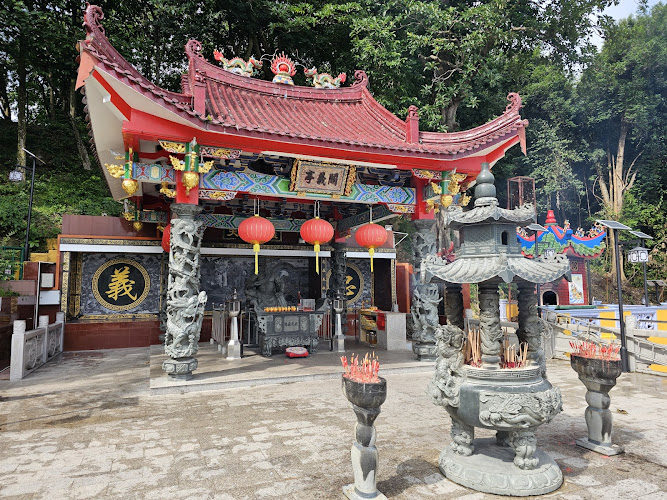
Tokong Then Sze Koon
About Tokong Then Sze Koon
Description
Tokong Then Sze Koon isn’t the kind of place you rush through with a checklist and a camera glued to your face. It’s slower than that. Calmer. And honestly, a little confusing in a good way if you’re new to Taoist-Buddhist temples. This place functions as both, and that layered identity is part of its quiet charm. One minute you’re standing in front of Taoist deities, the next you’re noticing Buddhist iconography that feels familiar yet slightly different. It makes you pause. And think. Or at least it made me pause, and I’m not even particularly religious.
Travelers often come here looking for a cultural attraction, but many end up staying longer than planned. It’s not because there’s a ton to “do” in the usual tourist sense. It’s more about atmosphere. The air smells faintly of incense, even when no one is actively praying. You hear soft murmurs, the clink of offering bowls, maybe a bell if you’re lucky. And then there’s this feeling that you should lower your voice, even if no one tells you to.
The temple grounds are well-kept, but not flashy. That’s something I appreciated. No over-the-top decorations screaming for attention. Instead, there’s a grounded, lived-in quality, like this place has been doing its job for a long time and doesn’t feel the need to impress anyone. Some travelers might expect a dramatic, jaw-dropping sight and walk away a bit underwhelmed. Others, especially those who enjoy meaningful stops, tend to rate it highly. Fair enough, both sides.
Tokong Then Sze Koon functions first and foremost as a place of worship. You’ll see locals stopping by to pray before work, families bringing children, elderly devotees lingering quietly. As a visitor, you’re stepping into someone else’s routine, and that’s worth remembering. I once sat on a bench here watching an older man carefully arrange joss sticks, his hands shaking just slightly. It felt personal. I put my phone away after that.
For travelers interested in spiritual tourism, Asian religious practices, or simply understanding local culture beyond food and shopping, this temple offers real value. And yes, it’s also practical. There are restrooms on-site, and accessibility has clearly been considered, which matters more than people admit when planning long sightseeing days.
Key Features
- Combination Taoist and Buddhist temple, offering a rare dual-religion experience in one space
- Active place of worship where daily prayers and rituals still take place
- Calm, respectful environment that encourages quiet observation and reflection
- Detailed statues and altars representing multiple deities and spiritual figures
- Wheelchair-accessible parking, making it easier for elderly visitors and travelers with mobility needs
- On-site restrooms, which sounds boring until you really need one
- Welcoming to visitors, as long as basic temple etiquette is followed
- A balanced mix of local devotees and curious travelers, not overwhelmed by crowds
Best Time to Visit
If you’re asking me, mornings are the sweet spot. Early mornings, especially. There’s something about arriving when the day hasn’t fully woken up yet. The light is softer, the temperature more forgiving, and you’ll mostly share the space with locals doing their daily prayers. It feels authentic, like you’re seeing the temple as it’s meant to be seen.
Midday can get warm, depending on the season, and the quiet atmosphere shifts a bit as more visitors arrive. It’s still fine, just different. Afternoons are calmer again, though the light can be harsher for photos if that’s your thing. I personally don’t think Tokong Then Sze Koon is about Instagram shots anyway. It’s more of a mental snapshot kind of place.
During religious festivals or important dates in the lunar calendar, the temple becomes noticeably busier. Incense smoke thickens, offerings pile up, and there’s a buzz of energy that’s interesting to witness once. But if you’re sensitive to crowds or noise, maybe avoid those days. Or lean into it. Sometimes travel is about stepping out of your comfort zone, right?
Weekdays are generally quieter than weekends. If you’re traveling on a tight schedule and want a peaceful visit without feeling rushed, aim for a weekday morning. And check the weather. Rainy days add a moody, reflective feel, but walking around can be less comfortable.
How to Get There
Getting to Tokong Then Sze Koon isn’t complicated, but it does depend on how you like to travel. If you’re using a car or ride-hailing service, it’s fairly straightforward. Most drivers know the temple by name, or at least recognize it once you’re nearby. Parking is available, and the fact that it’s wheelchair accessible is a big plus, not just for those who need it but for anyone traveling with elderly family members.
Public transport users will need a bit of patience. Depending on where you’re coming from, you might combine a bus ride with a short walk. The walk itself is manageable and gives you a chance to observe the surrounding area, which I always enjoy. It’s not one of those “walks of doom” where you question your life choices halfway through. More like a gentle lead-in to the temple experience.
If you’re the type who likes guided tours, some local itineraries include Tokong Then Sze Koon as a cultural stop. Personally, I prefer visiting temples solo or with one other person. It allows you to move at your own pace and linger where you feel drawn. But that’s just me being stubbornly independent.
Tips for Visiting
First things first: dress respectfully. You don’t need to go full conservative, but cover shoulders and knees if you can. It’s a small effort that goes a long way in showing respect. I’ve seen visitors get uncomfortable looks, and trust me, that awkward feeling sticks with you longer than the visit itself.
Lower your voice. Even if no one explicitly tells you to, it’s just good manners. This isn’t a museum, and it’s not a backdrop for loud conversations. If you’re traveling with kids, a quick gentle reminder helps. Kids actually do surprisingly well in places like this when given a bit of context.
Photography is generally okay, but be mindful. Avoid taking photos of people praying unless you have clear permission. I usually take a few wide shots and then put the camera away. Some moments are better remembered than documented.
If you want to participate in prayer, observe first. Watch how locals do it. Follow their lead. No one expects perfection, and there’s no pressure. But rushing through rituals just to say you did it feels… off. Take your time.
Bring small change if you plan to make offerings. It’s not mandatory, but it’s part of the experience for many visitors. And don’t overthink it. The act matters more than the amount.
Use the restroom before leaving if you need to. I say this because once you’re back out exploring, you might not find another one quickly. Travel wisdom learned the hard way, folks.
Lastly, give yourself permission to just sit. Find a bench or a quiet corner and do nothing for five or ten minutes. No scrolling, no planning the next stop. Just sit. In a world obsessed with speed, Tokong Then Sze Koon offers a rare excuse to slow down. And honestly, that might be the most valuable thing you take away from the visit.
Key Features
- Combination Taoist and Buddhist temple, offering a rare dual-religion experience in one space
- Active place of worship where daily prayers and rituals still take place
- Calm, respectful environment that encourages quiet observation and reflection
- Detailed statues and altars representing multiple deities and spiritual figures
- Wheelchair-accessible parking, making it easier for elderly visitors and travelers with mobility needs
- On-site restrooms, which sounds boring until you really need one
- Welcoming to visitors, as long as basic temple etiquette is followed
- A balanced mix of local devotees and curious travelers, not overwhelmed by crowds
More Details
Updated January 1, 2026
Description
Tokong Then Sze Koon isn’t the kind of place you rush through with a checklist and a camera glued to your face. It’s slower than that. Calmer. And honestly, a little confusing in a good way if you’re new to Taoist-Buddhist temples. This place functions as both, and that layered identity is part of its quiet charm. One minute you’re standing in front of Taoist deities, the next you’re noticing Buddhist iconography that feels familiar yet slightly different. It makes you pause. And think. Or at least it made me pause, and I’m not even particularly religious.
Travelers often come here looking for a cultural attraction, but many end up staying longer than planned. It’s not because there’s a ton to “do” in the usual tourist sense. It’s more about atmosphere. The air smells faintly of incense, even when no one is actively praying. You hear soft murmurs, the clink of offering bowls, maybe a bell if you’re lucky. And then there’s this feeling that you should lower your voice, even if no one tells you to.
The temple grounds are well-kept, but not flashy. That’s something I appreciated. No over-the-top decorations screaming for attention. Instead, there’s a grounded, lived-in quality, like this place has been doing its job for a long time and doesn’t feel the need to impress anyone. Some travelers might expect a dramatic, jaw-dropping sight and walk away a bit underwhelmed. Others, especially those who enjoy meaningful stops, tend to rate it highly. Fair enough, both sides.
Tokong Then Sze Koon functions first and foremost as a place of worship. You’ll see locals stopping by to pray before work, families bringing children, elderly devotees lingering quietly. As a visitor, you’re stepping into someone else’s routine, and that’s worth remembering. I once sat on a bench here watching an older man carefully arrange joss sticks, his hands shaking just slightly. It felt personal. I put my phone away after that.
For travelers interested in spiritual tourism, Asian religious practices, or simply understanding local culture beyond food and shopping, this temple offers real value. And yes, it’s also practical. There are restrooms on-site, and accessibility has clearly been considered, which matters more than people admit when planning long sightseeing days.
Key Features
- Combination Taoist and Buddhist temple, offering a rare dual-religion experience in one space
- Active place of worship where daily prayers and rituals still take place
- Calm, respectful environment that encourages quiet observation and reflection
- Detailed statues and altars representing multiple deities and spiritual figures
- Wheelchair-accessible parking, making it easier for elderly visitors and travelers with mobility needs
- On-site restrooms, which sounds boring until you really need one
- Welcoming to visitors, as long as basic temple etiquette is followed
- A balanced mix of local devotees and curious travelers, not overwhelmed by crowds
Best Time to Visit
If you’re asking me, mornings are the sweet spot. Early mornings, especially. There’s something about arriving when the day hasn’t fully woken up yet. The light is softer, the temperature more forgiving, and you’ll mostly share the space with locals doing their daily prayers. It feels authentic, like you’re seeing the temple as it’s meant to be seen.
Midday can get warm, depending on the season, and the quiet atmosphere shifts a bit as more visitors arrive. It’s still fine, just different. Afternoons are calmer again, though the light can be harsher for photos if that’s your thing. I personally don’t think Tokong Then Sze Koon is about Instagram shots anyway. It’s more of a mental snapshot kind of place.
During religious festivals or important dates in the lunar calendar, the temple becomes noticeably busier. Incense smoke thickens, offerings pile up, and there’s a buzz of energy that’s interesting to witness once. But if you’re sensitive to crowds or noise, maybe avoid those days. Or lean into it. Sometimes travel is about stepping out of your comfort zone, right?
Weekdays are generally quieter than weekends. If you’re traveling on a tight schedule and want a peaceful visit without feeling rushed, aim for a weekday morning. And check the weather. Rainy days add a moody, reflective feel, but walking around can be less comfortable.
How to Get There
Getting to Tokong Then Sze Koon isn’t complicated, but it does depend on how you like to travel. If you’re using a car or ride-hailing service, it’s fairly straightforward. Most drivers know the temple by name, or at least recognize it once you’re nearby. Parking is available, and the fact that it’s wheelchair accessible is a big plus, not just for those who need it but for anyone traveling with elderly family members.
Public transport users will need a bit of patience. Depending on where you’re coming from, you might combine a bus ride with a short walk. The walk itself is manageable and gives you a chance to observe the surrounding area, which I always enjoy. It’s not one of those “walks of doom” where you question your life choices halfway through. More like a gentle lead-in to the temple experience.
If you’re the type who likes guided tours, some local itineraries include Tokong Then Sze Koon as a cultural stop. Personally, I prefer visiting temples solo or with one other person. It allows you to move at your own pace and linger where you feel drawn. But that’s just me being stubbornly independent.
Tips for Visiting
First things first: dress respectfully. You don’t need to go full conservative, but cover shoulders and knees if you can. It’s a small effort that goes a long way in showing respect. I’ve seen visitors get uncomfortable looks, and trust me, that awkward feeling sticks with you longer than the visit itself.
Lower your voice. Even if no one explicitly tells you to, it’s just good manners. This isn’t a museum, and it’s not a backdrop for loud conversations. If you’re traveling with kids, a quick gentle reminder helps. Kids actually do surprisingly well in places like this when given a bit of context.
Photography is generally okay, but be mindful. Avoid taking photos of people praying unless you have clear permission. I usually take a few wide shots and then put the camera away. Some moments are better remembered than documented.
If you want to participate in prayer, observe first. Watch how locals do it. Follow their lead. No one expects perfection, and there’s no pressure. But rushing through rituals just to say you did it feels… off. Take your time.
Bring small change if you plan to make offerings. It’s not mandatory, but it’s part of the experience for many visitors. And don’t overthink it. The act matters more than the amount.
Use the restroom before leaving if you need to. I say this because once you’re back out exploring, you might not find another one quickly. Travel wisdom learned the hard way, folks.
Lastly, give yourself permission to just sit. Find a bench or a quiet corner and do nothing for five or ten minutes. No scrolling, no planning the next stop. Just sit. In a world obsessed with speed, Tokong Then Sze Koon offers a rare excuse to slow down. And honestly, that might be the most valuable thing you take away from the visit.
Key Highlights
- Combination Taoist and Buddhist temple, offering a rare dual-religion experience in one space
- Active place of worship where daily prayers and rituals still take place
- Calm, respectful environment that encourages quiet observation and reflection
- Detailed statues and altars representing multiple deities and spiritual figures
- Wheelchair-accessible parking, making it easier for elderly visitors and travelers with mobility needs
- On-site restrooms, which sounds boring until you really need one
- Welcoming to visitors, as long as basic temple etiquette is followed
- A balanced mix of local devotees and curious travelers, not overwhelmed by crowds
Location
Places to Stay Near Tokong Then Sze Koon
Find and Book a Tour
Explore More Travel Guides
No reviews found! Be the first to review!
Traveler Reviews for Tokong Then Sze Koon
There are no reviews yet. Be the first one to write one.
Have you visited Tokong Then Sze Koon? Help other travelers by sharing your review.
You Might Also Like
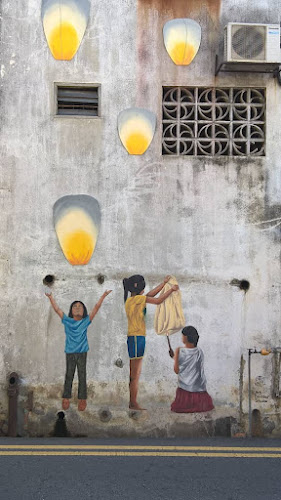
Lorong Seni Seremban
62, Jalan Cempaka 21
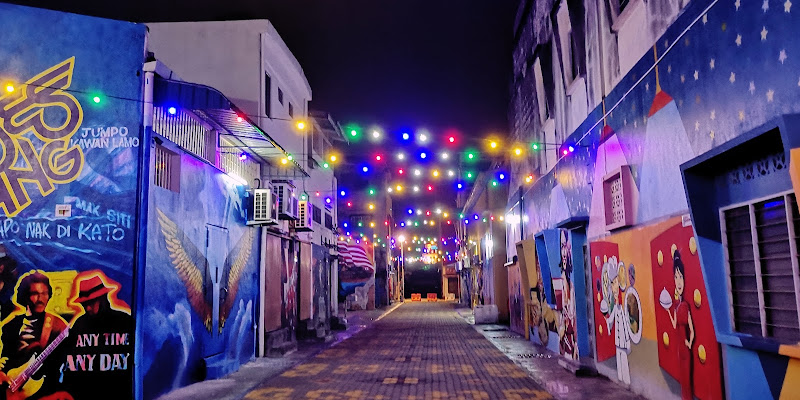
sfir Seremban Mural
Find Accommodations Nearby
Recommended Tours & Activities
Visitor Reviews
There are no reviews yet. Be the first one to write one.
Share Your Experience
Have you visited Tokong Then Sze Koon? Help other travelers by leaving a review.