
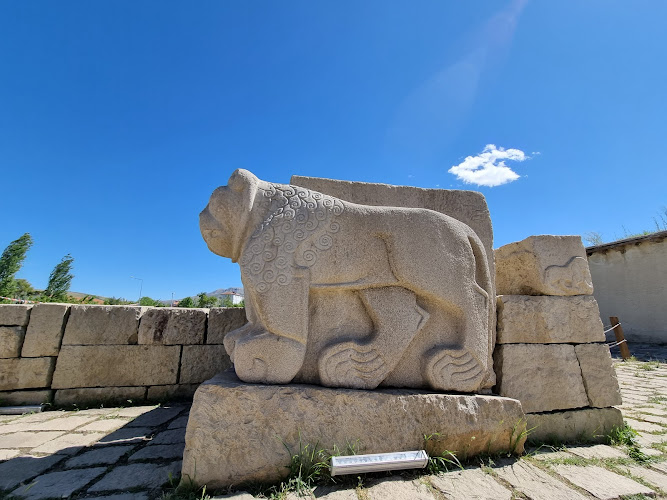
Aslantepe Ruins
About Aslantepe Ruins
Description
The Aslantepe Ruins are the kind of place that quietly rearranges your understanding of history. Not with flashy displays or over-the-top reconstructions, but with mudbrick walls, long-forgotten courtyards, and a sense that you’re standing where power was once invented. Literally. This UNESCO World Heritage Site sits on a low mound, and from a distance it might look modest. But don’t let that fool you. Aslantepe is one of the earliest known state societies in the world, dating back more than 5,000 years. Kings ruled here before crowns were really a thing. Bureaucracy happened here before paper existed. That alone stopped me in my tracks.
The ruins preserve the remains of a massive palace complex, complete with ceremonial halls, storage rooms, and wall paintings that somehow survived millennia of weather, invasions, and human forgetfulness. There are walkable trails laid out sensibly, with information panels that actually explain things without drowning you in academic jargon. And yes, there’s an audio guide system, which I highly recommend. I used it half out of curiosity, half because I was being lazy, and ended up lingering twice as long as planned.
What makes Aslantepe special, at least in my book, is that it doesn’t try to entertain you. It invites you to pay attention. To imagine the clack of sandals on stone floors, the smell of grain in storage rooms, the tension of political rituals. And because it’s not overwhelmed by crowds most days, you get space. Real space. I remember standing under the protective canopy, wind brushing through, and thinking how rare it is to feel alone with history now.
Travelers often compare Aslantepe to more famous ruins and wonder if it’s worth the detour. I’d say yes, especially if you’re the kind of traveler who likes understanding how societies actually worked, not just snapping photos. It’s educational without being stiff, peaceful without being boring, and surprisingly emotional if you let it be.
Key Features
- Extensive remains of an early palace complex that show the birth of centralized power and administration.
- Original mudbrick architecture preserved under a modern protective roof, which helps you visualize the layout clearly.
- Wall paintings and reliefs that hint at ceremonial life and political symbolism.
- Defined walking trails that make exploration easy without trampling sensitive areas.
- Clear, well-written information panels in multiple languages, not just surface-level facts.
- An audio guide system that adds context, stories, and timelines while you wander.
- Family-friendly layout, with enough open space for kids to explore without constant shushing.
- On-site restrooms, which sounds boring but matters more than you think on a hot day.
Best Time to Visit
The best time to visit Aslantepe Ruins is spring or early autumn. March through May and September through October tend to be ideal, with mild temperatures and softer light that makes the textures of the ruins pop. Summer can be rough. I went once in midsummer, stubbornly ignoring advice, and spent half the visit hunting for shade and the other half wishing I’d brought more water. Learn from my mistake.
Morning is generally better than afternoon, especially in warmer months. The site feels calmer early in the day, and you can hear birds instead of your own internal monologue complaining about heat. Late afternoons are quieter too, but lighting can be tricky if you’re hoping for detailed photos.
Weekdays are usually less busy than weekends, and outside of peak holiday periods, you might find yourself sharing the place with just a handful of other visitors. That’s when Aslantepe really shines. You can linger, double back, listen to the audio guide without rushing, and let questions form naturally. And trust me, questions will form.
How to Get There
Getting to Aslantepe Ruins is fairly straightforward, though it does require a bit of planning if you’re not traveling with your own car. The site is located near a major city in eastern Türkiye, so reaching the general area by bus, train, or plane is manageable. From there, local transport or a short taxi ride will get you close.
If you’re driving, the roads are decent and signage is usually clear enough. I remember second-guessing myself at one point, convinced I’d missed a turn, only to crest a small hill and see the protective roof structure ahead. Relief. Parking is simple and close to the entrance.
Public transportation can work too, but schedules may be infrequent depending on the season. Asking locals is often the fastest way to figure it out. People are generally proud of the site and happy to point you in the right direction, sometimes with more enthusiasm than precision, but that’s part of the adventure.
Tips for Visiting
Wear comfortable shoes. This sounds obvious, but the walking paths, while well maintained, still involve uneven surfaces. I once wore sandals that looked cute and regretted it within ten minutes. Don’t be me.
Bring water, especially in warmer months. There’s no restaurant on-site, and while the visit doesn’t take all day, dehydration sneaks up on you when you’re absorbed in ancient politics.
Use the audio guide if it’s available when you visit. It adds layers of meaning that signs alone can’t provide. I’m usually skeptical of audio guides, but this one surprised me.
If you’re visiting with kids, frame the ruins as a story rather than a lesson. Talk about kings, ceremonies, secret rooms. It worked for a family I overheard, and the kids were way more engaged than I expected.
Take your time. Aslantepe isn’t huge, but rushing through misses the point. Sit on a bench, re-read a panel, look twice at a wall painting. These remains survived thousands of years. They won’t mind if you slow down.
And finally, manage expectations. This isn’t a polished theme park museum. Some visitors feel underwhelmed at first glance. But if you’re willing to meet Aslantepe on its own terms, to lean into curiosity instead of spectacle, it gives back more than you’d expect. I left thinking about power, community, and how weirdly familiar ancient problems still feel. That’s not a bad souvenir at all.
Key Features
- Extensive remains of an early palace complex that show the birth of centralized power and administration.
- Original mudbrick architecture preserved under a modern protective roof, which helps you visualize the layout clearly.
- Wall paintings and reliefs that hint at ceremonial life and political symbolism.
- Defined walking trails that make exploration easy without trampling sensitive areas.
- Clear, well-written information panels in multiple languages, not just surface-level facts.
- An audio guide system that adds context, stories, and timelines while you wander.
- Family-friendly layout, with enough open space for kids to explore without constant shushing.
- On-site restrooms, which sounds boring but matters more than you think on a hot day.
More Details
Updated January 1, 2026
Table of Contents
Description
The Aslantepe Ruins are the kind of place that quietly rearranges your understanding of history. Not with flashy displays or over-the-top reconstructions, but with mudbrick walls, long-forgotten courtyards, and a sense that you’re standing where power was once invented. Literally. This UNESCO World Heritage Site sits on a low mound, and from a distance it might look modest. But don’t let that fool you. Aslantepe is one of the earliest known state societies in the world, dating back more than 5,000 years. Kings ruled here before crowns were really a thing. Bureaucracy happened here before paper existed. That alone stopped me in my tracks.
The ruins preserve the remains of a massive palace complex, complete with ceremonial halls, storage rooms, and wall paintings that somehow survived millennia of weather, invasions, and human forgetfulness. There are walkable trails laid out sensibly, with information panels that actually explain things without drowning you in academic jargon. And yes, there’s an audio guide system, which I highly recommend. I used it half out of curiosity, half because I was being lazy, and ended up lingering twice as long as planned.
What makes Aslantepe special, at least in my book, is that it doesn’t try to entertain you. It invites you to pay attention. To imagine the clack of sandals on stone floors, the smell of grain in storage rooms, the tension of political rituals. And because it’s not overwhelmed by crowds most days, you get space. Real space. I remember standing under the protective canopy, wind brushing through, and thinking how rare it is to feel alone with history now.
Travelers often compare Aslantepe to more famous ruins and wonder if it’s worth the detour. I’d say yes, especially if you’re the kind of traveler who likes understanding how societies actually worked, not just snapping photos. It’s educational without being stiff, peaceful without being boring, and surprisingly emotional if you let it be.
Key Features
- Extensive remains of an early palace complex that show the birth of centralized power and administration.
- Original mudbrick architecture preserved under a modern protective roof, which helps you visualize the layout clearly.
- Wall paintings and reliefs that hint at ceremonial life and political symbolism.
- Defined walking trails that make exploration easy without trampling sensitive areas.
- Clear, well-written information panels in multiple languages, not just surface-level facts.
- An audio guide system that adds context, stories, and timelines while you wander.
- Family-friendly layout, with enough open space for kids to explore without constant shushing.
- On-site restrooms, which sounds boring but matters more than you think on a hot day.
Best Time to Visit
The best time to visit Aslantepe Ruins is spring or early autumn. March through May and September through October tend to be ideal, with mild temperatures and softer light that makes the textures of the ruins pop. Summer can be rough. I went once in midsummer, stubbornly ignoring advice, and spent half the visit hunting for shade and the other half wishing I’d brought more water. Learn from my mistake.
Morning is generally better than afternoon, especially in warmer months. The site feels calmer early in the day, and you can hear birds instead of your own internal monologue complaining about heat. Late afternoons are quieter too, but lighting can be tricky if you’re hoping for detailed photos.
Weekdays are usually less busy than weekends, and outside of peak holiday periods, you might find yourself sharing the place with just a handful of other visitors. That’s when Aslantepe really shines. You can linger, double back, listen to the audio guide without rushing, and let questions form naturally. And trust me, questions will form.
How to Get There
Getting to Aslantepe Ruins is fairly straightforward, though it does require a bit of planning if you’re not traveling with your own car. The site is located near a major city in eastern Türkiye, so reaching the general area by bus, train, or plane is manageable. From there, local transport or a short taxi ride will get you close.
If you’re driving, the roads are decent and signage is usually clear enough. I remember second-guessing myself at one point, convinced I’d missed a turn, only to crest a small hill and see the protective roof structure ahead. Relief. Parking is simple and close to the entrance.
Public transportation can work too, but schedules may be infrequent depending on the season. Asking locals is often the fastest way to figure it out. People are generally proud of the site and happy to point you in the right direction, sometimes with more enthusiasm than precision, but that’s part of the adventure.
Tips for Visiting
Wear comfortable shoes. This sounds obvious, but the walking paths, while well maintained, still involve uneven surfaces. I once wore sandals that looked cute and regretted it within ten minutes. Don’t be me.
Bring water, especially in warmer months. There’s no restaurant on-site, and while the visit doesn’t take all day, dehydration sneaks up on you when you’re absorbed in ancient politics.
Use the audio guide if it’s available when you visit. It adds layers of meaning that signs alone can’t provide. I’m usually skeptical of audio guides, but this one surprised me.
If you’re visiting with kids, frame the ruins as a story rather than a lesson. Talk about kings, ceremonies, secret rooms. It worked for a family I overheard, and the kids were way more engaged than I expected.
Take your time. Aslantepe isn’t huge, but rushing through misses the point. Sit on a bench, re-read a panel, look twice at a wall painting. These remains survived thousands of years. They won’t mind if you slow down.
And finally, manage expectations. This isn’t a polished theme park museum. Some visitors feel underwhelmed at first glance. But if you’re willing to meet Aslantepe on its own terms, to lean into curiosity instead of spectacle, it gives back more than you’d expect. I left thinking about power, community, and how weirdly familiar ancient problems still feel. That’s not a bad souvenir at all.
Key Highlights
- Extensive remains of an early palace complex that show the birth of centralized power and administration.
- Original mudbrick architecture preserved under a modern protective roof, which helps you visualize the layout clearly.
- Wall paintings and reliefs that hint at ceremonial life and political symbolism.
- Defined walking trails that make exploration easy without trampling sensitive areas.
- Clear, well-written information panels in multiple languages, not just surface-level facts.
- An audio guide system that adds context, stories, and timelines while you wander.
- Family-friendly layout, with enough open space for kids to explore without constant shushing.
- On-site restrooms, which sounds boring but matters more than you think on a hot day.
Location
Places to Stay Near Aslantepe Ruins
Find and Book a Tour
Explore More Travel Guides
No reviews found! Be the first to review!
Traveler Reviews for Aslantepe Ruins
There are no reviews yet. Be the first one to write one.
Have you visited Aslantepe Ruins? Help other travelers by sharing your review.
You Might Also Like

Abdul Hamid Han Mosque
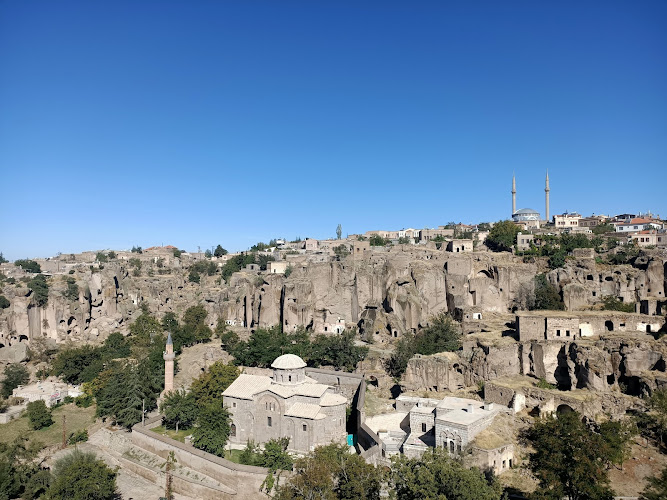
Guzelyurt Valley Monastery

Ali Kuşçu Gökbilim Merkezi
Find Accommodations Nearby
Recommended Tours & Activities
Visitor Reviews
There are no reviews yet. Be the first one to write one.
Share Your Experience
Have you visited Aslantepe Ruins? Help other travelers by leaving a review.