
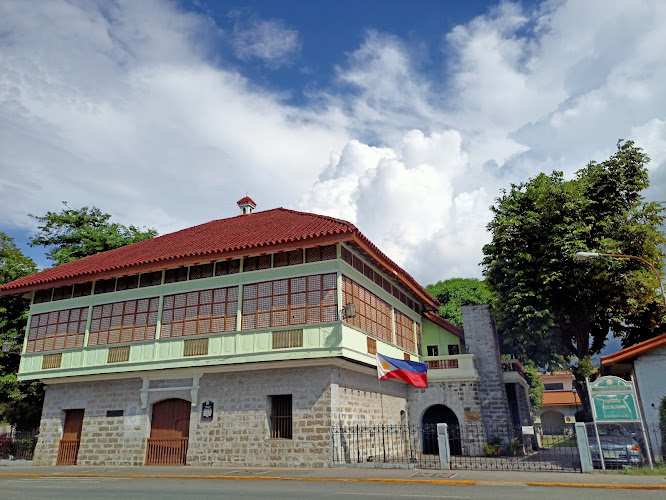
Bahay ni Dr. Jose Rizal (Museo ni Rizal).
About Bahay ni Dr. Jose Rizal (Museo ni Rizal).
Description
Walking into the Bahay ni Dr. Jose Rizal feels like stepping through a portal back to the late 1800s, and honestly, it's one of those experiences that sticks with you long after you've left. This carefully reconstructed replica of Jose Rizal's childhood home in Calamba gives travelers an intimate glimpse into the early years of the Philippines' most celebrated national hero. You know how sometimes museum visits can feel a bit stuffy and disconnected? Well, this place is different. The house itself is a beautiful example of traditional Filipino-Spanish colonial architecture, and it's been set up to reflect the kind of life Rizal would have experienced as a young boy. What makes this museum particularly special is that it doesn't just tell you about history—it shows you. The period furniture, personal belongings, and various memorabilia scattered throughout the rooms create this atmosphere that's both educational and deeply personal. I remember the first time I visited a historical house museum like this, and there's something about seeing the actual spaces where important figures lived that makes history feel real rather than just dates and facts in a textbook. The museum serves as both a tribute to Rizal's legacy and an educational resource for anyone wanting to understand the roots of Filipino nationalism. And let me tell you, whether you're a history buff or just someone looking for a meaningful cultural experience during your travels, this place delivers on multiple levels. It's not the biggest museum you'll ever visit, but sometimes the most impactful experiences come in modest packages.Key Features
The museum offers several distinctive elements that make it worth your time and attention: • Authentic Period Furnishings – The house is filled with furniture and household items that represent the Spanish colonial era, giving visitors a tangible sense of how affluent Filipino families lived during Rizal's childhood. These aren't just random old pieces either; they're carefully selected to match what the Rizal family would have actually used. • Personal Memorabilia Collection – You'll find various artifacts connected to Rizal's life, including reproductions of his writings, family photographs, and items that tell the story of his development from curious child to revolutionary thinker. Some pieces are originals, which adds that extra layer of authenticity. • Traditional Bahay na Bato Architecture – The structure itself is a teaching tool, showcasing the distinctive Filipino-Spanish architectural style with its stone lower level and wooden upper floors. The ventanillas (small sliding windows) and capiz shell window panels are particularly striking. • Educational Displays – Throughout the house, you'll encounter informative plaques and exhibits that explain Rizal's family background, his early education, and the social conditions that shaped his later activism. They've done a good job making this information accessible without overwhelming visitors. • Guided Tour Availability – Knowledgeable guides are typically on hand to walk you through the house and share stories that bring the exhibits to life. Trust me, taking advantage of this service makes a huge difference in your understanding and appreciation of what you're seeing. • Wheelchair Accessibility – The museum has made efforts to ensure visitors with mobility challenges can access the site, including appropriate parking and entrance accommodations. • Family-Friendly Environment – The museum is well-suited for visitors with children, offering a chance to introduce younger generations to Philippine history in an engaging, visual way.Best Time to Visit
Timing your visit to the Bahay ni Dr. Jose Rizal can really affect your experience, so here's what you should consider. The museum typically sees fewer crowds during weekday mornings, especially Tuesday through Thursday. If you're someone who likes to take your time exploring without bumping into tour groups every five minutes, aim for these quieter periods. Weekends and holidays naturally draw bigger crowds, particularly Filipino families and school groups. But here's the thing—while it might be busier, there's also something energizing about seeing local families engaging with their national heritage. It adds a certain atmosphere to the visit that you don't get when the place is nearly empty. Weather-wise, the Philippines has its distinct dry and wet seasons, and since you'll likely be doing some walking around the grounds, the dry season from November through April is generally more comfortable. The intense humidity during the wet months can make the experience less enjoyable, especially if you're not accustomed to tropical climates. That said, the museum itself provides shelter, so a little rain shouldn't completely derail your plans. If you're planning a trip around Rizal Day (December 30th), you should know that this is when the museum sees its highest visitation. It's a significant date commemorating Rizal's martyrdom, and there are often special programs and commemorative activities. Could be amazing if you want that immersive cultural experience, but maybe overwhelming if you prefer a more contemplative visit. Early morning visits right when the museum opens offer the best lighting for photography and the coolest temperatures. And let's be honest, nobody looks their best when they're sweating through their shirt in afternoon tropical heat.How to Get There
Getting to the Bahay ni Dr. Jose Rizal requires a bit of planning, but it's definitely manageable for travelers. The museum is located in Calamba, Laguna, which is roughly 54 kilometers south of Manila. Your transportation options depend on your starting point and comfort level with Philippine transit systems. If you're coming from Manila, driving is probably the most convenient option if you have access to a vehicle or don't mind hiring a private car. Take the South Luzon Expressway (SLEX) and exit at Calamba. The journey typically takes about an hour and a half, though Metro Manila traffic being what it is, you should probably budget two hours to be safe. GPS apps work pretty well in this area, so navigation shouldn't be too difficult. For budget-conscious travelers, buses regularly depart from various terminals in Manila heading to Calamba and other Laguna destinations. Companies like DLTB and Greenstar operate frequent services. Just tell the conductor you're heading to Rizal Shrine in Calamba, and they'll know where to drop you off. From the main highway, you might need to catch a tricycle for the final stretch to the museum—this is perfectly normal and actually part of the authentic Philippine travel experience. Tricycles are everywhere in Calamba, and drivers generally know the location of the Rizal shrine. Don't be shy about negotiating the fare before you start your ride. A fair price for a short tricycle trip shouldn't break the bank, but it helps to have small bills ready. Some travelers prefer joining organized tours that include the Bahay ni Dr. Jose Rizal as part of a larger Laguna heritage circuit. These tours handle all the transportation logistics and often include other nearby attractions, which can be worthwhile if you want to maximize your day trip from Manila. Parking is available on-site for those driving, and as mentioned earlier, there are designated accessible parking spots for visitors who need them.Tips for Visiting
Now let me share some practical advice that'll make your visit smoother and more rewarding. First thing—bring cash. While the Philippines is gradually becoming more card-friendly, smaller museums and attractions often operate on a cash basis for entrance fees and donations. The admission fee is quite reasonable anyway, but you don't want to arrive and realize you can't get in because everything's on your credit card. Dress respectfully and comfortably. You're visiting a site honoring the national hero, so tank tops and super short shorts might not be the best choice. Plus, comfortable walking shoes are essential because you'll be moving between rooms and potentially exploring the grounds. And remember this is still a tropical country—light, breathable fabrics will serve you much better than heavy materials. Photography is generally allowed, but here's where people sometimes mess up: be respectful about it. Don't use flash on delicate artifacts, and if a sign says no photos in certain areas, honor that. I've seen too many tourists ignore these guidelines, and it's just not cool. You're there to appreciate and learn, not just collect Instagram content. Take advantage of the guided tours if they're available. Seriously, this bears repeating. The guides know stories and details that aren't written on any plaques, and they can answer questions that pop up as you're exploring. Some visitors skip the guide to save a few pesos or because they prefer self-guided experiences, but you're really missing out on depth and context. Plan to spend at least an hour to an hour and a half at the museum if you want to properly absorb everything. Rushing through defeats the purpose. This isn't a place where you check a box and move on—it's a place that rewards thoughtful engagement. Bring water, especially if you're visiting during warmer months. There might not be vendors immediately nearby, and staying hydrated makes a big difference in your energy levels and enjoyment. If you're traveling with kids, prep them a bit beforehand with some basic information about who Jose Rizal was and why he matters to Philippine history. The museum is kid-friendly, but children who have some context will engage more meaningfully with what they're seeing. Maybe read them a simplified version of Rizal's story the night before. Be mindful that this is an active museum with preservation concerns. Don't touch artifacts unless explicitly told it's okay, don't lean on furniture, and generally treat everything with care. These items have survived for reasons—let's keep it that way. Check the museum's operating hours before you go. Like many smaller museums, it might have limited hours or occasional closures for maintenance or special events. Nothing's worse than planning a trip only to find the place is closed that particular day. Consider combining your visit with other nearby Calamba attractions to make a full day of it. The area has other historical and cultural sites worth exploring, and you'll get more bang for your transportation buck. Lastly, approach your visit with an open mind and genuine curiosity. Jose Rizal's story is deeply woven into Philippine identity and history. Even if you're not Filipino, understanding his role in the country's path to independence adds incredible richness to your Philippine travel experience. And honestly, his story—a writer and intellectual who sparked a revolution through ideas rather than violence—is pretty remarkable regardless of your nationality. The Bahay ni Dr. Jose Rizal isn't just another museum checkmark on a tourist itinerary. It's a window into the formative years of someone who changed a nation's trajectory, housed in a beautiful example of colonial-era Filipino architecture. Give it the time and attention it deserves, and you'll walk away with something more valuable than photos—you'll leave with understanding.Key Features
- Key Features
- Best Time to Visit
- How to Get There
- Tips for Visiting
More Details
Updated January 5, 2026
Table of Contents
- Description
- Key Features
- Best Time to Visit
- How to Get There
- Tips for Visiting
- Key Highlights
- Location
- Places to Stay Near Bahay ni Dr. Jose Rizal (Museo ni Rizal).
- Find and Book a Tour
- Explore More Travel Guides
- Nearby Places You Might Like
- Traveler Reviews for Bahay ni Dr. Jose Rizal (Museo ni Rizal).
- Share Your Experience
Description
Walking into the Bahay ni Dr. Jose Rizal feels like stepping through a portal back to the late 1800s, and honestly, it’s one of those experiences that sticks with you long after you’ve left. This carefully reconstructed replica of Jose Rizal’s childhood home in Calamba gives travelers an intimate glimpse into the early years of the Philippines’ most celebrated national hero. You know how sometimes museum visits can feel a bit stuffy and disconnected? Well, this place is different.
The house itself is a beautiful example of traditional Filipino-Spanish colonial architecture, and it’s been set up to reflect the kind of life Rizal would have experienced as a young boy. What makes this museum particularly special is that it doesn’t just tell you about history—it shows you. The period furniture, personal belongings, and various memorabilia scattered throughout the rooms create this atmosphere that’s both educational and deeply personal. I remember the first time I visited a historical house museum like this, and there’s something about seeing the actual spaces where important figures lived that makes history feel real rather than just dates and facts in a textbook.
The museum serves as both a tribute to Rizal’s legacy and an educational resource for anyone wanting to understand the roots of Filipino nationalism. And let me tell you, whether you’re a history buff or just someone looking for a meaningful cultural experience during your travels, this place delivers on multiple levels. It’s not the biggest museum you’ll ever visit, but sometimes the most impactful experiences come in modest packages.
Key Features
The museum offers several distinctive elements that make it worth your time and attention:
• Authentic Period Furnishings – The house is filled with furniture and household items that represent the Spanish colonial era, giving visitors a tangible sense of how affluent Filipino families lived during Rizal’s childhood. These aren’t just random old pieces either; they’re carefully selected to match what the Rizal family would have actually used.
• Personal Memorabilia Collection – You’ll find various artifacts connected to Rizal’s life, including reproductions of his writings, family photographs, and items that tell the story of his development from curious child to revolutionary thinker. Some pieces are originals, which adds that extra layer of authenticity.
• Traditional Bahay na Bato Architecture – The structure itself is a teaching tool, showcasing the distinctive Filipino-Spanish architectural style with its stone lower level and wooden upper floors. The ventanillas (small sliding windows) and capiz shell window panels are particularly striking.
• Educational Displays – Throughout the house, you’ll encounter informative plaques and exhibits that explain Rizal’s family background, his early education, and the social conditions that shaped his later activism. They’ve done a good job making this information accessible without overwhelming visitors.
• Guided Tour Availability – Knowledgeable guides are typically on hand to walk you through the house and share stories that bring the exhibits to life. Trust me, taking advantage of this service makes a huge difference in your understanding and appreciation of what you’re seeing.
• Wheelchair Accessibility – The museum has made efforts to ensure visitors with mobility challenges can access the site, including appropriate parking and entrance accommodations.
• Family-Friendly Environment – The museum is well-suited for visitors with children, offering a chance to introduce younger generations to Philippine history in an engaging, visual way.
Best Time to Visit
Timing your visit to the Bahay ni Dr. Jose Rizal can really affect your experience, so here’s what you should consider. The museum typically sees fewer crowds during weekday mornings, especially Tuesday through Thursday. If you’re someone who likes to take your time exploring without bumping into tour groups every five minutes, aim for these quieter periods.
Weekends and holidays naturally draw bigger crowds, particularly Filipino families and school groups. But here’s the thing—while it might be busier, there’s also something energizing about seeing local families engaging with their national heritage. It adds a certain atmosphere to the visit that you don’t get when the place is nearly empty.
Weather-wise, the Philippines has its distinct dry and wet seasons, and since you’ll likely be doing some walking around the grounds, the dry season from November through April is generally more comfortable. The intense humidity during the wet months can make the experience less enjoyable, especially if you’re not accustomed to tropical climates. That said, the museum itself provides shelter, so a little rain shouldn’t completely derail your plans.
If you’re planning a trip around Rizal Day (December 30th), you should know that this is when the museum sees its highest visitation. It’s a significant date commemorating Rizal’s martyrdom, and there are often special programs and commemorative activities. Could be amazing if you want that immersive cultural experience, but maybe overwhelming if you prefer a more contemplative visit.
Early morning visits right when the museum opens offer the best lighting for photography and the coolest temperatures. And let’s be honest, nobody looks their best when they’re sweating through their shirt in afternoon tropical heat.
How to Get There
Getting to the Bahay ni Dr. Jose Rizal requires a bit of planning, but it’s definitely manageable for travelers. The museum is located in Calamba, Laguna, which is roughly 54 kilometers south of Manila. Your transportation options depend on your starting point and comfort level with Philippine transit systems.
If you’re coming from Manila, driving is probably the most convenient option if you have access to a vehicle or don’t mind hiring a private car. Take the South Luzon Expressway (SLEX) and exit at Calamba. The journey typically takes about an hour and a half, though Metro Manila traffic being what it is, you should probably budget two hours to be safe. GPS apps work pretty well in this area, so navigation shouldn’t be too difficult.
For budget-conscious travelers, buses regularly depart from various terminals in Manila heading to Calamba and other Laguna destinations. Companies like DLTB and Greenstar operate frequent services. Just tell the conductor you’re heading to Rizal Shrine in Calamba, and they’ll know where to drop you off. From the main highway, you might need to catch a tricycle for the final stretch to the museum—this is perfectly normal and actually part of the authentic Philippine travel experience.
Tricycles are everywhere in Calamba, and drivers generally know the location of the Rizal shrine. Don’t be shy about negotiating the fare before you start your ride. A fair price for a short tricycle trip shouldn’t break the bank, but it helps to have small bills ready.
Some travelers prefer joining organized tours that include the Bahay ni Dr. Jose Rizal as part of a larger Laguna heritage circuit. These tours handle all the transportation logistics and often include other nearby attractions, which can be worthwhile if you want to maximize your day trip from Manila.
Parking is available on-site for those driving, and as mentioned earlier, there are designated accessible parking spots for visitors who need them.
Tips for Visiting
Now let me share some practical advice that’ll make your visit smoother and more rewarding. First thing—bring cash. While the Philippines is gradually becoming more card-friendly, smaller museums and attractions often operate on a cash basis for entrance fees and donations. The admission fee is quite reasonable anyway, but you don’t want to arrive and realize you can’t get in because everything’s on your credit card.
Dress respectfully and comfortably. You’re visiting a site honoring the national hero, so tank tops and super short shorts might not be the best choice. Plus, comfortable walking shoes are essential because you’ll be moving between rooms and potentially exploring the grounds. And remember this is still a tropical country—light, breathable fabrics will serve you much better than heavy materials.
Photography is generally allowed, but here’s where people sometimes mess up: be respectful about it. Don’t use flash on delicate artifacts, and if a sign says no photos in certain areas, honor that. I’ve seen too many tourists ignore these guidelines, and it’s just not cool. You’re there to appreciate and learn, not just collect Instagram content.
Take advantage of the guided tours if they’re available. Seriously, this bears repeating. The guides know stories and details that aren’t written on any plaques, and they can answer questions that pop up as you’re exploring. Some visitors skip the guide to save a few pesos or because they prefer self-guided experiences, but you’re really missing out on depth and context.
Plan to spend at least an hour to an hour and a half at the museum if you want to properly absorb everything. Rushing through defeats the purpose. This isn’t a place where you check a box and move on—it’s a place that rewards thoughtful engagement.
Bring water, especially if you’re visiting during warmer months. There might not be vendors immediately nearby, and staying hydrated makes a big difference in your energy levels and enjoyment.
If you’re traveling with kids, prep them a bit beforehand with some basic information about who Jose Rizal was and why he matters to Philippine history. The museum is kid-friendly, but children who have some context will engage more meaningfully with what they’re seeing. Maybe read them a simplified version of Rizal’s story the night before.
Be mindful that this is an active museum with preservation concerns. Don’t touch artifacts unless explicitly told it’s okay, don’t lean on furniture, and generally treat everything with care. These items have survived for reasons—let’s keep it that way.
Check the museum’s operating hours before you go. Like many smaller museums, it might have limited hours or occasional closures for maintenance or special events. Nothing’s worse than planning a trip only to find the place is closed that particular day.
Consider combining your visit with other nearby Calamba attractions to make a full day of it. The area has other historical and cultural sites worth exploring, and you’ll get more bang for your transportation buck.
Lastly, approach your visit with an open mind and genuine curiosity. Jose Rizal’s story is deeply woven into Philippine identity and history. Even if you’re not Filipino, understanding his role in the country’s path to independence adds incredible richness to your Philippine travel experience. And honestly, his story—a writer and intellectual who sparked a revolution through ideas rather than violence—is pretty remarkable regardless of your nationality.
The Bahay ni Dr. Jose Rizal isn’t just another museum checkmark on a tourist itinerary. It’s a window into the formative years of someone who changed a nation’s trajectory, housed in a beautiful example of colonial-era Filipino architecture. Give it the time and attention it deserves, and you’ll walk away with something more valuable than photos—you’ll leave with understanding.
Key Highlights
- Key Features
- Best Time to Visit
- How to Get There
- Tips for Visiting
Location
Places to Stay Near Bahay ni Dr. Jose Rizal (Museo ni Rizal).
Find and Book a Tour
Explore More Travel Guides
No reviews found! Be the first to review!
Traveler Reviews for Bahay ni Dr. Jose Rizal (Museo ni Rizal).
There are no reviews yet. Be the first one to write one.
Have you visited Bahay ni Dr. Jose Rizal (Museo ni Rizal).? Help other travelers by sharing your review.
You Might Also Like
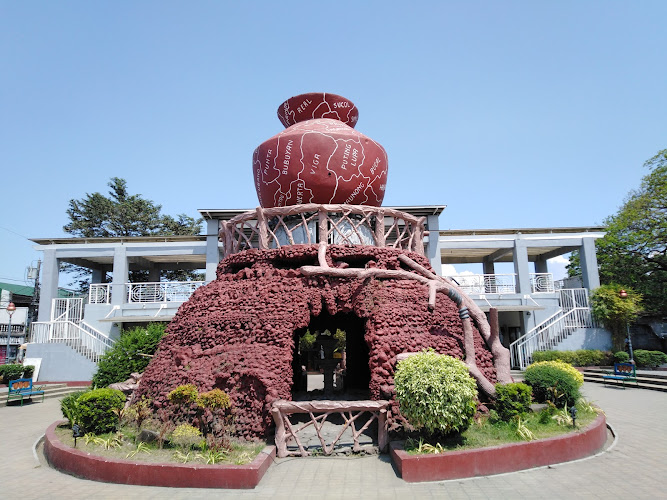
Banga Calamba City
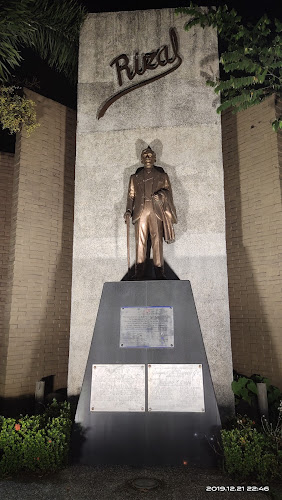
Jose Rizal Monument - Calamba Poblacion

The Plaza : Calamba City Park
Find Accommodations Nearby
Recommended Tours & Activities
Visitor Reviews
There are no reviews yet. Be the first one to write one.
Share Your Experience
Have you visited Bahay ni Dr. Jose Rizal (Museo ni Rizal).? Help other travelers by leaving a review.