

Long Creek Nature Preserve
About Long Creek Nature Preserve
Description
Long Creek Nature Preserve offers visitors a genuine slice of Florida's coastal ecosystem without the crowds and chaos that often come with more famous destinations. This conservation area has become a favorite among locals and savvy travelers who appreciate the raw beauty of undeveloped waterfront property. The preserve encompasses several acres of protected land where maritime forests meet tidal creeks, creating a unique environment that supports an incredible diversity of wildlife. What makes this place special is its authenticity. There's no gift shop, no paved pathways with interpretive signs every twenty feet, and definitely no overpriced concession stands. Just nature doing its thing, with enough infrastructure to make it accessible for most visitors but not so much that it feels manufactured. And honestly, that's refreshing in a world where even nature seems to get the theme park treatment sometimes. The preserve centers around Long Creek itself, a gorgeous saltwater estuary that winds through marshlands and under canopies of ancient oaks. I remember the first time I visited on a muggy summer morning, watching a great blue heron stalk through the shallows while fiddler crabs scurried along the mudflats. That kind of experience doesn't come from carefully curated exhibits – it happens when you just let nature be nature. The walking trails here meander through different ecosystems, giving you glimpses of coastal hammocks, salt marshes, and upland forests all in one visit. The dock extends out over the water, providing perfect access for launching kayaks or dropping a fishing line. It's one of those places where you can easily spend an hour or stay for half a day, depending on your mood and how many photo opportunities those painted buntings provide.Key Features
Long Creek Nature Preserve packs quite a bit into its relatively compact footprint, making it an ideal destination for travelers who want a taste of coastal Carolina ecosystems without committing to an all-day expedition. Here's what makes this preserve worth adding to your itinerary:- Multiple walking trails ranging from easy strolls to slightly more challenging paths through varied terrain
- Direct water access via a sturdy dock perfect for launching canoes and kayaks
- Excellent saltwater fishing opportunities with access to productive creek waters
- Designated picnic areas with tables situated under shade trees
- Wheelchair accessible parking and entrance, making nature exploration possible for visitors with mobility considerations
- Dog-friendly trails where leashed pets can join the adventure
- Kid-friendly hiking options that won't exhaust little legs while still providing plenty of exploration opportunities
- Outstanding birdwatching with seasonal migrations bringing remarkable variety
- Educational opportunities to observe tidal creek ecosystems up close
- Free admission making it an budget-friendly option for families and solo travelers alike
Best Time to Visit
Timing your visit to Long Creek Nature Preserve can make the difference between a pleasant outing and an absolutely memorable experience. The preserve remains open year-round, but each season brings its own character and considerations. Spring, particularly March through May, might just be the sweet spot. Temperatures hover in that comfortable range where you're not sweating through your shirt within ten minutes of stepping outside. Wildflowers bloom along the trails, and migratory birds stop through on their way north. I've seen some incredible warblers during April visits – those little bursts of yellow and blue flitting through the branches make you appreciate how far these tiny creatures travel. Summer brings heat and humidity that can feel like walking through warm soup. But if you can handle the weather (and the mosquitoes), you'll have the place mostly to yourself. Early morning visits work best during these months – get there right when it opens and you'll beat both the heat and the bugs. Plus, summer's when you'll see the most dramatic thunderstorm buildups over the marsh in late afternoon, though you definitely want to be off the water before they hit. Fall, especially October and November, offers another prime window. The weather cools down, the bugs calm down, and the bird activity picks up again with southward migration. The maritime forest doesn't put on a New England-style fall color show, but the light changes in ways that photographers absolutely love. Winter can be surprisingly pleasant for hiking and wildlife watching. Sure, you might need a light jacket on some mornings, but you won't face the oppressive heat of summer. Fishing can be excellent during winter months too, as certain species move into the creeks seeking slightly warmer water. One practical consideration that many first-time visitors overlook: plan around the tides if you're kayaking or fishing. High tide gives you more water to explore and easier launching from the dock. Low tide exposes mudflats that might limit where you can paddle but creates primo conditions for watching shorebirds feed.How to Get There
Getting to Long Creek Nature Preserve requires a bit of local knowledge, which is part of why it hasn't been overrun with tourists yet. The preserve sits in a residential area, so you won't see massive highway signs directing you from miles away. Most travelers will be coming from the Myrtle Beach area, which lies roughly twenty minutes away depending on traffic. Taking Highway 17 North will get you into the general vicinity, but you'll need to navigate through some neighborhood roads to reach the preserve entrance. GPS services generally do a decent job of pinpointing the location, though cell service can get spotty once you're deep into the residential areas. The parking lot isn't huge – maybe twenty spaces or so – which naturally limits how crowded the preserve gets. This works out nicely for the visitor experience but means you might want to arrive earlier in the day on weekends during peak season. I've shown up midday on a Saturday in April and had to wait for someone to leave before I could park. If you're staying in North Myrtle Beach, the drive takes even less time, maybe ten to fifteen minutes. The preserve makes an easy morning excursion before you head to the beach or other attractions later in the day. No public transportation serves the preserve directly, so you'll need your own vehicle or a rideshare service. The residential location also means there aren't restaurants or shops within walking distance, so come prepared with water and any snacks you might want.Tips for Visiting
Making the most of your Long Creek Nature Preserve experience comes down to preparation and realistic expectations. This isn't a manicured botanical garden or a theme park – it's genuine preserved natural habitat with all the beauty and challenges that entails. Bring bug spray. I can't stress this enough, particularly from late spring through early fall. The mosquitoes around these tidal creeks view humans as an all-you-can-eat buffet. Don't let these little vampires cut your visit short when a simple spray bottle in your daypack would solve the problem. Water is essential, especially during warmer months. There are no water fountains or facilities at the preserve, so whatever you bring is what you've got. I usually carry more than I think I'll need because there's nothing worse than being thirsty on a trail with no relief in sight. If you're planning to kayak or canoe, bring your own vessel. There are no rentals on site. The dock makes launching easy, but you'll need to load and unload your watercraft from your vehicle. Check the tide schedule before you go – launching at low tide can mean dealing with exposed mud that's not particularly pleasant. Fishing enthusiasts should bring their gear and make sure they have the appropriate South Carolina saltwater fishing license. The creek holds redfish, flounder, and various other species depending on season. Local knowledge helps here, so don't be shy about asking other anglers what's biting. Photography opportunities abound, so bring your camera or make sure your phone is charged. The morning and evening light on the marsh creates absolutely stunning conditions. But be patient – wildlife photography requires waiting for the right moments. Wear appropriate footwear. Flip-flops might work for a short stroll on the main trail, but if you're exploring more thoroughly, closed-toe shoes or light hiking boots make way more sense. Some trail sections can be uneven or muddy depending on recent weather. The preserve allows dogs on leash, which is fantastic for travelers with four-legged companions. Just remember that your dog needs water too, and cleaning up after your pet isn't optional – it's required both by rules and basic courtesy. Pack out everything you pack in. There are limited trash receptacles, and the preserve's beauty depends on visitors respecting the space. If you're picnicking, plan to take your garbage with you. Don't rush your visit. One of the biggest mistakes I see people make is treating this place like a checkbox on an itinerary – show up, walk fifty yards, take a selfie, leave. The preserve reveals itself slowly to people who take time to observe and absorb. Sit on a bench near the water for ten minutes doing nothing but watching, and you'll see exponentially more wildlife than someone hustling through. Finally, manage your expectations around facilities. There are restrooms, but they're basic. This is a nature preserve, not a resort. That primitive quality is part of the charm, but it's worth knowing before you arrive with a carload of kids who need frequent bathroom breaks.Key Features
- Nine-acre coastal preserve with estuarine and saltmarsh habitats
- Raised boardwalks and hard-packed shell walking trails (0.7 mile loop)
- Kayak and canoe put-in for non-motorized boating
- Fishing access and shoreline viewing areas
- Archaeological Hernandez Landing Site and interpretive value
More Details
Updated January 5, 2026
Table of Contents
Description
Long Creek Nature Preserve offers visitors a genuine slice of Florida’s coastal ecosystem without the crowds and chaos that often come with more famous destinations. This conservation area has become a favorite among locals and savvy travelers who appreciate the raw beauty of undeveloped waterfront property. The preserve encompasses several acres of protected land where maritime forests meet tidal creeks, creating a unique environment that supports an incredible diversity of wildlife.
What makes this place special is its authenticity. There’s no gift shop, no paved pathways with interpretive signs every twenty feet, and definitely no overpriced concession stands. Just nature doing its thing, with enough infrastructure to make it accessible for most visitors but not so much that it feels manufactured. And honestly, that’s refreshing in a world where even nature seems to get the theme park treatment sometimes.
The preserve centers around Long Creek itself, a gorgeous saltwater estuary that winds through marshlands and under canopies of ancient oaks. I remember the first time I visited on a muggy summer morning, watching a great blue heron stalk through the shallows while fiddler crabs scurried along the mudflats. That kind of experience doesn’t come from carefully curated exhibits – it happens when you just let nature be nature.
The walking trails here meander through different ecosystems, giving you glimpses of coastal hammocks, salt marshes, and upland forests all in one visit. The dock extends out over the water, providing perfect access for launching kayaks or dropping a fishing line. It’s one of those places where you can easily spend an hour or stay for half a day, depending on your mood and how many photo opportunities those painted buntings provide.
Key Features
Long Creek Nature Preserve packs quite a bit into its relatively compact footprint, making it an ideal destination for travelers who want a taste of coastal Carolina ecosystems without committing to an all-day expedition. Here’s what makes this preserve worth adding to your itinerary:
- Multiple walking trails ranging from easy strolls to slightly more challenging paths through varied terrain
- Direct water access via a sturdy dock perfect for launching canoes and kayaks
- Excellent saltwater fishing opportunities with access to productive creek waters
- Designated picnic areas with tables situated under shade trees
- Wheelchair accessible parking and entrance, making nature exploration possible for visitors with mobility considerations
- Dog-friendly trails where leashed pets can join the adventure
- Kid-friendly hiking options that won’t exhaust little legs while still providing plenty of exploration opportunities
- Outstanding birdwatching with seasonal migrations bringing remarkable variety
- Educational opportunities to observe tidal creek ecosystems up close
- Free admission making it an budget-friendly option for families and solo travelers alike
The preserve’s commitment to accessibility deserves special mention. Not every nature area thinks about visitors who use wheelchairs or have other mobility challenges, but Long Creek has made genuine efforts to ensure more people can experience these beautiful spaces. The accessible parking and entrance mean that nature isn’t just for those who can hike rugged trails.
Best Time to Visit
Timing your visit to Long Creek Nature Preserve can make the difference between a pleasant outing and an absolutely memorable experience. The preserve remains open year-round, but each season brings its own character and considerations.
Spring, particularly March through May, might just be the sweet spot. Temperatures hover in that comfortable range where you’re not sweating through your shirt within ten minutes of stepping outside. Wildflowers bloom along the trails, and migratory birds stop through on their way north. I’ve seen some incredible warblers during April visits – those little bursts of yellow and blue flitting through the branches make you appreciate how far these tiny creatures travel.
Summer brings heat and humidity that can feel like walking through warm soup. But if you can handle the weather (and the mosquitoes), you’ll have the place mostly to yourself. Early morning visits work best during these months – get there right when it opens and you’ll beat both the heat and the bugs. Plus, summer’s when you’ll see the most dramatic thunderstorm buildups over the marsh in late afternoon, though you definitely want to be off the water before they hit.
Fall, especially October and November, offers another prime window. The weather cools down, the bugs calm down, and the bird activity picks up again with southward migration. The maritime forest doesn’t put on a New England-style fall color show, but the light changes in ways that photographers absolutely love.
Winter can be surprisingly pleasant for hiking and wildlife watching. Sure, you might need a light jacket on some mornings, but you won’t face the oppressive heat of summer. Fishing can be excellent during winter months too, as certain species move into the creeks seeking slightly warmer water.
One practical consideration that many first-time visitors overlook: plan around the tides if you’re kayaking or fishing. High tide gives you more water to explore and easier launching from the dock. Low tide exposes mudflats that might limit where you can paddle but creates primo conditions for watching shorebirds feed.
How to Get There
Getting to Long Creek Nature Preserve requires a bit of local knowledge, which is part of why it hasn’t been overrun with tourists yet. The preserve sits in a residential area, so you won’t see massive highway signs directing you from miles away.
Most travelers will be coming from the Myrtle Beach area, which lies roughly twenty minutes away depending on traffic. Taking Highway 17 North will get you into the general vicinity, but you’ll need to navigate through some neighborhood roads to reach the preserve entrance. GPS services generally do a decent job of pinpointing the location, though cell service can get spotty once you’re deep into the residential areas.
The parking lot isn’t huge – maybe twenty spaces or so – which naturally limits how crowded the preserve gets. This works out nicely for the visitor experience but means you might want to arrive earlier in the day on weekends during peak season. I’ve shown up midday on a Saturday in April and had to wait for someone to leave before I could park.
If you’re staying in North Myrtle Beach, the drive takes even less time, maybe ten to fifteen minutes. The preserve makes an easy morning excursion before you head to the beach or other attractions later in the day.
No public transportation serves the preserve directly, so you’ll need your own vehicle or a rideshare service. The residential location also means there aren’t restaurants or shops within walking distance, so come prepared with water and any snacks you might want.
Tips for Visiting
Making the most of your Long Creek Nature Preserve experience comes down to preparation and realistic expectations. This isn’t a manicured botanical garden or a theme park – it’s genuine preserved natural habitat with all the beauty and challenges that entails.
Bring bug spray. I can’t stress this enough, particularly from late spring through early fall. The mosquitoes around these tidal creeks view humans as an all-you-can-eat buffet. Don’t let these little vampires cut your visit short when a simple spray bottle in your daypack would solve the problem.
Water is essential, especially during warmer months. There are no water fountains or facilities at the preserve, so whatever you bring is what you’ve got. I usually carry more than I think I’ll need because there’s nothing worse than being thirsty on a trail with no relief in sight.
If you’re planning to kayak or canoe, bring your own vessel. There are no rentals on site. The dock makes launching easy, but you’ll need to load and unload your watercraft from your vehicle. Check the tide schedule before you go – launching at low tide can mean dealing with exposed mud that’s not particularly pleasant.
Fishing enthusiasts should bring their gear and make sure they have the appropriate South Carolina saltwater fishing license. The creek holds redfish, flounder, and various other species depending on season. Local knowledge helps here, so don’t be shy about asking other anglers what’s biting.
Photography opportunities abound, so bring your camera or make sure your phone is charged. The morning and evening light on the marsh creates absolutely stunning conditions. But be patient – wildlife photography requires waiting for the right moments.
Wear appropriate footwear. Flip-flops might work for a short stroll on the main trail, but if you’re exploring more thoroughly, closed-toe shoes or light hiking boots make way more sense. Some trail sections can be uneven or muddy depending on recent weather.
The preserve allows dogs on leash, which is fantastic for travelers with four-legged companions. Just remember that your dog needs water too, and cleaning up after your pet isn’t optional – it’s required both by rules and basic courtesy.
Pack out everything you pack in. There are limited trash receptacles, and the preserve’s beauty depends on visitors respecting the space. If you’re picnicking, plan to take your garbage with you.
Don’t rush your visit. One of the biggest mistakes I see people make is treating this place like a checkbox on an itinerary – show up, walk fifty yards, take a selfie, leave. The preserve reveals itself slowly to people who take time to observe and absorb. Sit on a bench near the water for ten minutes doing nothing but watching, and you’ll see exponentially more wildlife than someone hustling through.
Finally, manage your expectations around facilities. There are restrooms, but they’re basic. This is a nature preserve, not a resort. That primitive quality is part of the charm, but it’s worth knowing before you arrive with a carload of kids who need frequent bathroom breaks.
Key Highlights
- Nine-acre coastal preserve with estuarine and saltmarsh habitats
- Raised boardwalks and hard-packed shell walking trails (0.7 mile loop)
- Kayak and canoe put-in for non-motorized boating
- Fishing access and shoreline viewing areas
- Archaeological Hernandez Landing Site and interpretive value
Location
Places to Stay Near Long Creek Nature Preserve
Find and Book a Tour
Explore More Travel Guides
No reviews found! Be the first to review!
Traveler Reviews for Long Creek Nature Preserve
There are no reviews yet. Be the first one to write one.
Have you visited Long Creek Nature Preserve? Help other travelers by sharing your review.
Nearby Attractions
You Might Also Like

Washington Oaks Gardens State Park
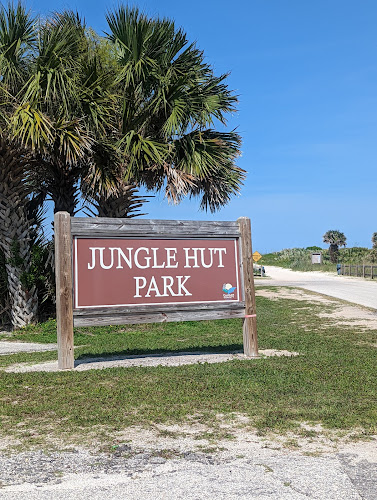
Jungle Hut Road Park
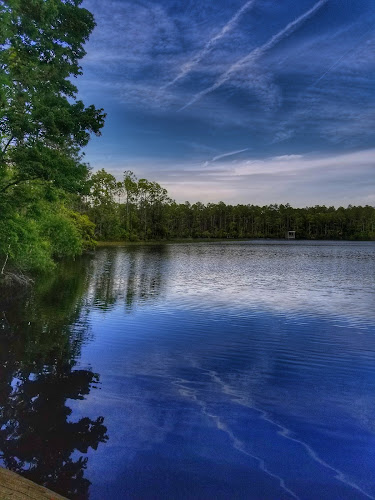
Pellicer Creek Conservation Area
Find Accommodations Nearby
Recommended Tours & Activities
Visitor Reviews
There are no reviews yet. Be the first one to write one.
Share Your Experience
Have you visited Long Creek Nature Preserve? Help other travelers by leaving a review.