

Seremban Heritage Trail
About Seremban Heritage Trail
Description
The Seremban Heritage Trail offers travelers a genuine glimpse into Malaysia's colonial past and Minangkabau architectural legacy, spread across the charming capital of Negeri Sembilan. Walking through this trail feels like thumbing through pages of a living history book, where buildings actually tell stories instead of just sitting there looking pretty. And honestly, that's what makes it special - you're not shuffling through a sanitized museum experience but rather discovering how a town managed to preserve its soul while the rest of Malaysia raced toward modernization. I remember my first time walking this route, expecting maybe an hour's worth of mild interest, and ended up spending nearly half a day just soaking in the details. The trail connects several significant landmarks that showcase the unique blend of Minangkabau influence from Sumatra with British colonial architecture, creating this architectural mashup you won't really find anywhere else in quite the same way. The Minangkabau people brought their distinctive curved roofs that look like buffalo horns - there's actually a whole legend about two buffalo fighting that explains the shape, but that's a tangent for another time. What strikes most visitors is how accessible everything feels. The heritage buildings aren't locked away behind velvet ropes or requiring special permissions to view. They're part of the functioning town, which means you'll see locals going about their daily business around structures that have stood for over a century. It's this blend of past and present that creates an authentic atmosphere rather than feeling like you've wandered onto a movie set. The trail particularly appeals to families since the distances between landmarks are manageable even for smaller legs, and there's something inherently engaging about exploring old buildings that captures kids' imaginations. Though let me be honest - you'll want to prepare for the Malaysian heat because shade isn't always abundant along certain stretches of the route.Key Features
The Seremban Heritage Trail presents travelers with several distinctive elements that make it worth carving time out of a Malaysian itinerary:- State Library Building - This striking structure showcases traditional Minangkabau architecture with its dramatic curved roof design that immediately catches your eye. Built in 1912, it served as the State Secretariat building and represents one of the finest examples of this architectural style adapted for administrative purposes.
- State Museum - Originally the Ampang Tinggi Palace, this building was relocated to its current spot and now houses exhibits about Negeri Sembilan's history and culture. The craftsmanship in the wooden construction shows techniques passed down through generations.
- Istana Ampang Tinggi - A traditional Minangkabau palace that demonstrates how royalty lived while maintaining cultural architectural traditions. The attention to detail in the woodwork and structural design reveals the sophisticated building techniques employed without modern tools.
- St. Paul's Church - Representing the British colonial influence, this church contrasts beautifully with the Minangkabau structures and shows how different cultures coexisted in this region. Its Gothic-inspired design brings a completely different aesthetic to the trail.
- Colonial Administrative Buildings - Various structures from the British era showcase typical colonial architectural styles adapted for tropical climates, with high ceilings, large windows, and covered walkways designed for ventilation before air conditioning existed.
- Informational Markers - Throughout the trail, markers provide historical context and architectural details that help visitors understand what they're seeing without needing a guide, though having one definitely enriches the experience.
Best Time to Visit
Timing your visit to the Seremban Heritage Trail requires considering both weather patterns and practical comfort factors, because let's face it - trudging through tropical heat while trying to appreciate colonial architecture isn't anyone's idea of a great time. Early mornings between 7:00 AM and 10:00 AM offer the most pleasant conditions for exploring the trail. The temperatures stay relatively manageable, and morning light actually photographs better anyway if you're the type who documents everything. Plus, you'll encounter fewer crowds during these hours, giving you more space to appreciate the buildings without dodging selfie-takers at every corner. Late afternoons around 4:00 PM onwards work well too, as the harsh midday sun loses its intensity and the golden hour approaches. However, keep in mind that some buildings might have limited accessibility during certain hours, so morning visits give you more flexibility. Regarding seasons, the dry months between March and October generally provide better walking conditions. But here's the thing about Malaysian weather - it does whatever it wants regardless of what weather apps predict. I've experienced sudden downpours during supposedly dry months and had perfect sunshine during rainy season. Carry an umbrella regardless of when you visit; it serves double duty as rain protection and a sunshade. Weekdays see fewer visitors compared to weekends, especially avoiding Malaysian school holidays when local tourism picks up considerably. The trail transforms into something of a field trip destination during school breaks, which is lovely in its own way but might not suit travelers seeking quieter contemplation of historical architecture. Public holidays and festival periods bring their own character to the trail. During cultural celebrations, the heritage area takes on additional significance with decorations and sometimes special events. Though accommodation prices in Seremban spike during these times and availability becomes an issue.How to Get There
Reaching the Seremban Heritage Trail presents several straightforward options depending on your starting point and travel preferences, though each method comes with its own quirks worth knowing about. From Kuala Lumpur, which is where most international travelers base themselves initially, Seremban sits about 60 kilometers south - roughly an hour's drive under normal traffic conditions. The journey via the North-South Expressway is pretty straightforward, though Malaysian highways can surprise you with unexpected congestion during peak hours and holiday periods. Driving yourself gives flexibility to explore at your own pace and detour to other Negeri Sembilan attractions. Rental cars are readily available throughout KL, and parking in Seremban town center isn't the nightmare it is in bigger Malaysian cities. Just be prepared for parking meters and time limits in certain areas near heritage buildings. The KTM Komuter train service connects KL Sentral to Seremban Station, taking approximately 90 minutes and costing a fraction of what you'd spend on fuel and tolls. Trains run regularly throughout the day, though frequency drops during off-peak hours. Once you arrive at Seremban Station, the heritage trail sits about 2 kilometers away - manageable by taxi, ride-hailing apps like Grab, or even walking if you don't mind the distance and weather cooperates. Bus services operate between KL's Terminal Bersepadu Selatan (TBS) and Seremban, with multiple operators offering this route throughout the day. Journey times vary depending on traffic but expect around 90 minutes to two hours. Buses drop passengers at Terminal 1 Seremban, from where taxis or Grab rides quickly reach the heritage area. For travelers already exploring other parts of Malaysia, Seremban's location on the North-South Expressway makes it accessible from both northern and southern destinations. From Malacca, it's about an hour north; from Johor Bahru, you're looking at roughly three hours depending on traffic flow. Within Seremban itself, the heritage trail buildings sit within walking distance of each other, though the Malaysian heat makes that "walkable" designation somewhat relative. Most visitors find covering the entire trail takes between two to four hours depending on how thoroughly you explore each location.Tips for Visiting
Making the most of your Seremban Heritage Trail experience involves some practical preparation that honestly makes the difference between an enjoyable cultural exploration and a sweaty slog through confusing streets. Start with comfortable walking shoes - and I cannot stress this enough. Those cute sandals or brand-new sneakers you're breaking in? Leave them at your hotel. You'll be covering several kilometers on pavement that holds heat like nobody's business, and foot discomfort ruins historical appreciation faster than anything else. Hydration matters more than most travelers anticipate. Carry water bottles and actually drink from them, not just when you're already feeling parched. Convenience stores dot the area if you need refills, but having water readily available prevents the headache-and-irritability combination that dehydration brings. I learned this the hard way during my first visit when I thought I'd tough it out and ended up cranky and exhausted by noon. Modest clothing works better both culturally and practically. While Seremban isn't strictly conservative, covering shoulders and knees shows respect when entering certain heritage buildings, particularly religious structures. Plus, lightweight long sleeves actually protect better against sun than exposed skin slathered in sunscreen that sweats off within minutes. Download offline maps or grab a physical map before starting your exploration. Mobile data works fine in the area, but having backup navigation prevents frustrated wandering when you're trying to locate specific buildings. The heritage trail follows a logical route, but streets don't always have clear English signage. Bring cash in smaller denominations. While Malaysia increasingly embraces cashless payments, not every small vendor or facility along the trail accepts cards. Having ringgit on hand for entrance fees, donations, or refreshments at local shops prevents awkward situations. Consider hiring a local guide for deeper historical context and stories that informational plaques simply cannot convey. The buildings themselves are impressive, but understanding the human stories behind their construction and the cultural significance of architectural details transforms the experience from sightseeing into genuine learning. Guides can be arranged through Seremban tourism offices or sometimes found at major heritage sites. Photography enthusiasts should visit during golden hour for the best lighting on those distinctive Minangkabau roofs. The curved lines photograph beautifully when properly lit, and harsh midday sun creates shadows that obscure architectural details. Always ask permission before photographing people, and be respectful about photography restrictions in certain buildings. Pack a small umbrella or rain jacket despite weather forecasts. Malaysian weather does its own thing, and sudden showers happen. The upside is they usually pass quickly, but being prepared means you can wait comfortably under shelter rather than getting drenched. Allocate more time than you initially think necessary. Rushing through heritage sites to tick boxes never satisfies, and the Seremban Heritage Trail rewards slow, observant exploration. Three to four hours lets you properly appreciate the architecture, read informational displays, and maybe grab local food at nearby establishments. Check opening hours for specific buildings before visiting, as some heritage structures maintain limited public access or close for maintenance. Nothing's more disappointing than trekking to a particular site only finding it closed. Respect the spaces you're visiting. These aren't theme park attractions but actual heritage structures, some still serving functional purposes. Keep noise levels reasonable, don't touch fragile architectural elements, and follow any posted guidelines. Future travelers deserve to experience these buildings in the same condition you found them.Key Features
- Minangkabau rooflines and vernacular Malay architecture
- Well‑preserved colonial shophouses and civic buildings
- Interpretive signage and a downloadable/printable heritage trail guide
- Compact, walkable route through Seremban city centre
- Opportunities to sample local Negeri Sembilan cuisine nearby
More Details
Updated January 5, 2026
Description
The Seremban Heritage Trail offers travelers a genuine glimpse into Malaysia’s colonial past and Minangkabau architectural legacy, spread across the charming capital of Negeri Sembilan. Walking through this trail feels like thumbing through pages of a living history book, where buildings actually tell stories instead of just sitting there looking pretty. And honestly, that’s what makes it special – you’re not shuffling through a sanitized museum experience but rather discovering how a town managed to preserve its soul while the rest of Malaysia raced toward modernization.
I remember my first time walking this route, expecting maybe an hour’s worth of mild interest, and ended up spending nearly half a day just soaking in the details. The trail connects several significant landmarks that showcase the unique blend of Minangkabau influence from Sumatra with British colonial architecture, creating this architectural mashup you won’t really find anywhere else in quite the same way. The Minangkabau people brought their distinctive curved roofs that look like buffalo horns – there’s actually a whole legend about two buffalo fighting that explains the shape, but that’s a tangent for another time.
What strikes most visitors is how accessible everything feels. The heritage buildings aren’t locked away behind velvet ropes or requiring special permissions to view. They’re part of the functioning town, which means you’ll see locals going about their daily business around structures that have stood for over a century. It’s this blend of past and present that creates an authentic atmosphere rather than feeling like you’ve wandered onto a movie set.
The trail particularly appeals to families since the distances between landmarks are manageable even for smaller legs, and there’s something inherently engaging about exploring old buildings that captures kids’ imaginations. Though let me be honest – you’ll want to prepare for the Malaysian heat because shade isn’t always abundant along certain stretches of the route.
Key Features
The Seremban Heritage Trail presents travelers with several distinctive elements that make it worth carving time out of a Malaysian itinerary:
- State Library Building – This striking structure showcases traditional Minangkabau architecture with its dramatic curved roof design that immediately catches your eye. Built in 1912, it served as the State Secretariat building and represents one of the finest examples of this architectural style adapted for administrative purposes.
- State Museum – Originally the Ampang Tinggi Palace, this building was relocated to its current spot and now houses exhibits about Negeri Sembilan’s history and culture. The craftsmanship in the wooden construction shows techniques passed down through generations.
- Istana Ampang Tinggi – A traditional Minangkabau palace that demonstrates how royalty lived while maintaining cultural architectural traditions. The attention to detail in the woodwork and structural design reveals the sophisticated building techniques employed without modern tools.
- St. Paul’s Church – Representing the British colonial influence, this church contrasts beautifully with the Minangkabau structures and shows how different cultures coexisted in this region. Its Gothic-inspired design brings a completely different aesthetic to the trail.
- Colonial Administrative Buildings – Various structures from the British era showcase typical colonial architectural styles adapted for tropical climates, with high ceilings, large windows, and covered walkways designed for ventilation before air conditioning existed.
- Informational Markers – Throughout the trail, markers provide historical context and architectural details that help visitors understand what they’re seeing without needing a guide, though having one definitely enriches the experience.
Best Time to Visit
Timing your visit to the Seremban Heritage Trail requires considering both weather patterns and practical comfort factors, because let’s face it – trudging through tropical heat while trying to appreciate colonial architecture isn’t anyone’s idea of a great time.
Early mornings between 7:00 AM and 10:00 AM offer the most pleasant conditions for exploring the trail. The temperatures stay relatively manageable, and morning light actually photographs better anyway if you’re the type who documents everything. Plus, you’ll encounter fewer crowds during these hours, giving you more space to appreciate the buildings without dodging selfie-takers at every corner.
Late afternoons around 4:00 PM onwards work well too, as the harsh midday sun loses its intensity and the golden hour approaches. However, keep in mind that some buildings might have limited accessibility during certain hours, so morning visits give you more flexibility.
Regarding seasons, the dry months between March and October generally provide better walking conditions. But here’s the thing about Malaysian weather – it does whatever it wants regardless of what weather apps predict. I’ve experienced sudden downpours during supposedly dry months and had perfect sunshine during rainy season. Carry an umbrella regardless of when you visit; it serves double duty as rain protection and a sunshade.
Weekdays see fewer visitors compared to weekends, especially avoiding Malaysian school holidays when local tourism picks up considerably. The trail transforms into something of a field trip destination during school breaks, which is lovely in its own way but might not suit travelers seeking quieter contemplation of historical architecture.
Public holidays and festival periods bring their own character to the trail. During cultural celebrations, the heritage area takes on additional significance with decorations and sometimes special events. Though accommodation prices in Seremban spike during these times and availability becomes an issue.
How to Get There
Reaching the Seremban Heritage Trail presents several straightforward options depending on your starting point and travel preferences, though each method comes with its own quirks worth knowing about.
From Kuala Lumpur, which is where most international travelers base themselves initially, Seremban sits about 60 kilometers south – roughly an hour’s drive under normal traffic conditions. The journey via the North-South Expressway is pretty straightforward, though Malaysian highways can surprise you with unexpected congestion during peak hours and holiday periods.
Driving yourself gives flexibility to explore at your own pace and detour to other Negeri Sembilan attractions. Rental cars are readily available throughout KL, and parking in Seremban town center isn’t the nightmare it is in bigger Malaysian cities. Just be prepared for parking meters and time limits in certain areas near heritage buildings.
The KTM Komuter train service connects KL Sentral to Seremban Station, taking approximately 90 minutes and costing a fraction of what you’d spend on fuel and tolls. Trains run regularly throughout the day, though frequency drops during off-peak hours. Once you arrive at Seremban Station, the heritage trail sits about 2 kilometers away – manageable by taxi, ride-hailing apps like Grab, or even walking if you don’t mind the distance and weather cooperates.
Bus services operate between KL’s Terminal Bersepadu Selatan (TBS) and Seremban, with multiple operators offering this route throughout the day. Journey times vary depending on traffic but expect around 90 minutes to two hours. Buses drop passengers at Terminal 1 Seremban, from where taxis or Grab rides quickly reach the heritage area.
For travelers already exploring other parts of Malaysia, Seremban’s location on the North-South Expressway makes it accessible from both northern and southern destinations. From Malacca, it’s about an hour north; from Johor Bahru, you’re looking at roughly three hours depending on traffic flow.
Within Seremban itself, the heritage trail buildings sit within walking distance of each other, though the Malaysian heat makes that “walkable” designation somewhat relative. Most visitors find covering the entire trail takes between two to four hours depending on how thoroughly you explore each location.
Tips for Visiting
Making the most of your Seremban Heritage Trail experience involves some practical preparation that honestly makes the difference between an enjoyable cultural exploration and a sweaty slog through confusing streets.
Start with comfortable walking shoes – and I cannot stress this enough. Those cute sandals or brand-new sneakers you’re breaking in? Leave them at your hotel. You’ll be covering several kilometers on pavement that holds heat like nobody’s business, and foot discomfort ruins historical appreciation faster than anything else.
Hydration matters more than most travelers anticipate. Carry water bottles and actually drink from them, not just when you’re already feeling parched. Convenience stores dot the area if you need refills, but having water readily available prevents the headache-and-irritability combination that dehydration brings. I learned this the hard way during my first visit when I thought I’d tough it out and ended up cranky and exhausted by noon.
Modest clothing works better both culturally and practically. While Seremban isn’t strictly conservative, covering shoulders and knees shows respect when entering certain heritage buildings, particularly religious structures. Plus, lightweight long sleeves actually protect better against sun than exposed skin slathered in sunscreen that sweats off within minutes.
Download offline maps or grab a physical map before starting your exploration. Mobile data works fine in the area, but having backup navigation prevents frustrated wandering when you’re trying to locate specific buildings. The heritage trail follows a logical route, but streets don’t always have clear English signage.
Bring cash in smaller denominations. While Malaysia increasingly embraces cashless payments, not every small vendor or facility along the trail accepts cards. Having ringgit on hand for entrance fees, donations, or refreshments at local shops prevents awkward situations.
Consider hiring a local guide for deeper historical context and stories that informational plaques simply cannot convey. The buildings themselves are impressive, but understanding the human stories behind their construction and the cultural significance of architectural details transforms the experience from sightseeing into genuine learning. Guides can be arranged through Seremban tourism offices or sometimes found at major heritage sites.
Photography enthusiasts should visit during golden hour for the best lighting on those distinctive Minangkabau roofs. The curved lines photograph beautifully when properly lit, and harsh midday sun creates shadows that obscure architectural details. Always ask permission before photographing people, and be respectful about photography restrictions in certain buildings.
Pack a small umbrella or rain jacket despite weather forecasts. Malaysian weather does its own thing, and sudden showers happen. The upside is they usually pass quickly, but being prepared means you can wait comfortably under shelter rather than getting drenched.
Allocate more time than you initially think necessary. Rushing through heritage sites to tick boxes never satisfies, and the Seremban Heritage Trail rewards slow, observant exploration. Three to four hours lets you properly appreciate the architecture, read informational displays, and maybe grab local food at nearby establishments.
Check opening hours for specific buildings before visiting, as some heritage structures maintain limited public access or close for maintenance. Nothing’s more disappointing than trekking to a particular site only finding it closed.
Respect the spaces you’re visiting. These aren’t theme park attractions but actual heritage structures, some still serving functional purposes. Keep noise levels reasonable, don’t touch fragile architectural elements, and follow any posted guidelines. Future travelers deserve to experience these buildings in the same condition you found them.
Key Highlights
- Minangkabau rooflines and vernacular Malay architecture
- Well‑preserved colonial shophouses and civic buildings
- Interpretive signage and a downloadable/printable heritage trail guide
- Compact, walkable route through Seremban city centre
- Opportunities to sample local Negeri Sembilan cuisine nearby
Location
Places to Stay Near Seremban Heritage Trail
Find and Book a Tour
Explore More Travel Guides
No reviews found! Be the first to review!
Traveler Reviews for Seremban Heritage Trail
There are no reviews yet. Be the first one to write one.
Have you visited Seremban Heritage Trail? Help other travelers by sharing your review.
Nearby Attractions
You Might Also Like
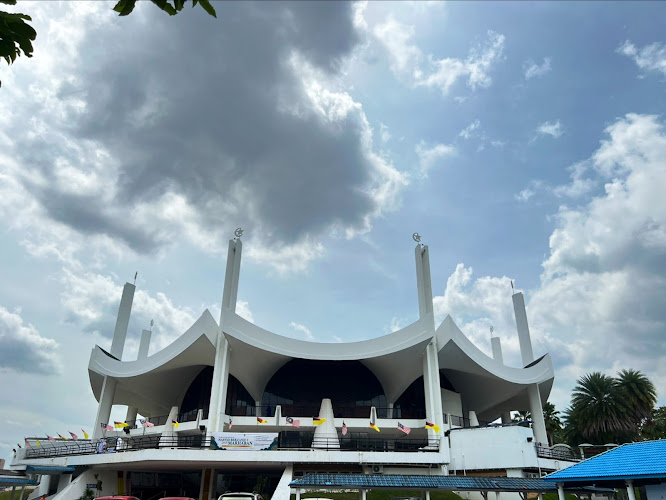
Seremban State Mosque
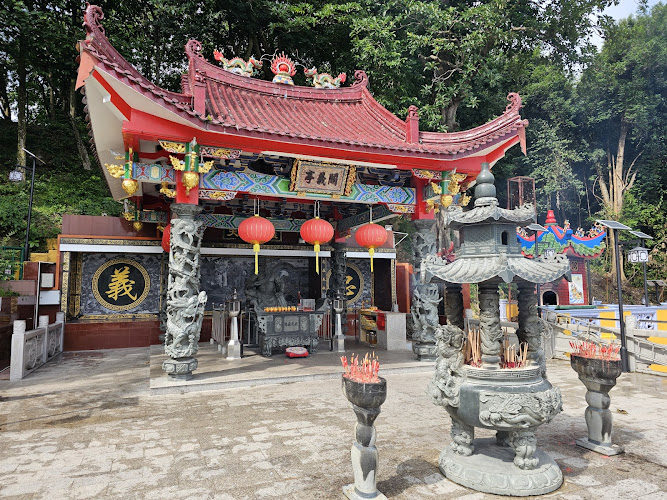
Tokong Then Sze Koon
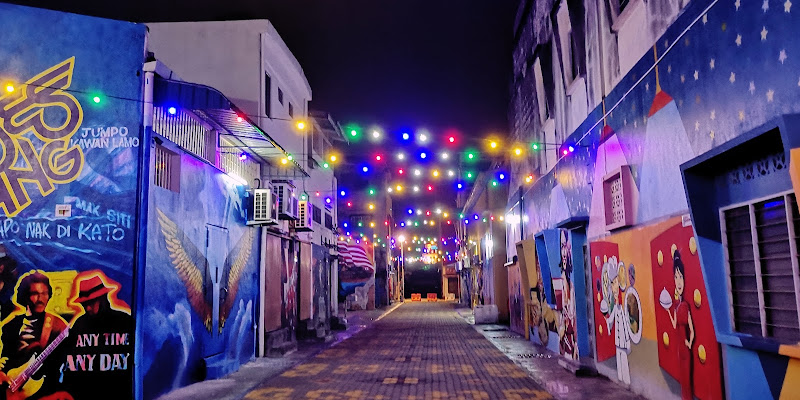
sfir Seremban Mural
Find Accommodations Nearby
Recommended Tours & Activities
Visitor Reviews
There are no reviews yet. Be the first one to write one.
Share Your Experience
Have you visited Seremban Heritage Trail? Help other travelers by leaving a review.