

Funasei
About Funasei
Description
Funasei offers one of those experiences that feels like stepping into another era of Japan—the kind where dining wasn't just about eating but about creating memories on the water. This yakatabune restaurant attraction gives travelers a chance to cruise Tokyo's waterways while enjoying traditional Japanese cuisine, particularly their excellent tempura offerings. I've always thought there's something magical about eating while floating along, and Funasei really captures that essence. The yakatabune experience itself is pretty unique if you're not familiar with it. These are traditional Japanese houseboats that have been converted into floating restaurants, complete with tatami mat seating and low tables where you'll sit cross-legged (or with your legs in the sunken area beneath the table, thank goodness). The boats slowly drift along Tokyo's rivers and canals while you feast on freshly prepared dishes, and honestly, it's one of those things you don't realize you needed to do until you're actually doing it. What sets Funasei apart is their focus on tempura—light, crispy, and cooked right there on the boat. The chefs work their magic while you're cruising, which means everything arrives at your table piping hot. And let me tell you, there's a real difference between tempura that's been sitting and tempura that's just come out of the oil. The popularity of this place speaks for itself, with the vast majority of visitors leaving highly satisfied with their experience, though like any busy tourist attraction, there are occasional hiccups in service or expectations that don't quite match reality. The atmosphere on board blends traditional Japanese aesthetics with practical modern amenities. You're eating in a space that feels authentically Japanese while still having access to things like air conditioning and proper lighting. It's that sweet spot between cultural immersion and comfort that makes it accessible for travelers who might be intimidated by super-traditional dining experiences.Key Features
The Funasei experience comes packed with several distinctive elements that make it worth considering for your Tokyo itinerary: • Traditional yakatabune boat cruise through Tokyo's historic waterways and bay area, offering perspectives of the city you simply can't get from land • Freshly prepared tempura as the star attraction, with skilled chefs preparing your meal on board while you cruise • Authentic tatami-style seating that gives you that genuine Japanese dining experience without having to worry too much about protocol • Scenic routes that showcase Tokyo from the water, including views of the city skyline, bridges, and occasionally seasonal highlights like cherry blossoms or fireworks depending on when you visit • Multi-course Japanese meals that go beyond just tempura, typically including sashimi, grilled items, and other seasonal specialties • Credit card payment acceptance, which honestly makes things so much easier for international travelers who don't want to carry tons of cash • Private and semi-private cruising options for groups celebrating special occasions or just wanting a more intimate experience • Evening cruises that let you see Tokyo's lights reflecting off the water, creating an almost dreamlike atmosphere • Seasonal decorations and special menus that change throughout the year, giving repeat visitors something new to experienceBest Time to Visit
Timing your Funasei experience can really make a difference in what you get out of it. The evening cruises are particularly popular, and for good reason—watching the sun set over Tokyo while you're munching on crispy tempura hits different than a daytime cruise. The city lights start twinkling on as dusk falls, and suddenly you're gliding through this illuminated urban landscape that looks nothing like the Tokyo you walked through earlier that day. Spring, specifically late March through early April, is absolutely prime time if you can swing it. The cherry blossom season transforms Tokyo's waterways into something out of a painting, with overhanging sakura branches creating natural tunnels of pink and white blooms. But here's the thing—everyone knows this is prime time, so you'll need to book well in advance. I'm talking months ahead if possible, especially for weekend evening slots. Summer brings its own appeal with various fireworks festivals happening around Tokyo Bay. Funasei often runs special fireworks viewing cruises during these events, particularly during the famous Sumida River Fireworks Festival in late July. Just be prepared for higher prices and the need to book even further ahead than cherry blossom season. Autumn, from late October through November, offers cooler temperatures and fall foliage along the riverbanks. The crowds thin out a bit compared to spring and summer, which means you might have better luck with reservations if you're planning just a few weeks out. Plus, the crisp air makes the hot tempura even more satisfying. Winter is actually underrated for yakatabune cruises. Sure, it's cold outside, but the boats are heated, and there's something cozy about being warm inside while cruising through chilly winter air. The tourist crowds drop significantly, and you'll often find better availability and sometimes even special winter pricing. Weekday evenings generally offer better availability than weekends, and you might find the overall atmosphere a bit more relaxed. But weekend cruises do have a certain energy to them that some people prefer.How to Get There
Getting to Funasei requires a bit of planning since yakatabune departure points aren't typically in the most central tourist areas. The boarding location can vary, so you'll need to confirm the exact departure point when you make your reservation. Most yakatabune operations, including Funasei, depart from areas along the Sumida River or Tokyo Bay waterfront. Many departures happen from docks in the Shinagawa, Asakusa, or Toyosu areas. If you're departing from near Shinagawa, the JR Yamanote Line will be your friend—it's the main loop line around central Tokyo and stops at Shinagawa Station. From there, you're looking at maybe a 10-15 minute walk or a short taxi ride to the dock. For Asakusa area departures, take the Ginza Line or Asakusa Line to Asakusa Station. The dock is usually within walking distance, though navigating the streets around there can get a bit confusing if you're not familiar with the area. Honestly, I'd recommend giving yourself extra time and using Google Maps with the GPS walking directions—it's saved me more times than I can count. Toyosu departures typically require taking the Yurikamome Line to Shijo-mae Station or the Yurakucho Line to Toyosu Station. The waterfront area around there has been redeveloped quite a bit, so it's generally easy to navigate. Taxis are definitely an option if you're coming from central Tokyo hotels, and splitting one with travel companions can make it pretty reasonable. Just have the departure address written in Japanese to show your driver, because not all taxi drivers speak English and the dock locations can be tricky to explain. If you're staying in areas like Shibuya, Shinjuku, or Roppongi, you're looking at roughly 30-45 minutes of travel time depending on which departure point you're using. Always build in buffer time because Tokyo's trains, while reliable, can still have delays, and missing your cruise departure would be a real bummer after you've paid for it.Tips for Visiting
Making the most of your Funasei experience involves some preparation that goes beyond just showing up hungry. First off, book ahead. This isn't the kind of place you can just walk into, especially during peak seasons or weekends. Reservations often need to be made days or weeks in advance, and for special events like fireworks cruises, you're looking at booking months ahead. Dress appropriately for sitting on tatami mats. This means you'll be taking off your shoes before boarding, so wear socks that aren't full of holes (speaking from embarrassing experience here). Also, consider how you'll be sitting—women might want to avoid short skirts since you'll be seated on the floor, and tight pants can make the cross-legged position pretty uncomfortable after an hour or two. The seating situation is worth mentally preparing for if you're not used to sitting Japanese-style. Most yakatabune have that recessed area under the table where you can put your legs, which is way more comfortable than trying to maintain proper seiza position throughout your meal. But it's still different from chair seating, and some people find it challenging. Stretching beforehand isn't a bad idea if you've got tight hips or knees. Arrive early—like, 15 minutes before departure early. The boats leave on schedule, and if you're late, they're not waiting around for you. Plus, arriving early gives you time to pick a good spot if seating isn't pre-assigned, and you can watch the pre-cruise preparations which are interesting in their own right. Note that wheelchair accessibility is limited, which is unfortunately common with these traditional boat experiences. The boats typically require navigating stairs and stepping over raised thresholds, so travelers with mobility challenges should contact Funasei directly to discuss options before booking. Bring cash as backup even though they accept credit cards. Sometimes the card reader has issues, or there might be additional purchases available that are cash-only. Better to have it and not need it. Consider your photography plans. Evening cruises offer gorgeous photo opportunities of Tokyo's skyline, but boat movement can make getting sharp shots tricky. Bring your phone or camera, but maybe don't expect professional-quality results unless you're experienced with low-light photography. And honestly, sometimes it's better to just enjoy the moment rather than experiencing the whole thing through a screen. The food comes in courses, so pace yourself. That first round of tempura is amazing, and you'll be tempted to eat everything immediately, but more courses are coming. Nobody wants to be uncomfortably full halfway through a two-hour cruise. Finally, manage your expectations about the cruise route. You're not visiting major tourist landmarks on these cruises—it's more about the overall atmosphere and experience of dining on the water while seeing Tokyo from a different angle. Some visitors expect specific sights and end up disappointed, but if you approach it as a unique dining experience that happens to include a boat ride, you'll probably leave satisfied.Key Features
- Traditional yakatabune houseboat with wooden interiors and tatami-style seating
- Evening cruises with views of Rainbow Bridge, Odaiba and Tokyo Bay skyline
- Seasonal Japanese multi-course menus and all-you-can-drink options on many tours
- Options for chair-style seating or sunken kotatsu-style arrangements
- Observation deck and varied cruise routes (Odaiba–Skytree course, hanami/seasonal cruises)
More Details
Updated January 16, 2026
Table of Contents
Description
Funasei offers one of those experiences that feels like stepping into another era of Japan—the kind where dining wasn’t just about eating but about creating memories on the water. This yakatabune restaurant attraction gives travelers a chance to cruise Tokyo’s waterways while enjoying traditional Japanese cuisine, particularly their excellent tempura offerings. I’ve always thought there’s something magical about eating while floating along, and Funasei really captures that essence.
The yakatabune experience itself is pretty unique if you’re not familiar with it. These are traditional Japanese houseboats that have been converted into floating restaurants, complete with tatami mat seating and low tables where you’ll sit cross-legged (or with your legs in the sunken area beneath the table, thank goodness). The boats slowly drift along Tokyo’s rivers and canals while you feast on freshly prepared dishes, and honestly, it’s one of those things you don’t realize you needed to do until you’re actually doing it.
What sets Funasei apart is their focus on tempura—light, crispy, and cooked right there on the boat. The chefs work their magic while you’re cruising, which means everything arrives at your table piping hot. And let me tell you, there’s a real difference between tempura that’s been sitting and tempura that’s just come out of the oil. The popularity of this place speaks for itself, with the vast majority of visitors leaving highly satisfied with their experience, though like any busy tourist attraction, there are occasional hiccups in service or expectations that don’t quite match reality.
The atmosphere on board blends traditional Japanese aesthetics with practical modern amenities. You’re eating in a space that feels authentically Japanese while still having access to things like air conditioning and proper lighting. It’s that sweet spot between cultural immersion and comfort that makes it accessible for travelers who might be intimidated by super-traditional dining experiences.
Key Features
The Funasei experience comes packed with several distinctive elements that make it worth considering for your Tokyo itinerary:
• Traditional yakatabune boat cruise through Tokyo’s historic waterways and bay area, offering perspectives of the city you simply can’t get from land
• Freshly prepared tempura as the star attraction, with skilled chefs preparing your meal on board while you cruise
• Authentic tatami-style seating that gives you that genuine Japanese dining experience without having to worry too much about protocol
• Scenic routes that showcase Tokyo from the water, including views of the city skyline, bridges, and occasionally seasonal highlights like cherry blossoms or fireworks depending on when you visit
• Multi-course Japanese meals that go beyond just tempura, typically including sashimi, grilled items, and other seasonal specialties
• Credit card payment acceptance, which honestly makes things so much easier for international travelers who don’t want to carry tons of cash
• Private and semi-private cruising options for groups celebrating special occasions or just wanting a more intimate experience
• Evening cruises that let you see Tokyo’s lights reflecting off the water, creating an almost dreamlike atmosphere
• Seasonal decorations and special menus that change throughout the year, giving repeat visitors something new to experience
Best Time to Visit
Timing your Funasei experience can really make a difference in what you get out of it. The evening cruises are particularly popular, and for good reason—watching the sun set over Tokyo while you’re munching on crispy tempura hits different than a daytime cruise. The city lights start twinkling on as dusk falls, and suddenly you’re gliding through this illuminated urban landscape that looks nothing like the Tokyo you walked through earlier that day.
Spring, specifically late March through early April, is absolutely prime time if you can swing it. The cherry blossom season transforms Tokyo’s waterways into something out of a painting, with overhanging sakura branches creating natural tunnels of pink and white blooms. But here’s the thing—everyone knows this is prime time, so you’ll need to book well in advance. I’m talking months ahead if possible, especially for weekend evening slots.
Summer brings its own appeal with various fireworks festivals happening around Tokyo Bay. Funasei often runs special fireworks viewing cruises during these events, particularly during the famous Sumida River Fireworks Festival in late July. Just be prepared for higher prices and the need to book even further ahead than cherry blossom season.
Autumn, from late October through November, offers cooler temperatures and fall foliage along the riverbanks. The crowds thin out a bit compared to spring and summer, which means you might have better luck with reservations if you’re planning just a few weeks out. Plus, the crisp air makes the hot tempura even more satisfying.
Winter is actually underrated for yakatabune cruises. Sure, it’s cold outside, but the boats are heated, and there’s something cozy about being warm inside while cruising through chilly winter air. The tourist crowds drop significantly, and you’ll often find better availability and sometimes even special winter pricing.
Weekday evenings generally offer better availability than weekends, and you might find the overall atmosphere a bit more relaxed. But weekend cruises do have a certain energy to them that some people prefer.
How to Get There
Getting to Funasei requires a bit of planning since yakatabune departure points aren’t typically in the most central tourist areas. The boarding location can vary, so you’ll need to confirm the exact departure point when you make your reservation. Most yakatabune operations, including Funasei, depart from areas along the Sumida River or Tokyo Bay waterfront.
Many departures happen from docks in the Shinagawa, Asakusa, or Toyosu areas. If you’re departing from near Shinagawa, the JR Yamanote Line will be your friend—it’s the main loop line around central Tokyo and stops at Shinagawa Station. From there, you’re looking at maybe a 10-15 minute walk or a short taxi ride to the dock.
For Asakusa area departures, take the Ginza Line or Asakusa Line to Asakusa Station. The dock is usually within walking distance, though navigating the streets around there can get a bit confusing if you’re not familiar with the area. Honestly, I’d recommend giving yourself extra time and using Google Maps with the GPS walking directions—it’s saved me more times than I can count.
Toyosu departures typically require taking the Yurikamome Line to Shijo-mae Station or the Yurakucho Line to Toyosu Station. The waterfront area around there has been redeveloped quite a bit, so it’s generally easy to navigate.
Taxis are definitely an option if you’re coming from central Tokyo hotels, and splitting one with travel companions can make it pretty reasonable. Just have the departure address written in Japanese to show your driver, because not all taxi drivers speak English and the dock locations can be tricky to explain.
If you’re staying in areas like Shibuya, Shinjuku, or Roppongi, you’re looking at roughly 30-45 minutes of travel time depending on which departure point you’re using. Always build in buffer time because Tokyo’s trains, while reliable, can still have delays, and missing your cruise departure would be a real bummer after you’ve paid for it.
Tips for Visiting
Making the most of your Funasei experience involves some preparation that goes beyond just showing up hungry. First off, book ahead. This isn’t the kind of place you can just walk into, especially during peak seasons or weekends. Reservations often need to be made days or weeks in advance, and for special events like fireworks cruises, you’re looking at booking months ahead.
Dress appropriately for sitting on tatami mats. This means you’ll be taking off your shoes before boarding, so wear socks that aren’t full of holes (speaking from embarrassing experience here). Also, consider how you’ll be sitting—women might want to avoid short skirts since you’ll be seated on the floor, and tight pants can make the cross-legged position pretty uncomfortable after an hour or two.
The seating situation is worth mentally preparing for if you’re not used to sitting Japanese-style. Most yakatabune have that recessed area under the table where you can put your legs, which is way more comfortable than trying to maintain proper seiza position throughout your meal. But it’s still different from chair seating, and some people find it challenging. Stretching beforehand isn’t a bad idea if you’ve got tight hips or knees.
Arrive early—like, 15 minutes before departure early. The boats leave on schedule, and if you’re late, they’re not waiting around for you. Plus, arriving early gives you time to pick a good spot if seating isn’t pre-assigned, and you can watch the pre-cruise preparations which are interesting in their own right.
Note that wheelchair accessibility is limited, which is unfortunately common with these traditional boat experiences. The boats typically require navigating stairs and stepping over raised thresholds, so travelers with mobility challenges should contact Funasei directly to discuss options before booking.
Bring cash as backup even though they accept credit cards. Sometimes the card reader has issues, or there might be additional purchases available that are cash-only. Better to have it and not need it.
Consider your photography plans. Evening cruises offer gorgeous photo opportunities of Tokyo’s skyline, but boat movement can make getting sharp shots tricky. Bring your phone or camera, but maybe don’t expect professional-quality results unless you’re experienced with low-light photography. And honestly, sometimes it’s better to just enjoy the moment rather than experiencing the whole thing through a screen.
The food comes in courses, so pace yourself. That first round of tempura is amazing, and you’ll be tempted to eat everything immediately, but more courses are coming. Nobody wants to be uncomfortably full halfway through a two-hour cruise.
Finally, manage your expectations about the cruise route. You’re not visiting major tourist landmarks on these cruises—it’s more about the overall atmosphere and experience of dining on the water while seeing Tokyo from a different angle. Some visitors expect specific sights and end up disappointed, but if you approach it as a unique dining experience that happens to include a boat ride, you’ll probably leave satisfied.
Key Highlights
- Traditional yakatabune houseboat with wooden interiors and tatami-style seating
- Evening cruises with views of Rainbow Bridge, Odaiba and Tokyo Bay skyline
- Seasonal Japanese multi-course menus and all-you-can-drink options on many tours
- Options for chair-style seating or sunken kotatsu-style arrangements
- Observation deck and varied cruise routes (Odaiba–Skytree course, hanami/seasonal cruises)
Location
Places to Stay Near Funasei
Find and Book a Tour
Explore More Travel Guides
No reviews found! Be the first to review!
Traveler Reviews for Funasei
There are no reviews yet. Be the first one to write one.
Have you visited Funasei? Help other travelers by sharing your review.
Nearby Attractions
You Might Also Like

Bunko no Mori Park
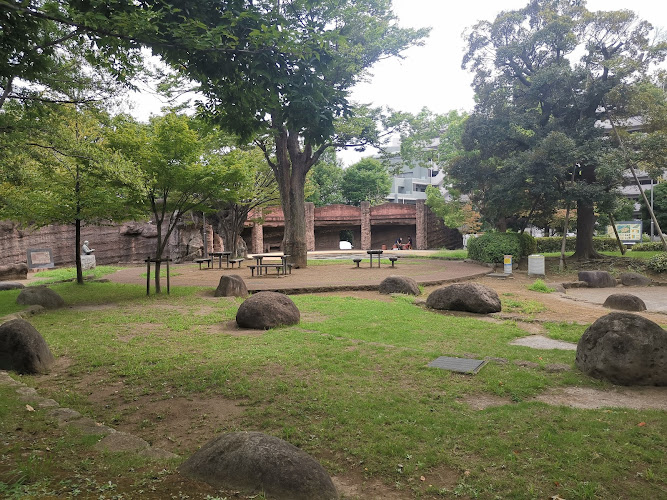
Ōmori Shell Mounds Garden

Nikon Museum
Find Accommodations Nearby
Recommended Tours & Activities
Visitor Reviews
There are no reviews yet. Be the first one to write one.
Share Your Experience
Have you visited Funasei? Help other travelers by leaving a review.