
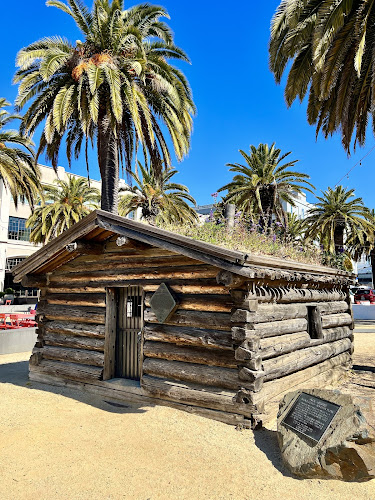
Jack London’s Cabin
About Jack London’s Cabin
Description
Jack London's Cabin stands as a remarkable piece of literary and historical heritage that takes visitors back to the rugged Yukon gold rush era. This reconstructed cabin represents where the legendary American author spent a transformative winter during 1897-1898, an experience that would later fuel some of his most celebrated works including "The Call of the Wild" and "White Fang." The structure you'll encounter today is actually quite fascinating - it's been meticulously recreated using logs from London's original cabin that was discovered in the Yukon wilderness decades after his death. Walking up to this unassuming wooden structure, you might initially think it's smaller than you'd imagined. And you'd be right. But that's precisely what makes it so powerful. Standing before these weathered logs, you can't help but imagine a young Jack London huddled inside during those brutal Yukon winters, scribbling notes by candlelight that would eventually become stories read by millions. The cabin serves as a tangible connection to one of America's most influential adventure writers, offering visitors a glimpse into the harsh conditions that shaped his perspective and writing style. The site does an excellent job of preserving this piece of literary history without over-commercializing it. You won't find gift shops or elaborate visitor centers here - just the raw authenticity of a simple cabin that tells a powerful story. The cabin's logs were authenticated and half of the original structure was sent to Oakland, California (London's hometown) while the other half remained in Dawson City, Yukon. What you're seeing is a faithful reconstruction that captures the spirit of frontier life during the Klondike Gold Rush. Most visitors find themselves surprisingly moved by the experience. There's something about standing in the presence of this humble dwelling that makes London's adventures feel real and immediate. You can practically feel the cold seeping through the logs and imagine the isolation he must have experienced during those long, dark winter months.Key Features
The cabin offers several distinctive elements that make it worth adding to your travel itinerary: • Authentic historical construction using original logs from Jack London's actual Yukon cabin, providing a genuine connection to the famous author's gold rush experience • Wheelchair accessible entrance, ensuring that visitors of all mobility levels can experience this important historical landmark • Family-friendly attraction that's particularly good for kids, offering an educational experience that brings history and literature to life in a tangible way • Compact size that accurately reflects the cramped living conditions gold rush prospectors endured, giving visitors a realistic sense of frontier life • Informative displays and interpretive materials that contextualize London's time in the Yukon and explain how these experiences influenced his writing career • Photo opportunities that capture the rustic charm of this reconstructed piece of Americana, perfect for literature enthusiasts and history buffs alike • Self-guided exploration that allows visitors to move at their own pace and spend as much or as little time as they wish • Minimal crowds compared to other tourist attractions, providing a more intimate and reflective experience • Period-accurate construction techniques visible in the cabin's design, showcasing 19th-century frontier building methods • Connection to multiple famous literary works, making it especially meaningful for fans of "The Call of the Wild," "White Fang," and London's other adventure storiesBest Time to Visit
Timing your visit to Jack London's Cabin really depends on what kind of experience you're after. The summer months from June through August offer the most comfortable weather conditions and longest daylight hours, which honestly makes sense if you're planning to explore the surrounding area as well. During this period, temperatures are mild and you won't have to worry about bundling up excessively or dealing with icy conditions. But here's where it gets interesting - visiting during the shoulder seasons of late spring (May) or early fall (September) can actually enhance your experience. The crowds thin out considerably, and you'll have more space to contemplate and photograph the cabin without other tourists wandering through your shots. I've always found that historical sites feel more authentic when you're not jostling for position with dozens of other visitors. Winter visits present their own unique appeal, though they're not for everyone. If you can handle the cold and shorter days, experiencing the cabin during winter actually provides the most historically accurate perspective. London himself spent a brutal Yukon winter here, and seeing the structure surrounded by snow and ice helps you understand just how challenging those conditions must have been. The temperature difference between a modern winter visit and what London experienced is still significant - he didn't have the benefit of heated vehicles or insulated clothing - but you'll get a much better sense of the environment that shaped his writing. Keep in mind that some sites reduce their hours during off-peak seasons, so it's worth checking ahead before you make specific plans. The cabin itself doesn't require hours to experience, so you can easily fit it into a larger itinerary regardless of when you visit.How to Get There
Getting to Jack London's Cabin is straightforward enough, though your exact route will depend on which version of the cabin you're visiting. Remember that Oakland, California and Dawson City, Yukon each have portions of the original structure, so make sure you know which location you're heading toward before you set out. For those visiting the Oakland location, you'll find it relatively accessible by car with nearby parking options. Public transportation in Oakland is decent, and you can utilize local bus services to get within walking distance of the site. The area is well-marked with signage directing visitors to this historical landmark, so you're unlikely to get lost even if you're not familiar with the neighborhood. If you're planning to visit the Dawson City location in Yukon, well, that's more of an adventure in itself. Dawson City is remote by most standards, and getting there requires more planning. You'll likely need to fly into Whitehorse, Yukon's capital, and then make the roughly five-hour drive north to Dawson City. The journey takes you through some stunning wilderness scenery, which actually adds to the overall experience of understanding London's perspective. Many travelers choose to rent a car for the drive from Whitehorse to Dawson City, giving them flexibility to stop at points of interest along the way. The road is paved and well-maintained during summer months, though winter travel requires more preparation and proper vehicle equipment. Some visitors opt for organized tours that include transportation, which can be a smart choice if you're not comfortable driving in remote areas. Once you arrive in Dawson City, the cabin is located within the town's historic district, making it easily walkable from most hotels and other attractions. The town is small and pedestrian-friendly, which is refreshing if you're used to sprawling urban tourist destinations.Tips for Visiting
Dress appropriately for the weather, even if you're visiting during warmer months. The cabin itself doesn't provide shelter from the elements, and you'll want to be comfortable while exploring the site and reading interpretive materials. Layered clothing works best since temperatures can fluctuate throughout the day. Bring your camera, obviously, but also consider bringing a journal or notebook. There's something about this place that inspires reflection and writing - maybe it's the connection to London himself - and many visitors find themselves wanting to jot down thoughts or impressions. I know that sounds a bit cheesy, but trust me on this one. Plan to spend anywhere from 30 minutes to an hour at the site. It's not a large attraction, but rushing through defeats the purpose. Give yourself time to really absorb the historical significance and imagine what life must have been like for London during his Yukon winter. Read the interpretive signs carefully - they contain fascinating details about his experiences and how they influenced specific passages in his books. If you're a Jack London fan, consider reading or re-reading some of his Yukon stories before your visit. "To Build a Fire" is a short story that perfectly captures the brutal environment he experienced, and it takes on new meaning when you've seen the cabin where he lived through similar conditions. This kind of preparation enriches your visit significantly. For families with kids, take time to explain who Jack London was and why this cabin matters before you arrive. Young children might not automatically appreciate a small wooden structure, but if you frame it as the place where amazing adventure stories were born, they'll engage more enthusiastically. The site's accessibility features make it easy for strollers and wheelchairs, which is genuinely helpful for families with various needs. Don't expect elaborate facilities or amenities. This isn't Disneyland - it's a historical site that prioritizes authenticity over comfort. Restrooms and refreshments aren't always immediately available, so plan accordingly. Bring water and snacks if you think you'll need them. Consider visiting during weekday mornings if possible, when attendance tends to be lighter. You'll have more opportunity for quiet contemplation and better photographs without other visitors in the background. And honestly, some historical sites just feel more powerful when you can experience them without the distraction of crowds. Take advantage of any ranger talks or guided tours if they're available during your visit. These programs offer insights and historical context that you might miss on your own, and rangers often share fascinating anecdotes about London's life and the cabin's rediscovery. Finally, respect the historical nature of the site. Don't touch or lean on the cabin structure, and follow all posted guidelines. These logs have survived over a century, and preserving them for future visitors requires everyone's cooperation. The cabin represents an irreplaceable piece of literary and cultural history, and treating it with appropriate care ensures that others can enjoy it for years to come.Key Features
- Reconstructed log cabin built from original logs attributed to Jack London’s Klondike dwelling
- Interpretive signage and historical context linking the site to London’s 1897–98 prospecting winter
- Scenic location within Jack London Square on Oakland’s waterfront
- Easy access for pedestrians, public transit users, and visitors exploring the square
- Close photographic and educational opportunity for literary and local history enthusiasts
More Details
Updated January 17, 2026
Table of Contents
Description
Jack London’s Cabin stands as a remarkable piece of literary and historical heritage that takes visitors back to the rugged Yukon gold rush era. This reconstructed cabin represents where the legendary American author spent a transformative winter during 1897-1898, an experience that would later fuel some of his most celebrated works including “The Call of the Wild” and “White Fang.” The structure you’ll encounter today is actually quite fascinating – it’s been meticulously recreated using logs from London’s original cabin that was discovered in the Yukon wilderness decades after his death.
Walking up to this unassuming wooden structure, you might initially think it’s smaller than you’d imagined. And you’d be right. But that’s precisely what makes it so powerful. Standing before these weathered logs, you can’t help but imagine a young Jack London huddled inside during those brutal Yukon winters, scribbling notes by candlelight that would eventually become stories read by millions. The cabin serves as a tangible connection to one of America’s most influential adventure writers, offering visitors a glimpse into the harsh conditions that shaped his perspective and writing style.
The site does an excellent job of preserving this piece of literary history without over-commercializing it. You won’t find gift shops or elaborate visitor centers here – just the raw authenticity of a simple cabin that tells a powerful story. The cabin’s logs were authenticated and half of the original structure was sent to Oakland, California (London’s hometown) while the other half remained in Dawson City, Yukon. What you’re seeing is a faithful reconstruction that captures the spirit of frontier life during the Klondike Gold Rush.
Most visitors find themselves surprisingly moved by the experience. There’s something about standing in the presence of this humble dwelling that makes London’s adventures feel real and immediate. You can practically feel the cold seeping through the logs and imagine the isolation he must have experienced during those long, dark winter months.
Key Features
The cabin offers several distinctive elements that make it worth adding to your travel itinerary:
• Authentic historical construction using original logs from Jack London’s actual Yukon cabin, providing a genuine connection to the famous author’s gold rush experience
• Wheelchair accessible entrance, ensuring that visitors of all mobility levels can experience this important historical landmark
• Family-friendly attraction that’s particularly good for kids, offering an educational experience that brings history and literature to life in a tangible way
• Compact size that accurately reflects the cramped living conditions gold rush prospectors endured, giving visitors a realistic sense of frontier life
• Informative displays and interpretive materials that contextualize London’s time in the Yukon and explain how these experiences influenced his writing career
• Photo opportunities that capture the rustic charm of this reconstructed piece of Americana, perfect for literature enthusiasts and history buffs alike
• Self-guided exploration that allows visitors to move at their own pace and spend as much or as little time as they wish
• Minimal crowds compared to other tourist attractions, providing a more intimate and reflective experience
• Period-accurate construction techniques visible in the cabin’s design, showcasing 19th-century frontier building methods
• Connection to multiple famous literary works, making it especially meaningful for fans of “The Call of the Wild,” “White Fang,” and London’s other adventure stories
Best Time to Visit
Timing your visit to Jack London’s Cabin really depends on what kind of experience you’re after. The summer months from June through August offer the most comfortable weather conditions and longest daylight hours, which honestly makes sense if you’re planning to explore the surrounding area as well. During this period, temperatures are mild and you won’t have to worry about bundling up excessively or dealing with icy conditions.
But here’s where it gets interesting – visiting during the shoulder seasons of late spring (May) or early fall (September) can actually enhance your experience. The crowds thin out considerably, and you’ll have more space to contemplate and photograph the cabin without other tourists wandering through your shots. I’ve always found that historical sites feel more authentic when you’re not jostling for position with dozens of other visitors.
Winter visits present their own unique appeal, though they’re not for everyone. If you can handle the cold and shorter days, experiencing the cabin during winter actually provides the most historically accurate perspective. London himself spent a brutal Yukon winter here, and seeing the structure surrounded by snow and ice helps you understand just how challenging those conditions must have been. The temperature difference between a modern winter visit and what London experienced is still significant – he didn’t have the benefit of heated vehicles or insulated clothing – but you’ll get a much better sense of the environment that shaped his writing.
Keep in mind that some sites reduce their hours during off-peak seasons, so it’s worth checking ahead before you make specific plans. The cabin itself doesn’t require hours to experience, so you can easily fit it into a larger itinerary regardless of when you visit.
How to Get There
Getting to Jack London’s Cabin is straightforward enough, though your exact route will depend on which version of the cabin you’re visiting. Remember that Oakland, California and Dawson City, Yukon each have portions of the original structure, so make sure you know which location you’re heading toward before you set out.
For those visiting the Oakland location, you’ll find it relatively accessible by car with nearby parking options. Public transportation in Oakland is decent, and you can utilize local bus services to get within walking distance of the site. The area is well-marked with signage directing visitors to this historical landmark, so you’re unlikely to get lost even if you’re not familiar with the neighborhood.
If you’re planning to visit the Dawson City location in Yukon, well, that’s more of an adventure in itself. Dawson City is remote by most standards, and getting there requires more planning. You’ll likely need to fly into Whitehorse, Yukon’s capital, and then make the roughly five-hour drive north to Dawson City. The journey takes you through some stunning wilderness scenery, which actually adds to the overall experience of understanding London’s perspective.
Many travelers choose to rent a car for the drive from Whitehorse to Dawson City, giving them flexibility to stop at points of interest along the way. The road is paved and well-maintained during summer months, though winter travel requires more preparation and proper vehicle equipment. Some visitors opt for organized tours that include transportation, which can be a smart choice if you’re not comfortable driving in remote areas.
Once you arrive in Dawson City, the cabin is located within the town’s historic district, making it easily walkable from most hotels and other attractions. The town is small and pedestrian-friendly, which is refreshing if you’re used to sprawling urban tourist destinations.
Tips for Visiting
Dress appropriately for the weather, even if you’re visiting during warmer months. The cabin itself doesn’t provide shelter from the elements, and you’ll want to be comfortable while exploring the site and reading interpretive materials. Layered clothing works best since temperatures can fluctuate throughout the day.
Bring your camera, obviously, but also consider bringing a journal or notebook. There’s something about this place that inspires reflection and writing – maybe it’s the connection to London himself – and many visitors find themselves wanting to jot down thoughts or impressions. I know that sounds a bit cheesy, but trust me on this one.
Plan to spend anywhere from 30 minutes to an hour at the site. It’s not a large attraction, but rushing through defeats the purpose. Give yourself time to really absorb the historical significance and imagine what life must have been like for London during his Yukon winter. Read the interpretive signs carefully – they contain fascinating details about his experiences and how they influenced specific passages in his books.
If you’re a Jack London fan, consider reading or re-reading some of his Yukon stories before your visit. “To Build a Fire” is a short story that perfectly captures the brutal environment he experienced, and it takes on new meaning when you’ve seen the cabin where he lived through similar conditions. This kind of preparation enriches your visit significantly.
For families with kids, take time to explain who Jack London was and why this cabin matters before you arrive. Young children might not automatically appreciate a small wooden structure, but if you frame it as the place where amazing adventure stories were born, they’ll engage more enthusiastically. The site’s accessibility features make it easy for strollers and wheelchairs, which is genuinely helpful for families with various needs.
Don’t expect elaborate facilities or amenities. This isn’t Disneyland – it’s a historical site that prioritizes authenticity over comfort. Restrooms and refreshments aren’t always immediately available, so plan accordingly. Bring water and snacks if you think you’ll need them.
Consider visiting during weekday mornings if possible, when attendance tends to be lighter. You’ll have more opportunity for quiet contemplation and better photographs without other visitors in the background. And honestly, some historical sites just feel more powerful when you can experience them without the distraction of crowds.
Take advantage of any ranger talks or guided tours if they’re available during your visit. These programs offer insights and historical context that you might miss on your own, and rangers often share fascinating anecdotes about London’s life and the cabin’s rediscovery.
Finally, respect the historical nature of the site. Don’t touch or lean on the cabin structure, and follow all posted guidelines. These logs have survived over a century, and preserving them for future visitors requires everyone’s cooperation. The cabin represents an irreplaceable piece of literary and cultural history, and treating it with appropriate care ensures that others can enjoy it for years to come.
Key Highlights
- Reconstructed log cabin built from original logs attributed to Jack London’s Klondike dwelling
- Interpretive signage and historical context linking the site to London’s 1897–98 prospecting winter
- Scenic location within Jack London Square on Oakland’s waterfront
- Easy access for pedestrians, public transit users, and visitors exploring the square
- Close photographic and educational opportunity for literary and local history enthusiasts
Location
Places to Stay Near Jack London's Cabin
Find and Book a Tour
Explore More Travel Guides
No reviews found! Be the first to review!
Traveler Reviews for Jack London’s Cabin
There are no reviews yet. Be the first one to write one.
Have you visited Jack London’s Cabin? Help other travelers by sharing your review.
Nearby Attractions
You Might Also Like

La Nopalera Produce
Rotary Nature Center

Dunsmuir Hellman Historic Estate
Find Accommodations Nearby
Recommended Tours & Activities
Visitor Reviews
There are no reviews yet. Be the first one to write one.
Share Your Experience
Have you visited Jack London’s Cabin? Help other travelers by leaving a review.