
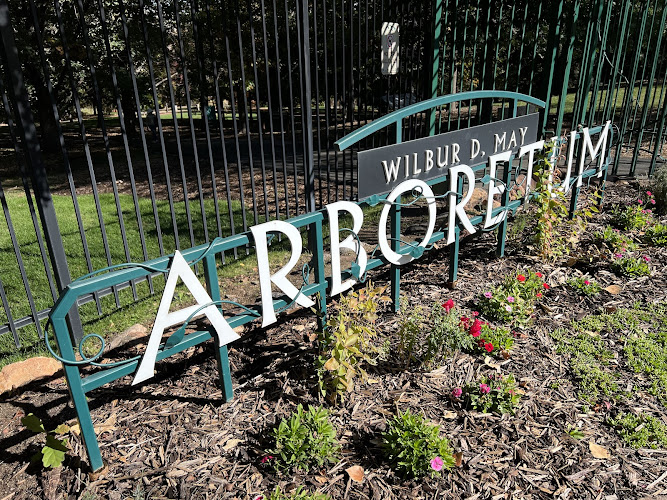
Wilbur D. May Arboretum
About Wilbur D. May Arboretum
Description
The Wilbur D. May Arboretum serves as one of those pleasant surprises that travelers stumble upon and end up spending way more time at than originally planned. Located in Reno, Nevada, this botanical garden covers twelve acres of thoughtfully curated landscapes that showcase both native and adapted plant species thriving in the high desert climate. What makes this place particularly interesting is how it manages to create distinct garden experiences within a relatively compact space—you're not walking miles and miles to see different environments. The arboretum was established to educate visitors about plants that can actually survive and flourish in the challenging conditions of northern Nevada, where summer heat and winter cold can really put vegetation to the test. And honestly, that practical approach makes it far more useful than some fancy gardens that showcase plants you'd never be able to grow in your own yard if you lived anywhere nearby. The whole setup feels like someone's incredibly well-planned backyard paradise, just on a much larger scale. Visitors will find themselves wandering through everything from waterwise demonstration gardens to songbird gardens, with each area teaching different lessons about sustainable landscaping in arid regions. The arboretum sits adjacent to Rancho San Rafael Regional Park, which means you've got even more outdoor recreation options if the botanical displays aren't quite enough to fill your afternoon. I've found that combining both makes for a pretty perfect day out, especially when the weather's cooperating.Key Features
The Wilbur D. May Arboretum offers travelers a genuinely diverse experience despite its manageable size. Here's what makes this destination worth adding to your Reno itinerary:- Multiple themed gardens: The property includes a songbird garden specifically designed to attract local bird species, a waterwise garden demonstrating drought-tolerant landscaping techniques, and a native plant garden showcasing the natural flora of the Great Basin region
- Accessibility for all visitors: The arboretum provides wheelchair accessible entrances, parking areas, and restroom facilities, making it genuinely welcoming for travelers with mobility considerations
- Family-friendly amenities: Kid-friendly hiking trails wind through the property, and there's a dedicated dog park where four-legged travel companions can burn off energy while their humans explore
- Perfect picnic infrastructure: Multiple picnic tables are scattered throughout the grounds, and the public restrooms mean you can actually spend several hours here comfortably
- Educational opportunities: Interpretive signage throughout the gardens provides information about plant species, water conservation, and wildlife habitat creation
- Free parking: The complimentary parking lot removes one more expense from your travel budget, which travelers always appreciate
- Year-round interest: Because the plantings include species with different seasonal peaks, there's always something worth seeing no matter when you visit
- Connection to larger park system: Direct access to Rancho San Rafael Regional Park expands your recreational options significantly
Best Time to Visit
Figuring out when to visit the Wilbur D. May Arboretum really depends on what kind of experience you're after. But if I'm being totally honest, late spring through early fall offers the most rewarding visits for most travelers. May and June bring the high desert spring bloom, when you'll catch many of the flowering plants at their absolute peak. The temperatures during these months hover in that comfortable 70-80 degree range—warm enough to enjoy being outside but not so scorching that you're seeking shade every fifteen minutes. I've visited botanical gardens in brutal summer heat before, and let me tell you, it really diminishes the enjoyment when you're more focused on not melting than appreciating the horticulture. Early fall, particularly September and October, presents another excellent window. The summer crowds have thinned out considerably, the temperatures have dropped back into pleasant territory, and you'll see the garden's deciduous plantings putting on their autumn color show. There's something especially beautiful about fall foliage against that clear Nevada blue sky. Winter visits are certainly possible—the arboretum stays open year-round—but you'll obviously see less active growth and flowering. However, if you're interested in seeing the garden's structural elements and understanding how experienced gardeners create year-round interest through plant architecture rather than just blooms, winter actually provides valuable lessons. Plus, you'll practically have the place to yourself. Summer visits (July and August) require some planning. Get there early in the morning, ideally right when they open, before the afternoon heat becomes oppressive. Bring way more water than you think you'll need. The shade structures and tree canopies provide some relief, but this is still the high desert, and dehydration sneaks up on you faster than you'd expect. Weekday visits throughout any season tend to be quieter than weekends, which makes sense. If you enjoy photographing gardens without random people wandering into your shots, aim for a Tuesday or Wednesday morning.How to Get There
Getting to the Wilbur D. May Arboretum is refreshingly straightforward, especially if you're already staying in the Reno area. The arboretum sits within Rancho San Rafael Regional Park on the northwest side of Reno, making it easily accessible whether you're driving yourself or using rideshare services. For travelers with rental cars—which most visitors to Reno will have—the drive from downtown Reno takes roughly fifteen minutes depending on traffic. You'll head north and follow the well-marked signs to Rancho San Rafael Regional Park. The free parking lot I mentioned earlier sits right near the arboretum entrance, so you won't be hiking from some distant overflow lot carrying all your stuff. If you're flying into Reno-Tahoe International Airport, the arboretum is about a twenty-minute drive northeast of the airport. Grabbing an Uber or Lyft makes perfect sense if you're just planning a few hours at the arboretum and don't need a car for your entire trip. The ride typically costs between fifteen and twenty-five dollars depending on time of day and demand. For visitors relying on public transportation, the Regional Transportation Commission of Washoe County (RTC) does serve the area, though you'll need to check current routes and schedules since they do change seasonally. The bus won't drop you directly at the arboretum entrance, so be prepared for a bit of a walk from the nearest stop. Many travelers combine their arboretum visit with other nearby attractions. The National Automobile Museum and the Nevada Museum of Art are both downtown, making them easy additions to your day if you're up for some cultural experiences before or after your botanical wanderings. The proximity to the larger Rancho San Rafael park system also means hikers and outdoor enthusiasts can easily extend their visit. Navigation apps like Google Maps or Waze work perfectly fine for finding the arboretum, and cell service in the area is reliable if you need to adjust your plans or look up additional information while you're there.Tips for Visiting
After spending time exploring the Wilbur D. May Arboretum and talking with other travelers who've visited, I've collected some practical tips that'll genuinely improve your experience. First off, wear proper walking shoes. I know this seems obvious, but you'd be surprised how many people show up in flip-flops or fashion sandals and then complain about sore feet. The trails are well-maintained but you'll be doing more walking than you probably anticipate, especially if you wander into the adjacent park areas. Bring a refillable water bottle even if you're visiting during cooler months. The Nevada air is incredibly dry regardless of temperature, and dehydration happens faster than in more humid climates. There are water fountains available, but having your own bottle means you can sip regularly rather than rationing until you find the next fountain. The lighting for photography is absolutely gorgeous in early morning and late afternoon—those golden hours that photographers obsess over. If you're into plant photography or just want nice pictures for your travel album, plan accordingly. Midday sun in Nevada is harsh and creates unflattering shadows and washed-out colors. Pack snacks or a full picnic to take advantage of those picnic tables. There aren't food vendors at the arboretum itself, and while you're certainly close enough to restaurants, there's something genuinely pleasant about eating lunch surrounded by thoughtfully designed gardens. Just remember to pack out everything you bring in—leave no trace principles apply. If you're traveling with dogs, the dog park provides an excellent opportunity for your pet to socialize and exercise. But be aware that inside the arboretum gardens themselves, dogs need to be leashed. The dog park is separate from the main botanical areas. Check their website or call ahead if you're visiting specifically to see certain plants in bloom. The staff can usually tell you what's currently looking its best, which helps you plan your route through the gardens. And speaking of staff, don't hesitate to ask questions if you see a volunteer or employee—they're typically quite knowledgeable and genuinely enthusiastic about sharing information. For families with young kids, the kid-friendly trails are clearly marked, but bringing a small backpack with activities (coloring books, nature journals, magnifying glasses) can transform a simple walk into an educational adventure. Kids tend to engage more deeply when they have specific tasks like sketching plants or looking for certain bird species. Timing your visit to avoid the hottest part of the day during summer months isn't just about comfort—it's genuinely a safety issue. Heat exhaustion is real, and tourists often underestimate how quickly it can develop in dry heat. If you start feeling dizzy, nauseous, or develop a headache, get to shade immediately and hydrate. The arboretum occasionally hosts special events, workshops, and educational programs. These can add significant value to your visit, but they also mean certain areas might be busier or temporarily restricted. Checking the calendar before your visit helps you either take advantage of special programming or avoid it if you prefer a quieter experience. Finally, give yourself more time than you think you'll need. Even travelers who initially planned "just a quick stop" often find themselves lingering longer than expected. There's something about well-designed garden spaces that slows you down in the best possible way. Rushing through defeats the entire purpose of visiting an arboretum in the first place.Key Features
- 13-acre living museum with over 4,600 native and adaptive species
- Themed gardens and groves showcasing desert-adapted and exotic plants
- Water features and shaded walking paths ideal for photography and birdwatching
- Educational programs, workshops and community events via the May Arboretum Society
- Located inside Rancho San Rafael Regional Park, near museum and other park amenities
More Details
Updated January 17, 2026
Table of Contents
Description
The Wilbur D. May Arboretum serves as one of those pleasant surprises that travelers stumble upon and end up spending way more time at than originally planned. Located in Reno, Nevada, this botanical garden covers twelve acres of thoughtfully curated landscapes that showcase both native and adapted plant species thriving in the high desert climate. What makes this place particularly interesting is how it manages to create distinct garden experiences within a relatively compact space—you’re not walking miles and miles to see different environments.
The arboretum was established to educate visitors about plants that can actually survive and flourish in the challenging conditions of northern Nevada, where summer heat and winter cold can really put vegetation to the test. And honestly, that practical approach makes it far more useful than some fancy gardens that showcase plants you’d never be able to grow in your own yard if you lived anywhere nearby. The whole setup feels like someone’s incredibly well-planned backyard paradise, just on a much larger scale.
Visitors will find themselves wandering through everything from waterwise demonstration gardens to songbird gardens, with each area teaching different lessons about sustainable landscaping in arid regions. The arboretum sits adjacent to Rancho San Rafael Regional Park, which means you’ve got even more outdoor recreation options if the botanical displays aren’t quite enough to fill your afternoon. I’ve found that combining both makes for a pretty perfect day out, especially when the weather’s cooperating.
Key Features
The Wilbur D. May Arboretum offers travelers a genuinely diverse experience despite its manageable size. Here’s what makes this destination worth adding to your Reno itinerary:
- Multiple themed gardens: The property includes a songbird garden specifically designed to attract local bird species, a waterwise garden demonstrating drought-tolerant landscaping techniques, and a native plant garden showcasing the natural flora of the Great Basin region
- Accessibility for all visitors: The arboretum provides wheelchair accessible entrances, parking areas, and restroom facilities, making it genuinely welcoming for travelers with mobility considerations
- Family-friendly amenities: Kid-friendly hiking trails wind through the property, and there’s a dedicated dog park where four-legged travel companions can burn off energy while their humans explore
- Perfect picnic infrastructure: Multiple picnic tables are scattered throughout the grounds, and the public restrooms mean you can actually spend several hours here comfortably
- Educational opportunities: Interpretive signage throughout the gardens provides information about plant species, water conservation, and wildlife habitat creation
- Free parking: The complimentary parking lot removes one more expense from your travel budget, which travelers always appreciate
- Year-round interest: Because the plantings include species with different seasonal peaks, there’s always something worth seeing no matter when you visit
- Connection to larger park system: Direct access to Rancho San Rafael Regional Park expands your recreational options significantly
Best Time to Visit
Figuring out when to visit the Wilbur D. May Arboretum really depends on what kind of experience you’re after. But if I’m being totally honest, late spring through early fall offers the most rewarding visits for most travelers.
May and June bring the high desert spring bloom, when you’ll catch many of the flowering plants at their absolute peak. The temperatures during these months hover in that comfortable 70-80 degree range—warm enough to enjoy being outside but not so scorching that you’re seeking shade every fifteen minutes. I’ve visited botanical gardens in brutal summer heat before, and let me tell you, it really diminishes the enjoyment when you’re more focused on not melting than appreciating the horticulture.
Early fall, particularly September and October, presents another excellent window. The summer crowds have thinned out considerably, the temperatures have dropped back into pleasant territory, and you’ll see the garden’s deciduous plantings putting on their autumn color show. There’s something especially beautiful about fall foliage against that clear Nevada blue sky.
Winter visits are certainly possible—the arboretum stays open year-round—but you’ll obviously see less active growth and flowering. However, if you’re interested in seeing the garden’s structural elements and understanding how experienced gardeners create year-round interest through plant architecture rather than just blooms, winter actually provides valuable lessons. Plus, you’ll practically have the place to yourself.
Summer visits (July and August) require some planning. Get there early in the morning, ideally right when they open, before the afternoon heat becomes oppressive. Bring way more water than you think you’ll need. The shade structures and tree canopies provide some relief, but this is still the high desert, and dehydration sneaks up on you faster than you’d expect.
Weekday visits throughout any season tend to be quieter than weekends, which makes sense. If you enjoy photographing gardens without random people wandering into your shots, aim for a Tuesday or Wednesday morning.
How to Get There
Getting to the Wilbur D. May Arboretum is refreshingly straightforward, especially if you’re already staying in the Reno area. The arboretum sits within Rancho San Rafael Regional Park on the northwest side of Reno, making it easily accessible whether you’re driving yourself or using rideshare services.
For travelers with rental cars—which most visitors to Reno will have—the drive from downtown Reno takes roughly fifteen minutes depending on traffic. You’ll head north and follow the well-marked signs to Rancho San Rafael Regional Park. The free parking lot I mentioned earlier sits right near the arboretum entrance, so you won’t be hiking from some distant overflow lot carrying all your stuff.
If you’re flying into Reno-Tahoe International Airport, the arboretum is about a twenty-minute drive northeast of the airport. Grabbing an Uber or Lyft makes perfect sense if you’re just planning a few hours at the arboretum and don’t need a car for your entire trip. The ride typically costs between fifteen and twenty-five dollars depending on time of day and demand.
For visitors relying on public transportation, the Regional Transportation Commission of Washoe County (RTC) does serve the area, though you’ll need to check current routes and schedules since they do change seasonally. The bus won’t drop you directly at the arboretum entrance, so be prepared for a bit of a walk from the nearest stop.
Many travelers combine their arboretum visit with other nearby attractions. The National Automobile Museum and the Nevada Museum of Art are both downtown, making them easy additions to your day if you’re up for some cultural experiences before or after your botanical wanderings. The proximity to the larger Rancho San Rafael park system also means hikers and outdoor enthusiasts can easily extend their visit.
Navigation apps like Google Maps or Waze work perfectly fine for finding the arboretum, and cell service in the area is reliable if you need to adjust your plans or look up additional information while you’re there.
Tips for Visiting
After spending time exploring the Wilbur D. May Arboretum and talking with other travelers who’ve visited, I’ve collected some practical tips that’ll genuinely improve your experience.
First off, wear proper walking shoes. I know this seems obvious, but you’d be surprised how many people show up in flip-flops or fashion sandals and then complain about sore feet. The trails are well-maintained but you’ll be doing more walking than you probably anticipate, especially if you wander into the adjacent park areas.
Bring a refillable water bottle even if you’re visiting during cooler months. The Nevada air is incredibly dry regardless of temperature, and dehydration happens faster than in more humid climates. There are water fountains available, but having your own bottle means you can sip regularly rather than rationing until you find the next fountain.
The lighting for photography is absolutely gorgeous in early morning and late afternoon—those golden hours that photographers obsess over. If you’re into plant photography or just want nice pictures for your travel album, plan accordingly. Midday sun in Nevada is harsh and creates unflattering shadows and washed-out colors.
Pack snacks or a full picnic to take advantage of those picnic tables. There aren’t food vendors at the arboretum itself, and while you’re certainly close enough to restaurants, there’s something genuinely pleasant about eating lunch surrounded by thoughtfully designed gardens. Just remember to pack out everything you bring in—leave no trace principles apply.
If you’re traveling with dogs, the dog park provides an excellent opportunity for your pet to socialize and exercise. But be aware that inside the arboretum gardens themselves, dogs need to be leashed. The dog park is separate from the main botanical areas.
Check their website or call ahead if you’re visiting specifically to see certain plants in bloom. The staff can usually tell you what’s currently looking its best, which helps you plan your route through the gardens. And speaking of staff, don’t hesitate to ask questions if you see a volunteer or employee—they’re typically quite knowledgeable and genuinely enthusiastic about sharing information.
For families with young kids, the kid-friendly trails are clearly marked, but bringing a small backpack with activities (coloring books, nature journals, magnifying glasses) can transform a simple walk into an educational adventure. Kids tend to engage more deeply when they have specific tasks like sketching plants or looking for certain bird species.
Timing your visit to avoid the hottest part of the day during summer months isn’t just about comfort—it’s genuinely a safety issue. Heat exhaustion is real, and tourists often underestimate how quickly it can develop in dry heat. If you start feeling dizzy, nauseous, or develop a headache, get to shade immediately and hydrate.
The arboretum occasionally hosts special events, workshops, and educational programs. These can add significant value to your visit, but they also mean certain areas might be busier or temporarily restricted. Checking the calendar before your visit helps you either take advantage of special programming or avoid it if you prefer a quieter experience.
Finally, give yourself more time than you think you’ll need. Even travelers who initially planned “just a quick stop” often find themselves lingering longer than expected. There’s something about well-designed garden spaces that slows you down in the best possible way. Rushing through defeats the entire purpose of visiting an arboretum in the first place.
Key Highlights
- 13-acre living museum with over 4,600 native and adaptive species
- Themed gardens and groves showcasing desert-adapted and exotic plants
- Water features and shaded walking paths ideal for photography and birdwatching
- Educational programs, workshops and community events via the May Arboretum Society
- Located inside Rancho San Rafael Regional Park, near museum and other park amenities
Location
Places to Stay Near Wilbur D. May Arboretum
Find and Book a Tour
Explore More Travel Guides
No reviews found! Be the first to review!
Traveler Reviews for Wilbur D. May Arboretum
There are no reviews yet. Be the first one to write one.
Have you visited Wilbur D. May Arboretum? Help other travelers by sharing your review.
Nearby Attractions
You Might Also Like

MidTown Welcome Center
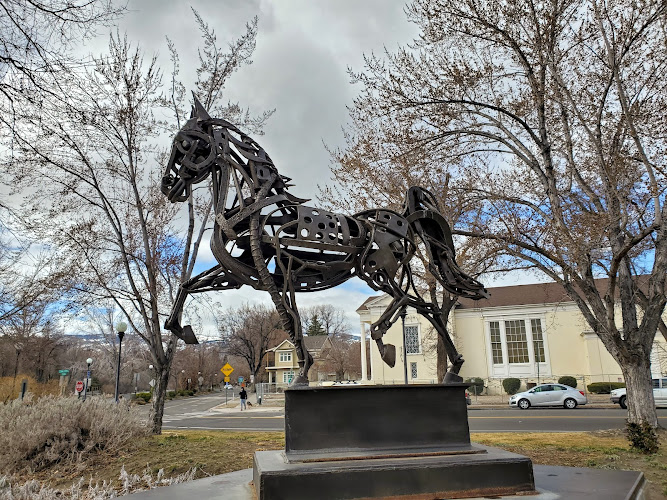
Bicentennial Park
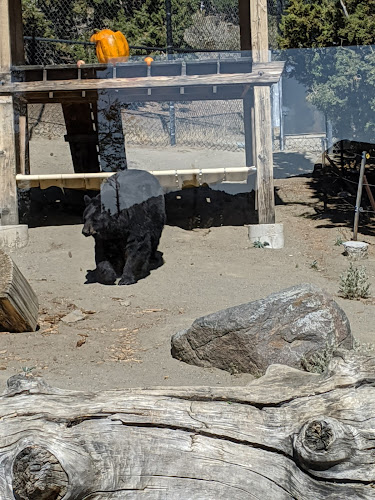
Animal Ark
Find Accommodations Nearby
Recommended Tours & Activities
Visitor Reviews
There are no reviews yet. Be the first one to write one.
Share Your Experience
Have you visited Wilbur D. May Arboretum? Help other travelers by leaving a review.