
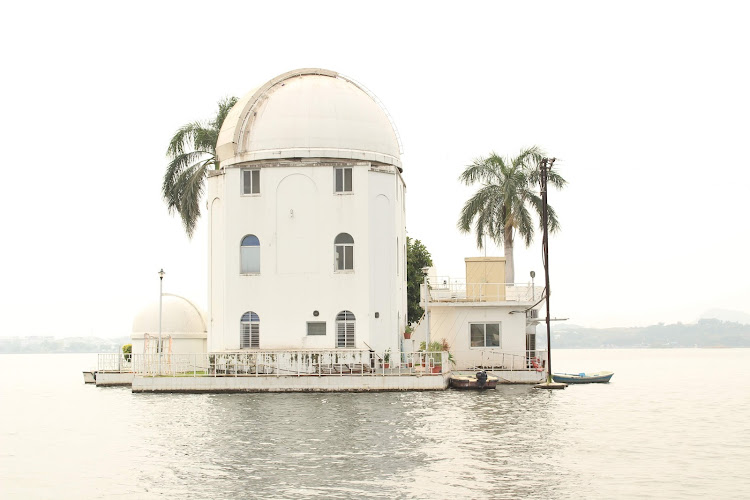
Udaipur Solar Observatory
About Udaipur Solar Observatory
Description
The Udaipur Solar Observatory sits like a brilliant white jewel on a small island in the middle of Fateh Sagar Lake, and honestly, it's one of those places that catches you completely off guard. When I first learned about this place, I couldn't quite wrap my head around the idea of building a solar observatory on a tiny piece of land surrounded by water. But that's exactly what makes it so special. This isn't your typical tourist spot where you'll find crowds jostling for selfies, though plenty of visitors do stop by to admire its unique architecture and location. The observatory serves a real scientific purpose, conducting important solar research while simultaneously offering travelers a glimpse into India's contributions to astronomy and space science. The white structure stands in stark contrast to the blue waters of Fateh Sagar Lake, creating one of those postcard-perfect views that Udaipur seems to specialize in. What really sets this place apart is its dual identity. It's both a working scientific facility and a tourist attraction, which means visitors get to experience something genuinely meaningful rather than just another photo opportunity. The Asia Solar Physics Research Area finds this location particularly valuable because the surrounding water creates an atmospheric environment with minimal air turbulence, making it ideal for observing solar activities. Pretty clever, right? The observatory's placement on the island wasn't just for aesthetics, though it certainly doesn't hurt. Scientists chose this spot because being surrounded by water helps reduce ground-level disturbances that could interfere with delicate solar observations. And while you're there appreciating the scientific genius behind it, you're also getting some of the best views of Udaipur's landscape you could ask for.Key Features
The Udaipur Solar Observatory offers several distinctive characteristics that make it worth your time:- A genuine working solar observatory that conducts active research on solar phenomena, giving visitors access to real scientific work rather than just displays
- Stunning architectural design featuring brilliant white structures that photograph beautifully against the lake's blue waters and surrounding Aravalli hills
- Strategic location on an island in Fateh Sagar Lake, which provides optimal atmospheric conditions for solar observations due to reduced air turbulence
- One of the best solar observing sites in Asia, making it significant not just regionally but internationally for astronomical research
- Boat ride access to the island, which adds an element of adventure to your visit and provides excellent views of the lake and city
- Educational opportunities to learn about solar science, astronomy, and India's space research programs in a practical setting
- The chance to see specialized telescopes and equipment used for monitoring solar activities, including sunspot observations and solar spectrum analysis
- Panoramic views of Udaipur from a unique vantage point that most tourists never experience
- A quieter, more contemplative atmosphere compared to Udaipur's busier palaces and markets, perfect for those seeking something different
- Family-friendly environment that sparks curiosity in children about science and space, though accessibility remains limited for wheelchair users
Best Time to Visit
Timing your visit to the Udaipur Solar Observatory requires thinking about a few different factors, and I'll be straight with you - it's not always open to the public, which makes planning a bit tricky. The best months to visit Udaipur generally fall between October and March when the weather is pleasant and you won't be melting under the Rajasthan sun. During these cooler months, the boat ride to the island becomes much more enjoyable, and you'll actually want to spend time outdoors exploring rather than desperately seeking shade. I've found that early mornings during this period offer particularly beautiful light for photography, with the white observatory practically glowing against the morning sky. But here's where it gets interesting with a solar observatory specifically. Sunspot activity follows roughly 11-year cycles, and while you can visit anytime, periods of higher solar activity make the research happening there more dynamic. That said, as a casual visitor, you probably won't notice much difference unless you're genuinely interested in the technical aspects of solar observation. Winter mornings from November through February are genuinely lovely. The temperatures hover around comfortable levels, the lake looks its best, and the surrounding landscape takes on this crisp quality that summer just can't match. However, do note that the observatory may close during certain periods for maintenance or when important research projects are underway. Weekdays typically offer a better experience than weekends if you're hoping for a quieter visit. The observatory attracts both tourists and students, so weekends can get busier. And if you're traveling with kids who are curious about science, visiting during the school year on a weekday means fewer crowds and potentially more attention from any staff members who might be available to answer questions. Monsoon season from July to September presents its own charm. The lake fills up beautifully, and the surrounding hills turn green, but boat services can be affected by weather conditions. So while the scenery might be spectacular, accessibility becomes less reliable.How to Get There
Getting to the Udaipur Solar Observatory involves a bit of a journey, but that's part of the experience. The observatory sits on an island in Fateh Sagar Lake, so you can't just walk up to the front door. First, you'll need to reach Fateh Sagar Lake itself, which is located about three kilometers from the center of Udaipur. Most travelers staying in the main tourist areas can easily grab an auto-rickshaw or taxi to take them to the lake. The ride shouldn't cost more than 100-150 rupees from the City Palace area, though prices can vary depending on your bargaining skills and the time of day. Once you arrive at Fateh Sagar Lake, you'll need to arrange boat transportation to reach the island. The lake has regular boating facilities, and you can hire a boat specifically to take you to the observatory island. This is where things sometimes get complicated - access to the island isn't always guaranteed since it's primarily a scientific facility. Some visitors have reported difficulties getting permission to actually land on the island versus just viewing it from the water. If you're driving yourself or hiring a car, Fateh Sagar Lake is well-marked and easy to find. There's parking available near the lakefront, though it can fill up during peak tourist season. From wherever you park, you'll walk to the boat jetty area. The boat ride itself takes maybe 10-15 minutes depending on which part of the shore you depart from. It's a pleasant journey, and you'll want to have your camera ready because the views are genuinely impressive. The observatory gradually comes into focus as you approach, and seeing it up close reveals details you can't appreciate from the shore. Public transportation also reaches Fateh Sagar Lake area. Local buses run regularly from various parts of Udaipur, though they can be crowded and confusing if you're not familiar with the routes. For first-time visitors, auto-rickshaws or pre-arranged taxis make more sense. The nearest airport is Maharana Pratap Airport, about 25 kilometers from the city center. From there, you'd need to arrange transport into Udaipur and then onward to Fateh Sagar Lake. The nearest major railway station is Udaipur City Railway Station, which connects well to other parts of India.Tips for Visiting
Based on what I've gathered from fellow travelers and my own understanding of the place, here are some practical tips that'll help make your visit smoother. Check ahead about access permissions. This is probably the single most important tip I can give you. The Udaipur Solar Observatory is a working scientific facility, not primarily a tourist destination. While visitors are generally welcome, there are times when access is restricted. Contacting the observatory beforehand or checking with your hotel can save you disappointment. Some tour operators in Udaipur know the current access situation better than trying to figure it out yourself. Bring sun protection because you'll be on the water with virtually no shade during the boat ride. A good hat, sunscreen, and sunglasses aren't just recommended - they're essential. The reflection off the lake intensifies the sun exposure, and I've heard enough stories about travelers getting unexpectedly sunburned to know this is serious. Keep your expectations realistic about what you'll see inside. This isn't a planetarium or an interactive science museum. It's a research facility with specialized equipment. Some visitors have felt underwhelmed because they expected more tourist-oriented exhibits. If you go in understanding it's primarily about the unique location, architecture, and the boat journey, you'll probably leave satisfied. The boat operators at Fateh Sagar Lake will try to charge tourists higher rates than locals - that's just reality. Negotiate firmly but politely, and try to agree on the price before boarding. Make sure you're clear about whether you want to just circle the island or actually land on it, as these might be priced differently. Photography enthusiasts should consider the light carefully. Midday sun can create harsh shadows on the white observatory building, while early morning and late afternoon provide softer, more appealing light. The boat ride also offers fantastic photography opportunities of the surrounding landscape. Wheelchair accessibility is unfortunately not available here, which rules this out for some travelers. The combination of boat access and the island's limited facilities means visitors with mobility challenges will struggle. It's disappointing, but worth knowing before you make plans. For families traveling with children, this can be a great educational experience if your kids have any interest in science or space. However, very young children might get bored quickly since there isn't much interactive entertainment. Consider your own kids' attention spans and interests before including this in your itinerary. Combine your visit with other attractions around Fateh Sagar Lake to make the trip more worthwhile. The lake area itself has gardens, food stalls, and other points of interest. Spending a few hours in the general area rather than rushing just to the observatory makes for a more relaxed experience. Bring water and maybe some snacks, especially if you're visiting during warmer months. There aren't really facilities on the island for purchasing refreshments, and you don't want to be stuck feeling thirsty or hungry. Dress modestly and comfortably. While the observatory itself doesn't have strict dress codes like some religious sites in Udaipur, you're still in a conservative region of India. Comfortable walking shoes matter too, especially for getting around the boat jetty areas. The experience isn't for everyone, and that's okay. If you're short on time in Udaipur and trying to prioritize your must-see locations, the Solar Observatory might not make the top of your list. But if you've already covered the major palaces and temples, or if you have a particular interest in astronomy and unique architectural experiences, it offers something genuinely different from the typical Udaipur tourist trail.Key Features
- A genuine working solar observatory that conducts active research on solar phenomena, giving visitors access to real scientific work rather than just displays
- Stunning architectural design featuring brilliant white structures that photograph beautifully against the lake's blue waters and surrounding Aravalli hills
- Strategic location on an island in Fateh Sagar Lake, which provides optimal atmospheric conditions for solar observations due to reduced air turbulence
- One of the best solar observing sites in Asia, making it significant not just regionally but internationally for astronomical research
- Boat ride access to the island, which adds an element of adventure to your visit and provides excellent views of the lake and city
- Educational opportunities to learn about solar science, astronomy, and India's space research programs in a practical setting
- The chance to see specialized telescopes and equipment used for monitoring solar activities, including sunspot observations and solar spectrum analysis
- Panoramic views of Udaipur from a unique vantage point that most tourists never experience
More Details
Updated January 17, 2026
Table of Contents
Description
The Udaipur Solar Observatory sits like a brilliant white jewel on a small island in the middle of Fateh Sagar Lake, and honestly, it’s one of those places that catches you completely off guard. When I first learned about this place, I couldn’t quite wrap my head around the idea of building a solar observatory on a tiny piece of land surrounded by water. But that’s exactly what makes it so special.
This isn’t your typical tourist spot where you’ll find crowds jostling for selfies, though plenty of visitors do stop by to admire its unique architecture and location. The observatory serves a real scientific purpose, conducting important solar research while simultaneously offering travelers a glimpse into India’s contributions to astronomy and space science. The white structure stands in stark contrast to the blue waters of Fateh Sagar Lake, creating one of those postcard-perfect views that Udaipur seems to specialize in.
What really sets this place apart is its dual identity. It’s both a working scientific facility and a tourist attraction, which means visitors get to experience something genuinely meaningful rather than just another photo opportunity. The Asia Solar Physics Research Area finds this location particularly valuable because the surrounding water creates an atmospheric environment with minimal air turbulence, making it ideal for observing solar activities. Pretty clever, right?
The observatory’s placement on the island wasn’t just for aesthetics, though it certainly doesn’t hurt. Scientists chose this spot because being surrounded by water helps reduce ground-level disturbances that could interfere with delicate solar observations. And while you’re there appreciating the scientific genius behind it, you’re also getting some of the best views of Udaipur’s landscape you could ask for.
Key Features
The Udaipur Solar Observatory offers several distinctive characteristics that make it worth your time:
- A genuine working solar observatory that conducts active research on solar phenomena, giving visitors access to real scientific work rather than just displays
- Stunning architectural design featuring brilliant white structures that photograph beautifully against the lake’s blue waters and surrounding Aravalli hills
- Strategic location on an island in Fateh Sagar Lake, which provides optimal atmospheric conditions for solar observations due to reduced air turbulence
- One of the best solar observing sites in Asia, making it significant not just regionally but internationally for astronomical research
- Boat ride access to the island, which adds an element of adventure to your visit and provides excellent views of the lake and city
- Educational opportunities to learn about solar science, astronomy, and India’s space research programs in a practical setting
- The chance to see specialized telescopes and equipment used for monitoring solar activities, including sunspot observations and solar spectrum analysis
- Panoramic views of Udaipur from a unique vantage point that most tourists never experience
- A quieter, more contemplative atmosphere compared to Udaipur’s busier palaces and markets, perfect for those seeking something different
- Family-friendly environment that sparks curiosity in children about science and space, though accessibility remains limited for wheelchair users
Best Time to Visit
Timing your visit to the Udaipur Solar Observatory requires thinking about a few different factors, and I’ll be straight with you – it’s not always open to the public, which makes planning a bit tricky.
The best months to visit Udaipur generally fall between October and March when the weather is pleasant and you won’t be melting under the Rajasthan sun. During these cooler months, the boat ride to the island becomes much more enjoyable, and you’ll actually want to spend time outdoors exploring rather than desperately seeking shade. I’ve found that early mornings during this period offer particularly beautiful light for photography, with the white observatory practically glowing against the morning sky.
But here’s where it gets interesting with a solar observatory specifically. Sunspot activity follows roughly 11-year cycles, and while you can visit anytime, periods of higher solar activity make the research happening there more dynamic. That said, as a casual visitor, you probably won’t notice much difference unless you’re genuinely interested in the technical aspects of solar observation.
Winter mornings from November through February are genuinely lovely. The temperatures hover around comfortable levels, the lake looks its best, and the surrounding landscape takes on this crisp quality that summer just can’t match. However, do note that the observatory may close during certain periods for maintenance or when important research projects are underway.
Weekdays typically offer a better experience than weekends if you’re hoping for a quieter visit. The observatory attracts both tourists and students, so weekends can get busier. And if you’re traveling with kids who are curious about science, visiting during the school year on a weekday means fewer crowds and potentially more attention from any staff members who might be available to answer questions.
Monsoon season from July to September presents its own charm. The lake fills up beautifully, and the surrounding hills turn green, but boat services can be affected by weather conditions. So while the scenery might be spectacular, accessibility becomes less reliable.
How to Get There
Getting to the Udaipur Solar Observatory involves a bit of a journey, but that’s part of the experience. The observatory sits on an island in Fateh Sagar Lake, so you can’t just walk up to the front door.
First, you’ll need to reach Fateh Sagar Lake itself, which is located about three kilometers from the center of Udaipur. Most travelers staying in the main tourist areas can easily grab an auto-rickshaw or taxi to take them to the lake. The ride shouldn’t cost more than 100-150 rupees from the City Palace area, though prices can vary depending on your bargaining skills and the time of day.
Once you arrive at Fateh Sagar Lake, you’ll need to arrange boat transportation to reach the island. The lake has regular boating facilities, and you can hire a boat specifically to take you to the observatory island. This is where things sometimes get complicated – access to the island isn’t always guaranteed since it’s primarily a scientific facility. Some visitors have reported difficulties getting permission to actually land on the island versus just viewing it from the water.
If you’re driving yourself or hiring a car, Fateh Sagar Lake is well-marked and easy to find. There’s parking available near the lakefront, though it can fill up during peak tourist season. From wherever you park, you’ll walk to the boat jetty area.
The boat ride itself takes maybe 10-15 minutes depending on which part of the shore you depart from. It’s a pleasant journey, and you’ll want to have your camera ready because the views are genuinely impressive. The observatory gradually comes into focus as you approach, and seeing it up close reveals details you can’t appreciate from the shore.
Public transportation also reaches Fateh Sagar Lake area. Local buses run regularly from various parts of Udaipur, though they can be crowded and confusing if you’re not familiar with the routes. For first-time visitors, auto-rickshaws or pre-arranged taxis make more sense.
The nearest airport is Maharana Pratap Airport, about 25 kilometers from the city center. From there, you’d need to arrange transport into Udaipur and then onward to Fateh Sagar Lake. The nearest major railway station is Udaipur City Railway Station, which connects well to other parts of India.
Tips for Visiting
Based on what I’ve gathered from fellow travelers and my own understanding of the place, here are some practical tips that’ll help make your visit smoother.
Check ahead about access permissions. This is probably the single most important tip I can give you. The Udaipur Solar Observatory is a working scientific facility, not primarily a tourist destination. While visitors are generally welcome, there are times when access is restricted. Contacting the observatory beforehand or checking with your hotel can save you disappointment. Some tour operators in Udaipur know the current access situation better than trying to figure it out yourself.
Bring sun protection because you’ll be on the water with virtually no shade during the boat ride. A good hat, sunscreen, and sunglasses aren’t just recommended – they’re essential. The reflection off the lake intensifies the sun exposure, and I’ve heard enough stories about travelers getting unexpectedly sunburned to know this is serious.
Keep your expectations realistic about what you’ll see inside. This isn’t a planetarium or an interactive science museum. It’s a research facility with specialized equipment. Some visitors have felt underwhelmed because they expected more tourist-oriented exhibits. If you go in understanding it’s primarily about the unique location, architecture, and the boat journey, you’ll probably leave satisfied.
The boat operators at Fateh Sagar Lake will try to charge tourists higher rates than locals – that’s just reality. Negotiate firmly but politely, and try to agree on the price before boarding. Make sure you’re clear about whether you want to just circle the island or actually land on it, as these might be priced differently.
Photography enthusiasts should consider the light carefully. Midday sun can create harsh shadows on the white observatory building, while early morning and late afternoon provide softer, more appealing light. The boat ride also offers fantastic photography opportunities of the surrounding landscape.
Wheelchair accessibility is unfortunately not available here, which rules this out for some travelers. The combination of boat access and the island’s limited facilities means visitors with mobility challenges will struggle. It’s disappointing, but worth knowing before you make plans.
For families traveling with children, this can be a great educational experience if your kids have any interest in science or space. However, very young children might get bored quickly since there isn’t much interactive entertainment. Consider your own kids’ attention spans and interests before including this in your itinerary.
Combine your visit with other attractions around Fateh Sagar Lake to make the trip more worthwhile. The lake area itself has gardens, food stalls, and other points of interest. Spending a few hours in the general area rather than rushing just to the observatory makes for a more relaxed experience.
Bring water and maybe some snacks, especially if you’re visiting during warmer months. There aren’t really facilities on the island for purchasing refreshments, and you don’t want to be stuck feeling thirsty or hungry.
Dress modestly and comfortably. While the observatory itself doesn’t have strict dress codes like some religious sites in Udaipur, you’re still in a conservative region of India. Comfortable walking shoes matter too, especially for getting around the boat jetty areas.
The experience isn’t for everyone, and that’s okay. If you’re short on time in Udaipur and trying to prioritize your must-see locations, the Solar Observatory might not make the top of your list. But if you’ve already covered the major palaces and temples, or if you have a particular interest in astronomy and unique architectural experiences, it offers something genuinely different from the typical Udaipur tourist trail.
Key Highlights
- A genuine working solar observatory that conducts active research on solar phenomena, giving visitors access to real scientific work rather than just displays
- Stunning architectural design featuring brilliant white structures that photograph beautifully against the lake's blue waters and surrounding Aravalli hills
- Strategic location on an island in Fateh Sagar Lake, which provides optimal atmospheric conditions for solar observations due to reduced air turbulence
- One of the best solar observing sites in Asia, making it significant not just regionally but internationally for astronomical research
- Boat ride access to the island, which adds an element of adventure to your visit and provides excellent views of the lake and city
- Educational opportunities to learn about solar science, astronomy, and India's space research programs in a practical setting
- The chance to see specialized telescopes and equipment used for monitoring solar activities, including sunspot observations and solar spectrum analysis
- Panoramic views of Udaipur from a unique vantage point that most tourists never experience
Location
Places to Stay Near Udaipur Solar Observatory
Find and Book a Tour
Explore More Travel Guides
No reviews found! Be the first to review!
Traveler Reviews for Udaipur Solar Observatory
There are no reviews yet. Be the first one to write one.
Have you visited Udaipur Solar Observatory? Help other travelers by sharing your review.
You Might Also Like

Jagmandir Island Palace

Karni Mata Mandir, Udaipur

Lake Pichola
Find Accommodations Nearby
Recommended Tours & Activities
Visitor Reviews
There are no reviews yet. Be the first one to write one.
Share Your Experience
Have you visited Udaipur Solar Observatory? Help other travelers by leaving a review.