
The Guildhall Museum
About The Guildhall Museum
Description
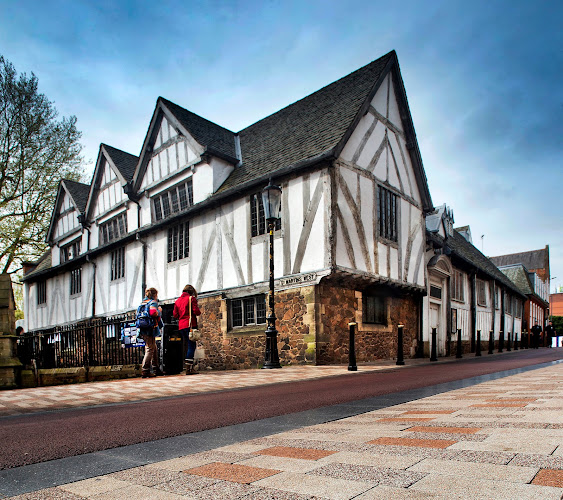
The Guildhall Museum stands as one of Leicester's most fascinating historical treasures, housed within a medieval building that breathes centuries of English heritage. This isn't your typical stuffy museum filled with dusty artifacts behind glass - though there's plenty of remarkable history preserved here. The centerpiece is the stunning Great Hall, a room that's witnessed everything from medieval feasts to Tudor court proceedings, and today serves as both museum space and venue for live performances that bring history to life in unexpected ways. What makes this place truly special is its connection to one of England's most controversial monarchs. Richard III's story has always been wrapped in mystery and intrigue, but when archaeologists discovered his remains in a Leicester car park back in 2013, the Guildhall Museum became central to telling his story. The building itself predates even Richard's turbulent reign, with parts dating back to the 14th century, making it one of the oldest timber-framed buildings still standing in Leicester. Walking through these halls feels different than visiting modern museums. The creaking floorboards, the low timber beams, the way light filters through ancient windows - it all contributes to an atmosphere that genuinely transports visitors back in time. And I've got to say, there's something powerful about standing in spaces where medieval mayors once deliberated and criminals faced judgment in the old police cells below. The museum doesn't just focus on Richard III, though his presence is certainly felt throughout. It chronicles Leicester's civic history, showcasing how the city governed itself through the ages. From medieval guild politics to Victorian policing, the exhibits paint a comprehensive picture of urban life across the centuries. The building served as Leicester's town hall for over 500 years, which means these walls have absorbed more political drama than most places could imagine.Key Features
The Guildhall Museum offers visitors an impressive array of historical experiences and practical amenities: • The magnificent Great Hall with its original timber roof and medieval architecture that serves as both exhibition space and performance venue • Dedicated Richard III exhibition spaces documenting the king's life, death, and the extraordinary story of his rediscovery • Live performances and historical reenactments that bring medieval Leicester to life throughout the year • Original Tudor library that once housed precious manuscripts and books for the city's educated elite • Victorian police cells in the basement, complete with original graffiti from past prisoners that offer haunting glimpses into 19th-century justice • Fully wheelchair accessible throughout, including adapted restrooms for visitors with mobility needs • Family-friendly exhibits designed specifically to engage children with interactive elements and age-appropriate storytelling • Knowledgeable staff providing onsite services and guided experiences for those wanting deeper historical context • Well-maintained restroom facilities for visitor comfort during extended stays • Period rooms furnished to reflect different eras of the building's 600-year historyBest Time to Visit
Timing your visit to the Guildhall Museum can really enhance the experience, though honestly, this place rewards visitors year-round. The building itself maintains a fairly consistent temperature thanks to those thick medieval walls, which means you'll find it refreshingly cool in summer and surprisingly cozy during winter months. That said, spring and early autumn tend to be ideal for most travelers. The museum gets less crowded during weekday mornings in these seasons, giving you more space to absorb the atmosphere without jostling through tour groups. I've found that visiting on a Tuesday or Wednesday morning around 10am offers that sweet spot where the building has warmed up but hasn't filled with afternoon visitors yet. Summer brings school holidays, which means more families and children. If you're traveling with kids, this might actually work in your favor since the museum often schedules special children's activities and workshops during these periods. But if you're seeking quiet contemplation of medieval architecture, you might want to skip July and August. Winter has its own charm here. The Guildhall often hosts special Christmas events and Tudor-themed celebrations that transform the Great Hall into something magical. December visits can coincide with festive performances that utilize the building's natural acoustic properties beautifully. Just be aware that Leicester gets pretty chilly in winter, so dress warmly for your walk to and from the museum. Check their event calendar before planning your trip - the live performances and special exhibitions can really elevate a standard visit into something memorable. When they hold medieval banquets or historical reenactments, the building truly comes alive. These events book up quickly though, particularly around school holiday periods. Weather doesn't impact your visit much since it's entirely indoors, but Leicester can be rainy throughout the year. The entrance is sheltered, and once inside, you're completely protected from the elements while you explore.How to Get There
Getting to the Guildhall Museum is straightforward whether you're coming from within Leicester or traveling from farther afield. The museum sits right in Leicester's historic old town, tucked among medieval streets that have barely changed their layout in centuries. If you're arriving by train, Leicester railway station connects to most major UK cities with regular services. From the station, it's about a 15-minute walk through the city center, or you can catch local buses that stop nearby. Walking is actually preferable if weather permits because you'll pass through some of Leicester's most interesting historic quarters along the way. For those driving, Leicester is accessible via the M1 motorway with clear signposting to the city center. However - and this is important - parking directly at the museum isn't available. The medieval streets weren't exactly designed with modern vehicles in mind! Your best bet is using one of Leicester's city center car parks. The St Nicholas Circle car park and the NCP on Newarke Street both sit within easy walking distance. Be prepared for typical city parking fees, though they're reasonable compared to larger cities like London or Birmingham. Leicester benefits from decent bus connections both within the city and from surrounding towns. Several bus routes stop within a short walk of the museum, and Leicester's compact city center means most stops are manageable even for those with moderate mobility concerns. The wheelchair accessible entrance makes arrival straightforward for visitors using mobility aids. The museum staff are experienced in assisting visitors with accessibility needs, though it's worth calling ahead if you have specific requirements so they can prepare appropriately. One thing I learned the hard way - Leicester's medieval street layout can confuse GPS systems sometimes. Your phone might try directing you down pedestrian-only lanes or through the cathedral grounds. Trust the signposting once you're in the old town area, as local signs will guide you more accurately than satellite navigation through these ancient streets.Tips for Visiting
Making the most of your Guildhall Museum experience requires a bit of insider knowledge that regular tourism materials don't always share. First off, allocate more time than you think you'll need. This isn't a quick 30-minute stopover - the building deserves at least 90 minutes to two hours if you want to properly appreciate everything on offer. The Victorian police cells downstairs often get overlooked by visitors who stick to the main exhibition rooms, but they're absolutely worth descending those narrow stairs to see. The prisoner graffiti scratched into the walls provides genuinely moving insights into ordinary people caught up in 19th-century legal systems. Some of the messages are surprisingly poignant, others darkly humorous. Photography is generally allowed for personal use, which is brilliant because this building is incredibly photogenic. But here's the thing - flash photography can be restricted in certain areas to protect sensitive artifacts. The natural light through those medieval windows creates gorgeous atmospheric shots anyway, so embrace the authentic lighting conditions rather than relying on flash. If you're visiting with children, grab one of the family activity guides available at reception. They transform what could be a boring historical experience for kids into an engaging treasure hunt. My nephew went from complaining about "another boring old building" to enthusiastically searching for specific architectural features and historical clues. Wear comfortable shoes. The floors are original medieval timber and stone in places, which means they're beautifully authentic but sometimes uneven. High heels and the Guildhall don't mix well, trust me on this one. The gift shop is small but surprisingly well-curated with items beyond typical tourist tat. Local history books, Richard III themed items, and quality reproductions make for meaningful souvenirs. There's no restaurant onsite, so plan your visit around meal times or bring water since exploring these rooms can be thirsty work. Strike up conversations with the museum staff and volunteers - they're passionate about the building's history and often share stories and details that aren't included in the written exhibits. I've learned some fascinating tidbits just by asking questions about specific features or artifacts. Consider combining your Guildhall visit with other nearby historic sites. Leicester Cathedral, where Richard III is now buried, sits just a short walk away. The King Richard III Visitor Centre provides complementary context to what you'll see at the Guildhall. Together, they create a comprehensive historical narrative that's more powerful than visiting any single site alone. Check if any live performances coincide with your visit dates. The acoustic quality in the Great Hall turns even simple musical performances into memorable experiences, and historical reenactments add theatrical dimension that makes history accessible in ways static exhibits simply can't match. Finally, don't rush through. Medieval buildings like this weren't designed for our modern hurried pace. Take time to simply sit in the Great Hall, look up at those timber beams, and imagine the countless people who've occupied this same space across six centuries. Sometimes the best museum experiences come not from reading every placard but from allowing yourself to genuinely absorb the atmosphere of a place that's witnessed so much human history.Key Features
- Late 14th-century timber-framed Great Hall and original oak beams
- Historic courtroom and civic rooms with period atmosphere
- Local history displays covering Leicester’s medieval and post-medieval development
- Small museum exhibits including archaeology, costume and civic artefacts
- Free general entry and close walking access to central Leicester attractions
More Details
Updated January 18, 2026
Table of Contents
Description
The Guildhall Museum stands as one of Leicester’s most fascinating historical treasures, housed within a medieval building that breathes centuries of English heritage. This isn’t your typical stuffy museum filled with dusty artifacts behind glass – though there’s plenty of remarkable history preserved here. The centerpiece is the stunning Great Hall, a room that’s witnessed everything from medieval feasts to Tudor court proceedings, and today serves as both museum space and venue for live performances that bring history to life in unexpected ways.
What makes this place truly special is its connection to one of England’s most controversial monarchs. Richard III’s story has always been wrapped in mystery and intrigue, but when archaeologists discovered his remains in a Leicester car park back in 2013, the Guildhall Museum became central to telling his story. The building itself predates even Richard’s turbulent reign, with parts dating back to the 14th century, making it one of the oldest timber-framed buildings still standing in Leicester.
Walking through these halls feels different than visiting modern museums. The creaking floorboards, the low timber beams, the way light filters through ancient windows – it all contributes to an atmosphere that genuinely transports visitors back in time. And I’ve got to say, there’s something powerful about standing in spaces where medieval mayors once deliberated and criminals faced judgment in the old police cells below.
The museum doesn’t just focus on Richard III, though his presence is certainly felt throughout. It chronicles Leicester’s civic history, showcasing how the city governed itself through the ages. From medieval guild politics to Victorian policing, the exhibits paint a comprehensive picture of urban life across the centuries. The building served as Leicester’s town hall for over 500 years, which means these walls have absorbed more political drama than most places could imagine.
Key Features
The Guildhall Museum offers visitors an impressive array of historical experiences and practical amenities:
• The magnificent Great Hall with its original timber roof and medieval architecture that serves as both exhibition space and performance venue
• Dedicated Richard III exhibition spaces documenting the king’s life, death, and the extraordinary story of his rediscovery
• Live performances and historical reenactments that bring medieval Leicester to life throughout the year
• Original Tudor library that once housed precious manuscripts and books for the city’s educated elite
• Victorian police cells in the basement, complete with original graffiti from past prisoners that offer haunting glimpses into 19th-century justice
• Fully wheelchair accessible throughout, including adapted restrooms for visitors with mobility needs
• Family-friendly exhibits designed specifically to engage children with interactive elements and age-appropriate storytelling
• Knowledgeable staff providing onsite services and guided experiences for those wanting deeper historical context
• Well-maintained restroom facilities for visitor comfort during extended stays
• Period rooms furnished to reflect different eras of the building’s 600-year history
Best Time to Visit
Timing your visit to the Guildhall Museum can really enhance the experience, though honestly, this place rewards visitors year-round. The building itself maintains a fairly consistent temperature thanks to those thick medieval walls, which means you’ll find it refreshingly cool in summer and surprisingly cozy during winter months.
That said, spring and early autumn tend to be ideal for most travelers. The museum gets less crowded during weekday mornings in these seasons, giving you more space to absorb the atmosphere without jostling through tour groups. I’ve found that visiting on a Tuesday or Wednesday morning around 10am offers that sweet spot where the building has warmed up but hasn’t filled with afternoon visitors yet.
Summer brings school holidays, which means more families and children. If you’re traveling with kids, this might actually work in your favor since the museum often schedules special children’s activities and workshops during these periods. But if you’re seeking quiet contemplation of medieval architecture, you might want to skip July and August.
Winter has its own charm here. The Guildhall often hosts special Christmas events and Tudor-themed celebrations that transform the Great Hall into something magical. December visits can coincide with festive performances that utilize the building’s natural acoustic properties beautifully. Just be aware that Leicester gets pretty chilly in winter, so dress warmly for your walk to and from the museum.
Check their event calendar before planning your trip – the live performances and special exhibitions can really elevate a standard visit into something memorable. When they hold medieval banquets or historical reenactments, the building truly comes alive. These events book up quickly though, particularly around school holiday periods.
Weather doesn’t impact your visit much since it’s entirely indoors, but Leicester can be rainy throughout the year. The entrance is sheltered, and once inside, you’re completely protected from the elements while you explore.
How to Get There
Getting to the Guildhall Museum is straightforward whether you’re coming from within Leicester or traveling from farther afield. The museum sits right in Leicester’s historic old town, tucked among medieval streets that have barely changed their layout in centuries.
If you’re arriving by train, Leicester railway station connects to most major UK cities with regular services. From the station, it’s about a 15-minute walk through the city center, or you can catch local buses that stop nearby. Walking is actually preferable if weather permits because you’ll pass through some of Leicester’s most interesting historic quarters along the way.
For those driving, Leicester is accessible via the M1 motorway with clear signposting to the city center. However – and this is important – parking directly at the museum isn’t available. The medieval streets weren’t exactly designed with modern vehicles in mind! Your best bet is using one of Leicester’s city center car parks. The St Nicholas Circle car park and the NCP on Newarke Street both sit within easy walking distance. Be prepared for typical city parking fees, though they’re reasonable compared to larger cities like London or Birmingham.
Leicester benefits from decent bus connections both within the city and from surrounding towns. Several bus routes stop within a short walk of the museum, and Leicester’s compact city center means most stops are manageable even for those with moderate mobility concerns.
The wheelchair accessible entrance makes arrival straightforward for visitors using mobility aids. The museum staff are experienced in assisting visitors with accessibility needs, though it’s worth calling ahead if you have specific requirements so they can prepare appropriately.
One thing I learned the hard way – Leicester’s medieval street layout can confuse GPS systems sometimes. Your phone might try directing you down pedestrian-only lanes or through the cathedral grounds. Trust the signposting once you’re in the old town area, as local signs will guide you more accurately than satellite navigation through these ancient streets.
Tips for Visiting
Making the most of your Guildhall Museum experience requires a bit of insider knowledge that regular tourism materials don’t always share. First off, allocate more time than you think you’ll need. This isn’t a quick 30-minute stopover – the building deserves at least 90 minutes to two hours if you want to properly appreciate everything on offer.
The Victorian police cells downstairs often get overlooked by visitors who stick to the main exhibition rooms, but they’re absolutely worth descending those narrow stairs to see. The prisoner graffiti scratched into the walls provides genuinely moving insights into ordinary people caught up in 19th-century legal systems. Some of the messages are surprisingly poignant, others darkly humorous.
Photography is generally allowed for personal use, which is brilliant because this building is incredibly photogenic. But here’s the thing – flash photography can be restricted in certain areas to protect sensitive artifacts. The natural light through those medieval windows creates gorgeous atmospheric shots anyway, so embrace the authentic lighting conditions rather than relying on flash.
If you’re visiting with children, grab one of the family activity guides available at reception. They transform what could be a boring historical experience for kids into an engaging treasure hunt. My nephew went from complaining about “another boring old building” to enthusiastically searching for specific architectural features and historical clues.
Wear comfortable shoes. The floors are original medieval timber and stone in places, which means they’re beautifully authentic but sometimes uneven. High heels and the Guildhall don’t mix well, trust me on this one.
The gift shop is small but surprisingly well-curated with items beyond typical tourist tat. Local history books, Richard III themed items, and quality reproductions make for meaningful souvenirs. There’s no restaurant onsite, so plan your visit around meal times or bring water since exploring these rooms can be thirsty work.
Strike up conversations with the museum staff and volunteers – they’re passionate about the building’s history and often share stories and details that aren’t included in the written exhibits. I’ve learned some fascinating tidbits just by asking questions about specific features or artifacts.
Consider combining your Guildhall visit with other nearby historic sites. Leicester Cathedral, where Richard III is now buried, sits just a short walk away. The King Richard III Visitor Centre provides complementary context to what you’ll see at the Guildhall. Together, they create a comprehensive historical narrative that’s more powerful than visiting any single site alone.
Check if any live performances coincide with your visit dates. The acoustic quality in the Great Hall turns even simple musical performances into memorable experiences, and historical reenactments add theatrical dimension that makes history accessible in ways static exhibits simply can’t match.
Finally, don’t rush through. Medieval buildings like this weren’t designed for our modern hurried pace. Take time to simply sit in the Great Hall, look up at those timber beams, and imagine the countless people who’ve occupied this same space across six centuries. Sometimes the best museum experiences come not from reading every placard but from allowing yourself to genuinely absorb the atmosphere of a place that’s witnessed so much human history.
Key Highlights
- Late 14th-century timber-framed Great Hall and original oak beams
- Historic courtroom and civic rooms with period atmosphere
- Local history displays covering Leicester’s medieval and post-medieval development
- Small museum exhibits including archaeology, costume and civic artefacts
- Free general entry and close walking access to central Leicester attractions
Location
Places to Stay Near The Guildhall Museum
Find and Book a Tour
Explore More Travel Guides
No reviews found! Be the first to review!
Traveler Reviews for The Guildhall Museum
There are no reviews yet. Be the first one to write one.
Have you visited The Guildhall Museum? Help other travelers by sharing your review.
Nearby Attractions
You Might Also Like

National Space Centre

Bede Park
Shady Lane Arboretum
Find Accommodations Nearby
Recommended Tours & Activities
Visitor Reviews
There are no reviews yet. Be the first one to write one.
Share Your Experience
Have you visited The Guildhall Museum? Help other travelers by leaving a review.