
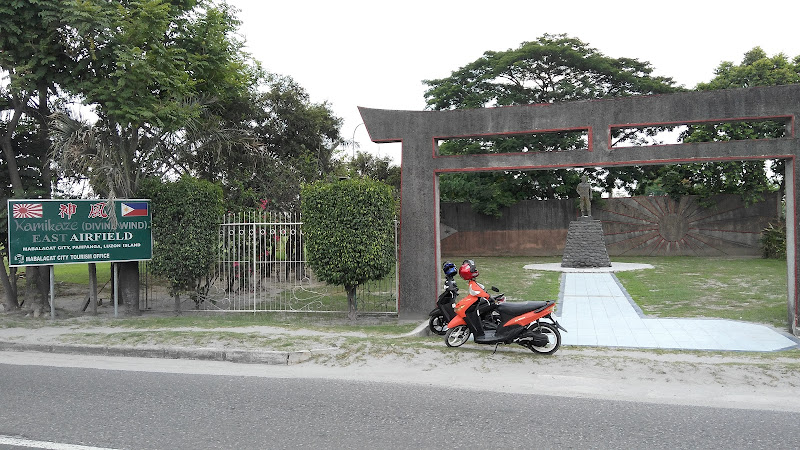
Kamikaze East Airfield
About Kamikaze East Airfield
Description
The Kamikaze East Airfield stands as one of those haunting places where history speaks through silence. This historical landmark occupies a significant space in World War II Pacific theater narratives, specifically tied to the final desperate months of the conflict when Japan deployed kamikaze pilots in suicide missions against Allied forces. Walking across these grounds today, travelers find themselves stepping into a chapter of history that's simultaneously sobering and educational. The airfield itself remains remarkably preserved in certain sections, though nature has begun reclaiming parts of what was once a bustling military installation. You'll notice remnants of runways, aircraft shelters, and various military structures that paint a picture of what life must have been like for the young pilots stationed here. And honestly, that's what makes this place so compelling – it's not a sanitized museum experience but rather an authentic glimpse into a painful period that shaped our modern world. Most visitors come here seeking to understand the human stories behind the strategic military operations. The site has gained recognition among history enthusiasts, particularly those interested in aviation history and World War II Pacific campaigns. What strikes many people is the youth of the pilots who trained here – most barely out of their teens, preparing for missions they knew would be their last. That reality hits differently when you're actually standing where they once stood. The landscape surrounding the airfield offers its own narrative. You can still make out the patterns of military planning in how the structures were laid out, designed for both efficiency and some degree of protection from air raids. But time and weather have softened the harsh military edges, creating this almost meditative atmosphere that encourages reflection rather than glorification of war.Key Features
The Kamikaze East Airfield presents several distinctive elements that make it worth the journey for travelers who appreciate historical sites: • Original runway sections that remain visible despite decades of weathering, offering tangible connections to the operational history of the base • Preserved aircraft shelters and bunkers that showcase the military architecture and defensive strategies employed during the final stages of World War II • Memorial areas and interpretive markers that provide context about the kamikaze program and the individuals who participated in these missions • Observation points that allow visitors to survey the entire airfield layout and understand the operational scope of the facility • Remnants of support buildings including maintenance facilities, barracks foundations, and command structures • Natural reclamation areas where the jungle has begun overtaking military installations, creating a powerful visual metaphor for how nature eventually heals • Photography opportunities that capture both the historical significance and the atmospheric quality of abandoned military sites • Educational value for those studying military history, aviation development, or World War II Pacific operations • Quiet contemplative spaces perfect for personal reflection on the costs of war and the value of peaceBest Time to Visit
Timing your visit to the Kamikaze East Airfield really does matter, and I can't stress this enough. The dry season typically runs from late November through early April, and that's honestly your best bet for a comfortable and safe exploration. During these months, you'll find the grounds more accessible, with less mud making it easier to navigate the uneven terrain where runways and structures once stood. The rainy season brings its own challenges – muddy conditions can make walking treacherous, and some areas become completely inaccessible. But there's something to be said about visiting during light rain when the atmosphere becomes even more contemplative. Just be prepared with proper footwear and rain gear if you choose this route. Early morning visits offer the best lighting for photography, plus you'll likely have the place mostly to yourself. There's something profound about experiencing this site in the quiet hours when you can almost hear echoes of history. Late afternoon also works well, particularly if you want to capture that golden hour light filtering through the deteriorating structures. Temperature-wise, mornings stay cooler even during warmer months, making exploration more comfortable. Remember, there's not much shade in the open runway areas, so heat can become oppressive by midday. Plan accordingly and bring water – probably more than you think you'll need. Weekdays generally see fewer visitors compared to weekends, which matters if you prefer a more solitary, contemplative experience. And honestly, this isn't the kind of place where crowds enhance the experience. The opposite, actually. The site's power comes from that quiet confrontation with history. Consider avoiding major national holidays when domestic tourism peaks. You'll want time and space to absorb the weight of this location without feeling rushed or crowded by tour groups.How to Get There
Getting to the Kamikaze East Airfield requires some planning since it's not exactly on the typical tourist circuit. The site sits near a motorway, which actually makes access easier than many remote historical landmarks in the region. If you're driving, which most visitors do, you'll want to use GPS coordinates or detailed directions from your accommodation. The motorway access point is your main reference – from there, you'll follow secondary roads that lead toward the airfield site. Signage exists but isn't always clear, so downloading offline maps beforehand is smart. Rental cars give you the most flexibility for timing your visit and exploring at your own pace. The roads leading to the site are generally well-maintained, though some sections near the actual airfield can be rough. A standard vehicle works fine during dry season, but you might appreciate higher clearance during wetter months. Public transportation to the immediate area is limited, which is why most independent travelers opt for rental vehicles. Some local tour operators do run trips to the airfield, particularly those specializing in historical or war memorial sites. These organized tours solve the transportation challenge and often include knowledgeable guides who can provide context you might miss exploring independently. Taxi services from nearby towns can be arranged, though you'll likely need to negotiate a wait time since this isn't a quick in-and-out destination. Most drivers familiar with the area know the location, but having the name written in local language helps avoid confusion. Distance from major accommodation centers typically ranges from 30 to 60 minutes depending on your starting point. Factor in time for wrong turns – they happen, especially in rural areas where road markings aren't always obvious.Tips for Visiting
Approaching the Kamikaze East Airfield requires more preparation than your average tourist attraction, and I learned some of these lessons the hard way during my own visit. First things first – wear appropriate footwear. And I mean really appropriate. Sturdy hiking boots or at minimum closed-toe shoes with good traction. The terrain is uneven, with hidden holes, crumbling concrete edges, and vegetation covering obstacles you won't see until you trip over them. Those cute travel sneakers won't cut it here. Bring plenty of water and some snacks. There aren't facilities at the site – no vendors, no rest areas, nothing. You're on your own for hydration and energy. This becomes critical if you spend several hours exploring, which many visitors do once they get absorbed in the history. Sun protection matters more than you might expect. The open runway areas offer zero shade, and the tropical sun can be brutal. Hat, sunscreen, sunglasses – the whole protection package. Even on cloudy days, you'll get more exposure than you realize. Insect repellent is non-negotiable, particularly near the overgrown structures where mosquitos and other insects thrive. Don't skip this unless you want to spend your visit swatting bugs instead of absorbing history. Respect for the site is paramount. This isn't just an interesting ruin – it's a place where real people prepared for death, where history's darkest chapters played out. Behave accordingly. No climbing on fragile structures, no graffiti, no disrespectful photography poses. Some travelers don't seem to grasp this concept, but you should. Photography is allowed and even encouraged for educational purposes, but maintain dignity in how you frame shots. This isn't Instagram entertainment – it's historical documentation and personal reflection. Consider bringing a small notebook to jot down thoughts or observations. Many visitors find the experience prompts unexpected reflections on war, sacrifice, and peace that they want to remember. Download historical information or bring printed materials before arriving since there's limited on-site interpretation in some areas. Understanding what you're seeing enhances the experience dramatically. Check current access conditions before making the trip, particularly during rainy season or after storms. Local tourism offices or online traveler forums can provide recent visitor reports. Allow more time than you initially think you'll need. What seems like a simple airfield visit often expands into hours once you start exploring and reflecting. Most satisfied visitors report spending 2-3 hours minimum at the site. Finally, approach this place with the right mindset. You're not here for entertainment or to tick a box on some travel bucket list. You're here to witness history, to learn, and hopefully to carry forward lessons about the costs of war and the value of peace. That perspective makes all the difference in what you'll take away from the Kamikaze East Airfield.Key Features
- Re-erected memorial statue honoring kamikaze pilots
- Remnant outline of the former runway and airfield grounds
- On-site historical plaques and interpretive information (limited)
- Rural landscape and agricultural surroundings offering reflective photography opportunities
- Easy roadside access near MacArthur Highway and an overpass for convenient short visits
More Details
Updated January 18, 2026
Table of Contents
Description
The Kamikaze East Airfield stands as one of those haunting places where history speaks through silence. This historical landmark occupies a significant space in World War II Pacific theater narratives, specifically tied to the final desperate months of the conflict when Japan deployed kamikaze pilots in suicide missions against Allied forces. Walking across these grounds today, travelers find themselves stepping into a chapter of history that’s simultaneously sobering and educational.
The airfield itself remains remarkably preserved in certain sections, though nature has begun reclaiming parts of what was once a bustling military installation. You’ll notice remnants of runways, aircraft shelters, and various military structures that paint a picture of what life must have been like for the young pilots stationed here. And honestly, that’s what makes this place so compelling – it’s not a sanitized museum experience but rather an authentic glimpse into a painful period that shaped our modern world.
Most visitors come here seeking to understand the human stories behind the strategic military operations. The site has gained recognition among history enthusiasts, particularly those interested in aviation history and World War II Pacific campaigns. What strikes many people is the youth of the pilots who trained here – most barely out of their teens, preparing for missions they knew would be their last. That reality hits differently when you’re actually standing where they once stood.
The landscape surrounding the airfield offers its own narrative. You can still make out the patterns of military planning in how the structures were laid out, designed for both efficiency and some degree of protection from air raids. But time and weather have softened the harsh military edges, creating this almost meditative atmosphere that encourages reflection rather than glorification of war.
Key Features
The Kamikaze East Airfield presents several distinctive elements that make it worth the journey for travelers who appreciate historical sites:
• Original runway sections that remain visible despite decades of weathering, offering tangible connections to the operational history of the base
• Preserved aircraft shelters and bunkers that showcase the military architecture and defensive strategies employed during the final stages of World War II
• Memorial areas and interpretive markers that provide context about the kamikaze program and the individuals who participated in these missions
• Observation points that allow visitors to survey the entire airfield layout and understand the operational scope of the facility
• Remnants of support buildings including maintenance facilities, barracks foundations, and command structures
• Natural reclamation areas where the jungle has begun overtaking military installations, creating a powerful visual metaphor for how nature eventually heals
• Photography opportunities that capture both the historical significance and the atmospheric quality of abandoned military sites
• Educational value for those studying military history, aviation development, or World War II Pacific operations
• Quiet contemplative spaces perfect for personal reflection on the costs of war and the value of peace
Best Time to Visit
Timing your visit to the Kamikaze East Airfield really does matter, and I can’t stress this enough. The dry season typically runs from late November through early April, and that’s honestly your best bet for a comfortable and safe exploration. During these months, you’ll find the grounds more accessible, with less mud making it easier to navigate the uneven terrain where runways and structures once stood.
The rainy season brings its own challenges – muddy conditions can make walking treacherous, and some areas become completely inaccessible. But there’s something to be said about visiting during light rain when the atmosphere becomes even more contemplative. Just be prepared with proper footwear and rain gear if you choose this route.
Early morning visits offer the best lighting for photography, plus you’ll likely have the place mostly to yourself. There’s something profound about experiencing this site in the quiet hours when you can almost hear echoes of history. Late afternoon also works well, particularly if you want to capture that golden hour light filtering through the deteriorating structures.
Temperature-wise, mornings stay cooler even during warmer months, making exploration more comfortable. Remember, there’s not much shade in the open runway areas, so heat can become oppressive by midday. Plan accordingly and bring water – probably more than you think you’ll need.
Weekdays generally see fewer visitors compared to weekends, which matters if you prefer a more solitary, contemplative experience. And honestly, this isn’t the kind of place where crowds enhance the experience. The opposite, actually. The site’s power comes from that quiet confrontation with history.
Consider avoiding major national holidays when domestic tourism peaks. You’ll want time and space to absorb the weight of this location without feeling rushed or crowded by tour groups.
How to Get There
Getting to the Kamikaze East Airfield requires some planning since it’s not exactly on the typical tourist circuit. The site sits near a motorway, which actually makes access easier than many remote historical landmarks in the region.
If you’re driving, which most visitors do, you’ll want to use GPS coordinates or detailed directions from your accommodation. The motorway access point is your main reference – from there, you’ll follow secondary roads that lead toward the airfield site. Signage exists but isn’t always clear, so downloading offline maps beforehand is smart.
Rental cars give you the most flexibility for timing your visit and exploring at your own pace. The roads leading to the site are generally well-maintained, though some sections near the actual airfield can be rough. A standard vehicle works fine during dry season, but you might appreciate higher clearance during wetter months.
Public transportation to the immediate area is limited, which is why most independent travelers opt for rental vehicles. Some local tour operators do run trips to the airfield, particularly those specializing in historical or war memorial sites. These organized tours solve the transportation challenge and often include knowledgeable guides who can provide context you might miss exploring independently.
Taxi services from nearby towns can be arranged, though you’ll likely need to negotiate a wait time since this isn’t a quick in-and-out destination. Most drivers familiar with the area know the location, but having the name written in local language helps avoid confusion.
Distance from major accommodation centers typically ranges from 30 to 60 minutes depending on your starting point. Factor in time for wrong turns – they happen, especially in rural areas where road markings aren’t always obvious.
Tips for Visiting
Approaching the Kamikaze East Airfield requires more preparation than your average tourist attraction, and I learned some of these lessons the hard way during my own visit.
First things first – wear appropriate footwear. And I mean really appropriate. Sturdy hiking boots or at minimum closed-toe shoes with good traction. The terrain is uneven, with hidden holes, crumbling concrete edges, and vegetation covering obstacles you won’t see until you trip over them. Those cute travel sneakers won’t cut it here.
Bring plenty of water and some snacks. There aren’t facilities at the site – no vendors, no rest areas, nothing. You’re on your own for hydration and energy. This becomes critical if you spend several hours exploring, which many visitors do once they get absorbed in the history.
Sun protection matters more than you might expect. The open runway areas offer zero shade, and the tropical sun can be brutal. Hat, sunscreen, sunglasses – the whole protection package. Even on cloudy days, you’ll get more exposure than you realize.
Insect repellent is non-negotiable, particularly near the overgrown structures where mosquitos and other insects thrive. Don’t skip this unless you want to spend your visit swatting bugs instead of absorbing history.
Respect for the site is paramount. This isn’t just an interesting ruin – it’s a place where real people prepared for death, where history’s darkest chapters played out. Behave accordingly. No climbing on fragile structures, no graffiti, no disrespectful photography poses. Some travelers don’t seem to grasp this concept, but you should.
Photography is allowed and even encouraged for educational purposes, but maintain dignity in how you frame shots. This isn’t Instagram entertainment – it’s historical documentation and personal reflection.
Consider bringing a small notebook to jot down thoughts or observations. Many visitors find the experience prompts unexpected reflections on war, sacrifice, and peace that they want to remember.
Download historical information or bring printed materials before arriving since there’s limited on-site interpretation in some areas. Understanding what you’re seeing enhances the experience dramatically.
Check current access conditions before making the trip, particularly during rainy season or after storms. Local tourism offices or online traveler forums can provide recent visitor reports.
Allow more time than you initially think you’ll need. What seems like a simple airfield visit often expands into hours once you start exploring and reflecting. Most satisfied visitors report spending 2-3 hours minimum at the site.
Finally, approach this place with the right mindset. You’re not here for entertainment or to tick a box on some travel bucket list. You’re here to witness history, to learn, and hopefully to carry forward lessons about the costs of war and the value of peace. That perspective makes all the difference in what you’ll take away from the Kamikaze East Airfield.
Key Highlights
- Re-erected memorial statue honoring kamikaze pilots
- Remnant outline of the former runway and airfield grounds
- On-site historical plaques and interpretive information (limited)
- Rural landscape and agricultural surroundings offering reflective photography opportunities
- Easy roadside access near MacArthur Highway and an overpass for convenient short visits
Location
Places to Stay Near Kamikaze East Airfield
Find and Book a Tour
Explore More Travel Guides
No reviews found! Be the first to review!
Traveler Reviews for Kamikaze East Airfield
There are no reviews yet. Be the first one to write one.
Have you visited Kamikaze East Airfield? Help other travelers by sharing your review.
Nearby Attractions
You Might Also Like
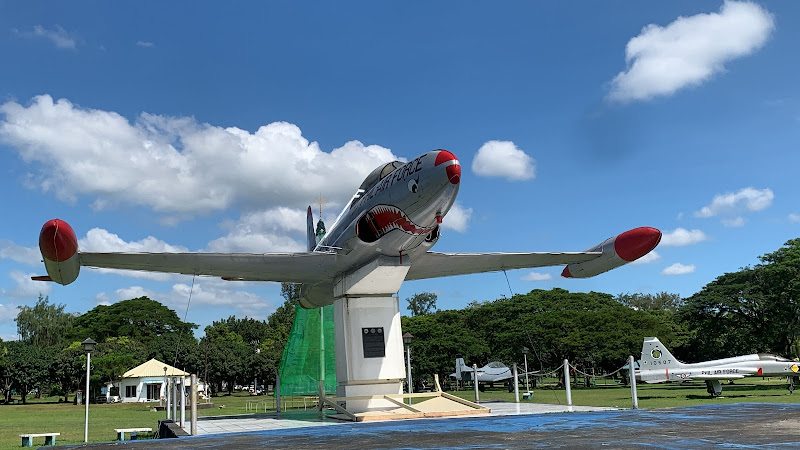
Air Force City Park
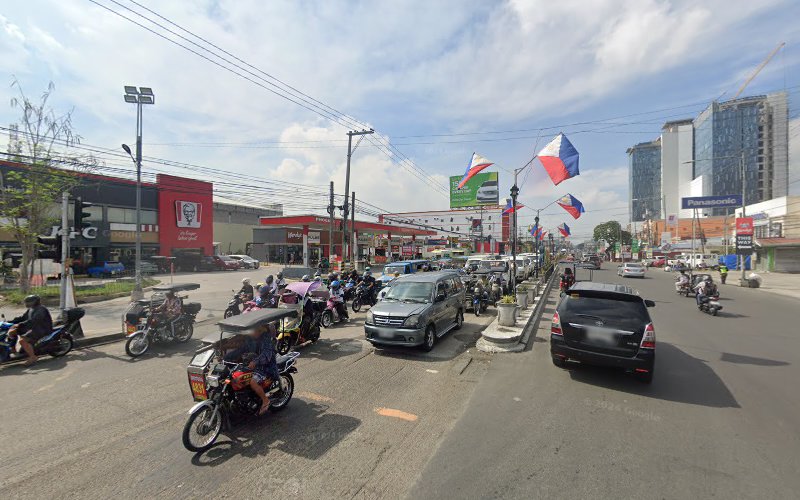
Mabalacat city standee
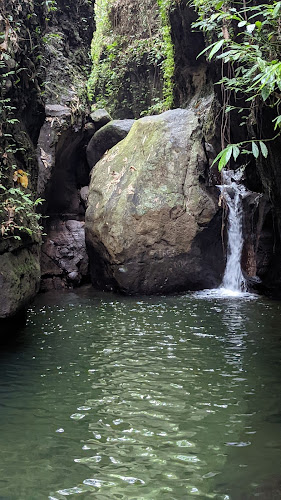
Haduan Falls
Find Accommodations Nearby
Recommended Tours & Activities
Visitor Reviews
There are no reviews yet. Be the first one to write one.
Share Your Experience
Have you visited Kamikaze East Airfield? Help other travelers by leaving a review.