
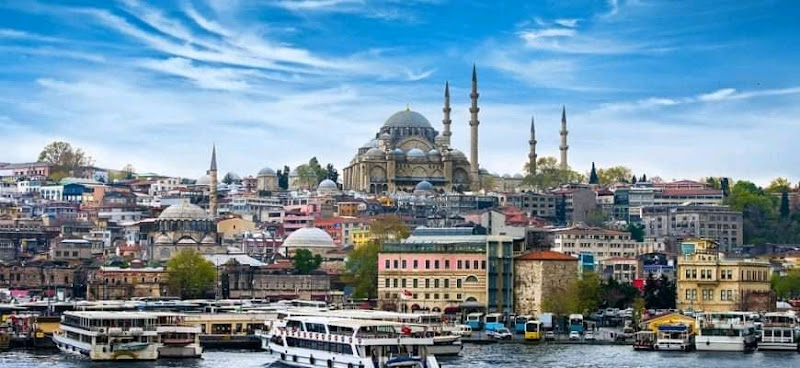
Istanbul
About Istanbul
Istanbul is honestly one of those cities that completely messes with your sense of geography in the best possible way. Standing on the Galata Bridge with one foot technically in Europe and knowing Asia is just across the water – there's something almost magical about that feeling. I remember my first visit, completely jet-lagged and disoriented, stumbling through the winding streets of Sultanahmet and thinking I'd never seen anything quite like it.
This isn't just another Mediterranean city with some old buildings. Istanbul has been at the crossroads of civilization for literally thousands of years, serving as the capital for the Roman, Byzantine, and Ottoman Empires. That's a lot of history packed into one place, and you can feel it in every corner. The city spreads across both sides of the Bosphorus Strait, creating this incredible natural division between continents that's also somehow brought everything together.
The Old City, particularly around Sultanahmet, feels like walking through a living museum. But here's the thing – it's not stuffy or preserved in amber like some historical districts can be. Real people actually live here, work here, argue with their neighbors here. You'll find centuries-old Byzantine cisterns underneath modern shops, and mosques that have been standing for 500 years next to cafes serving the best Turkish coffee you've ever tasted.
The Hagia Sophia alone could occupy hours of your time. Built in the 6th century, this architectural marvel has been a cathedral, a mosque, a museum, and now a mosque again. Its dome seems to float impossibly overhead, and the Christian mosaics that survived various periods of history are absolutely breathtaking. Standing inside, you get this overwhelming sense of just how many people have stood in that exact spot over 1,500 years.
And the Hippodrome – well, it's not quite the massive stadium it once was, but the space still holds power. Egyptian obelisks that are older than the city itself stand as silent witnesses to chariot races, political demonstrations, and the rise and fall of emperors. These days it's more of a public park, but close your eyes and you can almost hear the roar of 100,000 spectators.
Key Features
The attractions and experiences that make Istanbul truly special include:
- The Hagia Sophia with its stunning 6th-century dome and precious Christian mosaics that survived various historical periods
- The Blue Mosque (Sultan Ahmed Mosque) featuring six minarets and tens of thousands of handmade Iznik tiles
- Topkapi Palace, the sprawling Ottoman residence with its treasury, harem, and incredible Bosphorus views
- The Grand Bazaar, one of the world's oldest and largest covered markets with over 4,000 shops
- The Basilica Cistern, an underground Byzantine water reservoir supported by 336 columns
- Galata Tower offering 360-degree panoramic views across the entire city
- The Spice Bazaar where the aroma of cumin, saffron, and dried fruits fills the air
- Dolmabahce Palace showcasing 19th-century Ottoman opulence along the European shore
- The historic Galata Bridge connecting old and new while fishermen cast their lines below
- Traditional hammams (Turkish baths) providing authentic centuries-old bathing experiences
- Bosphorus cruises revealing the city's unique position between two continents
- Charming neighborhoods like Balat and Fener with colorful houses and authentic local life
- Istiklal Avenue, a pedestrian street buzzing with shops, restaurants and historic trams
- The Suleymaniye Mosque, often less crowded but equally magnificent
- Street food culture featuring simit, balik ekmek, and Turkish delight
Best Time to Visit
Timing your Istanbul trip really does matter, and I learned this the hard way. My first visit was in August, and let me tell you, walking around Topkapi Palace in 95-degree heat with what felt like thousands of other sweaty tourists wasn't exactly the romantic experience I'd imagined.
Spring, particularly April and May, is absolutely gorgeous. The weather hovers around 60-70 degrees Fahrenheit, the tulips are blooming (Istanbul actually has a serious tulip obsession that predates Amsterdam's), and the city hasn't yet been overrun by peak summer crowds. You can actually breathe in the Grand Bazaar, which is saying something.
September and October bring similar conditions – comfortable temperatures, manageable crowds, and this beautiful golden light that photographers absolutely love. The city seems to relax a bit after the summer chaos, and locals are in better moods. Restaurant patios are still open, but you're not melting into your chair.
Winter (December through February) is tricky. Istanbul gets cold – like properly cold with occasional snow. But if you don't mind bundling up, hotel prices drop significantly, and there's something atmospheric about seeing the Hagia Sophia with a dusting of snow. Just pack layers and waterproof shoes because the rain can be persistent.
Summer brings the highest temperatures and the biggest crowds. July and August see temperatures regularly hitting 85-90 degrees Fahrenheit with high humidity. Every major attraction has long queues, prices peak, and the whole city feels a bit frantic. But the Bosphorus breezes are lovely, outdoor dining is fantastic, and the long daylight hours mean more exploration time.
Religious holidays, particularly Ramadan, create a unique atmosphere. Many restaurants close during daylight fasting hours, but the evening iftar meals are incredible cultural experiences. Just be prepared for different operating hours and plan accordingly.
How to Get There
Getting to Istanbul is actually pretty straightforward since it's a major international hub. Istanbul Airport (the new one, not to be confused with the old Ataturk Airport which mostly closed to passenger flights) handles connections from basically everywhere. Turkish Airlines has made the city incredibly accessible, and you'll find direct flights from most major European, Middle Eastern, and Asian cities.
From North America, you're looking at direct flights from New York, Washington D.C., Los Angeles, and a few other major cities. Flight times run around 10-11 hours from the East Coast, longer from the West. But honestly, Turkish Airlines' service is good enough that the time passes reasonably well.
Once you land at Istanbul Airport, you've got options. The airport is about 40 kilometers from the city center, which sounds far but isn't terrible. The HAVAIST airport buses run frequently to various parts of the city for around 10-15 dollars. They're comfortable, air-conditioned, and honestly pretty efficient.
Taxis are available but negotiate the price beforehand or insist on the meter – some drivers see tourists and dollar signs start flashing. You're looking at roughly 40-50 dollars to central areas, maybe more depending on traffic. And Istanbul traffic can be absolutely brutal, so factor in extra time.
The newer airport metro line connects to the city's transit system, though it requires a transfer or two to reach most tourist areas. It's the cheapest option at just a few dollars but takes longer and can be confusing with luggage.
If you're arriving from elsewhere in Europe, buses and trains are options, though flights are usually more practical. The bus network connecting Istanbul to other Turkish cities and neighboring countries is extensive and surprisingly comfortable for long-distance travel.
Sabiha Gokcen Airport on the Asian side also serves the city with budget carriers, but it's farther from most tourist accommodations. Only choose this airport if the price difference is really significant or you're staying on the Asian side.
Tips for Visiting
Here's what I wish someone had told me before my first Istanbul adventure. First off, get an Istanbul Kart – this rechargeable transit card works on buses, trams, ferries, and metros. You'll save money and avoid the hassle of buying individual tickets constantly. Plus, you'll look like you know what you're doing, which counts for something.
Dress modestly when visiting mosques, and women should carry a scarf for covering hair. Most major mosques provide loaners, but they're often questionable in the hygiene department. Shoes come off before entering, so wear socks and slip-ons for convenience. And avoid visiting during prayer times when possible – you can enter, but it feels intrusive.
The Grand Bazaar is an experience, but don't feel pressured to buy anything. Shopkeepers can be persistent, and haggling is expected. Start at about 50-60% of the asking price and work your way up. But also know when to walk away – there are 4,000 other shops, after all.
Turkish coffee is strong and comes with grounds at the bottom. Don't drink the sludge at the end unless you enjoy gritty textures. Turkish tea (çay) is everywhere and offered constantly – accept it, as refusing can be considered rude.
Learn a few basic Turkish phrases. Even butchering "merhaba" (hello) and "teşekkür ederim" (thank you) earns you genuine smiles. English is widely spoken in tourist areas, but venture into local neighborhoods and you'll need gestures and patience.
The tap water is technically safe but tastes heavily chlorinated. Most locals drink bottled water, and it's cheap enough that you should too. Stay hydrated, especially in summer – you'll be walking miles without realizing it.
Restaurants often charge for bread and condiments brought to your table. If you don't want them, politely refuse when they're offered. Cover charges aren't uncommon in touristy areas either.
Take at least one Bosphorus ferry ride, preferably at sunset. The public ferries cost just a few lira and offer the same views as expensive tourist cruises. The ferry from Eminonu to Kadikoy is my personal favorite.
Be cautious with street vendors offering to shine your shoes – the "dropped brush" scam is real. Someone drops a brush, you pick it up being helpful, and suddenly you owe them money for an unwanted shoe shine.
Don't try to see everything in two days. Istanbul deserves at least four or five days, and even that feels rushed. Pick your priorities and allow time to just wander and discover.
Finally, venture beyond Sultanahmet. The Asian side, neighborhoods like Kadikoy and Moda, offer authentic local experiences without the tourist circus. Some of my best Istanbul memories happened in areas that aren't even mentioned in most guidebooks.
Key Features
- Unique transcontinental location straddling Europe and Asia
- Rich historical layers: Byzantine, Ottoman and modern Turkish landmarks
- Vibrant food scene from street vendors to classic meyhanes
- Iconic waterways and ferries offering scenic short crossings
- Bustling bazaars, markets and atmospheric historic neighborhoods
Nearby Attractions
You Might Also Like

*BDT BELEK DOGA TOUR | Daily Tours, Day Trips and Excursions in Antalya*
1464. Sk. No:55
2006. Sk. No:2
Tours & Activities
GetYourGuide provides this tour inventory. We may earn a commission if you book through it; verify current availability, prices, and terms with the provider.
Visitor Reviews
There are no reviews yet. Be the first one to write one.
Share Your Experience
Have you visited Istanbul? Help other travelers by leaving a review.