
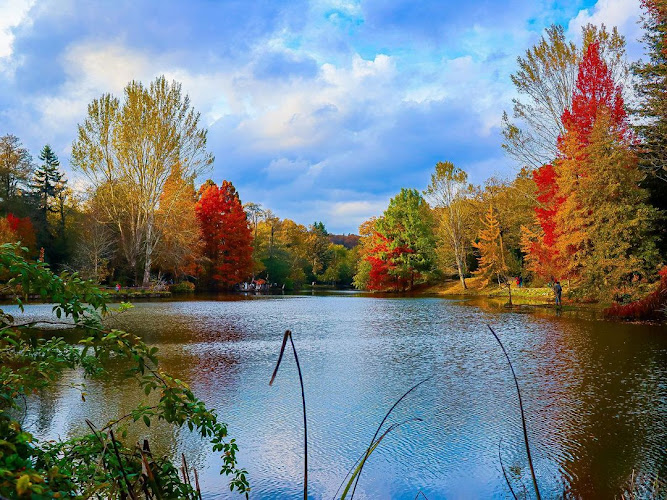
Ataturk Arboretum
About Ataturk Arboretum
Description
The Ataturk Arboretum stands as one of Istanbul's most treasured green spaces, though surprisingly many travelers still haven't discovered it. Spanning over 700 acres of carefully maintained landscapes, this botanical sanctuary offers something you just don't find in the bustling heart of the city - genuine tranquility. I've spent countless hours wandering through arboretums around the world, and there's something special about this one that keeps drawing me back. Created in 1949 as part of Istanbul University's Faculty of Forestry, the arboretum serves both scientific and recreational purposes. What started as an educational resource has evolved into a beloved retreat where locals and visitors alike can disconnect from urban chaos and reconnect with nature. The collection houses thousands of plant species from Turkey and beyond, creating a living museum that changes dramatically with each season. Walking through the grounds, you'll notice how the landscape architects thoughtfully designed pathways that wind through different ecological zones. Mediterranean plants thrive in one section while temperate forest species dominate another area. It's not just about pretty flowers here - though there are plenty of those - but about understanding plant diversity and conservation in a hands-on way. The arboretum isn't trying to be Disneyland, and that's exactly why it works. You won't find gift shops every fifty meters or tour guides hustling you along predetermined routes. Instead, you get authentic nature, well-maintained trails, and the freedom to explore at your own pace. Some visitors spend an entire afternoon photographing a single grove of trees, while others power-walk the perimeter for exercise. Both approaches are perfectly valid.Key Features
The Ataturk Arboretum offers distinctive attractions that cater to various interests and activity levels:- Extensive Plant Collections: Over 2,000 different plant species representing flora from Turkey, Europe, Asia, and the Americas provide an educational journey through global biodiversity
- Seasonal Display Gardens: Dedicated areas showcase plants at their peak, with spring bulbs, summer perennials, autumn foliage, and winter-interest specimens each taking their turn in the spotlight
- Natural Lakes and Ponds: Seven distinct water features scattered throughout the property attract migratory birds and create picturesque reflection opportunities that photographers absolutely love
- Forest Walking Trails: Multiple marked hiking paths range from easy 20-minute strolls to more challenging 2-hour treks through varied terrain and ecosystems
- Cycling Infrastructure: Designated bike lanes allow cyclists to cover more ground while enjoying the scenery, making it popular with local cycling enthusiasts on weekends
- Accessible Facilities: Wheelchair-friendly entrances, parking areas, and paved pathways ensure visitors with mobility challenges can experience the beauty firsthand
- Educational Signage: Informative plaques throughout the grounds identify plant species in both Turkish and Latin, turning casual walks into learning experiences
- Picnic Areas: Designated spots with benches and tables invite families to spend entire days enjoying outdoor meals surrounded by nature
- Photography Opportunities: Professional and amateur photographers frequent the arboretum for its exceptional natural lighting and diverse subject matter across all seasons
- Bird Watching Zones: The varied habitats attract numerous bird species, making it a favorite destination for ornithology enthusiasts with binoculars
Best Time to Visit
Timing your visit to the Ataturk Arboretum can genuinely make or break your experience, and I learned this the hard way during my first visit on a sweltering August afternoon. Let me save you from making the same mistake. Spring, particularly April and May, represents the absolute prime time for visiting. The arboretum explodes with color as tulips, magnolias, cherry blossoms, and countless other flowering species reach peak bloom. Temperatures hover in that perfect range where you're comfortable in a light jacket during morning hours but can shed layers by afternoon. I remember one April morning when the entire pathway near the pond was carpeted with fallen cherry blossoms - looked like something from a storybook, honestly. Early autumn, specifically late September through October, runs a close second. The deciduous trees put on an impressive show as leaves transition from green to brilliant reds, oranges, and yellows. The summer crowds have thinned considerably, and the cooler temperatures make hiking the longer trails much more enjoyable. Plus, the slanting autumn light creates absolutely magical conditions for photography. Summer visits require strategic planning. July and August bring intense heat and humidity that can make midday exploration genuinely uncomfortable. But if summer is your only option, arrive right when the gates open in the morning or plan an evening visit during the last few hours before closing. The shade provided by mature trees helps, but you'll still want to bring plenty of water. Winter shouldn't be completely dismissed, though most tourists skip it entirely. While many plants are dormant, the arboretum takes on a contemplative, almost melancholic beauty. The bare tree branches create stunning silhouettes, and if you're lucky enough to visit after a rare Istanbul snowfall, the transformed landscape is breathtaking. Just bundle up properly. Regarding days of the week, weekdays are significantly less crowded than weekends. Saturdays and Sundays see an influx of local families, which creates a lively atmosphere but can make finding peaceful spots more challenging. If you're seeking solitude and contemplation, Tuesday through Thursday mornings are ideal.How to Get There
Getting to the Ataturk Arboretum requires a bit more effort than reaching Istanbul's central tourist attractions, but the journey is straightforward once you understand your options. The arboretum is located in the Sariyer district on Istanbul's European side, roughly 20 kilometers from the city center. This distance means you won't accidentally stumble upon it while wandering around Sultanahmet - you need to make it a deliberate destination. Driving remains the most convenient option if you have access to a rental car or taxi. From Taksim Square, the journey takes approximately 40 minutes without traffic, though Istanbul traffic being what it is, you should budget at least an hour during rush periods. Follow signs toward Sariyer and Bahcekoy, then watch for arboretum directional signs as you get closer. The parking lot is spacious and wheelchair accessible, accepting both cash and card payments. Public transportation works but requires some patience and possibly a combination of different transit modes. Take the metro to Levent station, then catch bus 42T toward Bahcekoy. Inform the driver you're heading to the arboretum, and they'll typically alert you at the correct stop. The bus ride takes about 45 minutes, and from the bus stop, it's a pleasant 10-minute walk to the entrance. Alternatively, many travelers find that arranging a private transfer or using ride-sharing apps provides the best balance of convenience and cost. The driver knows exactly where to go, you avoid the confusion of navigating public transit, and you have flexibility with your departure time. Just make sure the driver understands you want them to wait or knows when to return for pickup, as finding a taxi in this area for the return journey can be challenging. If you're staying in the Sariyer or Maslak neighborhoods, you're in luck - the arboretum is quite accessible via local buses or even bicycle if you're comfortable riding in Istanbul traffic.Tips for Visiting
After multiple visits across different seasons, I've accumulated some practical wisdom worth sharing before you make the trek. Wear proper footwear - this cannot be emphasized enough. Those cute sandals or dress shoes might work for touring mosques, but the arboretum demands real walking shoes or hiking boots. Some trails can be uneven, occasionally muddy, and you'll likely walk several kilometers without realizing it. My friend learned this lesson after developing blisters halfway through our first visit. Bring your own water and snacks. While basic facilities exist, there's no cafe or food vendors within the arboretum grounds. Packing a small backpack with water bottles, fruit, and perhaps some sandwiches lets you spend the entire day without needing to leave. The designated picnic areas make excellent rest stops. Download offline maps or take a photo of the posted trail maps at the entrance. Cell service can be spotty in certain areas, and while the arboretum isn't so vast you'll get genuinely lost, having a reference helps you plan routes and estimate timing. Mark your parking spot too - the lot is bigger than you'd think. Start early, especially during popular seasons. The gates open at 8:30 AM, and arriving within the first hour means you'll have trails largely to yourself. Early light is spectacular for photography, temperatures are cooler, and you can claim the best picnic spots before they're taken. Respect the plant collections by staying on marked paths. I know that flower cluster looks amazing and you want a closer photo, but trampling surrounding vegetation damages the very thing you came to see. Designated viewing areas provide excellent vantage points without harming plantings. Bring insect repellent during warmer months. The water features and lush vegetation attract mosquitoes and other bugs that view visitors as convenient snacks. A small bottle of repellent weighs nothing but makes a significant comfort difference. Check the weather forecast and dress in layers. The tree canopy provides shade and creates microclimates where temperatures can vary considerably from open areas. A light jacket or fleece that packs small gives you options as conditions change throughout your visit. Consider timing your visit around blooming schedules if you have flexibility. The arboretum occasionally posts updates on their seasonal highlights, and local gardening forums often discuss what's currently spectacular. Seeing the magnolias or cherry trees at peak bloom versus a week later makes a dramatic difference. If you're traveling with children, the kid-friendly hiking trails are genuinely suitable for young legs, but bring entertainment for car rides. The distance from central Istanbul means you'll have potentially restless kids in transit, so tablets, games, or audiobooks help manage expectations. Photography enthusiasts should pack appropriate gear but keep it manageable. A telephoto lens is useful for bird watching and distant shots, but you'll also want a wide angle for landscape scenes. Tripods are permitted and helpful for low-light situations under tree canopy. The public restrooms are basic but maintained regularly. They're located near the entrance and at one midpoint location, so plan bathroom breaks accordingly, especially with kids. Finally, manage your expectations about crowds based on timing. The arboretum attracts serious nature lovers rather than casual sightseers, so even "crowded" days here feel peaceful compared to Hagia Sophia. But if you visit on a beautiful Sunday afternoon in peak spring, you won't have the place to yourself.Key Features
- Over 2,000 tree and plant species with labeled collections
- Designed paths, ponds and stone bridges ideal for photography
- Educational links to Istanbul University and forestry research
- Seasonal displays—vivid autumn colors and spring blooms
- Peaceful setting inside the Belgrade Forests for birdwatching and relaxation
More Details
Updated January 18, 2026
Table of Contents
Description
The Ataturk Arboretum stands as one of Istanbul’s most treasured green spaces, though surprisingly many travelers still haven’t discovered it. Spanning over 700 acres of carefully maintained landscapes, this botanical sanctuary offers something you just don’t find in the bustling heart of the city – genuine tranquility. I’ve spent countless hours wandering through arboretums around the world, and there’s something special about this one that keeps drawing me back.
Created in 1949 as part of Istanbul University’s Faculty of Forestry, the arboretum serves both scientific and recreational purposes. What started as an educational resource has evolved into a beloved retreat where locals and visitors alike can disconnect from urban chaos and reconnect with nature. The collection houses thousands of plant species from Turkey and beyond, creating a living museum that changes dramatically with each season.
Walking through the grounds, you’ll notice how the landscape architects thoughtfully designed pathways that wind through different ecological zones. Mediterranean plants thrive in one section while temperate forest species dominate another area. It’s not just about pretty flowers here – though there are plenty of those – but about understanding plant diversity and conservation in a hands-on way.
The arboretum isn’t trying to be Disneyland, and that’s exactly why it works. You won’t find gift shops every fifty meters or tour guides hustling you along predetermined routes. Instead, you get authentic nature, well-maintained trails, and the freedom to explore at your own pace. Some visitors spend an entire afternoon photographing a single grove of trees, while others power-walk the perimeter for exercise. Both approaches are perfectly valid.
Key Features
The Ataturk Arboretum offers distinctive attractions that cater to various interests and activity levels:
- Extensive Plant Collections: Over 2,000 different plant species representing flora from Turkey, Europe, Asia, and the Americas provide an educational journey through global biodiversity
- Seasonal Display Gardens: Dedicated areas showcase plants at their peak, with spring bulbs, summer perennials, autumn foliage, and winter-interest specimens each taking their turn in the spotlight
- Natural Lakes and Ponds: Seven distinct water features scattered throughout the property attract migratory birds and create picturesque reflection opportunities that photographers absolutely love
- Forest Walking Trails: Multiple marked hiking paths range from easy 20-minute strolls to more challenging 2-hour treks through varied terrain and ecosystems
- Cycling Infrastructure: Designated bike lanes allow cyclists to cover more ground while enjoying the scenery, making it popular with local cycling enthusiasts on weekends
- Accessible Facilities: Wheelchair-friendly entrances, parking areas, and paved pathways ensure visitors with mobility challenges can experience the beauty firsthand
- Educational Signage: Informative plaques throughout the grounds identify plant species in both Turkish and Latin, turning casual walks into learning experiences
- Picnic Areas: Designated spots with benches and tables invite families to spend entire days enjoying outdoor meals surrounded by nature
- Photography Opportunities: Professional and amateur photographers frequent the arboretum for its exceptional natural lighting and diverse subject matter across all seasons
- Bird Watching Zones: The varied habitats attract numerous bird species, making it a favorite destination for ornithology enthusiasts with binoculars
Best Time to Visit
Timing your visit to the Ataturk Arboretum can genuinely make or break your experience, and I learned this the hard way during my first visit on a sweltering August afternoon. Let me save you from making the same mistake.
Spring, particularly April and May, represents the absolute prime time for visiting. The arboretum explodes with color as tulips, magnolias, cherry blossoms, and countless other flowering species reach peak bloom. Temperatures hover in that perfect range where you’re comfortable in a light jacket during morning hours but can shed layers by afternoon. I remember one April morning when the entire pathway near the pond was carpeted with fallen cherry blossoms – looked like something from a storybook, honestly.
Early autumn, specifically late September through October, runs a close second. The deciduous trees put on an impressive show as leaves transition from green to brilliant reds, oranges, and yellows. The summer crowds have thinned considerably, and the cooler temperatures make hiking the longer trails much more enjoyable. Plus, the slanting autumn light creates absolutely magical conditions for photography.
Summer visits require strategic planning. July and August bring intense heat and humidity that can make midday exploration genuinely uncomfortable. But if summer is your only option, arrive right when the gates open in the morning or plan an evening visit during the last few hours before closing. The shade provided by mature trees helps, but you’ll still want to bring plenty of water.
Winter shouldn’t be completely dismissed, though most tourists skip it entirely. While many plants are dormant, the arboretum takes on a contemplative, almost melancholic beauty. The bare tree branches create stunning silhouettes, and if you’re lucky enough to visit after a rare Istanbul snowfall, the transformed landscape is breathtaking. Just bundle up properly.
Regarding days of the week, weekdays are significantly less crowded than weekends. Saturdays and Sundays see an influx of local families, which creates a lively atmosphere but can make finding peaceful spots more challenging. If you’re seeking solitude and contemplation, Tuesday through Thursday mornings are ideal.
How to Get There
Getting to the Ataturk Arboretum requires a bit more effort than reaching Istanbul’s central tourist attractions, but the journey is straightforward once you understand your options.
The arboretum is located in the Sariyer district on Istanbul’s European side, roughly 20 kilometers from the city center. This distance means you won’t accidentally stumble upon it while wandering around Sultanahmet – you need to make it a deliberate destination.
Driving remains the most convenient option if you have access to a rental car or taxi. From Taksim Square, the journey takes approximately 40 minutes without traffic, though Istanbul traffic being what it is, you should budget at least an hour during rush periods. Follow signs toward Sariyer and Bahcekoy, then watch for arboretum directional signs as you get closer. The parking lot is spacious and wheelchair accessible, accepting both cash and card payments.
Public transportation works but requires some patience and possibly a combination of different transit modes. Take the metro to Levent station, then catch bus 42T toward Bahcekoy. Inform the driver you’re heading to the arboretum, and they’ll typically alert you at the correct stop. The bus ride takes about 45 minutes, and from the bus stop, it’s a pleasant 10-minute walk to the entrance.
Alternatively, many travelers find that arranging a private transfer or using ride-sharing apps provides the best balance of convenience and cost. The driver knows exactly where to go, you avoid the confusion of navigating public transit, and you have flexibility with your departure time. Just make sure the driver understands you want them to wait or knows when to return for pickup, as finding a taxi in this area for the return journey can be challenging.
If you’re staying in the Sariyer or Maslak neighborhoods, you’re in luck – the arboretum is quite accessible via local buses or even bicycle if you’re comfortable riding in Istanbul traffic.
Tips for Visiting
After multiple visits across different seasons, I’ve accumulated some practical wisdom worth sharing before you make the trek.
Wear proper footwear – this cannot be emphasized enough. Those cute sandals or dress shoes might work for touring mosques, but the arboretum demands real walking shoes or hiking boots. Some trails can be uneven, occasionally muddy, and you’ll likely walk several kilometers without realizing it. My friend learned this lesson after developing blisters halfway through our first visit.
Bring your own water and snacks. While basic facilities exist, there’s no cafe or food vendors within the arboretum grounds. Packing a small backpack with water bottles, fruit, and perhaps some sandwiches lets you spend the entire day without needing to leave. The designated picnic areas make excellent rest stops.
Download offline maps or take a photo of the posted trail maps at the entrance. Cell service can be spotty in certain areas, and while the arboretum isn’t so vast you’ll get genuinely lost, having a reference helps you plan routes and estimate timing. Mark your parking spot too – the lot is bigger than you’d think.
Start early, especially during popular seasons. The gates open at 8:30 AM, and arriving within the first hour means you’ll have trails largely to yourself. Early light is spectacular for photography, temperatures are cooler, and you can claim the best picnic spots before they’re taken.
Respect the plant collections by staying on marked paths. I know that flower cluster looks amazing and you want a closer photo, but trampling surrounding vegetation damages the very thing you came to see. Designated viewing areas provide excellent vantage points without harming plantings.
Bring insect repellent during warmer months. The water features and lush vegetation attract mosquitoes and other bugs that view visitors as convenient snacks. A small bottle of repellent weighs nothing but makes a significant comfort difference.
Check the weather forecast and dress in layers. The tree canopy provides shade and creates microclimates where temperatures can vary considerably from open areas. A light jacket or fleece that packs small gives you options as conditions change throughout your visit.
Consider timing your visit around blooming schedules if you have flexibility. The arboretum occasionally posts updates on their seasonal highlights, and local gardening forums often discuss what’s currently spectacular. Seeing the magnolias or cherry trees at peak bloom versus a week later makes a dramatic difference.
If you’re traveling with children, the kid-friendly hiking trails are genuinely suitable for young legs, but bring entertainment for car rides. The distance from central Istanbul means you’ll have potentially restless kids in transit, so tablets, games, or audiobooks help manage expectations.
Photography enthusiasts should pack appropriate gear but keep it manageable. A telephoto lens is useful for bird watching and distant shots, but you’ll also want a wide angle for landscape scenes. Tripods are permitted and helpful for low-light situations under tree canopy.
The public restrooms are basic but maintained regularly. They’re located near the entrance and at one midpoint location, so plan bathroom breaks accordingly, especially with kids.
Finally, manage your expectations about crowds based on timing. The arboretum attracts serious nature lovers rather than casual sightseers, so even “crowded” days here feel peaceful compared to Hagia Sophia. But if you visit on a beautiful Sunday afternoon in peak spring, you won’t have the place to yourself.
Key Highlights
- Over 2,000 tree and plant species with labeled collections
- Designed paths, ponds and stone bridges ideal for photography
- Educational links to Istanbul University and forestry research
- Seasonal displays—vivid autumn colors and spring blooms
- Peaceful setting inside the Belgrade Forests for birdwatching and relaxation
Location
Places to Stay Near Ataturk Arboretum
Find and Book a Tour
Explore More Travel Guides
No reviews found! Be the first to review!
Traveler Reviews for Ataturk Arboretum
There are no reviews yet. Be the first one to write one.
Have you visited Ataturk Arboretum? Help other travelers by sharing your review.
Nearby Attractions
You Might Also Like

Suleymaniye Mosque
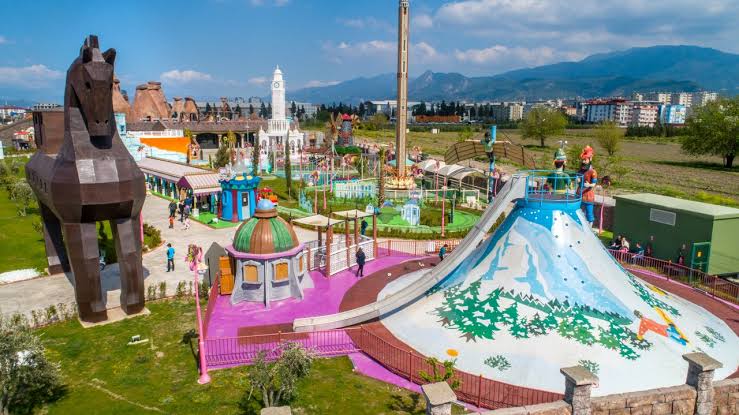
Osmaniye Tale Park
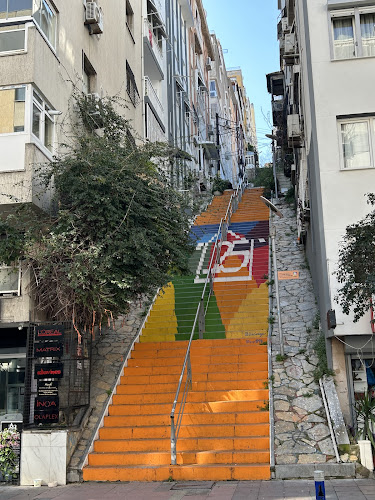
Peace Steps
Find Accommodations Nearby
Recommended Tours & Activities
Visitor Reviews
There are no reviews yet. Be the first one to write one.
Share Your Experience
Have you visited Ataturk Arboretum? Help other travelers by leaving a review.