
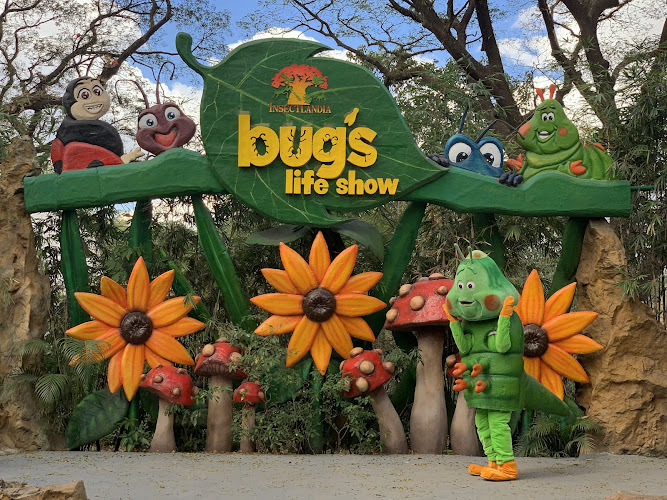
Insectlandia
About Insectlandia
Description
Insectlandia offers travelers a chance to step into a world most people overlook every single day. This theme park and tourist attraction centers entirely around the fascinating universe of insects, creating an experience that's equal parts educational and entertaining. And honestly, when was the last time you visited a place dedicated exclusively to the six-legged creatures that outnumber humans by millions to one? The facility provides visitors with hands-on opportunities to observe, learn about, and interact with various insect species in carefully designed habitats. You'll find yourself face-to-face with creatures that most folks only see in documentaries or textbooks. But what makes Insectlandia particularly special is how it transforms something many people find creepy or scary into an adventure that appeals to curious minds of all ages. I remember the first time I really stopped to watch an ant colony work together—there's something mesmerizing about their organization that you just can't appreciate until you see it up close. That's the kind of moment Insectlandia creates for visitors. The park manages to strike a balance between scientific accuracy and accessibility, making complex ecological concepts digestible without dumbing them down too much. The venue maintains excellent accessibility standards with wheelchair-friendly entrances, parking facilities, and restrooms throughout the property. Families traveling with young children will appreciate that the entire experience has been designed with kids in mind, though adults often find themselves just as captivated by the exhibits. Food options are available on-site, which is definitely a plus when you're spending several hours exploring and don't want to leave just to grab a bite.Key Features
The attractions and offerings at Insectlandia provide travelers with numerous reasons to add this destination to their itinerary: • Interactive exhibits featuring live insect displays from around the world, showcasing species you won't encounter in everyday life • Educational presentations and demonstrations that reveal the crucial roles insects play in our ecosystem and food chain • Hands-on experiences where brave visitors can actually hold and interact with select insect species under proper supervision • Themed exhibition areas that recreate natural habitats, allowing you to see how different insects live in their native environments • Child-friendly activities and programs specifically designed to turn fear into fascination for younger visitors • Complete wheelchair accessibility throughout the facility, including entrances, parking areas, and restroom facilities • On-site food service so you can refuel without interrupting your exploration • Clean, well-maintained restroom facilities conveniently located throughout the park • Knowledgeable staff members who genuinely care about insects and love sharing their enthusiasm with visitors • Photo opportunities that'll give you some truly unique shots for your travel albumBest Time to Visit
Planning your visit to Insectlandia requires some strategic thinking to maximize your experience. Since this is an indoor attraction primarily, weather concerns become less critical than they would be at outdoor theme parks. However, timing still matters quite a bit. Weekday mornings typically offer the best experience for travelers who prefer smaller crowds and more intimate interactions with exhibits. The staff has more availability to answer questions and provide detailed explanations when they're not managing large groups. I've found that Tuesday through Thursday mornings are particularly quiet, giving you almost private access to some displays. School vacation periods and weekends naturally bring more families with children, which creates a different energy entirely. If you're traveling with kids, this might actually enhance the experience as children feed off each other's excitement. But if you're an adult traveler seeking a more contemplative visit, you'll want to avoid these peak times. The shoulder seasons—late spring and early fall—tend to provide the sweet spot for visiting. Summer can get crowded with families on vacation, while winter sees upticks during holiday breaks. And here's something most travel guides won't tell you: visiting on a rainy day often means fewer crowds, and since you're indoors anyway, the weather won't impact your experience one bit. Consider allocating at least 2-3 hours for your visit, though insect enthusiasts could easily spend half a day here. The exhibits deserve your time and attention, and rushing through defeats the purpose of this unique educational experience.How to Get There
Getting to Insectlandia involves some planning, but the journey is straightforward once you know your options. The facility offers dedicated parking with wheelchair-accessible spaces, making it convenient for travelers arriving by personal vehicle or rental car. This is honestly the most flexible option since it allows you to explore the surrounding area at your own pace. For travelers relying on public transportation, research local bus routes and schedules in advance. Service frequency can vary significantly depending on the day of week and time of year. Some visitors have reported that taxi or rideshare services provide the most hassle-free transportation option, particularly if you're staying at a nearby hotel or accommodation. The entrance features wheelchair-accessible options, so travelers with mobility considerations won't face barriers getting inside. Make sure you've got the correct address programmed into your GPS or navigation app before departing, as some mapping services occasionally suggest inefficient routes to lesser-known attractions. If you're combining Insectlandia with other destinations in the area, plan your route to minimize backtracking. This attraction works well as a morning or afternoon activity, leaving you time to explore other nearby points of interest during the same day trip.Tips for Visiting
Making the most of your Insectlandia experience requires some insider knowledge that'll help you avoid common mistakes and maximize your enjoyment. Dress comfortably and practically. You'll be walking through various exhibit areas and potentially standing for extended periods while observing displays. Closed-toe shoes make more sense than sandals, both for comfort and safety reasons. The temperature inside stays controlled, so you won't need heavy jackets even during colder months. Bring your curiosity and leave your preconceptions at the door. Many travelers arrive with negative feelings about insects, but the staff excels at changing minds. Give yourself permission to be genuinely interested in creatures you might normally squash without a second thought. That mindset shift transforms this from just another attraction into a memorable learning experience. Don't rush through the exhibits. I know travelers often feel pressure to see everything quickly and move on to the next destination, but that approach doesn't work well here. The magic happens when you actually stop and observe insect behavior for several minutes at a time. You'll notice patterns and interactions that aren't immediately obvious. Take advantage of the staff's expertise. These folks aren't just employees—they're passionate about entomology and genuinely enjoy sharing their knowledge. Ask questions, no matter how basic they might seem. You're probably wondering about the same things other visitors are too afraid to ask. If you're traveling with children, prepare them beforehand about what they'll see. Some kids get overwhelmed by close encounters with insects, while others can't get enough. Knowing your child's comfort level helps you set appropriate expectations. The good news is that participation in hands-on activities is always optional. Photography enthusiasts should bring proper equipment. The lighting in exhibit areas can be tricky, so a camera that performs well in lower light conditions will yield better results than most smartphone cameras. But check facility policies about flash photography first, as sudden bright lights can stress some insect species. Plan your visit around feeding times or special demonstrations if the facility offers them. These scheduled events provide insights you won't get from static displays. The staff typically announces these in advance, so ask at the entrance when you arrive. Budget a bit of extra time beyond what you think you'll need. Travelers consistently underestimate how long they'll want to stay once they get engaged with the exhibits. There's no prize for rushing through, and you'll kick yourself later if you missed something interesting because you were watching the clock. The food service onsite might not offer gourmet dining, but it's convenient and prevents you from losing momentum by leaving the facility. For travelers with specific dietary requirements, eating before you arrive or bringing permitted snacks might make more sense. Finally, visit the restroom before diving deep into the exhibits. The facilities are clean and accessible, but strategically timing your breaks makes the visit flow more smoothly. This seems like obvious advice, but you'd be surprised how many people forget basic comfort planning when they're excited about a new destination.Key Features
- Key Features
- Best Time to Visit
- How to Get There
- Tips for Visiting
More Details
Updated January 18, 2026
Table of Contents
Description
Insectlandia offers travelers a chance to step into a world most people overlook every single day. This theme park and tourist attraction centers entirely around the fascinating universe of insects, creating an experience that’s equal parts educational and entertaining. And honestly, when was the last time you visited a place dedicated exclusively to the six-legged creatures that outnumber humans by millions to one?
The facility provides visitors with hands-on opportunities to observe, learn about, and interact with various insect species in carefully designed habitats. You’ll find yourself face-to-face with creatures that most folks only see in documentaries or textbooks. But what makes Insectlandia particularly special is how it transforms something many people find creepy or scary into an adventure that appeals to curious minds of all ages.
I remember the first time I really stopped to watch an ant colony work together—there’s something mesmerizing about their organization that you just can’t appreciate until you see it up close. That’s the kind of moment Insectlandia creates for visitors. The park manages to strike a balance between scientific accuracy and accessibility, making complex ecological concepts digestible without dumbing them down too much.
The venue maintains excellent accessibility standards with wheelchair-friendly entrances, parking facilities, and restrooms throughout the property. Families traveling with young children will appreciate that the entire experience has been designed with kids in mind, though adults often find themselves just as captivated by the exhibits. Food options are available on-site, which is definitely a plus when you’re spending several hours exploring and don’t want to leave just to grab a bite.
Key Features
The attractions and offerings at Insectlandia provide travelers with numerous reasons to add this destination to their itinerary:
• Interactive exhibits featuring live insect displays from around the world, showcasing species you won’t encounter in everyday life
• Educational presentations and demonstrations that reveal the crucial roles insects play in our ecosystem and food chain
• Hands-on experiences where brave visitors can actually hold and interact with select insect species under proper supervision
• Themed exhibition areas that recreate natural habitats, allowing you to see how different insects live in their native environments
• Child-friendly activities and programs specifically designed to turn fear into fascination for younger visitors
• Complete wheelchair accessibility throughout the facility, including entrances, parking areas, and restroom facilities
• On-site food service so you can refuel without interrupting your exploration
• Clean, well-maintained restroom facilities conveniently located throughout the park
• Knowledgeable staff members who genuinely care about insects and love sharing their enthusiasm with visitors
• Photo opportunities that’ll give you some truly unique shots for your travel album
Best Time to Visit
Planning your visit to Insectlandia requires some strategic thinking to maximize your experience. Since this is an indoor attraction primarily, weather concerns become less critical than they would be at outdoor theme parks. However, timing still matters quite a bit.
Weekday mornings typically offer the best experience for travelers who prefer smaller crowds and more intimate interactions with exhibits. The staff has more availability to answer questions and provide detailed explanations when they’re not managing large groups. I’ve found that Tuesday through Thursday mornings are particularly quiet, giving you almost private access to some displays.
School vacation periods and weekends naturally bring more families with children, which creates a different energy entirely. If you’re traveling with kids, this might actually enhance the experience as children feed off each other’s excitement. But if you’re an adult traveler seeking a more contemplative visit, you’ll want to avoid these peak times.
The shoulder seasons—late spring and early fall—tend to provide the sweet spot for visiting. Summer can get crowded with families on vacation, while winter sees upticks during holiday breaks. And here’s something most travel guides won’t tell you: visiting on a rainy day often means fewer crowds, and since you’re indoors anyway, the weather won’t impact your experience one bit.
Consider allocating at least 2-3 hours for your visit, though insect enthusiasts could easily spend half a day here. The exhibits deserve your time and attention, and rushing through defeats the purpose of this unique educational experience.
How to Get There
Getting to Insectlandia involves some planning, but the journey is straightforward once you know your options. The facility offers dedicated parking with wheelchair-accessible spaces, making it convenient for travelers arriving by personal vehicle or rental car. This is honestly the most flexible option since it allows you to explore the surrounding area at your own pace.
For travelers relying on public transportation, research local bus routes and schedules in advance. Service frequency can vary significantly depending on the day of week and time of year. Some visitors have reported that taxi or rideshare services provide the most hassle-free transportation option, particularly if you’re staying at a nearby hotel or accommodation.
The entrance features wheelchair-accessible options, so travelers with mobility considerations won’t face barriers getting inside. Make sure you’ve got the correct address programmed into your GPS or navigation app before departing, as some mapping services occasionally suggest inefficient routes to lesser-known attractions.
If you’re combining Insectlandia with other destinations in the area, plan your route to minimize backtracking. This attraction works well as a morning or afternoon activity, leaving you time to explore other nearby points of interest during the same day trip.
Tips for Visiting
Making the most of your Insectlandia experience requires some insider knowledge that’ll help you avoid common mistakes and maximize your enjoyment.
Dress comfortably and practically. You’ll be walking through various exhibit areas and potentially standing for extended periods while observing displays. Closed-toe shoes make more sense than sandals, both for comfort and safety reasons. The temperature inside stays controlled, so you won’t need heavy jackets even during colder months.
Bring your curiosity and leave your preconceptions at the door. Many travelers arrive with negative feelings about insects, but the staff excels at changing minds. Give yourself permission to be genuinely interested in creatures you might normally squash without a second thought. That mindset shift transforms this from just another attraction into a memorable learning experience.
Don’t rush through the exhibits. I know travelers often feel pressure to see everything quickly and move on to the next destination, but that approach doesn’t work well here. The magic happens when you actually stop and observe insect behavior for several minutes at a time. You’ll notice patterns and interactions that aren’t immediately obvious.
Take advantage of the staff’s expertise. These folks aren’t just employees—they’re passionate about entomology and genuinely enjoy sharing their knowledge. Ask questions, no matter how basic they might seem. You’re probably wondering about the same things other visitors are too afraid to ask.
If you’re traveling with children, prepare them beforehand about what they’ll see. Some kids get overwhelmed by close encounters with insects, while others can’t get enough. Knowing your child’s comfort level helps you set appropriate expectations. The good news is that participation in hands-on activities is always optional.
Photography enthusiasts should bring proper equipment. The lighting in exhibit areas can be tricky, so a camera that performs well in lower light conditions will yield better results than most smartphone cameras. But check facility policies about flash photography first, as sudden bright lights can stress some insect species.
Plan your visit around feeding times or special demonstrations if the facility offers them. These scheduled events provide insights you won’t get from static displays. The staff typically announces these in advance, so ask at the entrance when you arrive.
Budget a bit of extra time beyond what you think you’ll need. Travelers consistently underestimate how long they’ll want to stay once they get engaged with the exhibits. There’s no prize for rushing through, and you’ll kick yourself later if you missed something interesting because you were watching the clock.
The food service onsite might not offer gourmet dining, but it’s convenient and prevents you from losing momentum by leaving the facility. For travelers with specific dietary requirements, eating before you arrive or bringing permitted snacks might make more sense.
Finally, visit the restroom before diving deep into the exhibits. The facilities are clean and accessible, but strategically timing your breaks makes the visit flow more smoothly. This seems like obvious advice, but you’d be surprised how many people forget basic comfort planning when they’re excited about a new destination.
Key Highlights
- Key Features
- Best Time to Visit
- How to Get There
- Tips for Visiting
Location
Places to Stay Near Insectlandia
Find and Book a Tour
Explore More Travel Guides
No reviews found! Be the first to review!
Traveler Reviews for Insectlandia
There are no reviews yet. Be the first one to write one.
Have you visited Insectlandia? Help other travelers by sharing your review.
You Might Also Like

Center for Kapampangan Studies

Angeles City Zero Kilometer
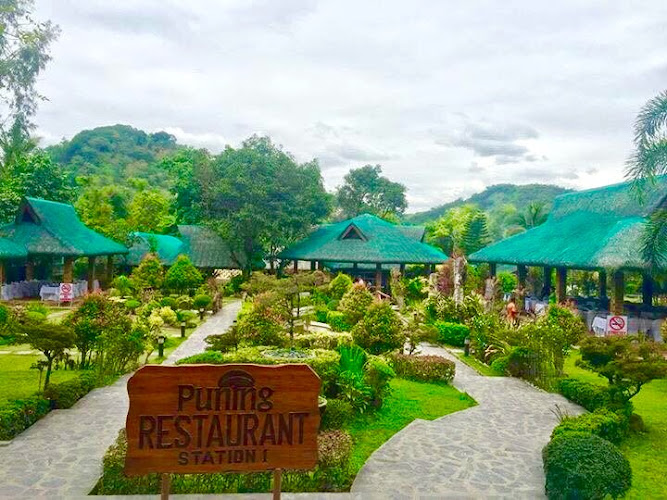
Puning Hot Spring and Restaurant
Find Accommodations Nearby
Recommended Tours & Activities
Visitor Reviews
There are no reviews yet. Be the first one to write one.
Share Your Experience
Have you visited Insectlandia? Help other travelers by leaving a review.