
Clay Pit Ponds State Park
About Clay Pit Ponds State Park
Description
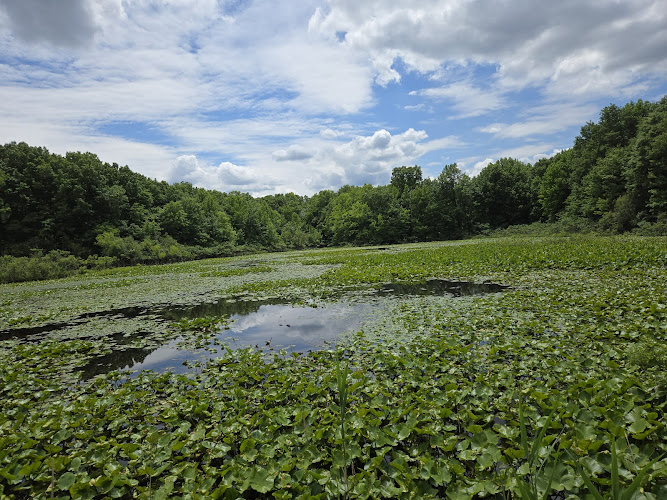
Clay Pit Ponds State Park stands as one of Staten Island's best-kept secrets, sprawling across 265 acres of protected natural landscape that feels worlds away from the urban buzz of New York City. And honestly, when I first heard about this place, I was skeptical—how wild could a nature preserve really be when it's technically still within city limits? But after spending time exploring its diverse ecosystems, I was genuinely surprised by how authentic and untouched it all feels. This nature preserve showcases an incredible variety of habitats that you won't find grouped together anywhere else in the region. The park gets its name from the clay mining operations that once dominated this area back in the 1800s, and those historical excavations left behind a fascinating landscape of ponds, wetlands, and sandy barrens that have transformed into thriving natural habitats over the decades. It's pretty cool when you think about it—what was once an industrial site has become a sanctuary for rare plant species and wildlife. The park serves as a living classroom where visitors can observe firsthand how nature reclaims and transforms human-altered landscapes. You'll find freshwater wetlands sitting next to dry sandy plains, creating these really unique transition zones where different plant and animal communities meet and mingle. My friend who's really into botany practically lost her mind when she visited, spotting several rare species that apparently only grow in very specific conditions like those found here. What makes Clay Pit Ponds particularly special is its status as one of the last remaining examples of the Atlantic coastal plain habitat in New York State. The sandy soil and unique geology support plants and ecosystems that are more commonly found in the Pine Barrens of New Jersey, making this preserve an ecological anomaly that attracts naturalists and researchers from all over. But you don't need to be a scientist to appreciate the beauty and tranquility this place offers.Key Features
The interpretive center at Clay Pit Ponds provides educational exhibits that help visitors understand the park's natural and cultural history, making it an excellent starting point for your exploration. The staff members there are genuinely enthusiastic about the preserve and can answer pretty much any question you throw at them. Here's what makes this state park worth adding to your travel itinerary:- Multiple hiking trails ranging from easy strolls to more challenging terrain, with several miles of marked paths winding through different ecosystems
- Rare plant species including prickly pear cactus and other specimens typically found much further south
- Excellent birdwatching opportunities with seasonal migrations bringing dozens of species through the area
- Historical clay pit formations that create unique topographical features and pond systems
- Sandy barrens habitat that's extremely rare in the New York metropolitan area
- Wheelchair accessible entrance and parking facilities ensuring the park welcomes visitors of all mobility levels
- Designated picnic areas where families can enjoy outdoor meals surrounded by nature
- Clean public restrooms which honestly is a bigger deal than people realize when planning outdoor excursions
- Kid-friendly trail options that aren't too strenuous for younger hikers while still being engaging
- Boardwalk sections that allow visitors to explore wetland areas without damaging sensitive ecosystems
- Seasonal wildflower displays that transform the landscape with color throughout spring and summer
- Educational programming and guided nature walks offered regularly by park naturalists
Best Time to Visit
Timing your visit to Clay Pit Ponds can really make a difference in your experience, though honestly the park offers something worthwhile during every season. Spring, particularly from late April through early June, brings an explosion of wildflowers and migrating birds that makes the preserve feel especially alive. The weather during these months is typically comfortable for hiking—not too hot, not too cold—and the bugs haven't reached their summer peak yet. Fall is another fantastic time to explore, especially from mid-September through November when the deciduous trees put on their autumn color show and the temperatures cool down to really pleasant hiking weather. There's something about walking through crunchy leaves on a crisp October morning that just hits different, you know? Plus the summer crowds have thinned out considerably, giving you more opportunities for peaceful solitude on the trails. Summer can be beautiful but prepare yourself for heat and humidity that's pretty typical of the New York area during July and August. The advantage of summer visits is that the park's open hours are longer, and the wetland areas are at their most lush and active. Just bring plenty of water and maybe plan your hike for early morning or late afternoon to avoid the midday heat. Winter visits have their own unique appeal if you don't mind the cold. The park takes on a stark, quiet beauty when snow covers the landscape, and you'll have the trails almost entirely to yourself. But be aware that some facilities may have reduced hours or be closed during the coldest months, and trail conditions can be challenging after snow or ice. Weekdays generally offer a more serene experience compared to weekends when local families and nature enthusiasts flock to the trails. If you're looking for that contemplative communion with nature experience, try visiting on a Tuesday or Wednesday morning. And honestly, catching the park just after a rainstorm can be magical—everything smells earthy and fresh, and the ponds are at their fullest.How to Get There
Getting to Clay Pit Ponds State Park requires a bit of planning since it's located in a relatively remote section of Staten Island, but the journey is definitely manageable and worth the effort. If you're driving from Manhattan or other boroughs, you'll want to take the Verrazano-Narrows Bridge to Staten Island, then follow local roads through residential neighborhoods to reach the preserve. The park is situated in the southern part of the island, and GPS navigation works well for finding it. For those relying on public transportation, the options are more limited but still doable. You can take the Staten Island Railway to various stops and then catch local buses that get you relatively close to the park entrance, though you should expect the total transit time to be considerably longer than driving. Some visitors combine public transit with ride-sharing services for the final leg of the journey, which can be a practical compromise. Parking at the preserve is free and the lot is reasonably sized, though it can fill up during peak visitation times on beautiful weekend days. Arriving earlier in the day pretty much guarantees you'll find a spot without any hassle. The parking area is paved and well-maintained, with clearly marked accessible spaces near the entrance. If you're staying in the Staten Island area, the park is accessible from several main thoroughfares, making it an easy addition to your daily plans. And because it's not as well-known as some other New York attractions, you won't face the traffic nightmares or parking struggles that plague more famous destinations. That relative obscurity is part of the charm, really.Tips for Visiting
Wear appropriate footwear because this isn't a manicured park with smooth paved paths everywhere. Trail conditions vary from sandy stretches to potentially muddy wetland borders, and having shoes with decent traction and ankle support will make your hike significantly more enjoyable. I learned this the hard way wearing flimsy sneakers on my first visit and ended up with sandy, wet feet within twenty minutes. Bring insect repellent during warmer months, especially if you plan to explore the wetland areas where mosquitoes and other biting insects congregate. The bugs aren't unbearable, but they're definitely present, and spending your hike constantly swatting at them isn't exactly relaxing. A little preparation goes a long way toward comfort. Stop by the interpretive center before hitting the trails because the exhibits and staff insights will genuinely enhance your understanding and appreciation of what you're seeing. Knowing which plants are rare, understanding the geological history, and learning about the wildlife makes the whole experience richer rather than just walking around looking at generic nature stuff. Pack water and snacks since there aren't any vendors or concession stands within the preserve. Staying hydrated is important, especially during summer months, and having some trail mix or energy bars can turn a good hike into a great one. The picnic tables scattered throughout the park provide nice spots to rest and refuel while surrounded by natural beauty. Respect the preserve rules about staying on marked trails because wandering off-path can damage sensitive plant communities and disturb wildlife habitats. The ecosystems here are somewhat fragile, and the whole point of a nature preserve is protecting these rare habitats for future generations. Plus, some areas can be legitimately difficult to traverse safely without proper trails. Bring binoculars if you're interested in birdwatching or wildlife observation. The park attracts numerous bird species throughout the year, and being able to see them up close without disturbing them adds another dimension to your visit. Even casual observers find themselves getting caught up in spotting different species once they start looking. Check the weather forecast before your visit and dress in layers since conditions can change throughout the day. The open sandy areas offer no shade, while wooded sections might feel significantly cooler. Being able to adjust your clothing as needed keeps you comfortable regardless of microclimatic variations within the park. Consider visiting during different seasons to experience the full range of ecological changes that occur throughout the year. Each season reveals different aspects of the preserve's character, and regular visitors develop a deeper connection to the land by witnessing these natural cycles firsthand. Bring a camera but also remember to spend time just experiencing the park without viewing everything through a lens. It's easy to get caught up in documenting every moment, but some of my best memories from visiting nature preserves involve simply sitting quietly and absorbing the atmosphere without any agenda. Those unrecorded moments often end up being the most meaningful.Key Features
- Multiple hiking trails ranging from easy strolls to more challenging terrain, with several miles of marked paths winding through different ecosystems
- Rare plant species including prickly pear cactus and other specimens typically found much further south
- Excellent birdwatching opportunities with seasonal migrations bringing dozens of species through the area
- Historical clay pit formations that create unique topographical features and pond systems
- Sandy barrens habitat that's extremely rare in the New York metropolitan area
- Wheelchair accessible entrance and parking facilities ensuring the park welcomes visitors of all mobility levels
- Designated picnic areas where families can enjoy outdoor meals surrounded by nature
- Clean public restrooms which honestly is a bigger deal than people realize when planning outdoor excursions
More Details
Updated January 18, 2026
Table of Contents
Description
Clay Pit Ponds State Park stands as one of Staten Island’s best-kept secrets, sprawling across 265 acres of protected natural landscape that feels worlds away from the urban buzz of New York City. And honestly, when I first heard about this place, I was skeptical—how wild could a nature preserve really be when it’s technically still within city limits? But after spending time exploring its diverse ecosystems, I was genuinely surprised by how authentic and untouched it all feels.
This nature preserve showcases an incredible variety of habitats that you won’t find grouped together anywhere else in the region. The park gets its name from the clay mining operations that once dominated this area back in the 1800s, and those historical excavations left behind a fascinating landscape of ponds, wetlands, and sandy barrens that have transformed into thriving natural habitats over the decades. It’s pretty cool when you think about it—what was once an industrial site has become a sanctuary for rare plant species and wildlife.
The park serves as a living classroom where visitors can observe firsthand how nature reclaims and transforms human-altered landscapes. You’ll find freshwater wetlands sitting next to dry sandy plains, creating these really unique transition zones where different plant and animal communities meet and mingle. My friend who’s really into botany practically lost her mind when she visited, spotting several rare species that apparently only grow in very specific conditions like those found here.
What makes Clay Pit Ponds particularly special is its status as one of the last remaining examples of the Atlantic coastal plain habitat in New York State. The sandy soil and unique geology support plants and ecosystems that are more commonly found in the Pine Barrens of New Jersey, making this preserve an ecological anomaly that attracts naturalists and researchers from all over. But you don’t need to be a scientist to appreciate the beauty and tranquility this place offers.
Key Features
The interpretive center at Clay Pit Ponds provides educational exhibits that help visitors understand the park’s natural and cultural history, making it an excellent starting point for your exploration. The staff members there are genuinely enthusiastic about the preserve and can answer pretty much any question you throw at them.
Here’s what makes this state park worth adding to your travel itinerary:
- Multiple hiking trails ranging from easy strolls to more challenging terrain, with several miles of marked paths winding through different ecosystems
- Rare plant species including prickly pear cactus and other specimens typically found much further south
- Excellent birdwatching opportunities with seasonal migrations bringing dozens of species through the area
- Historical clay pit formations that create unique topographical features and pond systems
- Sandy barrens habitat that’s extremely rare in the New York metropolitan area
- Wheelchair accessible entrance and parking facilities ensuring the park welcomes visitors of all mobility levels
- Designated picnic areas where families can enjoy outdoor meals surrounded by nature
- Clean public restrooms which honestly is a bigger deal than people realize when planning outdoor excursions
- Kid-friendly trail options that aren’t too strenuous for younger hikers while still being engaging
- Boardwalk sections that allow visitors to explore wetland areas without damaging sensitive ecosystems
- Seasonal wildflower displays that transform the landscape with color throughout spring and summer
- Educational programming and guided nature walks offered regularly by park naturalists
The diversity of trail experiences means you can visit multiple times and have completely different adventures each time. Some paths take you through dense woodland areas where the canopy creates this cathedral-like atmosphere, while others cross open sandy areas where the sun beats down and you can see for quite a distance. It’s this variety that keeps the hiking interesting and prevents that monotonous feeling some nature preserves can have.
Best Time to Visit
Timing your visit to Clay Pit Ponds can really make a difference in your experience, though honestly the park offers something worthwhile during every season. Spring, particularly from late April through early June, brings an explosion of wildflowers and migrating birds that makes the preserve feel especially alive. The weather during these months is typically comfortable for hiking—not too hot, not too cold—and the bugs haven’t reached their summer peak yet.
Fall is another fantastic time to explore, especially from mid-September through November when the deciduous trees put on their autumn color show and the temperatures cool down to really pleasant hiking weather. There’s something about walking through crunchy leaves on a crisp October morning that just hits different, you know? Plus the summer crowds have thinned out considerably, giving you more opportunities for peaceful solitude on the trails.
Summer can be beautiful but prepare yourself for heat and humidity that’s pretty typical of the New York area during July and August. The advantage of summer visits is that the park’s open hours are longer, and the wetland areas are at their most lush and active. Just bring plenty of water and maybe plan your hike for early morning or late afternoon to avoid the midday heat.
Winter visits have their own unique appeal if you don’t mind the cold. The park takes on a stark, quiet beauty when snow covers the landscape, and you’ll have the trails almost entirely to yourself. But be aware that some facilities may have reduced hours or be closed during the coldest months, and trail conditions can be challenging after snow or ice.
Weekdays generally offer a more serene experience compared to weekends when local families and nature enthusiasts flock to the trails. If you’re looking for that contemplative communion with nature experience, try visiting on a Tuesday or Wednesday morning. And honestly, catching the park just after a rainstorm can be magical—everything smells earthy and fresh, and the ponds are at their fullest.
How to Get There
Getting to Clay Pit Ponds State Park requires a bit of planning since it’s located in a relatively remote section of Staten Island, but the journey is definitely manageable and worth the effort. If you’re driving from Manhattan or other boroughs, you’ll want to take the Verrazano-Narrows Bridge to Staten Island, then follow local roads through residential neighborhoods to reach the preserve. The park is situated in the southern part of the island, and GPS navigation works well for finding it.
For those relying on public transportation, the options are more limited but still doable. You can take the Staten Island Railway to various stops and then catch local buses that get you relatively close to the park entrance, though you should expect the total transit time to be considerably longer than driving. Some visitors combine public transit with ride-sharing services for the final leg of the journey, which can be a practical compromise.
Parking at the preserve is free and the lot is reasonably sized, though it can fill up during peak visitation times on beautiful weekend days. Arriving earlier in the day pretty much guarantees you’ll find a spot without any hassle. The parking area is paved and well-maintained, with clearly marked accessible spaces near the entrance.
If you’re staying in the Staten Island area, the park is accessible from several main thoroughfares, making it an easy addition to your daily plans. And because it’s not as well-known as some other New York attractions, you won’t face the traffic nightmares or parking struggles that plague more famous destinations. That relative obscurity is part of the charm, really.
Tips for Visiting
Wear appropriate footwear because this isn’t a manicured park with smooth paved paths everywhere. Trail conditions vary from sandy stretches to potentially muddy wetland borders, and having shoes with decent traction and ankle support will make your hike significantly more enjoyable. I learned this the hard way wearing flimsy sneakers on my first visit and ended up with sandy, wet feet within twenty minutes.
Bring insect repellent during warmer months, especially if you plan to explore the wetland areas where mosquitoes and other biting insects congregate. The bugs aren’t unbearable, but they’re definitely present, and spending your hike constantly swatting at them isn’t exactly relaxing. A little preparation goes a long way toward comfort.
Stop by the interpretive center before hitting the trails because the exhibits and staff insights will genuinely enhance your understanding and appreciation of what you’re seeing. Knowing which plants are rare, understanding the geological history, and learning about the wildlife makes the whole experience richer rather than just walking around looking at generic nature stuff.
Pack water and snacks since there aren’t any vendors or concession stands within the preserve. Staying hydrated is important, especially during summer months, and having some trail mix or energy bars can turn a good hike into a great one. The picnic tables scattered throughout the park provide nice spots to rest and refuel while surrounded by natural beauty.
Respect the preserve rules about staying on marked trails because wandering off-path can damage sensitive plant communities and disturb wildlife habitats. The ecosystems here are somewhat fragile, and the whole point of a nature preserve is protecting these rare habitats for future generations. Plus, some areas can be legitimately difficult to traverse safely without proper trails.
Bring binoculars if you’re interested in birdwatching or wildlife observation. The park attracts numerous bird species throughout the year, and being able to see them up close without disturbing them adds another dimension to your visit. Even casual observers find themselves getting caught up in spotting different species once they start looking.
Check the weather forecast before your visit and dress in layers since conditions can change throughout the day. The open sandy areas offer no shade, while wooded sections might feel significantly cooler. Being able to adjust your clothing as needed keeps you comfortable regardless of microclimatic variations within the park.
Consider visiting during different seasons to experience the full range of ecological changes that occur throughout the year. Each season reveals different aspects of the preserve’s character, and regular visitors develop a deeper connection to the land by witnessing these natural cycles firsthand.
Bring a camera but also remember to spend time just experiencing the park without viewing everything through a lens. It’s easy to get caught up in documenting every moment, but some of my best memories from visiting nature preserves involve simply sitting quietly and absorbing the atmosphere without any agenda. Those unrecorded moments often end up being the most meaningful.
Key Highlights
- Multiple hiking trails ranging from easy strolls to more challenging terrain, with several miles of marked paths winding through different ecosystems
- Rare plant species including prickly pear cactus and other specimens typically found much further south
- Excellent birdwatching opportunities with seasonal migrations bringing dozens of species through the area
- Historical clay pit formations that create unique topographical features and pond systems
- Sandy barrens habitat that's extremely rare in the New York metropolitan area
- Wheelchair accessible entrance and parking facilities ensuring the park welcomes visitors of all mobility levels
- Designated picnic areas where families can enjoy outdoor meals surrounded by nature
- Clean public restrooms which honestly is a bigger deal than people realize when planning outdoor excursions
Location
Places to Stay Near Clay Pit Ponds State Park
Find and Book a Tour
Explore More Travel Guides
No reviews found! Be the first to review!
Traveler Reviews for Clay Pit Ponds State Park
There are no reviews yet. Be the first one to write one.
Have you visited Clay Pit Ponds State Park? Help other travelers by sharing your review.
You Might Also Like

Seguine-Burke Mansion

Historic Richmond Town

Snug Harbor Cultural Center & Botanical Garden
Find Accommodations Nearby
Recommended Tours & Activities
Visitor Reviews
There are no reviews yet. Be the first one to write one.
Share Your Experience
Have you visited Clay Pit Ponds State Park? Help other travelers by leaving a review.