About Nizampur

Description

Nizampur represents one of those places that doesn't shout for attention but quietly offers something genuine to travelers who take the time to discover it. This destination has managed to maintain its authentic character while slowly opening itself up to those seeking experiences beyond the typical tourist trail. And honestly, that's what makes it special. Walking through Nizampur, visitors immediately notice the rhythm of daily life continues largely unaffected by outside influences. The local community goes about their routines with a warmth that feels refreshing in today's often commercialized travel landscape. Markets bustle with activity in the mornings, families gather in public spaces during evenings, and there's this underlying sense that you're witnessing something real rather than a performance staged for tourists. The area surrounding Nizampur offers diverse landscapes that change character depending on the season. Agricultural lands stretch out in patterns that tell stories of generations working the same soil. Small water bodies dot the region, serving as gathering points for both people and wildlife. The architecture reflects practical design choices made over decades, with buildings that might not win awards for aesthetics but speak volumes about functionality and adaptation to local conditions. What struck me during my research into places like this is how they challenge our modern obsession with the extraordinary. Nizampur doesn't have that one Instagram-famous monument or that celebrity-endorsed restaurant. Instead, it provides travelers with an opportunity to slow down and observe how communities function when they're not constantly performing for cameras. You'll find yourself noticing small details - the way vendors arrange their goods, how neighbors interact across storefronts, the particular shade of light during late afternoon hours. The cultural fabric here weaves together traditions that have survived alongside gradual modernization. You might see someone checking their smartphone while sitting in a centuries-old community space, and somehow it doesn't feel contradictory. It just feels like life moving forward while maintaining connections to the past.

Key Features

Travelers exploring Nizampur will encounter several distinctive characteristics that define the experience:
  • Authentic local markets where commerce happens at a human pace, giving visitors genuine interaction opportunities with residents rather than scripted transactions
  • Agricultural surroundings that provide insight into regional farming practices and seasonal crop cycles, offering perspective on rural life that's increasingly difficult to find near major cities
  • Community gathering spaces that function as the social heart of the area, where observing daily interactions reveals cultural norms and local priorities
  • Traditional food preparation methods still practiced in family-run establishments, where recipes pass through generations rather than coming from corporate test kitchens
  • Walking-friendly dimensions that allow exploration on foot, creating opportunities for spontaneous discoveries that vehicle-based tourism often misses
  • Fewer language barriers than you might expect, with younger generations often comfortable bridging communication gaps between visitors and elder community members
  • Seasonal festivals and observances that reflect genuine local traditions rather than tourist-oriented spectacles, though travelers respectful of cultural contexts are typically welcomed to observe
  • Accommodation options that prioritize homestay experiences over standardized hotels, providing insights into domestic life and daily routines
  • Craft traditions still practiced by artisans who learned their skills through apprenticeship rather than formal education, making purchases more meaningful than typical souvenir shopping
  • Natural areas surrounding the main settlement that offer peaceful retreats without requiring extensive planning or specialized equipment

Best Time to Visit

Timing your visit to Nizampur really depends on what kind of traveler you are and what you're hoping to experience. The region experiences distinct seasonal changes that dramatically affect both the landscape and the rhythm of daily life. October through March generally provides the most comfortable weather conditions for visitors accustomed to moderate climates. Temperatures during these months sit in ranges that allow all-day exploration without the exhaustion that comes with extreme heat. Mornings can be genuinely pleasant, with cool air that makes early walks particularly enjoyable. The agricultural calendar during this period showcases harvest activities and post-harvest preparations, giving visitors insight into the labor that sustains the community. But here's the thing - visiting during off-peak seasons has its own rewards. The monsoon period transforms the landscape completely. Fields turn impossibly green, water bodies fill to capacity, and the entire atmosphere changes. Yes, you'll deal with rain, and some outdoor activities become impractical. Yet there's something memorable about experiencing a place during its wettest season, watching how communities adapt their routines around weather patterns. Plus, you'll have a more intimate experience with fewer other travelers around. Summer months bring significant heat that shouldn't be underestimated. If you're from cooler climates, the temperatures might genuinely challenge your comfort levels. However, this is when you'll see how local life adjusts to extreme conditions - the altered schedules, the afternoon quiet periods, the evening revival of activity. For travelers interested in understanding how climate shapes culture, summer visits offer valuable lessons. Festival periods provide another consideration entirely. While specific dates vary yearly based on lunar calendars, these occasions showcase community celebration in its most authentic form. The energy level increases noticeably, special foods appear in markets, and there's a collective excitement that's genuinely infectious. Just be prepared for crowded conditions and limited accommodation availability if you're planning around major observances. Winter evenings can get surprisingly cool, something that catches unprepared visitors off guard. Packing layers makes sense regardless of when you visit, as temperatures fluctuate more than you'd expect between day and night hours.

How to Get There

Reaching Nizampur requires a bit more planning than destinations served by international airports, and honestly, that journey becomes part of the experience. The process of getting there helps transition your mindset from everyday life into a more observant travel mode. Most travelers will need to reach a regional hub city first, typically by train or long-distance bus. These larger centers offer multiple daily connections and serve as logical starting points for the final leg into Nizampur. From these hubs, local bus services operate on fairly regular schedules, though "regular" here means something different than metro transit systems you might be used to. Buses leave when they're sufficiently full rather than adhering to minute-by-minute timetables, which requires patience but also provides opportunities to chat with fellow passengers. Private vehicle options include hiring a car with driver, which gives flexibility for stops along the route. This costs more than public transport but allows you to control timing and make spontaneous detours. If you're traveling with others, the per-person cost becomes more reasonable. Drivers familiar with the region can also provide informal guidance and may know family-run establishments that don't appear in any guidebooks. Train connectivity exists to certain nearby stations, from where local transportation covers the remaining distance. Train travel in this region offers its own rewards - watching landscapes shift gradually through windows, observing the steady stream of vendors at each stop, experiencing the particular social dynamics of Indian rail travel. Book sleeper class rather than the most basic options for overnight journeys, as the small additional cost buys significant comfort improvements. For the adventurous, motorcycle rental provides maximum freedom but requires confidence handling two-wheelers on roads that vary considerably in quality. Road conditions range from decent paved surfaces to sections where you'll need full attention to navigate safely. This option works best for experienced riders comfortable with unpredictable traffic patterns. Ride-sharing apps have limited reach in smaller centers, so don't count on them as your primary transportation solution. Old-fashioned negotiation with auto-rickshaw drivers remains the standard for local connections. Agree on fares before departing to avoid awkward conversations at your destination. Whatever route you choose, build buffer time into your schedule. Delays happen for countless reasons - weather, mechanical issues, unexpected celebrations blocking roads, cows deciding the middle of the highway looks comfortable. These interruptions frustrate goal-oriented travelers but delight those who've embraced the journey as part of the experience.

Tips for Visiting

Smart preparation makes the difference between struggling through Nizampur and actually enjoying what it offers. And these aren't the generic tips you'll find everywhere - these come from understanding what actually matters in places like this. Cash remains king here, despite digital payment systems spreading across urban India. ATMs exist but sometimes run dry, especially around festival periods when cash demand spikes. Carry more physical currency than feels comfortable, in smaller denominations. That 500-rupee note won't help when you're buying street food from someone who can't make change. Learn a few phrases in the local language beyond just "hello" and "thank you." Even butchered pronunciation gets appreciated because it shows effort. Locals respond very differently to travelers who attempt communication versus those who just speak louder English expecting comprehension through volume. Dress codes matter more than some guidebooks acknowledge. While enforcement isn't strict, showing cultural awareness through clothing choices - covering shoulders and knees, avoiding tight or revealing garments - creates more positive interactions. You'll notice people engaging more warmly when you've made these considerations. Food adventures require calibration to your digestive system's resilience. Start conservatively rather than immediately diving into the most challenging street foods. Build tolerance gradually, and always know where clean restrooms are located relative to wherever you're eating. This isn't about avoiding local cuisine - it's about enjoying it without spending your trip confined to a bathroom. Photography deserves thoughtful consideration. Always ask permission before photographing people directly, especially women and children. Some individuals welcome cameras while others find them intrusive. Reading body language and respecting refusals maintains the goodwill that makes these places welcoming to travelers. And honestly, some moments deserve experiencing through your eyes rather than through a viewfinder anyway. Accommodation standards differ from international hotels. Expect quirks - water pressure that fluctuates, electrical outlets in unexpected locations, bedding that feels different. These aren't deficiencies requiring complaint; they're simply different approaches to domestic comfort. Homestays particularly offer authenticity over luxury, which is exactly the point. Health preparation includes basics like ensuring routine vaccinations are current and considering additional protection based on season and activities. Carry a basic medical kit with essentials your system might need, as finding specific medications locally can prove challenging. Water purification tablets provide backup when bottled water isn't available. Timing daily activities around local rhythms improves experiences significantly. Early mornings offer the best market energy, midday heat suggests rest periods, evenings bring social activity. Fighting these patterns rather than flowing with them creates unnecessary friction. Connectivity might be intermittent. Download offline maps, save important information to your device, and inform people at home that your communication will be sporadic. This disconnection can actually enhance the travel experience once you stop fighting it and accept being temporarily unreachable. Finally, approach Nizampur with realistic expectations. This isn't a destination that will assault you with obvious attractions or provide easy social media content. Its rewards come through patience, observation, and willingness to let experiences unfold naturally rather than forcing them into predetermined narratives. The travelers who appreciate Nizampur most are those who've learned that authenticity rarely announces itself loudly.

Key Features

  • Village-like streets and local markets reflecting traditional community life
  • Accessible location in North West Delhi with connections to the rest of the city
  • Low-key, authentic food stalls and family-run eateries
  • Nearby green plots and semi-rural pockets within the urban sprawl
  • Affordable, everyday urban experience away from main tourist hubs

More Details

Updated January 18, 2026

Description

Nizampur represents one of those places that doesn’t shout for attention but quietly offers something genuine to travelers who take the time to discover it. This destination has managed to maintain its authentic character while slowly opening itself up to those seeking experiences beyond the typical tourist trail. And honestly, that’s what makes it special.

Walking through Nizampur, visitors immediately notice the rhythm of daily life continues largely unaffected by outside influences. The local community goes about their routines with a warmth that feels refreshing in today’s often commercialized travel landscape. Markets bustle with activity in the mornings, families gather in public spaces during evenings, and there’s this underlying sense that you’re witnessing something real rather than a performance staged for tourists.

The area surrounding Nizampur offers diverse landscapes that change character depending on the season. Agricultural lands stretch out in patterns that tell stories of generations working the same soil. Small water bodies dot the region, serving as gathering points for both people and wildlife. The architecture reflects practical design choices made over decades, with buildings that might not win awards for aesthetics but speak volumes about functionality and adaptation to local conditions.

What struck me during my research into places like this is how they challenge our modern obsession with the extraordinary. Nizampur doesn’t have that one Instagram-famous monument or that celebrity-endorsed restaurant. Instead, it provides travelers with an opportunity to slow down and observe how communities function when they’re not constantly performing for cameras. You’ll find yourself noticing small details – the way vendors arrange their goods, how neighbors interact across storefronts, the particular shade of light during late afternoon hours.

The cultural fabric here weaves together traditions that have survived alongside gradual modernization. You might see someone checking their smartphone while sitting in a centuries-old community space, and somehow it doesn’t feel contradictory. It just feels like life moving forward while maintaining connections to the past.

Key Features

Travelers exploring Nizampur will encounter several distinctive characteristics that define the experience:

  • Authentic local markets where commerce happens at a human pace, giving visitors genuine interaction opportunities with residents rather than scripted transactions
  • Agricultural surroundings that provide insight into regional farming practices and seasonal crop cycles, offering perspective on rural life that’s increasingly difficult to find near major cities
  • Community gathering spaces that function as the social heart of the area, where observing daily interactions reveals cultural norms and local priorities
  • Traditional food preparation methods still practiced in family-run establishments, where recipes pass through generations rather than coming from corporate test kitchens
  • Walking-friendly dimensions that allow exploration on foot, creating opportunities for spontaneous discoveries that vehicle-based tourism often misses
  • Fewer language barriers than you might expect, with younger generations often comfortable bridging communication gaps between visitors and elder community members
  • Seasonal festivals and observances that reflect genuine local traditions rather than tourist-oriented spectacles, though travelers respectful of cultural contexts are typically welcomed to observe
  • Accommodation options that prioritize homestay experiences over standardized hotels, providing insights into domestic life and daily routines
  • Craft traditions still practiced by artisans who learned their skills through apprenticeship rather than formal education, making purchases more meaningful than typical souvenir shopping
  • Natural areas surrounding the main settlement that offer peaceful retreats without requiring extensive planning or specialized equipment

Best Time to Visit

Timing your visit to Nizampur really depends on what kind of traveler you are and what you’re hoping to experience. The region experiences distinct seasonal changes that dramatically affect both the landscape and the rhythm of daily life.

October through March generally provides the most comfortable weather conditions for visitors accustomed to moderate climates. Temperatures during these months sit in ranges that allow all-day exploration without the exhaustion that comes with extreme heat. Mornings can be genuinely pleasant, with cool air that makes early walks particularly enjoyable. The agricultural calendar during this period showcases harvest activities and post-harvest preparations, giving visitors insight into the labor that sustains the community.

But here’s the thing – visiting during off-peak seasons has its own rewards. The monsoon period transforms the landscape completely. Fields turn impossibly green, water bodies fill to capacity, and the entire atmosphere changes. Yes, you’ll deal with rain, and some outdoor activities become impractical. Yet there’s something memorable about experiencing a place during its wettest season, watching how communities adapt their routines around weather patterns. Plus, you’ll have a more intimate experience with fewer other travelers around.

Summer months bring significant heat that shouldn’t be underestimated. If you’re from cooler climates, the temperatures might genuinely challenge your comfort levels. However, this is when you’ll see how local life adjusts to extreme conditions – the altered schedules, the afternoon quiet periods, the evening revival of activity. For travelers interested in understanding how climate shapes culture, summer visits offer valuable lessons.

Festival periods provide another consideration entirely. While specific dates vary yearly based on lunar calendars, these occasions showcase community celebration in its most authentic form. The energy level increases noticeably, special foods appear in markets, and there’s a collective excitement that’s genuinely infectious. Just be prepared for crowded conditions and limited accommodation availability if you’re planning around major observances.

Winter evenings can get surprisingly cool, something that catches unprepared visitors off guard. Packing layers makes sense regardless of when you visit, as temperatures fluctuate more than you’d expect between day and night hours.

How to Get There

Reaching Nizampur requires a bit more planning than destinations served by international airports, and honestly, that journey becomes part of the experience. The process of getting there helps transition your mindset from everyday life into a more observant travel mode.

Most travelers will need to reach a regional hub city first, typically by train or long-distance bus. These larger centers offer multiple daily connections and serve as logical starting points for the final leg into Nizampur. From these hubs, local bus services operate on fairly regular schedules, though “regular” here means something different than metro transit systems you might be used to. Buses leave when they’re sufficiently full rather than adhering to minute-by-minute timetables, which requires patience but also provides opportunities to chat with fellow passengers.

Private vehicle options include hiring a car with driver, which gives flexibility for stops along the route. This costs more than public transport but allows you to control timing and make spontaneous detours. If you’re traveling with others, the per-person cost becomes more reasonable. Drivers familiar with the region can also provide informal guidance and may know family-run establishments that don’t appear in any guidebooks.

Train connectivity exists to certain nearby stations, from where local transportation covers the remaining distance. Train travel in this region offers its own rewards – watching landscapes shift gradually through windows, observing the steady stream of vendors at each stop, experiencing the particular social dynamics of Indian rail travel. Book sleeper class rather than the most basic options for overnight journeys, as the small additional cost buys significant comfort improvements.

For the adventurous, motorcycle rental provides maximum freedom but requires confidence handling two-wheelers on roads that vary considerably in quality. Road conditions range from decent paved surfaces to sections where you’ll need full attention to navigate safely. This option works best for experienced riders comfortable with unpredictable traffic patterns.

Ride-sharing apps have limited reach in smaller centers, so don’t count on them as your primary transportation solution. Old-fashioned negotiation with auto-rickshaw drivers remains the standard for local connections. Agree on fares before departing to avoid awkward conversations at your destination.

Whatever route you choose, build buffer time into your schedule. Delays happen for countless reasons – weather, mechanical issues, unexpected celebrations blocking roads, cows deciding the middle of the highway looks comfortable. These interruptions frustrate goal-oriented travelers but delight those who’ve embraced the journey as part of the experience.

Tips for Visiting

Smart preparation makes the difference between struggling through Nizampur and actually enjoying what it offers. And these aren’t the generic tips you’ll find everywhere – these come from understanding what actually matters in places like this.

Cash remains king here, despite digital payment systems spreading across urban India. ATMs exist but sometimes run dry, especially around festival periods when cash demand spikes. Carry more physical currency than feels comfortable, in smaller denominations. That 500-rupee note won’t help when you’re buying street food from someone who can’t make change.

Learn a few phrases in the local language beyond just “hello” and “thank you.” Even butchered pronunciation gets appreciated because it shows effort. Locals respond very differently to travelers who attempt communication versus those who just speak louder English expecting comprehension through volume.

Dress codes matter more than some guidebooks acknowledge. While enforcement isn’t strict, showing cultural awareness through clothing choices – covering shoulders and knees, avoiding tight or revealing garments – creates more positive interactions. You’ll notice people engaging more warmly when you’ve made these considerations.

Food adventures require calibration to your digestive system’s resilience. Start conservatively rather than immediately diving into the most challenging street foods. Build tolerance gradually, and always know where clean restrooms are located relative to wherever you’re eating. This isn’t about avoiding local cuisine – it’s about enjoying it without spending your trip confined to a bathroom.

Photography deserves thoughtful consideration. Always ask permission before photographing people directly, especially women and children. Some individuals welcome cameras while others find them intrusive. Reading body language and respecting refusals maintains the goodwill that makes these places welcoming to travelers. And honestly, some moments deserve experiencing through your eyes rather than through a viewfinder anyway.

Accommodation standards differ from international hotels. Expect quirks – water pressure that fluctuates, electrical outlets in unexpected locations, bedding that feels different. These aren’t deficiencies requiring complaint; they’re simply different approaches to domestic comfort. Homestays particularly offer authenticity over luxury, which is exactly the point.

Health preparation includes basics like ensuring routine vaccinations are current and considering additional protection based on season and activities. Carry a basic medical kit with essentials your system might need, as finding specific medications locally can prove challenging. Water purification tablets provide backup when bottled water isn’t available.

Timing daily activities around local rhythms improves experiences significantly. Early mornings offer the best market energy, midday heat suggests rest periods, evenings bring social activity. Fighting these patterns rather than flowing with them creates unnecessary friction.

Connectivity might be intermittent. Download offline maps, save important information to your device, and inform people at home that your communication will be sporadic. This disconnection can actually enhance the travel experience once you stop fighting it and accept being temporarily unreachable.

Finally, approach Nizampur with realistic expectations. This isn’t a destination that will assault you with obvious attractions or provide easy social media content. Its rewards come through patience, observation, and willingness to let experiences unfold naturally rather than forcing them into predetermined narratives. The travelers who appreciate Nizampur most are those who’ve learned that authenticity rarely announces itself loudly.
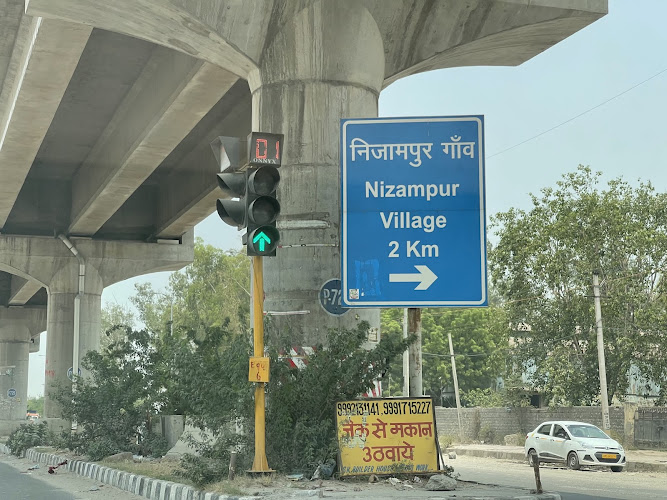

Key Highlights

  • Village-like streets and local markets reflecting traditional community life
  • Accessible location in North West Delhi with connections to the rest of the city
  • Low-key, authentic food stalls and family-run eateries
  • Nearby green plots and semi-rural pockets within the urban sprawl
  • Affordable, everyday urban experience away from main tourist hubs

Location

Places to Stay Near Nizampur

Find and Book a Tour

Explore More Travel Guides

No reviews found! Be the first to review!

Traveler Reviews for Nizampur

There are no reviews yet. Be the first one to write one.

Share Your Experience

Have you visited Nizampur? Help other travelers by sharing your review.

Nearby Attractions

Kanjhawla and local village markets Karala and Majra Dabas village areas Access routes to central Delhi landmarks via nearby transit (check local transport)

Find Accommodations Nearby

Recommended Tours & Activities

Visitor Reviews

There are no reviews yet. Be the first one to write one.

Share Your Experience

Have you visited Nizampur? Help other travelers by leaving a review.