
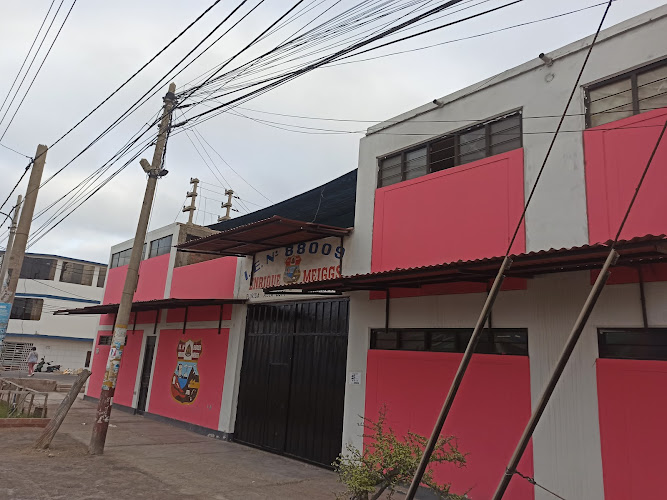
I.E. 88009 Enrique Meiggs
About I.E. 88009 Enrique Meiggs
Description
I.E. 88009 Enrique Meiggs stands as an educational institution that offers more than just classrooms and textbooks to curious travelers exploring Peru's educational landscape. Named after the American railroad entrepreneur Henry Meiggs who significantly shaped Peru's infrastructure in the 19th century, this general education school carries a legacy that intertwines commerce, development, and community building. For travelers interested in understanding the authentic rhythm of Peruvian daily life beyond tourist hotspots, visiting educational institutions like I.E. 88009 Enrique Meiggs provides a genuine glimpse into how local communities invest in their future generations. The school serves as a cornerstone in its neighborhood, where families gather during morning drop-offs and afternoon pickups, creating a social fabric that's distinctly Peruvian in character. What makes this place particularly noteworthy for travelers is its commitment to accessibility. The facility features wheelchair-accessible entrances and parking areas, demonstrating a forward-thinking approach to inclusive education that many developing regions are still working to implement. This attention to accessibility reflects broader changes happening across Peru's educational system and shows how communities prioritize ensuring all children can access quality education regardless of physical limitations. The architecture and layout of the school grounds tell their own story about educational priorities in Peru. You'll notice how outdoor spaces are designed for both recreation and learning, with areas that encourage students to gather, play, and engage with their environment. Unlike the sterile, security-focused schools you might find in other countries, there's a warmth here that speaks to community involvement and trust. For educational tourism enthusiasts or those researching comparative education systems, I.E. 88009 Enrique Meiggs represents an opportunity to observe how general education functions in Peru's urban settings. The school operates within the national curriculum framework while adapting to local community needs and cultural contexts.Key Features
Travelers visiting or researching I.E. 88009 Enrique Meiggs will discover several distinctive characteristics: • Wheelchair-accessible entrance that demonstrates the school's commitment to inclusive education and equal access for all students regardless of mobility challenges • Dedicated wheelchair-accessible parking facilities that make it easier for families with accessibility needs to participate fully in the school community • Historical naming connection to Enrique Meiggs, the influential railroad magnate whose infrastructure projects transformed Peru during the 1800s • General education curriculum serving the local community with a comprehensive approach to primary and secondary education • Community-centered campus design that reflects Peruvian educational philosophy emphasizing social connection and collaborative learning • Architecture that balances security needs with an open, welcoming atmosphere for students and families • Representation of modern Peruvian educational standards and teaching methodologies in action • Location that provides authentic insight into residential neighborhood life away from tourist-centric areas • Observable daily routines that showcase Peruvian family dynamics and educational priorities • Outdoor learning and recreational spaces that reflect climate-appropriate educational designBest Time to Visit
Planning your visit to I.E. 88009 Enrique Meiggs requires understanding the Peruvian academic calendar and daily school rhythms. The school year in Peru typically runs from March through December, with a summer break during January and February. But here's the thing – if you're hoping to observe the school in full operation, you'll want to avoid these vacation months entirely. The most engaging time to visit would be during the regular school year, particularly between April and November. During these months, you'll witness the daily hustle and energy of students, teachers, and families navigating their educational routines. Morning hours between 7:30 and 8:30 AM are particularly lively, as families arrive for the school day. I remember visiting a similar institution during midday once, and honestly, the energy was completely different from the morning rush. The quieter midday hours might work better if you're interested in observing specific classroom activities or having conversations with administrators, assuming you've arranged a visit in advance. Weather-wise, Peru's coastal regions experience a phenomenon called "garúa" – a persistent mist that blankets the area from May through October. It's not exactly rain, but it creates this gray, overcast atmosphere that locals have adapted to completely. The dryer months from November through April offer more sunshine, though temperatures can get warmer. Avoid visiting during national holidays like Independence Day celebrations in late July, as schools close and you won't get the authentic operational experience. Similarly, the two-week winter break in July reduces activities significantly. For educational researchers or those genuinely interested in comparative education systems, scheduling visits during regular weekdays offers the most value. Weekend visits will find the campus quiet and mostly closed, missing entirely the vibrant educational atmosphere that defines the institution.How to Get There
Getting to I.E. 88009 Enrique Meiggs requires navigating Peru's local transportation system, which can be an adventure in itself. The school sits in a residential area that's accessible through various transportation methods, each offering its own slice of local life. Public transportation in Peruvian cities operates differently than what many international travelers expect. Combis (small buses) and colectivos (shared taxis) run frequently through residential neighborhoods, though routes aren't always clearly marked for newcomers. And honestly, this is where knowing some basic Spanish becomes really helpful – you'll need to ask locals which combi or colectivo serves the area. Taxis remain the most straightforward option for travelers unfamiliar with the area. Both traditional taxis and ride-sharing apps operate in Peru's urban centers, making it relatively easy to reach the school directly. When using traditional taxis, negotiate the fare before getting in or ensure the meter is running. If you're staying in the city center, the journey typically takes anywhere from 15 to 45 minutes depending on traffic conditions. Peruvian traffic can be unpredictable, with rush hours from 7-9 AM and 5-8 PM creating significant delays. Plan accordingly, especially if you've scheduled a specific meeting time. For the more adventurous traveler, walking through the neighborhood provides the richest cultural experience. You'll pass local markets, family-owned shops, and residential streets that reveal authentic daily life. Just be mindful of your belongings and surroundings, as you would in any urban environment. The wheelchair-accessible parking lot makes arriving by private vehicle or arranged transportation particularly convenient for visitors with mobility considerations. This feature sets the school apart from many Peruvian institutions that haven't yet prioritized accessibility infrastructure. Public buses serve the broader area as well, though they require more local knowledge to navigate successfully. Routes change, stops aren't always well-marked, and schedules operate more on general timing than precise minutes.Tips for Visiting
Visiting an educational institution requires different preparation than touring typical tourist sites. First and foremost, contact the school administration well in advance to arrange your visit. Schools operate on tight schedules and have security protocols to protect students, so showing up unannounced isn't appropriate or likely to be successful. When you do visit, dress conservatively and professionally. Peruvian educational settings maintain certain formality expectations, and your appearance communicates respect for the institution and its community. Leave the beachwear and overly casual tourist clothes back at your hotel. Bring appropriate identification, as security measures may require you to check in at the entrance. The wheelchair-accessible entrance makes arrival straightforward for all visitors, but you'll still need to follow proper protocols. If you're visiting for research or educational purposes, prepare your questions and objectives beforehand. School administrators and teachers are often willing to share insights about Peru's educational system, but they're also busy professionals with limited time. Respecting their schedules makes everyone's experience better. Spanish language skills prove invaluable during school visits. While some staff members might speak English, the primary language of instruction and communication is Spanish. Even basic conversational ability shows respect and facilitates more meaningful interactions. Photography requires explicit permission. Schools rightfully protect student privacy, and photographing minors without proper consent creates serious ethical and legal concerns. If you're documenting your visit for research or personal reasons, discuss photography policies with administrators beforehand. Bring cash for incidental expenses in the surrounding neighborhood. Small shops and food vendors near schools typically don't accept cards, and you might want to grab a snack or drink from local establishments. Consider visiting during parent-teacher meeting days or school events when possible. These occasions offer richer opportunities to observe community engagement and family involvement in education. But again, prior arrangement and permission are essential. Weather in Peru can be unpredictable, so bring a light jacket even during warmer months. That persistent coastal garúa can make mornings chilly and damp. Be culturally sensitive about Peruvian educational practices that might differ from what you're familiar with. Education systems reflect cultural values, and what works in one context doesn't necessarily translate directly to another. Approach your visit with genuine curiosity rather than preconceived judgments. Allow extra time for your visit beyond what you think you'll need. Peruvian time operates somewhat more fluidly than rigid scheduling in some other cultures, and the most valuable insights often come from unexpected conversations and observations. Finally, consider how your visit can benefit the school community. Educational tourism works best when it's reciprocal – perhaps you can share perspectives from your own country's educational system or contribute to international understanding in meaningful ways beyond simply observing.Key Features
- Active public primary school with visible student artwork and classroom life
- Located on Av. Enrique Meiggs in central Chimbote, easy to combine with nearby city stops
- Historical name linked to Henry (Enrique) Meiggs and Peru’s infrastructure history
- Community hub for local events, celebrations, and civic activities
- Accessible urban setting that provides authentic local cultural interactions
More Details
Updated March 30, 2026
Table of Contents
Description
I.E. 88009 Enrique Meiggs stands as an educational institution that offers more than just classrooms and textbooks to curious travelers exploring Peru’s educational landscape. Named after the American railroad entrepreneur Henry Meiggs who significantly shaped Peru’s infrastructure in the 19th century, this general education school carries a legacy that intertwines commerce, development, and community building.
For travelers interested in understanding the authentic rhythm of Peruvian daily life beyond tourist hotspots, visiting educational institutions like I.E. 88009 Enrique Meiggs provides a genuine glimpse into how local communities invest in their future generations. The school serves as a cornerstone in its neighborhood, where families gather during morning drop-offs and afternoon pickups, creating a social fabric that’s distinctly Peruvian in character.
What makes this place particularly noteworthy for travelers is its commitment to accessibility. The facility features wheelchair-accessible entrances and parking areas, demonstrating a forward-thinking approach to inclusive education that many developing regions are still working to implement. This attention to accessibility reflects broader changes happening across Peru’s educational system and shows how communities prioritize ensuring all children can access quality education regardless of physical limitations.
The architecture and layout of the school grounds tell their own story about educational priorities in Peru. You’ll notice how outdoor spaces are designed for both recreation and learning, with areas that encourage students to gather, play, and engage with their environment. Unlike the sterile, security-focused schools you might find in other countries, there’s a warmth here that speaks to community involvement and trust.
For educational tourism enthusiasts or those researching comparative education systems, I.E. 88009 Enrique Meiggs represents an opportunity to observe how general education functions in Peru’s urban settings. The school operates within the national curriculum framework while adapting to local community needs and cultural contexts.
Key Features
Travelers visiting or researching I.E. 88009 Enrique Meiggs will discover several distinctive characteristics:
• Wheelchair-accessible entrance that demonstrates the school’s commitment to inclusive education and equal access for all students regardless of mobility challenges
• Dedicated wheelchair-accessible parking facilities that make it easier for families with accessibility needs to participate fully in the school community
• Historical naming connection to Enrique Meiggs, the influential railroad magnate whose infrastructure projects transformed Peru during the 1800s
• General education curriculum serving the local community with a comprehensive approach to primary and secondary education
• Community-centered campus design that reflects Peruvian educational philosophy emphasizing social connection and collaborative learning
• Architecture that balances security needs with an open, welcoming atmosphere for students and families
• Representation of modern Peruvian educational standards and teaching methodologies in action
• Location that provides authentic insight into residential neighborhood life away from tourist-centric areas
• Observable daily routines that showcase Peruvian family dynamics and educational priorities
• Outdoor learning and recreational spaces that reflect climate-appropriate educational design
Best Time to Visit
Planning your visit to I.E. 88009 Enrique Meiggs requires understanding the Peruvian academic calendar and daily school rhythms. The school year in Peru typically runs from March through December, with a summer break during January and February. But here’s the thing – if you’re hoping to observe the school in full operation, you’ll want to avoid these vacation months entirely.
The most engaging time to visit would be during the regular school year, particularly between April and November. During these months, you’ll witness the daily hustle and energy of students, teachers, and families navigating their educational routines. Morning hours between 7:30 and 8:30 AM are particularly lively, as families arrive for the school day.
I remember visiting a similar institution during midday once, and honestly, the energy was completely different from the morning rush. The quieter midday hours might work better if you’re interested in observing specific classroom activities or having conversations with administrators, assuming you’ve arranged a visit in advance.
Weather-wise, Peru’s coastal regions experience a phenomenon called “garúa” – a persistent mist that blankets the area from May through October. It’s not exactly rain, but it creates this gray, overcast atmosphere that locals have adapted to completely. The dryer months from November through April offer more sunshine, though temperatures can get warmer.
Avoid visiting during national holidays like Independence Day celebrations in late July, as schools close and you won’t get the authentic operational experience. Similarly, the two-week winter break in July reduces activities significantly.
For educational researchers or those genuinely interested in comparative education systems, scheduling visits during regular weekdays offers the most value. Weekend visits will find the campus quiet and mostly closed, missing entirely the vibrant educational atmosphere that defines the institution.
How to Get There
Getting to I.E. 88009 Enrique Meiggs requires navigating Peru’s local transportation system, which can be an adventure in itself. The school sits in a residential area that’s accessible through various transportation methods, each offering its own slice of local life.
Public transportation in Peruvian cities operates differently than what many international travelers expect. Combis (small buses) and colectivos (shared taxis) run frequently through residential neighborhoods, though routes aren’t always clearly marked for newcomers. And honestly, this is where knowing some basic Spanish becomes really helpful – you’ll need to ask locals which combi or colectivo serves the area.
Taxis remain the most straightforward option for travelers unfamiliar with the area. Both traditional taxis and ride-sharing apps operate in Peru’s urban centers, making it relatively easy to reach the school directly. When using traditional taxis, negotiate the fare before getting in or ensure the meter is running.
If you’re staying in the city center, the journey typically takes anywhere from 15 to 45 minutes depending on traffic conditions. Peruvian traffic can be unpredictable, with rush hours from 7-9 AM and 5-8 PM creating significant delays. Plan accordingly, especially if you’ve scheduled a specific meeting time.
For the more adventurous traveler, walking through the neighborhood provides the richest cultural experience. You’ll pass local markets, family-owned shops, and residential streets that reveal authentic daily life. Just be mindful of your belongings and surroundings, as you would in any urban environment.
The wheelchair-accessible parking lot makes arriving by private vehicle or arranged transportation particularly convenient for visitors with mobility considerations. This feature sets the school apart from many Peruvian institutions that haven’t yet prioritized accessibility infrastructure.
Public buses serve the broader area as well, though they require more local knowledge to navigate successfully. Routes change, stops aren’t always well-marked, and schedules operate more on general timing than precise minutes.
Tips for Visiting
Visiting an educational institution requires different preparation than touring typical tourist sites. First and foremost, contact the school administration well in advance to arrange your visit. Schools operate on tight schedules and have security protocols to protect students, so showing up unannounced isn’t appropriate or likely to be successful.
When you do visit, dress conservatively and professionally. Peruvian educational settings maintain certain formality expectations, and your appearance communicates respect for the institution and its community. Leave the beachwear and overly casual tourist clothes back at your hotel.
Bring appropriate identification, as security measures may require you to check in at the entrance. The wheelchair-accessible entrance makes arrival straightforward for all visitors, but you’ll still need to follow proper protocols.
If you’re visiting for research or educational purposes, prepare your questions and objectives beforehand. School administrators and teachers are often willing to share insights about Peru’s educational system, but they’re also busy professionals with limited time. Respecting their schedules makes everyone’s experience better.
Spanish language skills prove invaluable during school visits. While some staff members might speak English, the primary language of instruction and communication is Spanish. Even basic conversational ability shows respect and facilitates more meaningful interactions.
Photography requires explicit permission. Schools rightfully protect student privacy, and photographing minors without proper consent creates serious ethical and legal concerns. If you’re documenting your visit for research or personal reasons, discuss photography policies with administrators beforehand.
Bring cash for incidental expenses in the surrounding neighborhood. Small shops and food vendors near schools typically don’t accept cards, and you might want to grab a snack or drink from local establishments.
Consider visiting during parent-teacher meeting days or school events when possible. These occasions offer richer opportunities to observe community engagement and family involvement in education. But again, prior arrangement and permission are essential.
Weather in Peru can be unpredictable, so bring a light jacket even during warmer months. That persistent coastal garúa can make mornings chilly and damp.
Be culturally sensitive about Peruvian educational practices that might differ from what you’re familiar with. Education systems reflect cultural values, and what works in one context doesn’t necessarily translate directly to another. Approach your visit with genuine curiosity rather than preconceived judgments.
Allow extra time for your visit beyond what you think you’ll need. Peruvian time operates somewhat more fluidly than rigid scheduling in some other cultures, and the most valuable insights often come from unexpected conversations and observations.
Finally, consider how your visit can benefit the school community. Educational tourism works best when it’s reciprocal – perhaps you can share perspectives from your own country’s educational system or contribute to international understanding in meaningful ways beyond simply observing.
Key Highlights
- Active public primary school with visible student artwork and classroom life
- Located on Av. Enrique Meiggs in central Chimbote, easy to combine with nearby city stops
- Historical name linked to Henry (Enrique) Meiggs and Peru’s infrastructure history
- Community hub for local events, celebrations, and civic activities
- Accessible urban setting that provides authentic local cultural interactions
Location
Places to Stay Near I.E. 88009 Enrique Meiggs
Find and Book a Tour
Explore More Travel Guides
No reviews found! Be the first to review!
I.E. 88009 Enrique Meiggs is a prominent Escuela de enseñanza general located in Chimbote.
Visit us at: Av. Enrique Meiggs 1988, Chimbote 02804 ペルー.
Traveler Reviews for I.E. 88009 Enrique Meiggs
There are no reviews yet. Be the first one to write one.
Have you visited I.E. 88009 Enrique Meiggs? Help other travelers by sharing your review.
Nearby Attractions
You Might Also Like
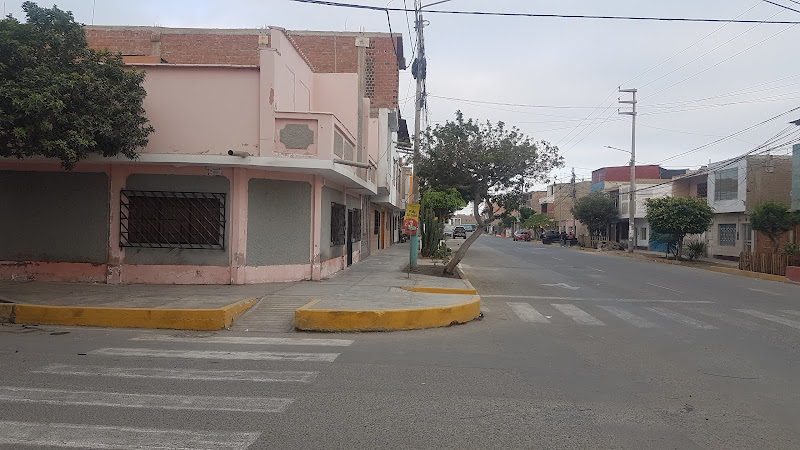
Chancay&Lima
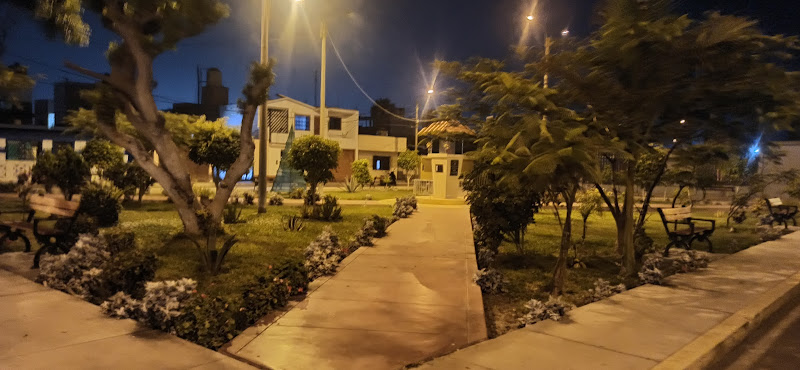
Divino Niño Jesús El Trapecio Park
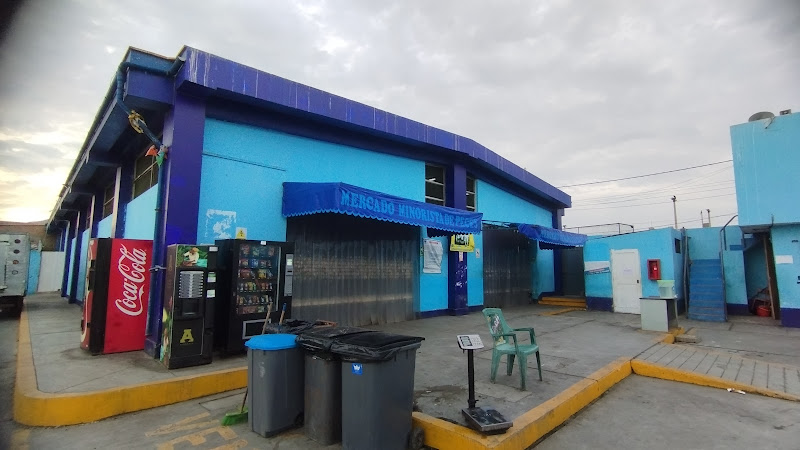
TerminalPesqueroLaCaleta
Find Accommodations Nearby
Recommended Tours & Activities
Visitor Reviews
There are no reviews yet. Be the first one to write one.
Share Your Experience
Have you visited I.E. 88009 Enrique Meiggs? Help other travelers by leaving a review.