
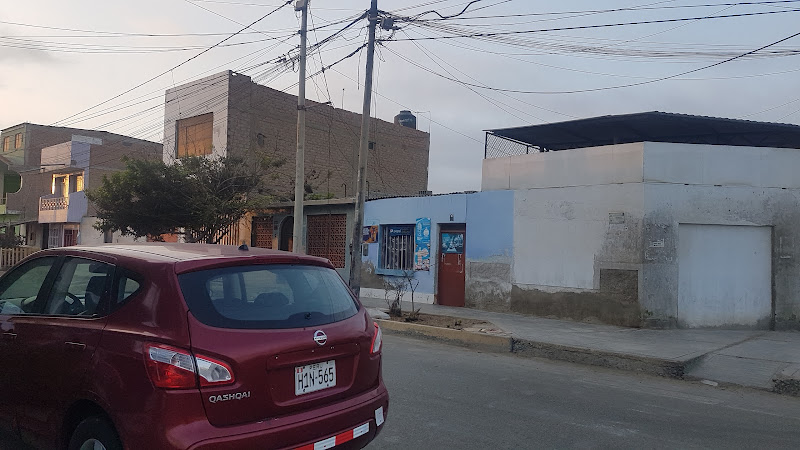
Chancay&Angamos
About Chancay&Angamos
Description
Chancay and Angamos represents one of those intersections in Lima, Peru that travelers often pass through without realizing the cultural crossroads they're experiencing. Located in the Miraflores district, this junction serves as more than just a meeting point of two streets—it's actually become a reference point for visitors exploring one of South America's most dynamic cities. When I first stumbled upon this area during a trip to Lima a few years back, I wasn't expecting much from what seemed like just another city intersection. But you know how sometimes a place surprises you? That's exactly what happened here. The corner of Chancay and Angamos sits in the heart of Miraflores, surrounded by local businesses, cafes, and the everyday rhythm of Limeño life that most guidebooks somehow manage to skip over. The area takes its name from two historically significant references. Angamos Avenue honors the Battle of Angamos, a pivotal naval engagement during the War of the Pacific, while Chancay refers to a coastal town north of Lima known for its archaeological significance. It's this blend of historical memory and modern urban life that makes the intersection feel authentically Peruvian rather than touristy. What makes this spot particularly interesting for travelers is its position as a gateway to exploring Miraflores more deeply. You're within walking distance of Kennedy Park, the clifftop malecón with its Pacific Ocean views, and countless restaurants serving everything from traditional ceviche to international cuisine. And honestly, the real charm isn't in the intersection itself—it's in understanding how locals use it as a reference point, which gives you insight into how Limeños navigate their city.Key Features
The Chancay and Angamos area offers several distinctive characteristics that make it worth noting during your Lima adventures:- Strategic location in Miraflores providing easy access to major attractions throughout the district
- Surrounded by authentic local businesses where you'll find Peruvians going about their daily routines
- Proximity to public transportation options including buses and combis that locals actually use
- Walking distance to Parque Kennedy and the famous cat sanctuary that lives there
- Close to numerous banking facilities and exchange houses for practical travel needs
- Several bakeries and small restaurants offering genuine Peruvian breakfast options
- Nearby pharmacies and convenience stores making it practical for longer stays
- Access to residential streets that showcase typical middle-class Lima architecture
- Well-lit area that remains relatively safe for evening walks compared to other city districts
- Starting point for exploring the malecón coastal walkway system
Best Time to Visit
Here's the thing about Lima that catches many travelers off guard—the city doesn't follow typical tropical weather patterns despite being near the equator. Instead, you'll encounter what locals call "la garúa," a persistent gray mist that blankets the city from May through November. For exploring the Chancay and Angamos area specifically, the ideal time stretches from December through April when Lima actually sees some sunshine. During these summer months, you'll experience temperatures ranging from 75 to 85 degrees Fahrenheit, making walking around Miraflores genuinely pleasant. The neighborhood comes alive during this period, with outdoor cafes filling up and street life becoming more animated. But don't completely write off the winter months either. June through September brings that characteristic gray sky, yet it rarely rains heavily. The temperatures hover around 60 to 68 degrees—perfectly manageable with a light jacket. Actually, I've found some advantages to visiting during this time. Fewer tourists crowd the area, prices drop slightly at hotels, and you get to experience Lima as locals do, under that moody coastal fog that somehow feels appropriate for a city built on pre-Columbian history. Weekday mornings around 8 to 10 AM provide the most authentic experience at this intersection. You'll witness the neighborhood waking up—office workers grabbing coffee, elderly residents doing their morning shopping, and the general hustle that defines Lima's middle-class districts. Weekends feel quieter in the immediate area, though nearby Kennedy Park fills up with families and artisan markets. Avoid visiting during major holidays like Christmas, New Year's, and Fiestas Patrias in late July when many businesses close and locals leave the city. The intersection becomes almost eerily quiet during these periods.How to Get There
Getting to Chancay and Angamos isn't complicated, though Lima's transportation system does require some adaptability from visitors used to more organized public transit. From Jorge Chávez International Airport, you've got several options. The Airport Express bus service runs directly to Miraflores and costs significantly less than taxis while being safer than unlicensed cabs. The ride takes roughly 45 minutes depending on Lima's notorious traffic. Once you reach Miraflores, any taxi driver will know the intersection—just say "Chancay con Angamos" and they'll understand immediately. If you're staying elsewhere in Lima, the Metropolitano bus system offers a clean, efficient option. Take it to the Estación Central and then grab a short taxi ride to the intersection. Lima taxis don't use meters in most cases, so agree on a price before getting in. From most Miraflores hotels, you're honestly better off walking—the district is relatively compact and the exercise helps offset all that amazing Peruvian food. For the more adventurous travelers, the local "combi" minibuses run along both Angamos and nearby parallel streets. These colorful vehicles pack people in tight and drivers sometimes operate like they're training for rally racing, but they're incredibly cheap and give you a genuine local experience. Just be prepared for a wild ride and keep your belongings secure. Walking remains my preferred method for reaching this area when staying in Miraflores. The district's street grid makes navigation straightforward, and you'll discover small details—a particularly good bakery, an interesting shop, a beautiful old building—that you'd miss in a vehicle.Tips for Visiting
After spending considerable time exploring Miraflores and using Chancay and Angamos as my reference point, I've picked up some practical insights that might save you some confusion. First off, use this intersection as locals do—as a navigational anchor. When asking for directions in Miraflores, mentioning "cerca de Chancay y Angamos" (near Chancay and Angamos) helps taxi drivers and residents orient themselves quickly. It's become such a common reference that even people unfamiliar with specific street numbers understand locations relative to this corner. Don't expect major tourist infrastructure right at the intersection itself. You won't find information kiosks or tour operators stationed here. Instead, think of it as your launchpad for authentic neighborhood exploration. The small cafes and restaurants around here serve locals, which means prices stay reasonable and food quality remains high because residents wouldn't tolerate mediocrity. Safety-wise, the area is generally secure during daylight and early evening hours. I've walked through here countless times without issues. However, standard Lima precautions apply—keep expensive cameras concealed when not using them, don't flash large amounts of cash, and stay aware of your surroundings. Miraflores employs private security guards called "serenazgo" who patrol regularly, adding an extra layer of safety. For photographers, the intersection itself won't provide Instagram-worthy shots, but the surrounding streets offer glimpses of daily Lima life that make for compelling documentary-style photography. Early morning light, when it breaks through the coastal fog, creates beautiful atmospheric conditions. If you need practical services, you'll find them concentrated around this area. Several banks with ATMs sit within two blocks, exchange houses offer competitive rates, and pharmacies stock both Peruvian and international brands. This makes the location particularly useful for travelers needing to handle those mundane but necessary travel tasks. One thing I learned the hard way—don't rely solely on Google Maps for walking directions in Lima. The app sometimes suggests routes through areas that look fine on the map but feel uncomfortable on foot. Instead, stick to main streets like Angamos and the perpendicular avenues when walking, especially if you're new to the city. Try the local bakeries early in the morning. Peruvian bread culture deserves more recognition, and the panaderías near Chancay and Angamos serve fresh rolls, empanadas, and pastries that locals grab for breakfast. Pair one with a café con leche from a small cafe and you've got an authentic Limeño breakfast for just a few soles. Finally, use this area as a base for understanding how Lima's address system works before venturing into less tourist-friendly districts. The numbered blocks and avenue names follow logical patterns here, making it easier to grasp before tackling more confusing neighborhoods. And trust me, that knowledge will serve you well as you explore beyond Miraflores into the broader metropolitan area.Key Features
- Strategic location in Miraflores providing easy access to major attractions throughout the district
- Surrounded by authentic local businesses where you'll find Peruvians going about their daily routines
- Proximity to public transportation options including buses and combis that locals actually use
- Walking distance to Parque Kennedy and the famous cat sanctuary that lives there
- Close to numerous banking facilities and exchange houses for practical travel needs
- Several bakeries and small restaurants offering genuine Peruvian breakfast options
- Nearby pharmacies and convenience stores making it practical for longer stays
- Access to residential streets that showcase typical middle-class Lima architecture
More Details
Updated March 30, 2026
Table of Contents
Description
Chancay and Angamos represents one of those intersections in Lima, Peru that travelers often pass through without realizing the cultural crossroads they’re experiencing. Located in the Miraflores district, this junction serves as more than just a meeting point of two streets—it’s actually become a reference point for visitors exploring one of South America’s most dynamic cities.
When I first stumbled upon this area during a trip to Lima a few years back, I wasn’t expecting much from what seemed like just another city intersection. But you know how sometimes a place surprises you? That’s exactly what happened here. The corner of Chancay and Angamos sits in the heart of Miraflores, surrounded by local businesses, cafes, and the everyday rhythm of Limeño life that most guidebooks somehow manage to skip over.
The area takes its name from two historically significant references. Angamos Avenue honors the Battle of Angamos, a pivotal naval engagement during the War of the Pacific, while Chancay refers to a coastal town north of Lima known for its archaeological significance. It’s this blend of historical memory and modern urban life that makes the intersection feel authentically Peruvian rather than touristy.
What makes this spot particularly interesting for travelers is its position as a gateway to exploring Miraflores more deeply. You’re within walking distance of Kennedy Park, the clifftop malecón with its Pacific Ocean views, and countless restaurants serving everything from traditional ceviche to international cuisine. And honestly, the real charm isn’t in the intersection itself—it’s in understanding how locals use it as a reference point, which gives you insight into how Limeños navigate their city.
Key Features
The Chancay and Angamos area offers several distinctive characteristics that make it worth noting during your Lima adventures:
- Strategic location in Miraflores providing easy access to major attractions throughout the district
- Surrounded by authentic local businesses where you’ll find Peruvians going about their daily routines
- Proximity to public transportation options including buses and combis that locals actually use
- Walking distance to Parque Kennedy and the famous cat sanctuary that lives there
- Close to numerous banking facilities and exchange houses for practical travel needs
- Several bakeries and small restaurants offering genuine Peruvian breakfast options
- Nearby pharmacies and convenience stores making it practical for longer stays
- Access to residential streets that showcase typical middle-class Lima architecture
- Well-lit area that remains relatively safe for evening walks compared to other city districts
- Starting point for exploring the malecón coastal walkway system
Best Time to Visit
Here’s the thing about Lima that catches many travelers off guard—the city doesn’t follow typical tropical weather patterns despite being near the equator. Instead, you’ll encounter what locals call “la garúa,” a persistent gray mist that blankets the city from May through November.
For exploring the Chancay and Angamos area specifically, the ideal time stretches from December through April when Lima actually sees some sunshine. During these summer months, you’ll experience temperatures ranging from 75 to 85 degrees Fahrenheit, making walking around Miraflores genuinely pleasant. The neighborhood comes alive during this period, with outdoor cafes filling up and street life becoming more animated.
But don’t completely write off the winter months either. June through September brings that characteristic gray sky, yet it rarely rains heavily. The temperatures hover around 60 to 68 degrees—perfectly manageable with a light jacket. Actually, I’ve found some advantages to visiting during this time. Fewer tourists crowd the area, prices drop slightly at hotels, and you get to experience Lima as locals do, under that moody coastal fog that somehow feels appropriate for a city built on pre-Columbian history.
Weekday mornings around 8 to 10 AM provide the most authentic experience at this intersection. You’ll witness the neighborhood waking up—office workers grabbing coffee, elderly residents doing their morning shopping, and the general hustle that defines Lima’s middle-class districts. Weekends feel quieter in the immediate area, though nearby Kennedy Park fills up with families and artisan markets.
Avoid visiting during major holidays like Christmas, New Year’s, and Fiestas Patrias in late July when many businesses close and locals leave the city. The intersection becomes almost eerily quiet during these periods.
How to Get There
Getting to Chancay and Angamos isn’t complicated, though Lima’s transportation system does require some adaptability from visitors used to more organized public transit.
From Jorge Chávez International Airport, you’ve got several options. The Airport Express bus service runs directly to Miraflores and costs significantly less than taxis while being safer than unlicensed cabs. The ride takes roughly 45 minutes depending on Lima’s notorious traffic. Once you reach Miraflores, any taxi driver will know the intersection—just say “Chancay con Angamos” and they’ll understand immediately.
If you’re staying elsewhere in Lima, the Metropolitano bus system offers a clean, efficient option. Take it to the Estación Central and then grab a short taxi ride to the intersection. Lima taxis don’t use meters in most cases, so agree on a price before getting in. From most Miraflores hotels, you’re honestly better off walking—the district is relatively compact and the exercise helps offset all that amazing Peruvian food.
For the more adventurous travelers, the local “combi” minibuses run along both Angamos and nearby parallel streets. These colorful vehicles pack people in tight and drivers sometimes operate like they’re training for rally racing, but they’re incredibly cheap and give you a genuine local experience. Just be prepared for a wild ride and keep your belongings secure.
Walking remains my preferred method for reaching this area when staying in Miraflores. The district’s street grid makes navigation straightforward, and you’ll discover small details—a particularly good bakery, an interesting shop, a beautiful old building—that you’d miss in a vehicle.
Tips for Visiting
After spending considerable time exploring Miraflores and using Chancay and Angamos as my reference point, I’ve picked up some practical insights that might save you some confusion.
First off, use this intersection as locals do—as a navigational anchor. When asking for directions in Miraflores, mentioning “cerca de Chancay y Angamos” (near Chancay and Angamos) helps taxi drivers and residents orient themselves quickly. It’s become such a common reference that even people unfamiliar with specific street numbers understand locations relative to this corner.
Don’t expect major tourist infrastructure right at the intersection itself. You won’t find information kiosks or tour operators stationed here. Instead, think of it as your launchpad for authentic neighborhood exploration. The small cafes and restaurants around here serve locals, which means prices stay reasonable and food quality remains high because residents wouldn’t tolerate mediocrity.
Safety-wise, the area is generally secure during daylight and early evening hours. I’ve walked through here countless times without issues. However, standard Lima precautions apply—keep expensive cameras concealed when not using them, don’t flash large amounts of cash, and stay aware of your surroundings. Miraflores employs private security guards called “serenazgo” who patrol regularly, adding an extra layer of safety.
For photographers, the intersection itself won’t provide Instagram-worthy shots, but the surrounding streets offer glimpses of daily Lima life that make for compelling documentary-style photography. Early morning light, when it breaks through the coastal fog, creates beautiful atmospheric conditions.
If you need practical services, you’ll find them concentrated around this area. Several banks with ATMs sit within two blocks, exchange houses offer competitive rates, and pharmacies stock both Peruvian and international brands. This makes the location particularly useful for travelers needing to handle those mundane but necessary travel tasks.
One thing I learned the hard way—don’t rely solely on Google Maps for walking directions in Lima. The app sometimes suggests routes through areas that look fine on the map but feel uncomfortable on foot. Instead, stick to main streets like Angamos and the perpendicular avenues when walking, especially if you’re new to the city.
Try the local bakeries early in the morning. Peruvian bread culture deserves more recognition, and the panaderías near Chancay and Angamos serve fresh rolls, empanadas, and pastries that locals grab for breakfast. Pair one with a café con leche from a small cafe and you’ve got an authentic Limeño breakfast for just a few soles.
Finally, use this area as a base for understanding how Lima’s address system works before venturing into less tourist-friendly districts. The numbered blocks and avenue names follow logical patterns here, making it easier to grasp before tackling more confusing neighborhoods. And trust me, that knowledge will serve you well as you explore beyond Miraflores into the broader metropolitan area.
Key Highlights
- Strategic location in Miraflores providing easy access to major attractions throughout the district
- Surrounded by authentic local businesses where you'll find Peruvians going about their daily routines
- Proximity to public transportation options including buses and combis that locals actually use
- Walking distance to Parque Kennedy and the famous cat sanctuary that lives there
- Close to numerous banking facilities and exchange houses for practical travel needs
- Several bakeries and small restaurants offering genuine Peruvian breakfast options
- Nearby pharmacies and convenience stores making it practical for longer stays
- Access to residential streets that showcase typical middle-class Lima architecture
Location
Places to Stay Near Chancay&Angamos
Find and Book a Tour
Explore More Travel Guides
No reviews found! Be the first to review!
Chancay&Angamos is a prominent Attractions located in Chimbote.
Visit us at: Chancay 251, Chimbote 02804, Peru.
Traveler Reviews for Chancay&Angamos
There are no reviews yet. Be the first one to write one.
Have you visited Chancay&Angamos? Help other travelers by sharing your review.
You Might Also Like

Embarque isla blanca
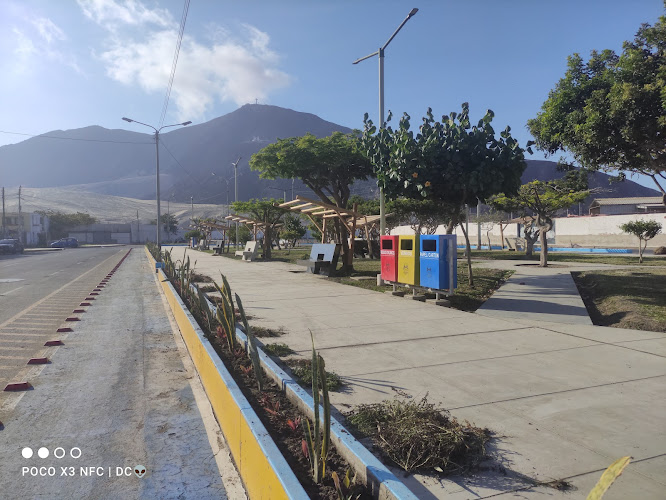
Isla Blanca Boulevard
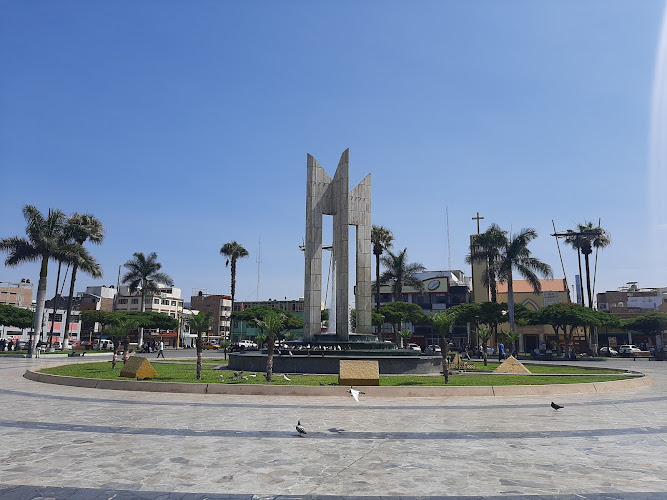
Chimbote Main Square
Find Accommodations Nearby
Recommended Tours & Activities
Visitor Reviews
There are no reviews yet. Be the first one to write one.
Share Your Experience
Have you visited Chancay&Angamos? Help other travelers by leaving a review.