
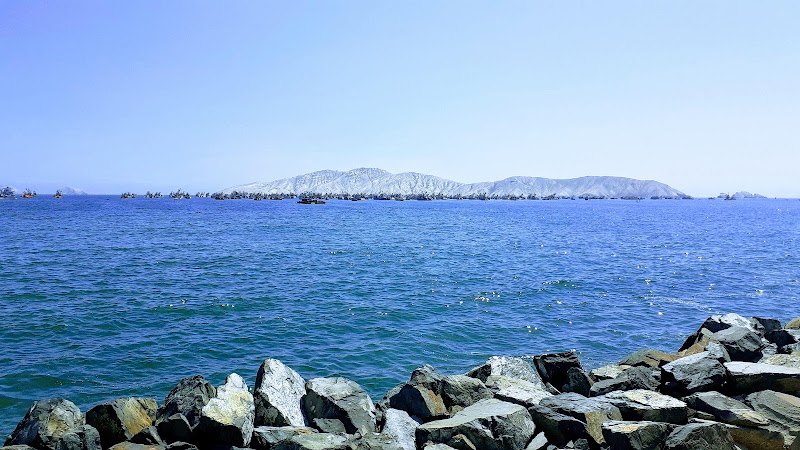
Malecón Grau
About Malecón Grau
Description
Malecón Grau stands as one of Peru's most compelling coastal rock climbing destinations, where the Pacific Ocean crashes against weathered cliffs that have become a playground for climbers seeking both challenge and breathtaking scenery. This climbing area attracts adventurers who aren't satisfied with typical indoor gym walls and want something raw, something real. And honestly, there's nothing quite like the feeling of chalk on your fingers while salt spray mists your face and seabirds circle overhead. The climbing here isn't just about physical achievement—it's about connecting with a landscape that feels almost prehistoric in its ruggedness. I've talked to climbers who've visited multiple continents, and they always mention how unique it is to climb with the ocean right there, this constant companion that reminds you you're perched between two powerful forces of nature. The rock formations along Malecón Grau have been shaped by centuries of coastal weather, creating routes that test your technique in ways that manufactured climbing walls simply cannot replicate. What makes this spot particularly special is how it manages to feel both accessible and wild at the same time. You're not trekking into remote backcountry for days to reach quality routes, yet when you're on the rock face, civilization feels wonderfully distant. The experience here has this authentic quality that seasoned climbers recognize immediately—this is climbing in its purest form, where you work with what nature has provided rather than what someone has engineered.Key Features
The distinctive characteristics of Malecón Grau make it stand out among South America's climbing destinations:- Oceanfront Climbing Walls: Routes positioned directly above the Pacific Ocean offer spectacular views and the unique challenge of climbing with coastal wind conditions that change throughout the day
- Natural Rock Formations: The geological features here developed over millennia, creating varied textures and hold patterns that challenge climbers to adapt their technique constantly
- Multiple Difficulty Levels: The area accommodates everyone from intermediate climbers building confidence to advanced athletes seeking technical challenges that'll push their limits
- Urban Proximity: Unlike many quality climbing spots that require extensive travel, Malecón Grau sits close enough to urban amenities that you can grab proper meals and accommodation without sacrificing the adventure experience
- Year-Round Accessibility: The coastal climate means this isn't a seasonal destination—climbers can visit throughout the year, though conditions vary and certain months prove more favorable than others
- Community Atmosphere: Regular climbers have developed an informal but welcoming scene here, where knowledge gets shared and newcomers receive genuine advice rather than competitive attitudes
- Photography Opportunities: Even if you're not the one climbing, the visual drama of athletes against ocean backdrops creates memorable images that capture the spirit of adventure
- Marine Wildlife Viewing: Between attempts, climbers often spot pelicans, sea lions, and during certain seasons, dolphins passing through the waters below
Best Time to Visit
Timing your visit to Malecón Grau requires balancing several factors, and frankly, there's no single "perfect" window that works for everyone. But here's what you need to know to make an informed decision. The period from April through October generally provides the most consistent climbing conditions. During these months, the coastal weather patterns settle into more predictable rhythms, with less precipitation and steadier wind conditions. The rock stays drier, which matters tremendously when you're trusting your weight to small holds. I remember talking with a local climber who emphasized that May and June particularly offer this sweet spot where temperatures hover in comfortable ranges and morning fog typically burns off by mid-morning. That said, some climbers actually prefer the November through March window despite the increased humidity. The temperatures run slightly warmer, which appeals to those who dislike climbing in cooler conditions. And you'll encounter fewer crowds during these months, meaning popular routes don't have the wait times that can develop during peak season. Wind patterns deserve serious consideration in your planning. Mornings generally bring calmer conditions before afternoon breezes pick up strength. This isn't necessarily problematic for experienced climbers, but if you're still building confidence, those afternoon gusts can feel intimidating when you're twenty feet up a rock face. Starting your climbing sessions early—we're talking 7 or 8 AM—gives you the calmest conditions. The tourist season in the broader region peaks during July and August, which creates something of a paradox. Weather conditions are excellent for climbing, but the area sees more visitors overall. Some climbers love the energy this brings; others find it detracts from the experience. Know yourself and plan accordingly. One aspect that doesn't get discussed enough is how different weather conditions actually create different climbing experiences on the same routes. A route you climbed in dry conditions becomes an entirely new challenge when there's been recent moisture. Some folks make multiple visits throughout the year specifically to experience this variation.How to Get There
Getting to Malecón Grau involves some planning, but it's far more straightforward than reaching many comparable climbing destinations. The area's coastal location means you'll be navigating urban and suburban zones rather than remote wilderness, which simplifies logistics considerably. Most international visitors arrive through Jorge Chávez International Airport, which serves as Peru's primary air hub. From there, you're looking at ground transportation to reach the climbing area. Taxis and ride-sharing services operate reliably, though agreeing on prices beforehand prevents misunderstandings. The drive typically takes between 30 to 45 minutes depending on traffic patterns, and Lima traffic can be unpredictable, so build buffer time into your schedule. Public transportation exists as a budget-friendly alternative, though it requires more patience and comfort with navigating local bus systems. The routes aren't always intuitive for visitors, and carrying climbing gear on crowded buses presents its own challenges. But if you're traveling on a tight budget or enjoy immersing yourself in local transportation culture, it's definitely doable. Many climbers find that staying in nearby neighborhoods and walking or taking short taxi rides to the climbing area works best. This approach lets you establish a temporary base, store your gear securely, and approach your climbing sessions without the stress of long commutes each day. If you're renting a vehicle, parking near the climbing areas requires some local knowledge. There aren't massive formal parking lots like you'd find at developed recreational sites. Instead, you'll park along streets or in informal areas that regulars know about. Arriving earlier in the day typically means better parking options. For those combining Malecón Grau with exploration of other climbing sites in the region, having your own transportation definitely expands your options. Several other climbing areas sit within reasonable driving distance, and the flexibility of a rental car lets you adapt your plans based on weather and conditions.Tips for Visiting
Actually making the most of your time at Malecón Grau requires some insider knowledge that guidebooks don't always cover. Here's what you need to know based on real climbing experience and feedback from the community that regularly uses these routes. Bring more chalk than you think you'll need. The ocean air creates humidity that affects grip, and you'll go through chalk faster than you would at inland climbing areas. Keeping your hands dry becomes crucial, especially on routes with smaller holds where sweat makes a significant difference. Sun protection matters more here than at many climbing destinations. The combination of direct sunlight and reflection off the ocean means you're getting UV exposure from multiple angles. A good hat that stays secure during climbing, quality sunscreen that doesn't make your hands slippery, and sunglasses for belaying all prove essential. I've seen too many climbers end their day early because they underestimated the sun and ended up burnt and exhausted. Water consumption needs to be higher than normal. Between the physical exertion, sun exposure, and wind that dries you out without you noticing, dehydration sneaks up on people. Bring more water than seems reasonable, and actually drink it rather than just carrying it around. Check your gear carefully before each climb. The salt air accelerates wear on metal components like carabiners and camming devices. What looked fine in your garage might show concerning corrosion after a week of coastal climbing. Safety equipment isn't the place to take chances. Connect with local climbers if possible. The informal community here possesses knowledge about route conditions, upcoming weather changes, and which areas work best at different times of day. Most regulars are genuinely helpful to visitors who show respect and genuine interest. Don't be that person who shows up acting like they know everything—approach with humility and you'll learn valuable information. Footwear beyond your climbing shoes deserves thought. The approaches to climbing areas might cross rocky, uneven terrain where sandals or flimsy shoes create ankle injury risks. Decent approach shoes or hiking boots protect your feet and ankles before you even start climbing. Timing your visit around tides can affect your experience, particularly for routes positioned lower on the cliff faces. High tide reduces accessible routes and creates more spray, while low tide opens up options and generally provides calmer conditions. Local tide charts are widely available and worth consulting. Bring layers of clothing even when the forecast looks warm. Coastal weather changes quickly, and what starts as a sunny morning can turn overcast and breezy by afternoon. Having a lightweight jacket or windbreaker means you can continue climbing comfortably rather than shivering through your session or cutting it short. Photography equipment needs protection from salt spray and sand. If you're bringing cameras or phones to document your climbs, have protective cases and be mindful about when and where you expose electronics to the elements. I've heard too many stories of expensive equipment damaged by a single unexpected wave splash. Leave no trace principles apply here just as they would in wilderness areas. The climbing community at Malecón Grau takes pride in maintaining the area, and visitors who leave trash or damage the environment aren't welcome back. Pack out everything you bring in, use established paths, and preserve the natural beauty that makes this destination special. Consider hiring a local guide for your first visit, especially if you're unfamiliar with ocean cliff climbing. The investment pays off through improved safety, better route selection, and local knowledge that enhances your entire experience. Plus, you're supporting the local climbing community and economy. HTML tags preserved throughout for WordPress formatting compatibility.Key Features
- Key Features
- Best Time to Visit
- How to Get There
- Tips for Visiting
More Details
Updated March 30, 2026
Table of Contents
Description
Malecón Grau stands as one of Peru’s most compelling coastal rock climbing destinations, where the Pacific Ocean crashes against weathered cliffs that have become a playground for climbers seeking both challenge and breathtaking scenery. This climbing area attracts adventurers who aren’t satisfied with typical indoor gym walls and want something raw, something real. And honestly, there’s nothing quite like the feeling of chalk on your fingers while salt spray mists your face and seabirds circle overhead.
The climbing here isn’t just about physical achievement—it’s about connecting with a landscape that feels almost prehistoric in its ruggedness. I’ve talked to climbers who’ve visited multiple continents, and they always mention how unique it is to climb with the ocean right there, this constant companion that reminds you you’re perched between two powerful forces of nature. The rock formations along Malecón Grau have been shaped by centuries of coastal weather, creating routes that test your technique in ways that manufactured climbing walls simply cannot replicate.
What makes this spot particularly special is how it manages to feel both accessible and wild at the same time. You’re not trekking into remote backcountry for days to reach quality routes, yet when you’re on the rock face, civilization feels wonderfully distant. The experience here has this authentic quality that seasoned climbers recognize immediately—this is climbing in its purest form, where you work with what nature has provided rather than what someone has engineered.
Key Features
The distinctive characteristics of Malecón Grau make it stand out among South America’s climbing destinations:
- Oceanfront Climbing Walls: Routes positioned directly above the Pacific Ocean offer spectacular views and the unique challenge of climbing with coastal wind conditions that change throughout the day
- Natural Rock Formations: The geological features here developed over millennia, creating varied textures and hold patterns that challenge climbers to adapt their technique constantly
- Multiple Difficulty Levels: The area accommodates everyone from intermediate climbers building confidence to advanced athletes seeking technical challenges that’ll push their limits
- Urban Proximity: Unlike many quality climbing spots that require extensive travel, Malecón Grau sits close enough to urban amenities that you can grab proper meals and accommodation without sacrificing the adventure experience
- Year-Round Accessibility: The coastal climate means this isn’t a seasonal destination—climbers can visit throughout the year, though conditions vary and certain months prove more favorable than others
- Community Atmosphere: Regular climbers have developed an informal but welcoming scene here, where knowledge gets shared and newcomers receive genuine advice rather than competitive attitudes
- Photography Opportunities: Even if you’re not the one climbing, the visual drama of athletes against ocean backdrops creates memorable images that capture the spirit of adventure
- Marine Wildlife Viewing: Between attempts, climbers often spot pelicans, sea lions, and during certain seasons, dolphins passing through the waters below
Best Time to Visit
Timing your visit to Malecón Grau requires balancing several factors, and frankly, there’s no single “perfect” window that works for everyone. But here’s what you need to know to make an informed decision.
The period from April through October generally provides the most consistent climbing conditions. During these months, the coastal weather patterns settle into more predictable rhythms, with less precipitation and steadier wind conditions. The rock stays drier, which matters tremendously when you’re trusting your weight to small holds. I remember talking with a local climber who emphasized that May and June particularly offer this sweet spot where temperatures hover in comfortable ranges and morning fog typically burns off by mid-morning.
That said, some climbers actually prefer the November through March window despite the increased humidity. The temperatures run slightly warmer, which appeals to those who dislike climbing in cooler conditions. And you’ll encounter fewer crowds during these months, meaning popular routes don’t have the wait times that can develop during peak season.
Wind patterns deserve serious consideration in your planning. Mornings generally bring calmer conditions before afternoon breezes pick up strength. This isn’t necessarily problematic for experienced climbers, but if you’re still building confidence, those afternoon gusts can feel intimidating when you’re twenty feet up a rock face. Starting your climbing sessions early—we’re talking 7 or 8 AM—gives you the calmest conditions.
The tourist season in the broader region peaks during July and August, which creates something of a paradox. Weather conditions are excellent for climbing, but the area sees more visitors overall. Some climbers love the energy this brings; others find it detracts from the experience. Know yourself and plan accordingly.
One aspect that doesn’t get discussed enough is how different weather conditions actually create different climbing experiences on the same routes. A route you climbed in dry conditions becomes an entirely new challenge when there’s been recent moisture. Some folks make multiple visits throughout the year specifically to experience this variation.
How to Get There
Getting to Malecón Grau involves some planning, but it’s far more straightforward than reaching many comparable climbing destinations. The area’s coastal location means you’ll be navigating urban and suburban zones rather than remote wilderness, which simplifies logistics considerably.
Most international visitors arrive through Jorge Chávez International Airport, which serves as Peru’s primary air hub. From there, you’re looking at ground transportation to reach the climbing area. Taxis and ride-sharing services operate reliably, though agreeing on prices beforehand prevents misunderstandings. The drive typically takes between 30 to 45 minutes depending on traffic patterns, and Lima traffic can be unpredictable, so build buffer time into your schedule.
Public transportation exists as a budget-friendly alternative, though it requires more patience and comfort with navigating local bus systems. The routes aren’t always intuitive for visitors, and carrying climbing gear on crowded buses presents its own challenges. But if you’re traveling on a tight budget or enjoy immersing yourself in local transportation culture, it’s definitely doable.
Many climbers find that staying in nearby neighborhoods and walking or taking short taxi rides to the climbing area works best. This approach lets you establish a temporary base, store your gear securely, and approach your climbing sessions without the stress of long commutes each day.
If you’re renting a vehicle, parking near the climbing areas requires some local knowledge. There aren’t massive formal parking lots like you’d find at developed recreational sites. Instead, you’ll park along streets or in informal areas that regulars know about. Arriving earlier in the day typically means better parking options.
For those combining Malecón Grau with exploration of other climbing sites in the region, having your own transportation definitely expands your options. Several other climbing areas sit within reasonable driving distance, and the flexibility of a rental car lets you adapt your plans based on weather and conditions.
Tips for Visiting
Actually making the most of your time at Malecón Grau requires some insider knowledge that guidebooks don’t always cover. Here’s what you need to know based on real climbing experience and feedback from the community that regularly uses these routes.
Bring more chalk than you think you’ll need. The ocean air creates humidity that affects grip, and you’ll go through chalk faster than you would at inland climbing areas. Keeping your hands dry becomes crucial, especially on routes with smaller holds where sweat makes a significant difference.
Sun protection matters more here than at many climbing destinations. The combination of direct sunlight and reflection off the ocean means you’re getting UV exposure from multiple angles. A good hat that stays secure during climbing, quality sunscreen that doesn’t make your hands slippery, and sunglasses for belaying all prove essential. I’ve seen too many climbers end their day early because they underestimated the sun and ended up burnt and exhausted.
Water consumption needs to be higher than normal. Between the physical exertion, sun exposure, and wind that dries you out without you noticing, dehydration sneaks up on people. Bring more water than seems reasonable, and actually drink it rather than just carrying it around.
Check your gear carefully before each climb. The salt air accelerates wear on metal components like carabiners and camming devices. What looked fine in your garage might show concerning corrosion after a week of coastal climbing. Safety equipment isn’t the place to take chances.
Connect with local climbers if possible. The informal community here possesses knowledge about route conditions, upcoming weather changes, and which areas work best at different times of day. Most regulars are genuinely helpful to visitors who show respect and genuine interest. Don’t be that person who shows up acting like they know everything—approach with humility and you’ll learn valuable information.
Footwear beyond your climbing shoes deserves thought. The approaches to climbing areas might cross rocky, uneven terrain where sandals or flimsy shoes create ankle injury risks. Decent approach shoes or hiking boots protect your feet and ankles before you even start climbing.
Timing your visit around tides can affect your experience, particularly for routes positioned lower on the cliff faces. High tide reduces accessible routes and creates more spray, while low tide opens up options and generally provides calmer conditions. Local tide charts are widely available and worth consulting.
Bring layers of clothing even when the forecast looks warm. Coastal weather changes quickly, and what starts as a sunny morning can turn overcast and breezy by afternoon. Having a lightweight jacket or windbreaker means you can continue climbing comfortably rather than shivering through your session or cutting it short.
Photography equipment needs protection from salt spray and sand. If you’re bringing cameras or phones to document your climbs, have protective cases and be mindful about when and where you expose electronics to the elements. I’ve heard too many stories of expensive equipment damaged by a single unexpected wave splash.
Leave no trace principles apply here just as they would in wilderness areas. The climbing community at Malecón Grau takes pride in maintaining the area, and visitors who leave trash or damage the environment aren’t welcome back. Pack out everything you bring in, use established paths, and preserve the natural beauty that makes this destination special.
Consider hiring a local guide for your first visit, especially if you’re unfamiliar with ocean cliff climbing. The investment pays off through improved safety, better route selection, and local knowledge that enhances your entire experience. Plus, you’re supporting the local climbing community and economy.
HTML tags preserved throughout for WordPress formatting compatibility.
Key Highlights
- Key Features
- Best Time to Visit
- How to Get There
- Tips for Visiting
Location
Places to Stay Near Malecón Grau
Find and Book a Tour
Explore More Travel Guides
No reviews found! Be the first to review!
Malecón Grau is a prominent Escalada located in Chimbote.
Visit us at: Mal. Grau 441-651, Chimbote 02803, Peru.
Traveler Reviews for Malecón Grau
There are no reviews yet. Be the first one to write one.
Have you visited Malecón Grau? Help other travelers by sharing your review.
You Might Also Like
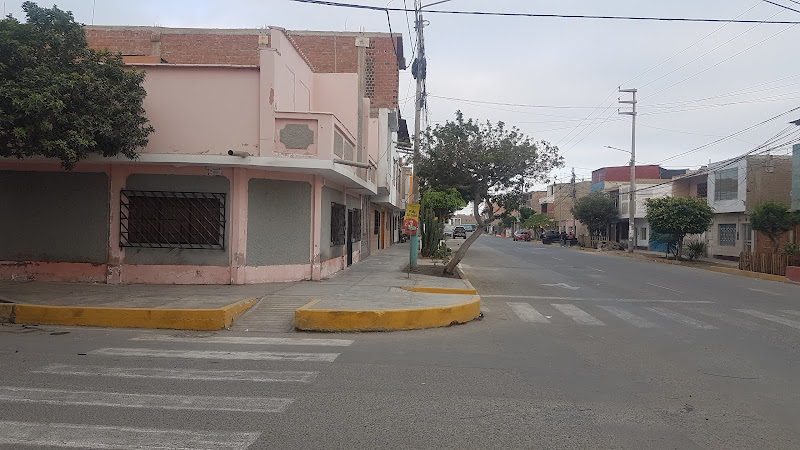
Chancay&Lima
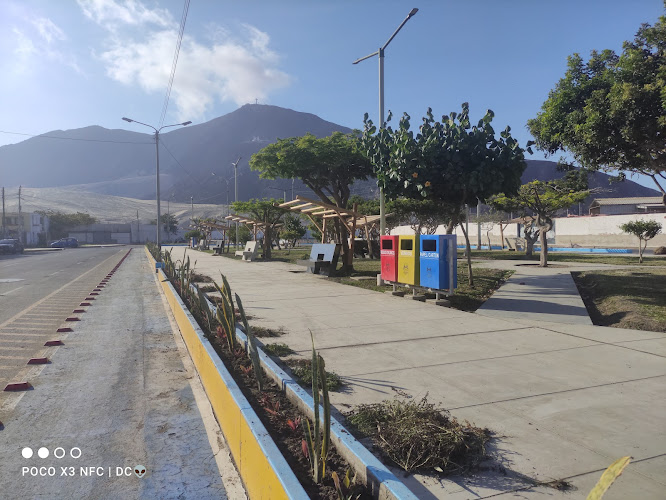
Isla Blanca Boulevard
AA.HH San Miguel
Find Accommodations Nearby
Recommended Tours & Activities
Visitor Reviews
There are no reviews yet. Be the first one to write one.
Share Your Experience
Have you visited Malecón Grau? Help other travelers by leaving a review.