
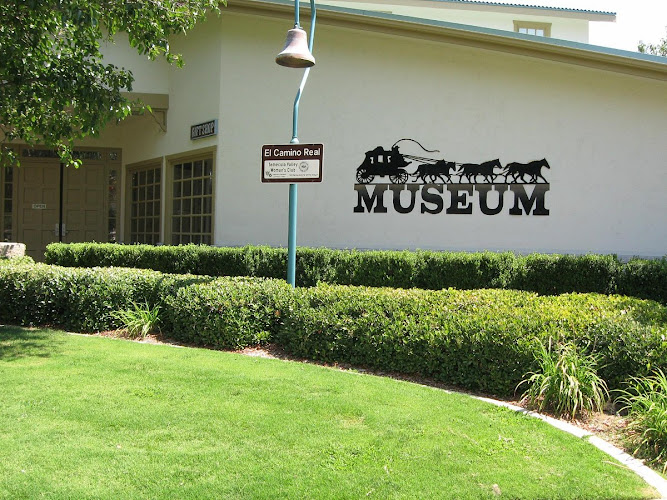
Temecula Valley Museum
About Temecula Valley Museum
Description
The Temecula Valley Museum offers travelers a surprisingly intimate glimpse into Southern California's wine country history that goes far beyond the region's well-known vineyards. This community treasure showcases the cultural heritage of Temecula through thoughtfully curated exhibits that span from the area's indigenous roots to its transformation into the bustling destination it is today. What makes this museum particularly special is its dedication to preserving local stories—the kind you won't find in glossy travel brochures or generic history books. I've always found that smaller regional museums often pack the most authentic punch, and this one doesn't disappoint. The permanent collection dedicated to Erle Stanley Gardner, the prolific author who created Perry Mason, stands as one of the museum's crown jewels. Gardner lived and worked in Temecula, and the exhibit reveals fascinating insights into his creative process and connection to this corner of California. It's one of those unexpected discoveries that makes you appreciate a place on a whole different level. The museum building itself reflects the character of Old Town Temecula, fitting naturally into the historic district while serving as a cultural anchor for visitors who want to understand what shaped this community. Beyond the Gardner exhibit, the collections rotate to highlight different aspects of regional history—from the ranching era to the development of the wine industry, from Native American heritage to the stories of immigrants who built new lives here. The museum manages to present history in a way that feels relevant rather than dusty, which honestly isn't something every institution pulls off successfully.Key Features
The museum provides several distinctive features that enhance the visitor experience: • The permanent Erle Stanley Gardner exhibit showcases original manuscripts, personal items, and rare photographs from the mystery writer's prolific career, offering literary enthusiasts a unique reason to visit beyond the typical historical artifacts • Rotating exhibits focus on specific themes related to Temecula Valley history, ensuring that even repeat visitors encounter fresh perspectives and new stories each time they stop by • A small theater space hosts educational programs and presentations that bring historical narratives to life through multimedia experiences • The onsite gift shop stocks locally-made items, regional history books, and Perry Mason memorabilia that you genuinely won't find anywhere else • Wheelchair accessibility throughout the facility including the entrance, parking areas, and restrooms makes the museum welcoming for all visitors regardless of mobility considerations • Family-friendly displays designed with younger audiences in mind help parents introduce children to history without the glazed-over eyes that sometimes accompany museum visits • Guided tours led by knowledgeable docents provide context and stories that you'd miss if you just wandered through on your own • Free parking on-site eliminates one of those annoying travel planning headaches that can dampen enthusiasm before you even walk through the door • Restroom facilities available for visitor comfort during extended visits • The compact size means you can thoroughly explore the collections without dedicating an entire day, making it perfect for fitting into a broader Temecula itineraryBest Time to Visit
Timing your visit to the Temecula Valley Museum really depends on what kind of experience you're after. The museum operates year-round, but certain seasons offer distinct advantages for travelers looking to combine their cultural exploration with other activities in the region. Spring months from March through May provide perhaps the most comfortable weather for exploring Old Town Temecula on foot, with the museum serving as an air-conditioned refuge if temperatures climb. The mild climate means you can easily walk between the museum and nearby shops, restaurants, and other historic sites without working up too much of a sweat. Plus, spring typically sees fewer tourists than summer, so you'll have more breathing room inside the exhibits. Summer brings families with school-age children, which creates a livelier atmosphere but also means potentially larger crowds. If you're traveling with kids during June through August, this actually works in your favor since they won't feel out of place and the museum staff tends to gear programming toward younger visitors during these months. Just plan to arrive earlier in the day—say around opening time—to beat both the crowds and the heat that can make afternoon parking lot walks less pleasant. Fall, particularly September and October, coincides with harvest season in Temecula's wine country. Many travelers combine vineyard visits with cultural stops, and the museum fits perfectly into this mix. The weather remains cooperative, and you'll notice a shift toward more adult visitors as families return to school routines. I'd argue this is actually one of the better times to visit if you want to appreciate the exhibits at a leisurely pace. Winter sees the lightest foot traffic, which means you might have entire exhibit halls to yourself. But don't let the cooler temperatures deter you—Temecula's winters are mild by most standards, and the museum's indoor nature makes weather almost irrelevant. Holiday periods around Thanksgiving and Christmas sometimes feature special programming, though you'll want to check ahead for specific dates and potential closures. Weekdays generally offer a quieter experience than weekends regardless of season. If your travel schedule allows flexibility, a Tuesday or Wednesday visit often provides the most relaxed atmosphere for absorbing the museum's offerings without competing for viewing space.How to Get There
Reaching the Temecula Valley Museum presents few challenges for travelers already in Southern California, though the journey requires a bit more planning if you're coming from farther afield. By car remains the most practical option for most visitors. The museum sits in Old Town Temecula, accessible via Interstate 15, which runs north-south through the region connecting San Diego and Riverside counties. From the Los Angeles area, you're looking at roughly 90 minutes of driving under normal traffic conditions, though that timeline can stretch considerably during peak commute hours or weekend getaway traffic. San Diego travelers face about an hour's drive heading north. Once you exit I-15 onto Rancho California Road heading west, follow it to Front Street where you'll turn to access the Old Town district. The museum's free parking lot makes arrival straightforward—you won't need to circle blocks looking for street parking or feed meters, which honestly makes it more convenient than many urban museums. For visitors flying into the region, Ontario International Airport sits about 45 minutes north, while San Diego International Airport lies roughly 60 miles south. Both require rental car arrangements since public transportation options to Temecula remain limited. A few shuttle services operate between the airports and Temecula's wine country, though these typically focus on vineyard tours rather than Old Town destinations. You'd need to coordinate with your accommodation or arrange a rideshare for the final leg. Speaking of rideshares, Uber and Lyft operate in Temecula and can transport you to the museum from hotels throughout the valley. This works particularly well if you're staying at one of the nearby wine country resorts and plan to explore Old Town without worrying about parking or driving. Public transportation exists but requires patience and multiple connections. The Riverside Transit Agency provides bus service to Temecula, though routes don't necessarily align with tourist schedules. Unless you're specifically committed to car-free travel or have significant time flexibility, this option proves more complicated than it's worth for most visitors. The museum's location in Old Town means you can easily walk to other historic district attractions once you've parked. In fact, I'd recommend planning your visit as part of a broader Old Town exploration—grab lunch at one of the local restaurants, browse the antique shops, and soak up the preserved historic architecture that gives this area its character.Tips for Visiting
Making the most of your Temecula Valley Museum experience involves a few insider considerations that'll help you avoid common mistakes and maximize your time. First off, don't rush through this place. I know it's tempting to treat smaller museums as quick checkbox stops, but you'll miss the nuances that make this institution worthwhile. Budget at least 90 minutes for a proper visit, longer if you're a history buff or literary fan who wants to really absorb the Gardner materials. The docents often have fascinating stories that don't appear on the placards, so strike up conversations if you see staff members who aren't obviously busy. Bring the kids without hesitation, but come prepared. While the museum caters to families, it doesn't offer the highly interactive, push-button exhibits that some children expect from modern museums. A little advance conversation about what museums are and why we visit them can set appropriate expectations. The upside? This provides an excellent opportunity to teach observation skills and historical thinking without overwhelming sensory stimulation. Photography policies tend to be reasonable here—you can generally take photos for personal use, though flash photography might be restricted in certain areas to protect artifacts. Just ask before you start snapping if you're unsure. The gift shop deserves more than a cursory glance on your way out. It stocks genuinely interesting items related to local history and Erle Stanley Gardner's work, making it worth browsing even if you're not typically a museum gift shop person. I've found unique gifts here that actually mean something rather than generic tourist trinkets. Consider coordinating your visit with one of the museum's special events or temporary exhibits if your travel dates allow. The rotating nature of certain displays means the experience differs throughout the year, and themed programming often provides deeper dives into specific topics. Accessibility features are genuinely functional here, not just boxes checked for compliance. If you or your travel companions have mobility concerns, you can visit confidently knowing the facility has been thoughtfully designed for wheelchair users and others with accessibility needs. Combine your museum visit with other Old Town activities to create a fuller experience of historic Temecula. The district's walkability means you can park once and explore multiple attractions without the hassle of constant car shuffling. Many visitors grab lunch before or after the museum, and the variety of dining options means you're not stuck with tourist trap quality food. Lastly, check the museum's operating hours before you go. Smaller institutions sometimes have irregular schedules, reduced winter hours, or unexpected closures for special events. A quick verification saves the frustration of showing up to locked doors. And honestly? The staff genuinely appreciates visitors who come prepared and enthusiastic about learning. This isn't a place where you'll feel pressured to hurry through or stick to rigid pathways—it's designed for genuine exploration and discovery at whatever pace suits your interests.Key Features
- Permanent exhibits on Temecula Valley history, including Native American and ranching eras
- Rotating special exhibits (e.g., Buffalo Soldiers, local historical figures)
- Educational programs and family-friendly displays
- Small on-site gift shop with local-themed items
- Adjacent park and picnic/playground area for a relaxed visit
More Details
Updated March 30, 2026
Table of Contents
Description
The Temecula Valley Museum offers travelers a surprisingly intimate glimpse into Southern California’s wine country history that goes far beyond the region’s well-known vineyards. This community treasure showcases the cultural heritage of Temecula through thoughtfully curated exhibits that span from the area’s indigenous roots to its transformation into the bustling destination it is today. What makes this museum particularly special is its dedication to preserving local stories—the kind you won’t find in glossy travel brochures or generic history books.
I’ve always found that smaller regional museums often pack the most authentic punch, and this one doesn’t disappoint. The permanent collection dedicated to Erle Stanley Gardner, the prolific author who created Perry Mason, stands as one of the museum’s crown jewels. Gardner lived and worked in Temecula, and the exhibit reveals fascinating insights into his creative process and connection to this corner of California. It’s one of those unexpected discoveries that makes you appreciate a place on a whole different level.
The museum building itself reflects the character of Old Town Temecula, fitting naturally into the historic district while serving as a cultural anchor for visitors who want to understand what shaped this community. Beyond the Gardner exhibit, the collections rotate to highlight different aspects of regional history—from the ranching era to the development of the wine industry, from Native American heritage to the stories of immigrants who built new lives here. The museum manages to present history in a way that feels relevant rather than dusty, which honestly isn’t something every institution pulls off successfully.
Key Features
The museum provides several distinctive features that enhance the visitor experience:
• The permanent Erle Stanley Gardner exhibit showcases original manuscripts, personal items, and rare photographs from the mystery writer’s prolific career, offering literary enthusiasts a unique reason to visit beyond the typical historical artifacts
• Rotating exhibits focus on specific themes related to Temecula Valley history, ensuring that even repeat visitors encounter fresh perspectives and new stories each time they stop by
• A small theater space hosts educational programs and presentations that bring historical narratives to life through multimedia experiences
• The onsite gift shop stocks locally-made items, regional history books, and Perry Mason memorabilia that you genuinely won’t find anywhere else
• Wheelchair accessibility throughout the facility including the entrance, parking areas, and restrooms makes the museum welcoming for all visitors regardless of mobility considerations
• Family-friendly displays designed with younger audiences in mind help parents introduce children to history without the glazed-over eyes that sometimes accompany museum visits
• Guided tours led by knowledgeable docents provide context and stories that you’d miss if you just wandered through on your own
• Free parking on-site eliminates one of those annoying travel planning headaches that can dampen enthusiasm before you even walk through the door
• Restroom facilities available for visitor comfort during extended visits
• The compact size means you can thoroughly explore the collections without dedicating an entire day, making it perfect for fitting into a broader Temecula itinerary
Best Time to Visit
Timing your visit to the Temecula Valley Museum really depends on what kind of experience you’re after. The museum operates year-round, but certain seasons offer distinct advantages for travelers looking to combine their cultural exploration with other activities in the region.
Spring months from March through May provide perhaps the most comfortable weather for exploring Old Town Temecula on foot, with the museum serving as an air-conditioned refuge if temperatures climb. The mild climate means you can easily walk between the museum and nearby shops, restaurants, and other historic sites without working up too much of a sweat. Plus, spring typically sees fewer tourists than summer, so you’ll have more breathing room inside the exhibits.
Summer brings families with school-age children, which creates a livelier atmosphere but also means potentially larger crowds. If you’re traveling with kids during June through August, this actually works in your favor since they won’t feel out of place and the museum staff tends to gear programming toward younger visitors during these months. Just plan to arrive earlier in the day—say around opening time—to beat both the crowds and the heat that can make afternoon parking lot walks less pleasant.
Fall, particularly September and October, coincides with harvest season in Temecula’s wine country. Many travelers combine vineyard visits with cultural stops, and the museum fits perfectly into this mix. The weather remains cooperative, and you’ll notice a shift toward more adult visitors as families return to school routines. I’d argue this is actually one of the better times to visit if you want to appreciate the exhibits at a leisurely pace.
Winter sees the lightest foot traffic, which means you might have entire exhibit halls to yourself. But don’t let the cooler temperatures deter you—Temecula’s winters are mild by most standards, and the museum’s indoor nature makes weather almost irrelevant. Holiday periods around Thanksgiving and Christmas sometimes feature special programming, though you’ll want to check ahead for specific dates and potential closures.
Weekdays generally offer a quieter experience than weekends regardless of season. If your travel schedule allows flexibility, a Tuesday or Wednesday visit often provides the most relaxed atmosphere for absorbing the museum’s offerings without competing for viewing space.
How to Get There
Reaching the Temecula Valley Museum presents few challenges for travelers already in Southern California, though the journey requires a bit more planning if you’re coming from farther afield.
By car remains the most practical option for most visitors. The museum sits in Old Town Temecula, accessible via Interstate 15, which runs north-south through the region connecting San Diego and Riverside counties. From the Los Angeles area, you’re looking at roughly 90 minutes of driving under normal traffic conditions, though that timeline can stretch considerably during peak commute hours or weekend getaway traffic. San Diego travelers face about an hour’s drive heading north.
Once you exit I-15 onto Rancho California Road heading west, follow it to Front Street where you’ll turn to access the Old Town district. The museum’s free parking lot makes arrival straightforward—you won’t need to circle blocks looking for street parking or feed meters, which honestly makes it more convenient than many urban museums.
For visitors flying into the region, Ontario International Airport sits about 45 minutes north, while San Diego International Airport lies roughly 60 miles south. Both require rental car arrangements since public transportation options to Temecula remain limited. A few shuttle services operate between the airports and Temecula’s wine country, though these typically focus on vineyard tours rather than Old Town destinations. You’d need to coordinate with your accommodation or arrange a rideshare for the final leg.
Speaking of rideshares, Uber and Lyft operate in Temecula and can transport you to the museum from hotels throughout the valley. This works particularly well if you’re staying at one of the nearby wine country resorts and plan to explore Old Town without worrying about parking or driving.
Public transportation exists but requires patience and multiple connections. The Riverside Transit Agency provides bus service to Temecula, though routes don’t necessarily align with tourist schedules. Unless you’re specifically committed to car-free travel or have significant time flexibility, this option proves more complicated than it’s worth for most visitors.
The museum’s location in Old Town means you can easily walk to other historic district attractions once you’ve parked. In fact, I’d recommend planning your visit as part of a broader Old Town exploration—grab lunch at one of the local restaurants, browse the antique shops, and soak up the preserved historic architecture that gives this area its character.
Tips for Visiting
Making the most of your Temecula Valley Museum experience involves a few insider considerations that’ll help you avoid common mistakes and maximize your time.
First off, don’t rush through this place. I know it’s tempting to treat smaller museums as quick checkbox stops, but you’ll miss the nuances that make this institution worthwhile. Budget at least 90 minutes for a proper visit, longer if you’re a history buff or literary fan who wants to really absorb the Gardner materials. The docents often have fascinating stories that don’t appear on the placards, so strike up conversations if you see staff members who aren’t obviously busy.
Bring the kids without hesitation, but come prepared. While the museum caters to families, it doesn’t offer the highly interactive, push-button exhibits that some children expect from modern museums. A little advance conversation about what museums are and why we visit them can set appropriate expectations. The upside? This provides an excellent opportunity to teach observation skills and historical thinking without overwhelming sensory stimulation.
Photography policies tend to be reasonable here—you can generally take photos for personal use, though flash photography might be restricted in certain areas to protect artifacts. Just ask before you start snapping if you’re unsure.
The gift shop deserves more than a cursory glance on your way out. It stocks genuinely interesting items related to local history and Erle Stanley Gardner’s work, making it worth browsing even if you’re not typically a museum gift shop person. I’ve found unique gifts here that actually mean something rather than generic tourist trinkets.
Consider coordinating your visit with one of the museum’s special events or temporary exhibits if your travel dates allow. The rotating nature of certain displays means the experience differs throughout the year, and themed programming often provides deeper dives into specific topics.
Accessibility features are genuinely functional here, not just boxes checked for compliance. If you or your travel companions have mobility concerns, you can visit confidently knowing the facility has been thoughtfully designed for wheelchair users and others with accessibility needs.
Combine your museum visit with other Old Town activities to create a fuller experience of historic Temecula. The district’s walkability means you can park once and explore multiple attractions without the hassle of constant car shuffling. Many visitors grab lunch before or after the museum, and the variety of dining options means you’re not stuck with tourist trap quality food.
Lastly, check the museum’s operating hours before you go. Smaller institutions sometimes have irregular schedules, reduced winter hours, or unexpected closures for special events. A quick verification saves the frustration of showing up to locked doors. And honestly? The staff genuinely appreciates visitors who come prepared and enthusiastic about learning. This isn’t a place where you’ll feel pressured to hurry through or stick to rigid pathways—it’s designed for genuine exploration and discovery at whatever pace suits your interests.
Key Highlights
- Permanent exhibits on Temecula Valley history, including Native American and ranching eras
- Rotating special exhibits (e.g., Buffalo Soldiers, local historical figures)
- Educational programs and family-friendly displays
- Small on-site gift shop with local-themed items
- Adjacent park and picnic/playground area for a relaxed visit
Location
Places to Stay Near Temecula Valley Museum
Find and Book a Tour
Explore More Travel Guides
No reviews found! Be the first to review!
Temecula Valley Museum is a prominent museums located in Temecula.
Visit us at: 28314 Mercedes St, Temecula, CA 92590, Estados Unidos.
Traveler Reviews for Temecula Valley Museum
There are no reviews yet. Be the first one to write one.
Have you visited Temecula Valley Museum? Help other travelers by sharing your review.
Nearby Attractions
Find Accommodations Nearby
Recommended Tours & Activities
Visitor Reviews
There are no reviews yet. Be the first one to write one.
Share Your Experience
Have you visited Temecula Valley Museum? Help other travelers by leaving a review.