
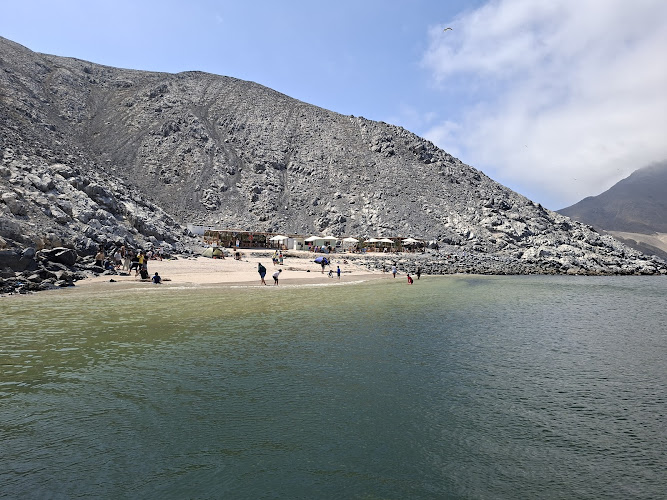
Playa conchuelas
About Playa conchuelas
Description
Playa Conchuelas is one of those beaches that doesn't try too hard to impress you, and maybe that's exactly why it works so well. Located along Costa Rica's Pacific coast, this stretch of sand has managed to maintain a genuine, unpolished character that's becoming harder to find as tourism expands throughout the region. The name "Conchuelas" refers to the small shells that wash up along the shoreline, and trust me, there are plenty of them—more on that later. What strikes most visitors first is how different this beach feels from the heavily developed coastal areas just a short drive away. There aren't rows of beach clubs or aggressive vendors wandering around trying to sell you fruit carved into elaborate shapes. Instead, you get a pretty straightforward beach experience: sand, waves, trees providing natural shade, and the kind of quiet that actually lets you hear yourself think. I remember the first time I visited, I was genuinely surprised at how few people were there on a Saturday afternoon. It felt like stumbling onto something locals had been keeping to themselves. The beach itself runs for a decent length, with darker sand that's typical of volcanic coastal areas. And yes, the water is warm—properly warm, not that "refreshing" coldness that people politely describe when what they really mean is freezing. Families tend to favor Playa Conchuelas because the waves are generally manageable, though you still need to pay attention because the ocean is, well, the ocean. It doesn't take vacations or follow safety guidelines. The surrounding area maintains that laid-back coastal vibe where time seems to move differently. You'll find some basic facilities nearby, but nothing that overwhelms the natural setting. Some visitors mention in their feedback that the beach could use more amenities, which is fair criticism depending on what you're looking for. But for those who appreciate a beach that hasn't been completely sanitized for tourist consumption, that perceived lack becomes part of the appeal.Key Features
- Calm waters that make swimming accessible for families with young children, though supervision remains essential
- Natural shade provided by trees along portions of the beach—bring a blanket and claim your spot early during peak times
- Shell collecting opportunities that'll keep kids (and honestly, adults too) entertained for hours
- Less crowded than neighboring beaches, especially during weekdays
- Dark volcanic sand that heats up quickly, so sandals or beach shoes are genuinely useful here
- Tide pools that form during low tide, creating natural exploration zones for curious kids
- Local wildlife sightings including various bird species and the occasional iguana doing its best dinosaur impression
- Sunset viewing opportunities that don't require fighting for position among hundreds of other photographers
- Relatively shallow entry into the water, though this varies depending on tides and recent weather
Best Time to Visit
The dry season between December and April gives you the most predictable weather, which is when most international visitors plan their trips. And look, there's nothing wrong with that approach—sunny skies and minimal rain definitely have their advantages. But you're also sharing the beach with everyone else who had the same brilliant idea to visit during high season. I've actually found that the shoulder months of November and early May offer a sweet spot worth considering. You might catch an afternoon shower, sure, but the crowds thin out considerably, and the landscape is greener after the rainy season. Plus, accommodation prices tend to drop once the peak tourist rush subsides, which means more money for that fresh ceviche you've been eyeing. The rainy season from May through November gets a bad reputation, but it's not like it rains constantly. Mornings are often beautiful, with rain typically arriving in the afternoon. If you're an early riser who doesn't mind planning activities around weather patterns, you can have an excellent experience during these months. Just be aware that some local businesses reduce their hours or close entirely during the slowest periods. Weekdays consistently offer a better experience than weekends regardless of season. Local families understandably flock to the beach on Saturdays and Sundays, which is wonderful for the community but less ideal if you were hoping for a quiet stretch of sand. Arriving early—I mean genuinely early, like before 9 AM—gives you first pick of shaded spots before the midday heat makes the dark sand uncomfortably hot. Temperature-wise, you're looking at warm to hot year-round, because that's just how coastal Costa Rica operates. The ocean temperature stays pleasant throughout the year, though some people find it warmest toward the end of dry season.How to Get There
Getting to Playa Conchuelas requires a bit of planning, but it's not one of those adventures where you need a 4x4 and a prayer. Most visitors arrive via rental car, which remains the most flexible option for exploring the area. From San José, you're looking at roughly a 3 to 4 hour drive depending on traffic and how many times you stop for bathroom breaks and roadside fruit stands (the pineapple is ridiculously good, just saying). If you're coming from Liberia, the drive is considerably shorter—usually around 90 minutes. The roads are generally in decent condition, though Costa Rican driving culture takes some getting used to if you're not familiar with it. People will pass in places that seem inadvisable, and livestock occasionally decides the road is the perfect place for an afternoon siesta. Public transportation to the area exists but requires more patience and flexibility. Buses run to nearby towns, and from there you can catch a local bus or arrange a taxi to the beach. This approach definitely works if you're budget-conscious and don't mind adding some extra time to your journey. Just be aware that bus schedules can be... optimistic. What's listed as arriving at 2 PM might show up at 2:30 PM, or it might not. Some visitors arrange transportation through their accommodation, which removes the navigation stress but adds to the cost. If you're staying at a hotel or vacation rental in the region, ask about shuttle services or transportation recommendations—they usually have reliable contacts. Once you're in the general area, finding Playa Conchuelas is straightforward enough. Signage could be better (couldn't it always?), but locals are generally happy to point you in the right direction if you ask. Parking is informal—you'll find areas where other cars have parked, and you do the same. This isn't a beach with a formal parking lot and attendant collecting fees.Tips for Visiting
Bring more water than you think you'll need, especially if you're visiting with kids. The combination of sun, heat, and that dark sand creates serious thirst, and staying hydrated isn't optional—it's mandatory. There aren't vendors constantly walking by with cold drinks like at more developed beaches. Pack your own food and snacks for the same reason. You might find someone selling coconuts or basic refreshments, but you can't count on it. I learned this the hard way during my second visit when I arrived around noon assuming I'd find lunch options and ended up sharing my kids' goldfish crackers for sustenance. Sunscreen application needs to be aggressive and frequent. That equatorial sun doesn't mess around, and the ocean breeze can trick you into thinking you're not burning until it's way too late. reef-safe sunscreen is the responsible choice for both your skin and the marine environment. Those shells that give the beach its name? They're genuinely everywhere, which is wonderful for collecting but less wonderful if you're walking barefoot. Water shoes or sturdy sandals make the experience much more comfortable, especially for kids who want to explore the tide pools without constantly yelping about sharp shells. Speaking of tide pools—they're fantastic, but watch the actual tide schedule. These pools are most accessible and interesting during low tide, and checking a tide chart before your visit helps you time things right. Getting trapped by rising tide while exploring rocky areas is the kind of adventure nobody wants. Shade is limited to the tree-lined areas, so arriving early to claim a good spot makes a real difference in your comfort level. Or bring your own beach umbrella or tent if you have one. By midday, everyone's fighting for those shaded patches. The beach doesn't have formal lifeguards, so swimming supervision falls entirely on you. Even though the waves are generally moderate, respect the ocean and keep close watch on inexperienced swimmers and children. Leave no trace principles apply here more than ever. There aren't trash cans everywhere, so pack out whatever you pack in. The beach's relatively pristine condition depends on visitors actually taking responsibility for their garbage. If you're hoping to see wildlife, early morning or late afternoon visits increase your chances significantly. Birds are most active during these cooler periods, and you're more likely to spot iguanas before the beach fills with people. Finally, bring cash for any small purchases or tips. This isn't the kind of place where everyone takes credit cards, and the nearest ATM might be further than you'd expect. Better to have local currency in your pocket than to discover you need it when none is available.Key Features
- Calm waters that make swimming accessible for families with young children, though supervision remains essential
- Natural shade provided by trees along portions of the beach—bring a blanket and claim your spot early during peak times
- Shell collecting opportunities that'll keep kids (and honestly, adults too) entertained for hours
- Less crowded than neighboring beaches, especially during weekdays
- Dark volcanic sand that heats up quickly, so sandals or beach shoes are genuinely useful here
- Tide pools that form during low tide, creating natural exploration zones for curious kids
- Local wildlife sightings including various bird species and the occasional iguana doing its best dinosaur impression
- Sunset viewing opportunities that don't require fighting for position among hundreds of other photographers
More Details
Updated March 30, 2026
Table of Contents
Description
Playa Conchuelas is one of those beaches that doesn’t try too hard to impress you, and maybe that’s exactly why it works so well. Located along Costa Rica’s Pacific coast, this stretch of sand has managed to maintain a genuine, unpolished character that’s becoming harder to find as tourism expands throughout the region. The name “Conchuelas” refers to the small shells that wash up along the shoreline, and trust me, there are plenty of them—more on that later.
What strikes most visitors first is how different this beach feels from the heavily developed coastal areas just a short drive away. There aren’t rows of beach clubs or aggressive vendors wandering around trying to sell you fruit carved into elaborate shapes. Instead, you get a pretty straightforward beach experience: sand, waves, trees providing natural shade, and the kind of quiet that actually lets you hear yourself think. I remember the first time I visited, I was genuinely surprised at how few people were there on a Saturday afternoon. It felt like stumbling onto something locals had been keeping to themselves.
The beach itself runs for a decent length, with darker sand that’s typical of volcanic coastal areas. And yes, the water is warm—properly warm, not that “refreshing” coldness that people politely describe when what they really mean is freezing. Families tend to favor Playa Conchuelas because the waves are generally manageable, though you still need to pay attention because the ocean is, well, the ocean. It doesn’t take vacations or follow safety guidelines.
The surrounding area maintains that laid-back coastal vibe where time seems to move differently. You’ll find some basic facilities nearby, but nothing that overwhelms the natural setting. Some visitors mention in their feedback that the beach could use more amenities, which is fair criticism depending on what you’re looking for. But for those who appreciate a beach that hasn’t been completely sanitized for tourist consumption, that perceived lack becomes part of the appeal.
Key Features
- Calm waters that make swimming accessible for families with young children, though supervision remains essential
- Natural shade provided by trees along portions of the beach—bring a blanket and claim your spot early during peak times
- Shell collecting opportunities that’ll keep kids (and honestly, adults too) entertained for hours
- Less crowded than neighboring beaches, especially during weekdays
- Dark volcanic sand that heats up quickly, so sandals or beach shoes are genuinely useful here
- Tide pools that form during low tide, creating natural exploration zones for curious kids
- Local wildlife sightings including various bird species and the occasional iguana doing its best dinosaur impression
- Sunset viewing opportunities that don’t require fighting for position among hundreds of other photographers
- Relatively shallow entry into the water, though this varies depending on tides and recent weather
Best Time to Visit
The dry season between December and April gives you the most predictable weather, which is when most international visitors plan their trips. And look, there’s nothing wrong with that approach—sunny skies and minimal rain definitely have their advantages. But you’re also sharing the beach with everyone else who had the same brilliant idea to visit during high season.
I’ve actually found that the shoulder months of November and early May offer a sweet spot worth considering. You might catch an afternoon shower, sure, but the crowds thin out considerably, and the landscape is greener after the rainy season. Plus, accommodation prices tend to drop once the peak tourist rush subsides, which means more money for that fresh ceviche you’ve been eyeing.
The rainy season from May through November gets a bad reputation, but it’s not like it rains constantly. Mornings are often beautiful, with rain typically arriving in the afternoon. If you’re an early riser who doesn’t mind planning activities around weather patterns, you can have an excellent experience during these months. Just be aware that some local businesses reduce their hours or close entirely during the slowest periods.
Weekdays consistently offer a better experience than weekends regardless of season. Local families understandably flock to the beach on Saturdays and Sundays, which is wonderful for the community but less ideal if you were hoping for a quiet stretch of sand. Arriving early—I mean genuinely early, like before 9 AM—gives you first pick of shaded spots before the midday heat makes the dark sand uncomfortably hot.
Temperature-wise, you’re looking at warm to hot year-round, because that’s just how coastal Costa Rica operates. The ocean temperature stays pleasant throughout the year, though some people find it warmest toward the end of dry season.
How to Get There
Getting to Playa Conchuelas requires a bit of planning, but it’s not one of those adventures where you need a 4×4 and a prayer. Most visitors arrive via rental car, which remains the most flexible option for exploring the area. From San José, you’re looking at roughly a 3 to 4 hour drive depending on traffic and how many times you stop for bathroom breaks and roadside fruit stands (the pineapple is ridiculously good, just saying).
If you’re coming from Liberia, the drive is considerably shorter—usually around 90 minutes. The roads are generally in decent condition, though Costa Rican driving culture takes some getting used to if you’re not familiar with it. People will pass in places that seem inadvisable, and livestock occasionally decides the road is the perfect place for an afternoon siesta.
Public transportation to the area exists but requires more patience and flexibility. Buses run to nearby towns, and from there you can catch a local bus or arrange a taxi to the beach. This approach definitely works if you’re budget-conscious and don’t mind adding some extra time to your journey. Just be aware that bus schedules can be… optimistic. What’s listed as arriving at 2 PM might show up at 2:30 PM, or it might not.
Some visitors arrange transportation through their accommodation, which removes the navigation stress but adds to the cost. If you’re staying at a hotel or vacation rental in the region, ask about shuttle services or transportation recommendations—they usually have reliable contacts.
Once you’re in the general area, finding Playa Conchuelas is straightforward enough. Signage could be better (couldn’t it always?), but locals are generally happy to point you in the right direction if you ask. Parking is informal—you’ll find areas where other cars have parked, and you do the same. This isn’t a beach with a formal parking lot and attendant collecting fees.
Tips for Visiting
Bring more water than you think you’ll need, especially if you’re visiting with kids. The combination of sun, heat, and that dark sand creates serious thirst, and staying hydrated isn’t optional—it’s mandatory. There aren’t vendors constantly walking by with cold drinks like at more developed beaches.
Pack your own food and snacks for the same reason. You might find someone selling coconuts or basic refreshments, but you can’t count on it. I learned this the hard way during my second visit when I arrived around noon assuming I’d find lunch options and ended up sharing my kids’ goldfish crackers for sustenance.
Sunscreen application needs to be aggressive and frequent. That equatorial sun doesn’t mess around, and the ocean breeze can trick you into thinking you’re not burning until it’s way too late. reef-safe sunscreen is the responsible choice for both your skin and the marine environment.
Those shells that give the beach its name? They’re genuinely everywhere, which is wonderful for collecting but less wonderful if you’re walking barefoot. Water shoes or sturdy sandals make the experience much more comfortable, especially for kids who want to explore the tide pools without constantly yelping about sharp shells.
Speaking of tide pools—they’re fantastic, but watch the actual tide schedule. These pools are most accessible and interesting during low tide, and checking a tide chart before your visit helps you time things right. Getting trapped by rising tide while exploring rocky areas is the kind of adventure nobody wants.
Shade is limited to the tree-lined areas, so arriving early to claim a good spot makes a real difference in your comfort level. Or bring your own beach umbrella or tent if you have one. By midday, everyone’s fighting for those shaded patches.
The beach doesn’t have formal lifeguards, so swimming supervision falls entirely on you. Even though the waves are generally moderate, respect the ocean and keep close watch on inexperienced swimmers and children.
Leave no trace principles apply here more than ever. There aren’t trash cans everywhere, so pack out whatever you pack in. The beach’s relatively pristine condition depends on visitors actually taking responsibility for their garbage.
If you’re hoping to see wildlife, early morning or late afternoon visits increase your chances significantly. Birds are most active during these cooler periods, and you’re more likely to spot iguanas before the beach fills with people.
Finally, bring cash for any small purchases or tips. This isn’t the kind of place where everyone takes credit cards, and the nearest ATM might be further than you’d expect. Better to have local currency in your pocket than to discover you need it when none is available.
Key Highlights
- Calm waters that make swimming accessible for families with young children, though supervision remains essential
- Natural shade provided by trees along portions of the beach—bring a blanket and claim your spot early during peak times
- Shell collecting opportunities that'll keep kids (and honestly, adults too) entertained for hours
- Less crowded than neighboring beaches, especially during weekdays
- Dark volcanic sand that heats up quickly, so sandals or beach shoes are genuinely useful here
- Tide pools that form during low tide, creating natural exploration zones for curious kids
- Local wildlife sightings including various bird species and the occasional iguana doing its best dinosaur impression
- Sunset viewing opportunities that don't require fighting for position among hundreds of other photographers
Location
Places to Stay Near Playa conchuelas
Find and Book a Tour
Explore More Travel Guides
No reviews found! Be the first to review!
Playa conchuelas is a prominent attractions located in Chimbote.
Visit us at: W97J+38, Chimbote, ペルー.
Traveler Reviews for Playa conchuelas
There are no reviews yet. Be the first one to write one.
Have you visited Playa conchuelas? Help other travelers by sharing your review.
You Might Also Like
Tree Nursery
AA.HH San Miguel
Embarque isla blanca
Find Accommodations Nearby
Recommended Tours & Activities
Visitor Reviews
There are no reviews yet. Be the first one to write one.
Share Your Experience
Have you visited Playa conchuelas? Help other travelers by leaving a review.