
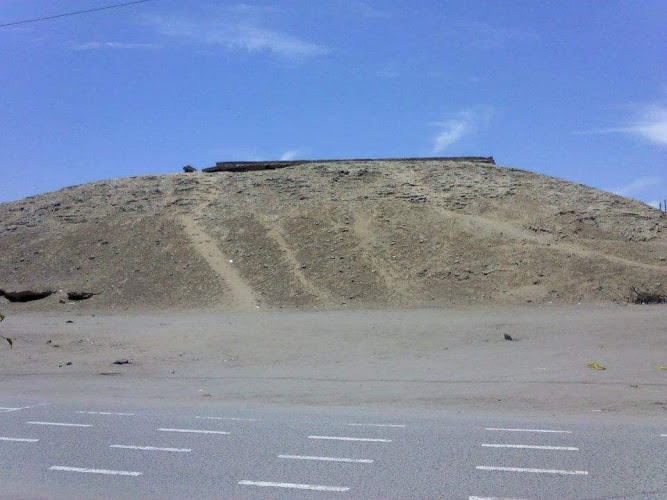
Huaca San Pedro
About Huaca San Pedro
Description
Huaca San Pedro stands as one of those archaeological treasures that doesn't always make it onto the glossy travel brochures, but honestly, that's part of what makes it special. This pre-Columbian pyramid structure offers travelers a genuine glimpse into Peru's ancient coastal civilizations, away from the overwhelming crowds you'll find at more famous sites. The huaca itself is a ceremonial mound built by the Moche or Chimú cultures—there's still some scholarly debate about exact origins, which I find kind of exciting because it means there's still mystery here. Walking around this heritage building, you'll notice how it rises from the surrounding urban landscape in a way that feels almost defiant. Modern Lima has grown up around it, and yet here it stands, a testament to sophisticated engineering and religious practices from over a thousand years ago. The adobe construction has weathered centuries of coastal weather, earthquakes, and unfortunately, some neglect, but recent conservation efforts have been working to preserve what remains. I've always thought that smaller archaeological sites like Huaca San Pedro give you something the bigger tourist attractions can't—intimacy with history. You're not jostling with tour groups or trying to get that perfect Instagram shot while fifty other people do the same thing. Instead, you get to actually contemplate what life might have been like for the people who built this impressive structure, who climbed its steps for ceremonies, who considered it sacred ground. The site does show its age and the challenges of preservation in an urban environment. But that's part of the authentic experience, really. This isn't a polished museum recreation—it's the real deal, rough edges and all.Key Features
The Huaca San Pedro offers several distinctive elements that make it worth adding to your itinerary:- Ancient Adobe Architecture: The pyramid structure showcases traditional adobe brick construction techniques that have survived centuries. You can actually see the individual bricks in many areas, which gives you appreciation for the massive labor involved in building something like this without modern equipment.
- Urban Archaeological Context: Unlike remote ruins, this site sits within a metropolitan area, creating a fascinating juxtaposition between ancient and modern Peru. It's a bit surreal, honestly, seeing thousand-year-old architecture surrounded by contemporary buildings and city life.
- Pre-Columbian Religious Significance: The huaca served as a ceremonial center, and understanding this context helps you appreciate why these structures were built with such care and positioned so deliberately within the landscape.
- Ongoing Conservation Work: Depending on when you visit, you might see archaeologists and conservators actively working on the site. I find this incredibly fascinating—watching professionals carefully preserve history is like witnessing history in reverse.
- Accessible Cultural Education: Information panels around the site (though sometimes needing updates) provide context about the cultures that built and used this structure. It's good for kids too, as the site helps make ancient history tangible rather than just something in textbooks.
- Photography Opportunities: The contrast between ancient stonework and modern surroundings creates unique compositional possibilities for photography enthusiasts. The textures of weathered adobe against blue sky are particularly striking.
- Local Neighborhood Character: The surrounding area gives you a peek into everyday Lima life that you won't get in tourist-heavy districts. Small shops, local residents going about their day—it's real and unfiltered.
Best Time to Visit
Timing your visit to Huaca San Pedro requires thinking about both weather patterns and practical considerations. Lima's coastal climate is unique—it doesn't really rain much, but you'll deal with something called "garúa," which is basically a persistent mist or drizzle that settles over the city during winter months from June through September. It's not going to soak you, but it creates gray, overcast conditions that aren't ideal for exploring outdoor archaeological sites. The summer months from December through March offer the best weather conditions. You'll get actual sunshine, warmer temperatures, and clearer skies that make the adobe structures look more impressive against blue backgrounds. But here's the thing—summer also means more people are out and about generally, though this site still doesn't get overwhelmingly crowded like Machu Picchu or even Huaca Pucllana. I'd personally recommend visiting during the shoulder seasons of April-May or October-November. You get decent weather without the peak summer heat, and the coastal temperatures stay moderate year-round anyway. Lima doesn't experience extreme temperature swings, so you're looking at comfortable conditions most of the year. As for time of day, mornings are generally better. The light is softer for photographs, temperatures are cooler if you're visiting in summer, and you'll have more energy to explore and appreciate what you're seeing. Afternoons can work too, but the afternoon sun can be harsh, and if you're planning to visit other sites the same day, you might be getting tired by then. Weekdays tend to be quieter than weekends, which matters more at this site than you might think. Since it's not usually packed anyway, a weekday visit might mean you have significant portions of the site to yourself—an increasingly rare experience when it comes to archaeological tourism.How to Get There
Getting to Huaca San Pedro requires a bit of navigation, but it's definitely doable and part of the adventure of exploring Lima beyond the typical tourist zones. The site isn't located in the most central tourist areas, which means you'll need to plan your transportation thoughtfully. Taxis and ride-sharing apps like Uber or Beat work well for getting to Huaca San Pedro. The drivers generally know where it is, though having the name written down or showing them on a map doesn't hurt. Ride-sharing apps are reasonably priced in Lima and take the stress out of negotiating fares or worrying about getting overcharged—something that can happen with unofficial taxis. If you're feeling adventurous and want to experience Lima like locals do, the public bus system can get you there, though I'll be honest—Lima's bus system can be intimidating for first-time visitors. The routes aren't always clearly marked, buses don't always stop at designated spots, and you need to know where you're going. But if you're comfortable with a bit of chaos and asking locals for help (most Limeños are genuinely helpful if you ask politely), it's incredibly cheap and gives you real insight into daily life. The Metropolitano, Lima's Bus Rapid Transit system, doesn't go directly to the site, but you can get relatively close and then take a short taxi ride or walk, depending on which station you use. This hybrid approach gives you the efficiency of the BRT system with the convenience of door-to-door service for the last bit. Walking from major tourist areas isn't really practical—the distances are too great and you'd be walking through varied neighborhoods where a tourist on foot might stand out more than you'd want. Parking is available in the surrounding area if you've rented a car, though be aware that accessibility features for parking are limited. The entrance itself isn't wheelchair accessible, which is disappointing but reflects the challenges of adapting ancient structures for modern accessibility standards.Tips for Visiting
Bring water and sun protection even if it looks overcast. Lima's sun can be deceptive, especially with the coastal humidity, and you'll be doing outdoor walking with limited shade. A hat and sunscreen should be in your bag. Wear comfortable, closed-toe shoes. You're exploring an archaeological site with uneven surfaces, ancient steps, and areas where the ground isn't perfectly maintained. Those cute sandals can stay at the hotel—you want something with good grip and ankle support. Don't expect extensive facilities. This isn't a developed tourist complex with cafes and gift shops. Bathrooms might be basic or limited, so plan accordingly. Visit the restroom before you come, and don't count on buying snacks on-site. Bring some cash in small bills. If there's an entrance fee (policies can change), it'll likely be modest and cash-only. Also, if you're taking public transportation or buying water from a nearby shop, small bills make life easier. Consider hiring a local guide if you're really interested in the history. While there's some information on-site, a knowledgeable guide can bring the place to life with stories and historical context that you'd otherwise miss. And supporting local guides supports the community around these heritage sites. Photography is generally allowed, but be respectful. Don't climb on restricted areas just to get a shot, don't touch the ancient adobe (the oils from your hands can damage it over time), and be mindful if there's active conservation work happening. Learn a few basic Spanish phrases if you don't speak the language. While some guides might speak English, many locals around the site won't, and making the effort to communicate in Spanish, even poorly, is appreciated and makes interactions smoother. Manage your expectations about the site's condition. This isn't a perfectly restored showpiece—it's an ancient structure that's survived through time with varying degrees of preservation. Some visitors expecting pristine ruins might feel disappointed, but those who appreciate authenticity will find it fascinating exactly as it is. Visit during daylight hours for safety and because the site likely won't be lit for evening visits. The surrounding neighborhood is generally fine during the day, but like anywhere in a big city, you want to be aware of your surroundings. Combine your visit with other nearby attractions to make the trip more worthwhile. Research what else is in the area—maybe a local market, other smaller archaeological sites, or neighborhood restaurants where you can try authentic Peruvian food away from tourist prices. Be patient and flexible. Heritage sites like this sometimes close unexpectedly for conservation work or have limited hours. If possible, confirm it's open before making the trip, or have backup plans if you arrive and can't enter.Key Features
- Pre-Columbian Moche (Mochica) adobe pyramid and ceremonial complex
- Only huaca located within the city limits of Chimbote
- Visible adobe walls and platform structures with signs of ancient funerary use
- Urban archaeological context showing interactions between modern city and ancient site
- Ongoing local conservation and community outreach activities
More Details
Updated March 30, 2026
Table of Contents
Description
Huaca San Pedro stands as one of those archaeological treasures that doesn’t always make it onto the glossy travel brochures, but honestly, that’s part of what makes it special. This pre-Columbian pyramid structure offers travelers a genuine glimpse into Peru’s ancient coastal civilizations, away from the overwhelming crowds you’ll find at more famous sites. The huaca itself is a ceremonial mound built by the Moche or Chimú cultures—there’s still some scholarly debate about exact origins, which I find kind of exciting because it means there’s still mystery here.
Walking around this heritage building, you’ll notice how it rises from the surrounding urban landscape in a way that feels almost defiant. Modern Lima has grown up around it, and yet here it stands, a testament to sophisticated engineering and religious practices from over a thousand years ago. The adobe construction has weathered centuries of coastal weather, earthquakes, and unfortunately, some neglect, but recent conservation efforts have been working to preserve what remains.
I’ve always thought that smaller archaeological sites like Huaca San Pedro give you something the bigger tourist attractions can’t—intimacy with history. You’re not jostling with tour groups or trying to get that perfect Instagram shot while fifty other people do the same thing. Instead, you get to actually contemplate what life might have been like for the people who built this impressive structure, who climbed its steps for ceremonies, who considered it sacred ground.
The site does show its age and the challenges of preservation in an urban environment. But that’s part of the authentic experience, really. This isn’t a polished museum recreation—it’s the real deal, rough edges and all.
Key Features
The Huaca San Pedro offers several distinctive elements that make it worth adding to your itinerary:
- Ancient Adobe Architecture: The pyramid structure showcases traditional adobe brick construction techniques that have survived centuries. You can actually see the individual bricks in many areas, which gives you appreciation for the massive labor involved in building something like this without modern equipment.
- Urban Archaeological Context: Unlike remote ruins, this site sits within a metropolitan area, creating a fascinating juxtaposition between ancient and modern Peru. It’s a bit surreal, honestly, seeing thousand-year-old architecture surrounded by contemporary buildings and city life.
- Pre-Columbian Religious Significance: The huaca served as a ceremonial center, and understanding this context helps you appreciate why these structures were built with such care and positioned so deliberately within the landscape.
- Ongoing Conservation Work: Depending on when you visit, you might see archaeologists and conservators actively working on the site. I find this incredibly fascinating—watching professionals carefully preserve history is like witnessing history in reverse.
- Accessible Cultural Education: Information panels around the site (though sometimes needing updates) provide context about the cultures that built and used this structure. It’s good for kids too, as the site helps make ancient history tangible rather than just something in textbooks.
- Photography Opportunities: The contrast between ancient stonework and modern surroundings creates unique compositional possibilities for photography enthusiasts. The textures of weathered adobe against blue sky are particularly striking.
- Local Neighborhood Character: The surrounding area gives you a peek into everyday Lima life that you won’t get in tourist-heavy districts. Small shops, local residents going about their day—it’s real and unfiltered.
Best Time to Visit
Timing your visit to Huaca San Pedro requires thinking about both weather patterns and practical considerations. Lima’s coastal climate is unique—it doesn’t really rain much, but you’ll deal with something called “garúa,” which is basically a persistent mist or drizzle that settles over the city during winter months from June through September. It’s not going to soak you, but it creates gray, overcast conditions that aren’t ideal for exploring outdoor archaeological sites.
The summer months from December through March offer the best weather conditions. You’ll get actual sunshine, warmer temperatures, and clearer skies that make the adobe structures look more impressive against blue backgrounds. But here’s the thing—summer also means more people are out and about generally, though this site still doesn’t get overwhelmingly crowded like Machu Picchu or even Huaca Pucllana.
I’d personally recommend visiting during the shoulder seasons of April-May or October-November. You get decent weather without the peak summer heat, and the coastal temperatures stay moderate year-round anyway. Lima doesn’t experience extreme temperature swings, so you’re looking at comfortable conditions most of the year.
As for time of day, mornings are generally better. The light is softer for photographs, temperatures are cooler if you’re visiting in summer, and you’ll have more energy to explore and appreciate what you’re seeing. Afternoons can work too, but the afternoon sun can be harsh, and if you’re planning to visit other sites the same day, you might be getting tired by then.
Weekdays tend to be quieter than weekends, which matters more at this site than you might think. Since it’s not usually packed anyway, a weekday visit might mean you have significant portions of the site to yourself—an increasingly rare experience when it comes to archaeological tourism.
How to Get There
Getting to Huaca San Pedro requires a bit of navigation, but it’s definitely doable and part of the adventure of exploring Lima beyond the typical tourist zones. The site isn’t located in the most central tourist areas, which means you’ll need to plan your transportation thoughtfully.
Taxis and ride-sharing apps like Uber or Beat work well for getting to Huaca San Pedro. The drivers generally know where it is, though having the name written down or showing them on a map doesn’t hurt. Ride-sharing apps are reasonably priced in Lima and take the stress out of negotiating fares or worrying about getting overcharged—something that can happen with unofficial taxis.
If you’re feeling adventurous and want to experience Lima like locals do, the public bus system can get you there, though I’ll be honest—Lima’s bus system can be intimidating for first-time visitors. The routes aren’t always clearly marked, buses don’t always stop at designated spots, and you need to know where you’re going. But if you’re comfortable with a bit of chaos and asking locals for help (most Limeños are genuinely helpful if you ask politely), it’s incredibly cheap and gives you real insight into daily life.
The Metropolitano, Lima’s Bus Rapid Transit system, doesn’t go directly to the site, but you can get relatively close and then take a short taxi ride or walk, depending on which station you use. This hybrid approach gives you the efficiency of the BRT system with the convenience of door-to-door service for the last bit.
Walking from major tourist areas isn’t really practical—the distances are too great and you’d be walking through varied neighborhoods where a tourist on foot might stand out more than you’d want.
Parking is available in the surrounding area if you’ve rented a car, though be aware that accessibility features for parking are limited. The entrance itself isn’t wheelchair accessible, which is disappointing but reflects the challenges of adapting ancient structures for modern accessibility standards.
Tips for Visiting
Bring water and sun protection even if it looks overcast. Lima’s sun can be deceptive, especially with the coastal humidity, and you’ll be doing outdoor walking with limited shade. A hat and sunscreen should be in your bag.
Wear comfortable, closed-toe shoes. You’re exploring an archaeological site with uneven surfaces, ancient steps, and areas where the ground isn’t perfectly maintained. Those cute sandals can stay at the hotel—you want something with good grip and ankle support.
Don’t expect extensive facilities. This isn’t a developed tourist complex with cafes and gift shops. Bathrooms might be basic or limited, so plan accordingly. Visit the restroom before you come, and don’t count on buying snacks on-site.
Bring some cash in small bills. If there’s an entrance fee (policies can change), it’ll likely be modest and cash-only. Also, if you’re taking public transportation or buying water from a nearby shop, small bills make life easier.
Consider hiring a local guide if you’re really interested in the history. While there’s some information on-site, a knowledgeable guide can bring the place to life with stories and historical context that you’d otherwise miss. And supporting local guides supports the community around these heritage sites.
Photography is generally allowed, but be respectful. Don’t climb on restricted areas just to get a shot, don’t touch the ancient adobe (the oils from your hands can damage it over time), and be mindful if there’s active conservation work happening.
Learn a few basic Spanish phrases if you don’t speak the language. While some guides might speak English, many locals around the site won’t, and making the effort to communicate in Spanish, even poorly, is appreciated and makes interactions smoother.
Manage your expectations about the site’s condition. This isn’t a perfectly restored showpiece—it’s an ancient structure that’s survived through time with varying degrees of preservation. Some visitors expecting pristine ruins might feel disappointed, but those who appreciate authenticity will find it fascinating exactly as it is.
Visit during daylight hours for safety and because the site likely won’t be lit for evening visits. The surrounding neighborhood is generally fine during the day, but like anywhere in a big city, you want to be aware of your surroundings.
Combine your visit with other nearby attractions to make the trip more worthwhile. Research what else is in the area—maybe a local market, other smaller archaeological sites, or neighborhood restaurants where you can try authentic Peruvian food away from tourist prices.
Be patient and flexible. Heritage sites like this sometimes close unexpectedly for conservation work or have limited hours. If possible, confirm it’s open before making the trip, or have backup plans if you arrive and can’t enter.
Key Highlights
- Pre-Columbian Moche (Mochica) adobe pyramid and ceremonial complex
- Only huaca located within the city limits of Chimbote
- Visible adobe walls and platform structures with signs of ancient funerary use
- Urban archaeological context showing interactions between modern city and ancient site
- Ongoing local conservation and community outreach activities
Location
Places to Stay Near Huaca San Pedro
Find and Book a Tour
Explore More Travel Guides
No reviews found! Be the first to review!
Huaca San Pedro is a prominent attractions located in Chimbote.
Visit us at: Los Angeles, Chimbote 02803, Peru.
Traveler Reviews for Huaca San Pedro
There are no reviews yet. Be the first one to write one.
Have you visited Huaca San Pedro? Help other travelers by sharing your review.
Nearby Attractions
You Might Also Like
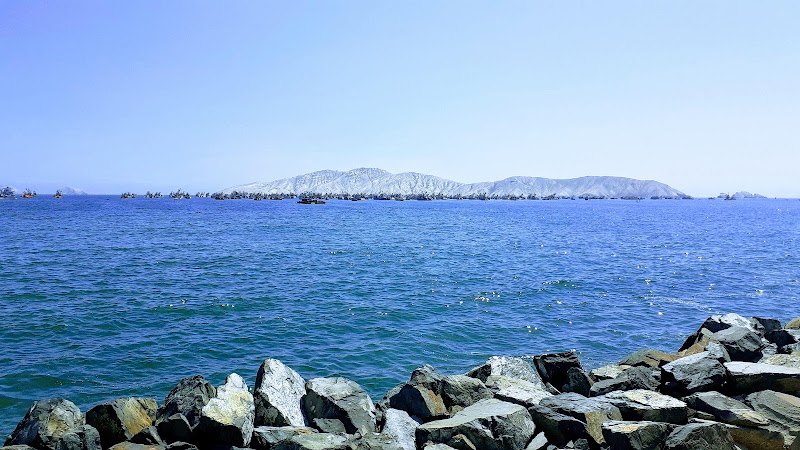
Malecón Grau
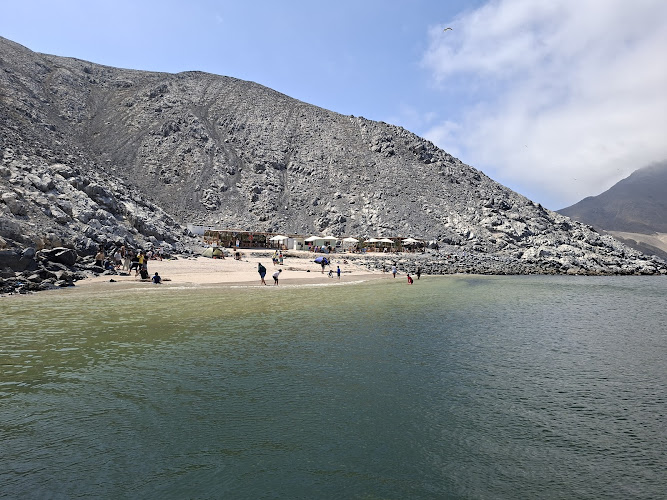
Playa conchuelas
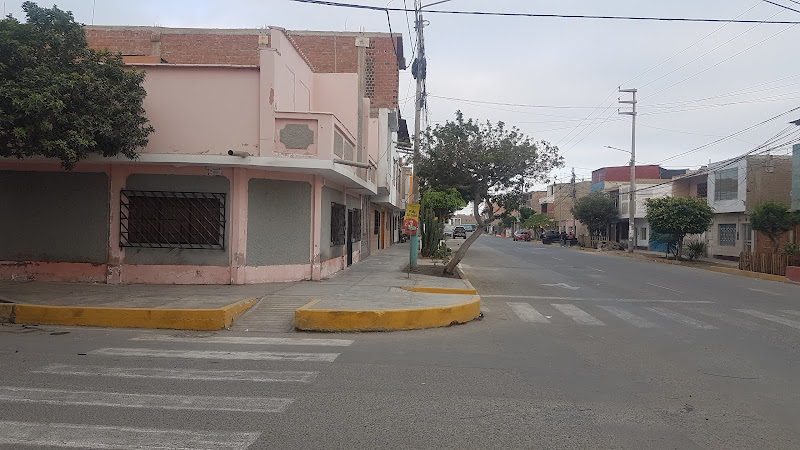
Chancay&Lima
Find Accommodations Nearby
Recommended Tours & Activities
Visitor Reviews
There are no reviews yet. Be the first one to write one.
Share Your Experience
Have you visited Huaca San Pedro? Help other travelers by leaving a review.