
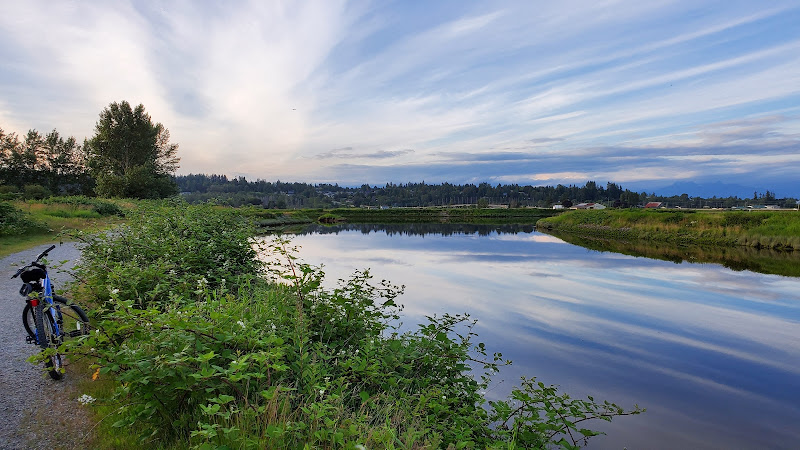
Serpentine Fen
About Serpentine Fen
Description
Serpentine Fen is one of those places that reminds you why wetlands matter so much more than most people realize. This nature preserve sits quietly doing its environmental work while offering visitors a genuine escape into a landscape that honestly feels worlds away from urban life. I've always found wetlands fascinating - they're neither quite land nor quite water, existing in this beautiful in-between state that supports an incredible diversity of life you won't find anywhere else. The preserve encompasses a carefully protected wetland ecosystem where boardwalks and trails wind through marsh grasses, around quiet ponds, and past areas where you can actually watch nature doing its thing without all the polish and manicuring you see in city parks. And that's exactly the point. This isn't meant to be perfectly landscaped. It's meant to be wild, functional, and real. What strikes most visitors first is just how peaceful it feels here. The sound of wind moving through reeds, birds calling to each other across the water, and your own footsteps on wooden boardwalks create a soundtrack that's genuinely restorative. I remember the first time I visited a wetland preserve - I was skeptical about whether walking around looking at marsh grass would actually be interesting. But there's something almost meditative about these spaces once you slow down enough to notice what's happening around you. The preserve features several viewing towers strategically positioned to give you elevated perspectives across the landscape. These aren't massive structures, but they're tall enough to let you see patterns in the vegetation, spot wildlife you'd miss from ground level, and really appreciate the scale of the wetland system. During migration seasons, these towers become prime real estate for anyone with binoculars and a love of bird watching.Key Features
- Multiple trail options ranging from short accessible loops to longer hiking routes that let you really immerse yourself in the wetland environment
- Several viewing towers offering elevated vantage points perfect for wildlife observation and photography
- Extensive boardwalk systems that keep your feet dry while bringing you right into the heart of the marsh ecosystem
- A skating pond that transforms the preserve into a winter destination when temperatures drop
- Wheelchair accessible parking and portions of trail system designed for visitors with mobility considerations
- Dog-friendly trails where leashed pets can join the adventure
- Kid-friendly hiking options that make this an excellent family destination for introducing children to wetland ecosystems
- Interpretive opportunities to learn about wetland ecology, water filtration, and the species that depend on these habitats
- Seasonal changes that make the preserve look completely different depending on when you visit
- Relatively uncrowded trails compared to more famous nature destinations in the area
Best Time to Visit
Honestly, Serpentine Fen rewards visitors during every season, but each period offers such different experiences that your "best" time really depends on what you're hoping to see and do. Spring brings the wetland to life in spectacular fashion. Migrating birds stop through in impressive numbers, making this absolutely prime time for birdwatchers. The marsh comes alive with sound as frogs begin their breeding calls, and early vegetation starts pushing up through the water. It can be muddy and the weather unpredictable, but if you don't mind getting a bit damp, spring offers some of the most dynamic wildlife viewing of the year. Just be prepared for bugs - wetlands and insects are partners in crime, especially as things warm up. Summer gives you the fullest expression of the wetland ecosystem. Everything is green, lush, and growing like crazy. The trails are in excellent condition, and the viewing towers provide welcome breezes on hot days. This is peak season for families since kids are out of school and the weather cooperates. You'll encounter more people during summer months, particularly on weekends, but the preserve is large enough that you can still find quiet moments. Early morning visits beat both the heat and the crowds. Fall might actually be my personal favorite time here. The marsh grasses turn golden and russet, creating this gorgeous color palette that photographers absolutely love. Migrating birds return, heading south this time, and the cooler temperatures make hiking genuinely pleasant. The bugs have mostly disappeared by late September, which is honestly a huge plus. And there's something about autumn light across wetlands that just hits differently - softer, more golden, creating reflections in the water that summer's harsh light can't match. Winter transforms Serpentine Fen entirely. The skating pond becomes the main attraction when it freezes solid, drawing locals who know about this gem of a winter activity. The trails take on a stark beauty with ice formations along the boardwalks and snow-covered marsh grasses creating patterns that look almost abstract. Wildlife viewing shifts to winter residents and the tracking opportunities in snow can be excellent for anyone interested in learning about animal behavior. Just dress warmly - wetlands hold moisture that makes cold feel colder. For first-time visitors, I'd probably recommend late spring or early fall. You'll get good weather, active wildlife, beautiful scenery, and won't be fighting extreme temperatures or peak crowds.How to Get There
Serpentine Fen is accessible enough that you won't need specialized navigation skills or a four-wheel drive vehicle, which makes it an easy day trip for most travelers. The preserve maintains a parking lot with wheelchair accessible spaces, so you can drive right up to the trailhead without any complicated access procedures. For those relying on personal vehicles, the preserve is straightforward to reach via major roads in the area. Standard GPS navigation or map applications will get you there without issue - just search for Serpentine Fen Nature Preserve and follow the directions. The parking area isn't enormous, so arriving earlier in the day, especially on weekends during peak seasons, increases your chances of snagging a spot close to the trails. Public transportation options exist for travelers without cars, though you'll want to research current routes and schedules since transit service to nature preserves can be less frequent than urban routes. Some visitors combine transit with cycling for the final leg, which works well if you're comfortable with that approach. The entrance area is clearly marked, and you'll find basic orientation information near the parking lot. There aren't entrance fees at most times, which is refreshing in an era where accessing nature increasingly costs money. But check current policies before visiting since funding situations can change.Tips for Visiting
Footwear matters more than you might think at Serpentine Fen. Even though boardwalks cover significant portions of the trail system, you'll encounter natural trail surfaces that can be damp, muddy, or uneven depending on recent weather. Waterproof hiking boots or sturdy shoes with good traction will make your experience considerably more pleasant. I've seen too many people trying to navigate wetland trails in flimsy sneakers or sandals, and it never goes well. Bring binoculars if you have them, even if you're not a serious birder. The viewing towers and open marsh areas offer opportunities to observe wildlife at distances where binoculars really enhance what you can see. You don't need expensive equipment - even basic binoculars transform the experience of watching a heron fishing or identifying ducks on distant ponds. Bug spray during warmer months isn't optional, it's essential. Wetlands breed mosquitoes and other biting insects as surely as they breed frogs and birds. Apply before you arrive and consider bringing the bottle along for reapplication. I learned this lesson the hard way during a June visit when I thought I'd be fine without it. I was not fine. Download or photograph trail maps before you arrive if you want them, since cellular service can be spotty in some areas of the preserve. The trail system isn't so complex that you'll get seriously lost, but having a map helps you plan your route and understand what you're looking at from the viewing towers. If you're bringing kids, the shorter loop trails work better for maintaining their interest than attempting the longest routes. Wetlands can seem boring to children at first, but giving them a specific mission - counting how many different bird species they can spot, or looking for frog eggs in spring, or collecting interesting (fallen) natural objects - transforms the visit into an adventure rather than just a walk. Dogs need to stay leashed, which is standard for nature preserves and honestly just good practice. The wetland environment supports ground-nesting birds and sensitive wildlife that don't need the stress of unleashed dogs tearing through their habitat. Plus, wet dogs who've been romping through marsh mud are considerably less pleasant on the car ride home. Photography enthusiasts should know that the lighting can be tricky in wetland environments. The water creates reflections and glare, while the open landscape often means harsh overhead sun. Early morning or late afternoon golden hour light produces the most beautiful images. A polarizing filter helps manage water reflections if you're shooting with a proper camera. Weather can change quickly in open wetland areas, so layering your clothing gives you flexibility. What feels comfortable in the parking lot might feel quite different on exposed boardwalks where wind whips across open water. A light rain jacket stuffs easily into a daypack and has saved me from uncomfortable situations more times than I can count. The viewing towers require climbing stairs, so anyone with mobility concerns or fear of heights should know that before planning their visit around tower access. The views are worth it if you can manage the climb, but plenty of excellent wildlife viewing happens from ground level too. Winter skating on the pond requires checking ice conditions before you go. Never assume ice is safe just because it looks frozen - wetland ice can be particularly unpredictable due to water movement and temperature variations. Look for posted conditions or contact preserve management if information isn't readily available online. Finally, respect the preserve's purpose. This isn't just a park for recreation - it's a functioning wetland ecosystem doing important environmental work filtering water, controlling floods, and supporting biodiversity. Stay on designated trails, don't disturb wildlife or vegetation, and pack out everything you pack in. These spaces only continue existing because enough people value them properly.Key Features
- Sedge meadows, marshland and riparian vegetation
- Good birdwatching for waterfowl and marsh species
- Boardwalks and informal trails offering close-up wetland views
- Educational and conservation significance within Surrey
- Seasonal amphibian and insect life; excellent nature photography opportunities
More Details
Updated March 30, 2026
Table of Contents
Description
Serpentine Fen is one of those places that reminds you why wetlands matter so much more than most people realize. This nature preserve sits quietly doing its environmental work while offering visitors a genuine escape into a landscape that honestly feels worlds away from urban life. I’ve always found wetlands fascinating – they’re neither quite land nor quite water, existing in this beautiful in-between state that supports an incredible diversity of life you won’t find anywhere else.
The preserve encompasses a carefully protected wetland ecosystem where boardwalks and trails wind through marsh grasses, around quiet ponds, and past areas where you can actually watch nature doing its thing without all the polish and manicuring you see in city parks. And that’s exactly the point. This isn’t meant to be perfectly landscaped. It’s meant to be wild, functional, and real.
What strikes most visitors first is just how peaceful it feels here. The sound of wind moving through reeds, birds calling to each other across the water, and your own footsteps on wooden boardwalks create a soundtrack that’s genuinely restorative. I remember the first time I visited a wetland preserve – I was skeptical about whether walking around looking at marsh grass would actually be interesting. But there’s something almost meditative about these spaces once you slow down enough to notice what’s happening around you.
The preserve features several viewing towers strategically positioned to give you elevated perspectives across the landscape. These aren’t massive structures, but they’re tall enough to let you see patterns in the vegetation, spot wildlife you’d miss from ground level, and really appreciate the scale of the wetland system. During migration seasons, these towers become prime real estate for anyone with binoculars and a love of bird watching.
Key Features
- Multiple trail options ranging from short accessible loops to longer hiking routes that let you really immerse yourself in the wetland environment
- Several viewing towers offering elevated vantage points perfect for wildlife observation and photography
- Extensive boardwalk systems that keep your feet dry while bringing you right into the heart of the marsh ecosystem
- A skating pond that transforms the preserve into a winter destination when temperatures drop
- Wheelchair accessible parking and portions of trail system designed for visitors with mobility considerations
- Dog-friendly trails where leashed pets can join the adventure
- Kid-friendly hiking options that make this an excellent family destination for introducing children to wetland ecosystems
- Interpretive opportunities to learn about wetland ecology, water filtration, and the species that depend on these habitats
- Seasonal changes that make the preserve look completely different depending on when you visit
- Relatively uncrowded trails compared to more famous nature destinations in the area
Best Time to Visit
Honestly, Serpentine Fen rewards visitors during every season, but each period offers such different experiences that your “best” time really depends on what you’re hoping to see and do.
Spring brings the wetland to life in spectacular fashion. Migrating birds stop through in impressive numbers, making this absolutely prime time for birdwatchers. The marsh comes alive with sound as frogs begin their breeding calls, and early vegetation starts pushing up through the water. It can be muddy and the weather unpredictable, but if you don’t mind getting a bit damp, spring offers some of the most dynamic wildlife viewing of the year. Just be prepared for bugs – wetlands and insects are partners in crime, especially as things warm up.
Summer gives you the fullest expression of the wetland ecosystem. Everything is green, lush, and growing like crazy. The trails are in excellent condition, and the viewing towers provide welcome breezes on hot days. This is peak season for families since kids are out of school and the weather cooperates. You’ll encounter more people during summer months, particularly on weekends, but the preserve is large enough that you can still find quiet moments. Early morning visits beat both the heat and the crowds.
Fall might actually be my personal favorite time here. The marsh grasses turn golden and russet, creating this gorgeous color palette that photographers absolutely love. Migrating birds return, heading south this time, and the cooler temperatures make hiking genuinely pleasant. The bugs have mostly disappeared by late September, which is honestly a huge plus. And there’s something about autumn light across wetlands that just hits differently – softer, more golden, creating reflections in the water that summer’s harsh light can’t match.
Winter transforms Serpentine Fen entirely. The skating pond becomes the main attraction when it freezes solid, drawing locals who know about this gem of a winter activity. The trails take on a stark beauty with ice formations along the boardwalks and snow-covered marsh grasses creating patterns that look almost abstract. Wildlife viewing shifts to winter residents and the tracking opportunities in snow can be excellent for anyone interested in learning about animal behavior. Just dress warmly – wetlands hold moisture that makes cold feel colder.
For first-time visitors, I’d probably recommend late spring or early fall. You’ll get good weather, active wildlife, beautiful scenery, and won’t be fighting extreme temperatures or peak crowds.
How to Get There
Serpentine Fen is accessible enough that you won’t need specialized navigation skills or a four-wheel drive vehicle, which makes it an easy day trip for most travelers. The preserve maintains a parking lot with wheelchair accessible spaces, so you can drive right up to the trailhead without any complicated access procedures.
For those relying on personal vehicles, the preserve is straightforward to reach via major roads in the area. Standard GPS navigation or map applications will get you there without issue – just search for Serpentine Fen Nature Preserve and follow the directions. The parking area isn’t enormous, so arriving earlier in the day, especially on weekends during peak seasons, increases your chances of snagging a spot close to the trails.
Public transportation options exist for travelers without cars, though you’ll want to research current routes and schedules since transit service to nature preserves can be less frequent than urban routes. Some visitors combine transit with cycling for the final leg, which works well if you’re comfortable with that approach.
The entrance area is clearly marked, and you’ll find basic orientation information near the parking lot. There aren’t entrance fees at most times, which is refreshing in an era where accessing nature increasingly costs money. But check current policies before visiting since funding situations can change.
Tips for Visiting
Footwear matters more than you might think at Serpentine Fen. Even though boardwalks cover significant portions of the trail system, you’ll encounter natural trail surfaces that can be damp, muddy, or uneven depending on recent weather. Waterproof hiking boots or sturdy shoes with good traction will make your experience considerably more pleasant. I’ve seen too many people trying to navigate wetland trails in flimsy sneakers or sandals, and it never goes well.
Bring binoculars if you have them, even if you’re not a serious birder. The viewing towers and open marsh areas offer opportunities to observe wildlife at distances where binoculars really enhance what you can see. You don’t need expensive equipment – even basic binoculars transform the experience of watching a heron fishing or identifying ducks on distant ponds.
Bug spray during warmer months isn’t optional, it’s essential. Wetlands breed mosquitoes and other biting insects as surely as they breed frogs and birds. Apply before you arrive and consider bringing the bottle along for reapplication. I learned this lesson the hard way during a June visit when I thought I’d be fine without it. I was not fine.
Download or photograph trail maps before you arrive if you want them, since cellular service can be spotty in some areas of the preserve. The trail system isn’t so complex that you’ll get seriously lost, but having a map helps you plan your route and understand what you’re looking at from the viewing towers.
If you’re bringing kids, the shorter loop trails work better for maintaining their interest than attempting the longest routes. Wetlands can seem boring to children at first, but giving them a specific mission – counting how many different bird species they can spot, or looking for frog eggs in spring, or collecting interesting (fallen) natural objects – transforms the visit into an adventure rather than just a walk.
Dogs need to stay leashed, which is standard for nature preserves and honestly just good practice. The wetland environment supports ground-nesting birds and sensitive wildlife that don’t need the stress of unleashed dogs tearing through their habitat. Plus, wet dogs who’ve been romping through marsh mud are considerably less pleasant on the car ride home.
Photography enthusiasts should know that the lighting can be tricky in wetland environments. The water creates reflections and glare, while the open landscape often means harsh overhead sun. Early morning or late afternoon golden hour light produces the most beautiful images. A polarizing filter helps manage water reflections if you’re shooting with a proper camera.
Weather can change quickly in open wetland areas, so layering your clothing gives you flexibility. What feels comfortable in the parking lot might feel quite different on exposed boardwalks where wind whips across open water. A light rain jacket stuffs easily into a daypack and has saved me from uncomfortable situations more times than I can count.
The viewing towers require climbing stairs, so anyone with mobility concerns or fear of heights should know that before planning their visit around tower access. The views are worth it if you can manage the climb, but plenty of excellent wildlife viewing happens from ground level too.
Winter skating on the pond requires checking ice conditions before you go. Never assume ice is safe just because it looks frozen – wetland ice can be particularly unpredictable due to water movement and temperature variations. Look for posted conditions or contact preserve management if information isn’t readily available online.
Finally, respect the preserve’s purpose. This isn’t just a park for recreation – it’s a functioning wetland ecosystem doing important environmental work filtering water, controlling floods, and supporting biodiversity. Stay on designated trails, don’t disturb wildlife or vegetation, and pack out everything you pack in. These spaces only continue existing because enough people value them properly.
Key Highlights
- Sedge meadows, marshland and riparian vegetation
- Good birdwatching for waterfowl and marsh species
- Boardwalks and informal trails offering close-up wetland views
- Educational and conservation significance within Surrey
- Seasonal amphibian and insect life; excellent nature photography opportunities
Location
Places to Stay Near Serpentine Fen
Find and Book a Tour
Explore More Travel Guides
No reviews found! Be the first to review!
Serpentine Fen is a prominent Nature preserve located in Surrey.
Visit us at: 4981 King George Blvd, Surrey, BC V3S 0L2, Canada.
Traveler Reviews for Serpentine Fen
There are no reviews yet. Be the first one to write one.
Have you visited Serpentine Fen? Help other travelers by sharing your review.
Nearby Attractions
You Might Also Like
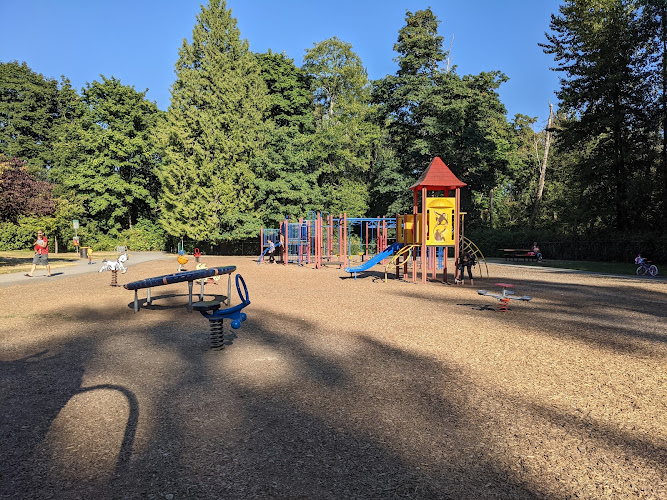
Fleetwood Park
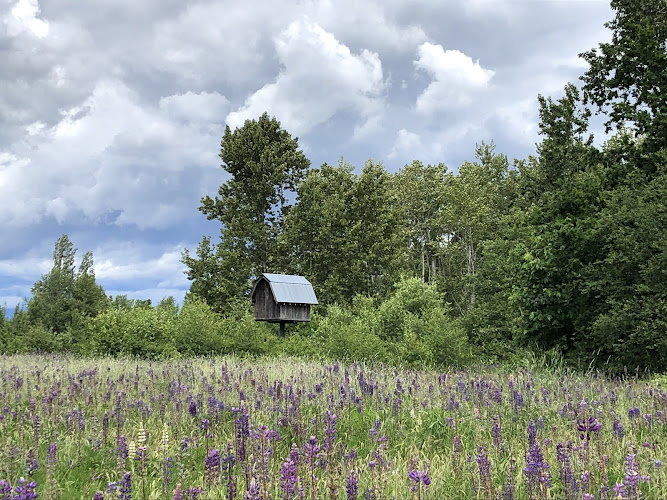
Elgin Heritage Park
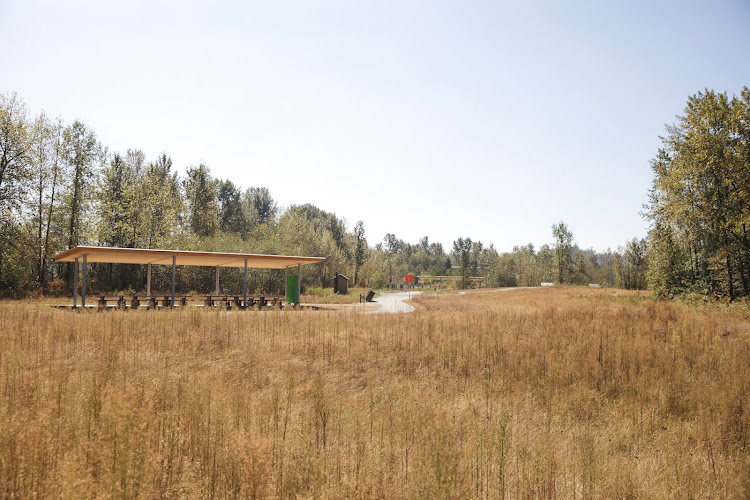
Surrey Bend Regional Park
Find Accommodations Nearby
Recommended Tours & Activities
Visitor Reviews
There are no reviews yet. Be the first one to write one.
Share Your Experience
Have you visited Serpentine Fen? Help other travelers by leaving a review.