
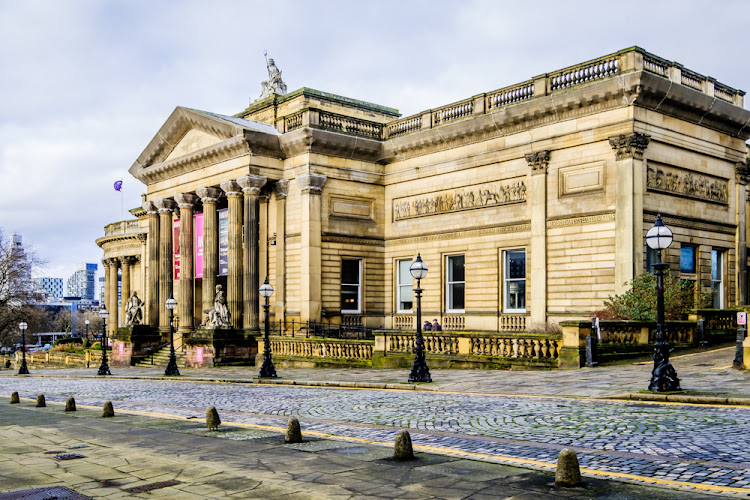
Walker Art Gallery
About Walker Art Gallery
Description
The Walker Art Gallery stands as one of Britain's finest art institutions, though it doesn't quite get the recognition it deserves when travelers plan their UK itineraries. I've always found this somewhat puzzling, considering the gallery houses one of the most impressive collections of European art outside London. The building itself is a proper Victorian beauty, opened back in 1877, and stepping through those doors feels a bit like entering a time capsule of artistic excellence. What makes this place special isn't just the big names hanging on the walls - though there are plenty of those - but the way the collection tells a story spanning eight centuries. From medieval masterpieces through to contemporary works, the gallery showcases how art evolved, changed, and sometimes completely reinvented itself. The Pre-Raphaelite Brotherhood gets particularly generous representation here, which makes sense given Liverpool's historical connection to this influential art movement. Walking through these halls, visitors encounter works by masters like Rembrandt, Poussin, and Degas alongside British heavyweights including Turner, Constable, and David Hockney. It's the kind of place where you might turn a corner expecting nothing special and suddenly find yourself face-to-face with a painting you've only ever seen in textbooks. That happened to me with one of the Rossetti paintings - the colors were so much more alive than any reproduction could capture. The gallery doesn't charge admission for the permanent collection, which honestly feels almost too generous. In an era where major museums are charging upwards of £20 for entry, this free access makes culture genuinely accessible to everyone. And that philosophical approach to art appreciation really does show in the atmosphere of the place.Key Features
• An extensive Pre-Raphaelite collection featuring works by Dante Gabriel Rossetti, John Everett Millais, and Ford Madox Brown that represents some of the movement's finest achievements • European Old Masters including paintings by Rembrandt, Rubens, and Poussin spanning several centuries of artistic development • The Big Art for Little Artists gallery specifically designed for younger visitors with interactive displays and hands-on activities • An impressive sculpture collection featuring both classical and modern pieces throughout the building • Regular temporary exhibitions showcasing contemporary artists and themed collections that change throughout the year • The Craft and Design Gallery highlighting decorative arts, ceramics, and fashion from various periods • Works by significant British artists including J.M.W. Turner, John Constable, Lucian Freud, and David Hockney • Victorian architecture with beautifully maintained galleries that enhance the viewing experience • Fully accessible facilities including wheelchair-friendly entrances, restrooms, and elevators to all floors • An onsite restaurant serving decent coffee and light meals for when museum fatigue sets inBest Time to Visit
Here's something most travel guides won't tell you straight - weekday mornings are absolutely golden for experiencing the Walker Art Gallery. I've visited on Tuesday and Wednesday mornings around 10:30am, and you can practically have entire rooms to yourself. There's something almost meditative about standing alone with a Rembrandt, no crowds jostling for position with their phones. School holidays present a different atmosphere entirely. The galleries get busier, particularly the children's areas, but there's an energy to it that some visitors actually enjoy. If you're traveling with kids, this might actually work in your favor since they won't feel out of place. Weather plays an interesting role in visitor numbers too. When Liverpool experiences one of those dreary, rainy days - and let's be honest, that happens fairly often - the gallery becomes a popular refuge. Sunny weekends see locals heading to the parks instead, which means better viewing conditions inside. The gallery hosts special exhibitions throughout the year, and these can significantly affect crowd levels. Checking their schedule before planning your visit makes sense, especially if you want to avoid the busiest periods. But honestly? Even during popular exhibitions, the permanent collection rooms remain relatively peaceful. Winter months from November through February offer perhaps the most contemplative visiting experience. Tourist numbers drop, locals are busy with the holiday season, and you get this wonderful opportunity to really spend time with the artwork. Plus, the Victorian building stays comfortably heated, making it a perfect escape from the cold outside.How to Get There
The gallery sits right in Liverpool's cultural quarter, which makes finding it fairly straightforward once you're in the city centre. From Lime Street Station - Liverpool's main railway hub - it's genuinely a ten-minute walk. You head down William Brown Street, and you can't really miss the impressive neoclassical building. For those arriving by car, and I'll be straight with you here, parking in central Liverpool can test your patience. The Q-Park on Great George Street offers the closest parking option, just a few minutes walk away. Liverpool ONE shopping centre also has extensive parking facilities, though you'll have a slightly longer walk to the gallery. The city's parking apps work reasonably well for finding available spaces, though the system takes some getting used to. Bus services run frequently to the city centre from all directions, with stops on William Brown Street right outside the gallery complex. The 26, 27, and 79 routes all stop nearby, though bus routes do change so checking current schedules makes sense. If you're staying anywhere in the city centre, walking is probably your best option. Liverpool's cultural district clusters together nicely - the Central Library, World Museum, and Walker Art Gallery all share the same area. This compact arrangement makes it easy to combine multiple attractions in one outing. The Merseyrail network connects to Lime Street and Moorfields stations, both within easy walking distance. For visitors coming from the airport, the bus and train connections work reasonably well, though allowing extra time for connections is wise.Tips for Visiting
Bring a notebook if you're serious about art. I know that sounds old-fashioned in our smartphone era, but sketching or taking notes about artworks creates a different level of engagement than just photographing everything. The gallery allows photography without flash in most areas, but there's something about drawing a quick sketch that helps you really see a painting. Don't try to see everything in one visit. This is a mistake I made the first time, and by hour three, my brain had basically turned to mush. The collection is extensive enough that focusing on specific periods or artists makes for a much more satisfying experience. You can always return - admission is free, remember? The restaurant upstairs serves as a useful mid-visit break point. The food won't win any awards, but the coffee's decent and having somewhere to sit and process what you've seen really helps prevent museum fatigue. Plus, the windows offer nice views across William Brown Street. Weekday afternoons around 2pm tend to get school groups, which can make certain galleries quite lively. If you value quiet contemplation, planning around these times helps. But honestly, watching kids engage with art can be pretty entertaining. Wear comfortable shoes. This seems obvious, but those gallery floors get hard after an hour of standing and slow walking. The building spans multiple levels, and you'll cover more distance than you think while viewing the collections. Check the temporary exhibition schedule before visiting. Sometimes the special exhibitions charge admission while the permanent collection remains free. Knowing this beforehand helps with budgeting and planning your route through the building. The gallery shop stocks some genuinely good art books and prints, particularly of Pre-Raphaelite works. If you're into that sort of thing, save some time at the end of your visit for browsing. The prices are reasonable compared to commercial art retailers. Accessibility features work well here, but if you need any assistance, the staff are genuinely helpful rather than just going through the motions. I've seen them take real time to help visitors with mobility issues find the best routes through the galleries. Audio guides aren't currently offered, which some visitors find disappointing. However, the wall texts provide solid information without being overly academic. Room guides, when available, can offer interesting insights if you're curious about specific works. Consider combining your visit with the World Museum next door. Both are free, share similar opening hours, and offer completely different experiences. This makes for a full day of culture without spending much beyond coffee and lunch money.Key Features
- Key Features
- Best Time to Visit
- How to Get There
- Tips for Visiting
More Details
Updated March 30, 2026
Table of Contents
Description
The Walker Art Gallery stands as one of Britain’s finest art institutions, though it doesn’t quite get the recognition it deserves when travelers plan their UK itineraries. I’ve always found this somewhat puzzling, considering the gallery houses one of the most impressive collections of European art outside London. The building itself is a proper Victorian beauty, opened back in 1877, and stepping through those doors feels a bit like entering a time capsule of artistic excellence.
What makes this place special isn’t just the big names hanging on the walls – though there are plenty of those – but the way the collection tells a story spanning eight centuries. From medieval masterpieces through to contemporary works, the gallery showcases how art evolved, changed, and sometimes completely reinvented itself. The Pre-Raphaelite Brotherhood gets particularly generous representation here, which makes sense given Liverpool’s historical connection to this influential art movement.
Walking through these halls, visitors encounter works by masters like Rembrandt, Poussin, and Degas alongside British heavyweights including Turner, Constable, and David Hockney. It’s the kind of place where you might turn a corner expecting nothing special and suddenly find yourself face-to-face with a painting you’ve only ever seen in textbooks. That happened to me with one of the Rossetti paintings – the colors were so much more alive than any reproduction could capture.
The gallery doesn’t charge admission for the permanent collection, which honestly feels almost too generous. In an era where major museums are charging upwards of £20 for entry, this free access makes culture genuinely accessible to everyone. And that philosophical approach to art appreciation really does show in the atmosphere of the place.
Key Features
• An extensive Pre-Raphaelite collection featuring works by Dante Gabriel Rossetti, John Everett Millais, and Ford Madox Brown that represents some of the movement’s finest achievements
• European Old Masters including paintings by Rembrandt, Rubens, and Poussin spanning several centuries of artistic development
• The Big Art for Little Artists gallery specifically designed for younger visitors with interactive displays and hands-on activities
• An impressive sculpture collection featuring both classical and modern pieces throughout the building
• Regular temporary exhibitions showcasing contemporary artists and themed collections that change throughout the year
• The Craft and Design Gallery highlighting decorative arts, ceramics, and fashion from various periods
• Works by significant British artists including J.M.W. Turner, John Constable, Lucian Freud, and David Hockney
• Victorian architecture with beautifully maintained galleries that enhance the viewing experience
• Fully accessible facilities including wheelchair-friendly entrances, restrooms, and elevators to all floors
• An onsite restaurant serving decent coffee and light meals for when museum fatigue sets in
Best Time to Visit
Here’s something most travel guides won’t tell you straight – weekday mornings are absolutely golden for experiencing the Walker Art Gallery. I’ve visited on Tuesday and Wednesday mornings around 10:30am, and you can practically have entire rooms to yourself. There’s something almost meditative about standing alone with a Rembrandt, no crowds jostling for position with their phones.
School holidays present a different atmosphere entirely. The galleries get busier, particularly the children’s areas, but there’s an energy to it that some visitors actually enjoy. If you’re traveling with kids, this might actually work in your favor since they won’t feel out of place.
Weather plays an interesting role in visitor numbers too. When Liverpool experiences one of those dreary, rainy days – and let’s be honest, that happens fairly often – the gallery becomes a popular refuge. Sunny weekends see locals heading to the parks instead, which means better viewing conditions inside.
The gallery hosts special exhibitions throughout the year, and these can significantly affect crowd levels. Checking their schedule before planning your visit makes sense, especially if you want to avoid the busiest periods. But honestly? Even during popular exhibitions, the permanent collection rooms remain relatively peaceful.
Winter months from November through February offer perhaps the most contemplative visiting experience. Tourist numbers drop, locals are busy with the holiday season, and you get this wonderful opportunity to really spend time with the artwork. Plus, the Victorian building stays comfortably heated, making it a perfect escape from the cold outside.
How to Get There
The gallery sits right in Liverpool’s cultural quarter, which makes finding it fairly straightforward once you’re in the city centre. From Lime Street Station – Liverpool’s main railway hub – it’s genuinely a ten-minute walk. You head down William Brown Street, and you can’t really miss the impressive neoclassical building.
For those arriving by car, and I’ll be straight with you here, parking in central Liverpool can test your patience. The Q-Park on Great George Street offers the closest parking option, just a few minutes walk away. Liverpool ONE shopping centre also has extensive parking facilities, though you’ll have a slightly longer walk to the gallery. The city’s parking apps work reasonably well for finding available spaces, though the system takes some getting used to.
Bus services run frequently to the city centre from all directions, with stops on William Brown Street right outside the gallery complex. The 26, 27, and 79 routes all stop nearby, though bus routes do change so checking current schedules makes sense.
If you’re staying anywhere in the city centre, walking is probably your best option. Liverpool’s cultural district clusters together nicely – the Central Library, World Museum, and Walker Art Gallery all share the same area. This compact arrangement makes it easy to combine multiple attractions in one outing.
The Merseyrail network connects to Lime Street and Moorfields stations, both within easy walking distance. For visitors coming from the airport, the bus and train connections work reasonably well, though allowing extra time for connections is wise.
Tips for Visiting
Bring a notebook if you’re serious about art. I know that sounds old-fashioned in our smartphone era, but sketching or taking notes about artworks creates a different level of engagement than just photographing everything. The gallery allows photography without flash in most areas, but there’s something about drawing a quick sketch that helps you really see a painting.
Don’t try to see everything in one visit. This is a mistake I made the first time, and by hour three, my brain had basically turned to mush. The collection is extensive enough that focusing on specific periods or artists makes for a much more satisfying experience. You can always return – admission is free, remember?
The restaurant upstairs serves as a useful mid-visit break point. The food won’t win any awards, but the coffee’s decent and having somewhere to sit and process what you’ve seen really helps prevent museum fatigue. Plus, the windows offer nice views across William Brown Street.
Weekday afternoons around 2pm tend to get school groups, which can make certain galleries quite lively. If you value quiet contemplation, planning around these times helps. But honestly, watching kids engage with art can be pretty entertaining.
Wear comfortable shoes. This seems obvious, but those gallery floors get hard after an hour of standing and slow walking. The building spans multiple levels, and you’ll cover more distance than you think while viewing the collections.
Check the temporary exhibition schedule before visiting. Sometimes the special exhibitions charge admission while the permanent collection remains free. Knowing this beforehand helps with budgeting and planning your route through the building.
The gallery shop stocks some genuinely good art books and prints, particularly of Pre-Raphaelite works. If you’re into that sort of thing, save some time at the end of your visit for browsing. The prices are reasonable compared to commercial art retailers.
Accessibility features work well here, but if you need any assistance, the staff are genuinely helpful rather than just going through the motions. I’ve seen them take real time to help visitors with mobility issues find the best routes through the galleries.
Audio guides aren’t currently offered, which some visitors find disappointing. However, the wall texts provide solid information without being overly academic. Room guides, when available, can offer interesting insights if you’re curious about specific works.
Consider combining your visit with the World Museum next door. Both are free, share similar opening hours, and offer completely different experiences. This makes for a full day of culture without spending much beyond coffee and lunch money.
Key Highlights
- Key Features
- Best Time to Visit
- How to Get There
- Tips for Visiting
Location
Places to Stay Near Walker Art Gallery
Find and Book a Tour
Explore More Travel Guides
No reviews found! Be the first to review!
Walker Art Gallery is a prominent attractions located in Liverpool.
Visit us at: William Brown St, Liverpool L3 8EL, United Kingdom.
Traveler Reviews for Walker Art Gallery
There are no reviews yet. Be the first one to write one.
Have you visited Walker Art Gallery? Help other travelers by sharing your review.
You Might Also Like

Royal Liver Building 360 Tour
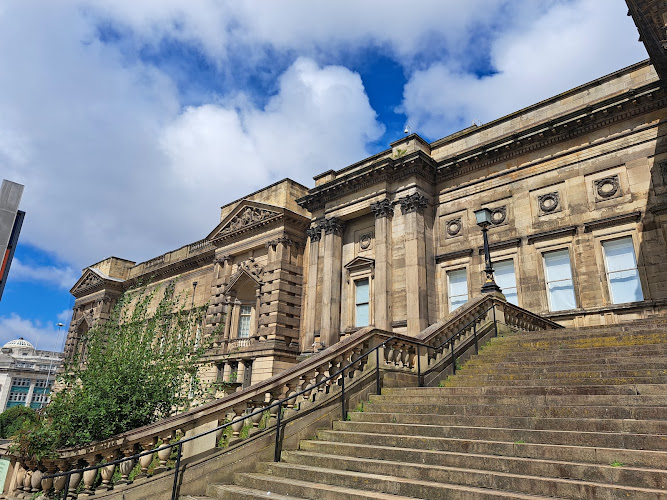
World Museum
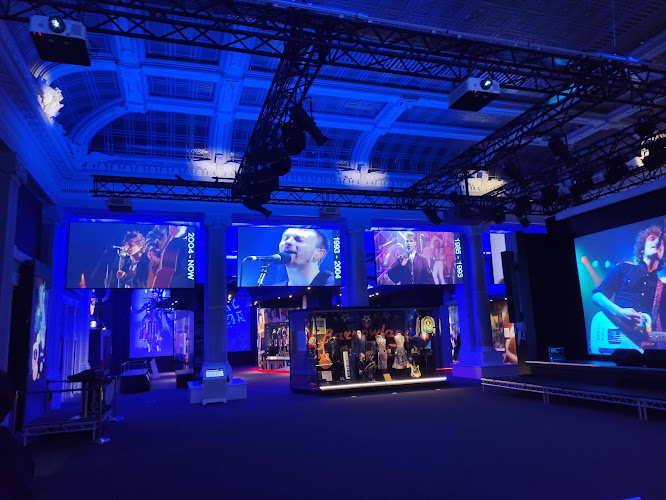
The British Music Experience
Find Accommodations Nearby
Recommended Tours & Activities
Visitor Reviews
There are no reviews yet. Be the first one to write one.
Share Your Experience
Have you visited Walker Art Gallery? Help other travelers by leaving a review.