
The British Music Experience
About The British Music Experience
Description
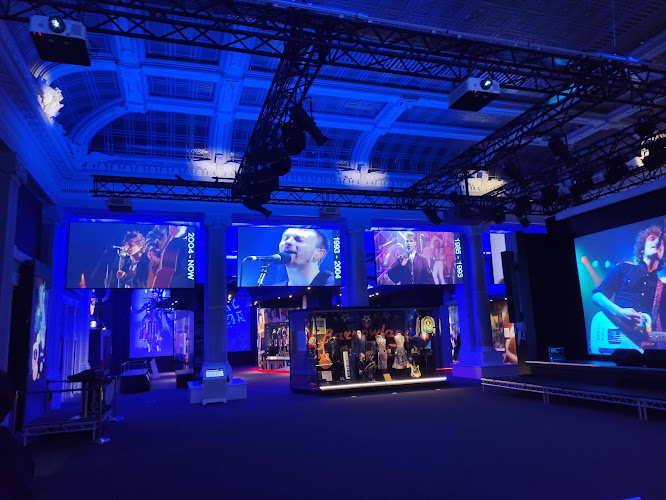
The British Music Experience stands as a testament to the incredible influence that British musicians have had on the global music scene, and honestly, it's about time there was a proper place dedicated to this legacy. This interactive museum takes visitors on an unforgettable journey through the evolution of British pop and rock music, from the skiffle sounds of the 1950s right through to contemporary chart-toppers. Unlike your typical museum where you shuffle past glass cases with your hands firmly in your pockets, this place actually encourages you to touch, play, and immerse yourself in the music that shaped generations. What makes this museum particularly special is its commitment to being more than just a collection of old guitars and faded concert posters. Sure, those elements are there – and they're magnificent – but the experience goes deeper. The exhibits use cutting-edge technology to bring music history to life in ways that'll have you grinning like a kid in a candy store, whether you're a die-hard music fan or someone who just enjoys the occasional tune on the radio. The museum houses an impressive collection of artifacts that spans decades of British musical innovation. You'll find yourself face-to-face with actual stage costumes worn by legends, original handwritten lyrics that became anthems, and instruments that created sounds which defined entire movements. And here's the thing – seeing these items up close gives you this weird sense of connection to moments in history that you've only heard about or seen in old footage. What I really appreciate about this place is how it doesn't just focus on the superstars everyone knows. Yes, you'll learn about The Beatles and The Rolling Stones, but the museum also shines a light on the unsung heroes, the session musicians, the producers, and the cultural movements that made British music what it is today. It's this comprehensive approach that sets it apart from other music museums around the world.Key Features
The British Music Experience offers an array of features that cater to music enthusiasts of all ages and backgrounds:- Interactive music stations where visitors can actually play instruments and try their hand at mixing tracks – trust me, it's harder than it looks but incredibly fun
- An extensive collection of memorabilia including rare stage costumes, platinum records, and personal items from some of Britain's most influential artists
- The Gibson Interactive Studio, which lets you unleash your inner rockstar by playing real instruments and recording your own performances
- Chronologically organized exhibits that walk you through different eras of British music, from the birth of rock and roll through punk, new wave, Britpop, and beyond
- Original manuscripts and handwritten lyrics that show the creative process behind songs that became cultural touchstones
- An impressive array of iconic guitars and other instruments that were actually used in famous recordings and performances
- Dance booths where you can learn signature moves from different musical eras – yes, you can finally perfect that 80s dance routine
- Touchscreen displays packed with rare footage, interviews, and photographs that bring each era to life
- Special rotating exhibitions that focus on specific artists, genres, or periods in British music history
- An onsite restaurant where you can grab a bite and discuss everything you've just experienced
- Comprehensive accessibility features including wheelchair access throughout, assistive hearing loops, and wheelchair rental services
- Free Wi-Fi throughout the venue, because we all know you'll want to share photos of your favorite exhibits
Best Time to Visit
Planning your visit to the British Music Experience requires a bit of strategic thinking if you want to make the most of your experience. Weekday mornings, particularly Tuesday through Thursday, tend to be quieter periods when you can really take your time exploring each exhibit without feeling rushed or crowded. I've found that getting there right when doors open gives you that magical feeling of having the place almost to yourself, at least for the first hour or so. Weekends and school holidays naturally draw bigger crowds, especially families with children who are eager to try out the interactive elements. If you don't mind the bustle and actually enjoy that energetic atmosphere, weekend afternoons can be quite fun. But if you're someone who prefers a more contemplative museum experience, you'll want to avoid these peak times. The museum occasionally hosts special events, exhibitions, and even live performances. These events can be absolutely brilliant and add an extra dimension to your visit, but they also mean increased visitor numbers. Check the schedule ahead of time – if there's a special exhibition on an artist or era you're particularly passionate about, the crowds will be worth it. Weather doesn't really factor into your visit since it's an indoor attraction, which makes it an excellent rainy day activity. And let's be honest, you're likely to encounter at least one rainy day if you're spending any amount of time in Britain. Advance booking is strongly recommended, particularly if you're visiting during peak tourist season or on weekends. Nothing's worse than showing up excited to explore and finding out tickets are sold out for the day. Plus, booking ahead often gives you access to slight discounts or package deals.How to Get There
Getting to the British Music Experience is refreshingly straightforward, which is always a relief when you're navigating a new city. The museum's location makes it accessible through various transport options, so you can choose whatever works best for your travel style and budget. Public transportation is probably your best bet, and the museum is well-connected to the local transit network. Multiple bus routes stop nearby, and if you're staying anywhere in the city center, you'll find the journey quite manageable. The local transit system is generally reliable, and using it gives you that authentic experience of traveling like a local rather than a tourist. For those coming by train, the nearest railway station is within reasonable walking distance. The walk itself is pleasant enough and gives you a chance to see a bit more of the surrounding area. If you're not up for the walk or you're traveling with kids who've already exhausted their walking quota for the day, taxis and ride-sharing services are readily available. Driving to the museum is certainly an option, and there is paid parking available on site. However, parking can get pricey, and depending on where you're coming from, dealing with city traffic might add unnecessary stress to your day. If you do decide to drive, make sure to factor in parking costs to your budget – they can add up quicker than you'd expect. The museum's accessible entrance and parking facilities make it easy for visitors with mobility requirements to access the venue. Everything has been designed with accessibility in mind, which is refreshing to see and something that shouldn't be taken for granted.Tips for Visiting
After spending considerable time exploring this museum, I've picked up a few tricks that'll help you maximize your experience. First off, buy your tickets online in advance. I can't stress this enough. Not only does it save you time standing in queues, but you'll also guarantee entry on your preferred date and time slot. Set aside at least three hours for your visit, though true music fanatics could easily spend an entire day here. There's so much to see and interact with that rushing through would be doing yourself a disservice. And those interactive exhibits? They take time but they're absolutely worth it. Don't just walk past them thinking you'll come back later – you probably won't. Wear comfortable shoes. I know, I know, it sounds like obvious advice, but you'd be surprised how much walking and standing you'll do. The museum covers multiple floors and if you're really engaging with everything, you'll be on your feet quite a bit. Bring headphones if you have them. While the museum provides audio guides and listening stations, having your own headphones can make the experience more comfortable and personal. Plus, the sound quality is usually better with your own gear. The onsite restaurant is decent, but it can get crowded during typical lunch hours. Consider eating either before you arrive or planning a later lunch around 2 PM when the rush has died down. Alternatively, grab a quick snack and save your proper meal for after you've finished exploring. Don't be shy about using the interactive elements. Seriously, nobody's judging you. Some visitors walk past the instruments and recording booths looking wistful but too self-conscious to participate. You've paid for the experience, so jump in and have fun with it. That recording of you attempting to play guitar might be terrible, but it'll make for a great memory. Photography is generally allowed in most areas, but always check for specific restrictions in certain exhibits. Some temporary exhibitions or particular artifacts might have photography rules, so keep an eye out for signage. If you're visiting with children, the museum is genuinely family-friendly, but younger kids might need breaks. The interactive areas are perfect for keeping them engaged, but pace yourself. There are restrooms throughout the venue, which is helpful when traveling with little ones. The gift shop is actually worth visiting. Unlike some museum shops that just peddle generic souvenirs, this one stocks some genuinely interesting books, vinyl records, and music-related items. Budget a bit of extra time to browse, especially if you're looking for unique gifts or mementos. Finally, take advantage of the free Wi-Fi to share your experience in real-time if that's your thing. But also remember to put the phone down occasionally and just absorb what's around you. Some moments are worth experiencing without a screen between you and the music history you're standing in. For visitors who require accessibility accommodations, don't hesitate to ask staff about assistive hearing loops, wheelchair rentals, or any other services you might need. The staff are generally knowledgeable and helpful, and the venue has worked hard to ensure everyone can enjoy the experience fully. One last thing – check if there are any special talks, workshops, or live demonstrations scheduled during your visit. These events often provide insights and experiences you won't get from the permanent exhibits alone, and they're usually included in your admission price.Key Features
- Interactive music stations where visitors can actually play instruments and try their hand at mixing tracks – trust me, it's harder than it looks but incredibly fun
- An extensive collection of memorabilia including rare stage costumes, platinum records, and personal items from some of Britain's most influential artists
- The Gibson Interactive Studio, which lets you unleash your inner rockstar by playing real instruments and recording your own performances
- Chronologically organized exhibits that walk you through different eras of British music, from the birth of rock and roll through punk, new wave, Britpop, and beyond
- Original manuscripts and handwritten lyrics that show the creative process behind songs that became cultural touchstones
- An impressive array of iconic guitars and other instruments that were actually used in famous recordings and performances
- Dance booths where you can learn signature moves from different musical eras – yes, you can finally perfect that 80s dance routine
- Touchscreen displays packed with rare footage, interviews, and photographs that bring each era to life
More Details
Updated March 30, 2026
Table of Contents
Description
The British Music Experience stands as a testament to the incredible influence that British musicians have had on the global music scene, and honestly, it’s about time there was a proper place dedicated to this legacy. This interactive museum takes visitors on an unforgettable journey through the evolution of British pop and rock music, from the skiffle sounds of the 1950s right through to contemporary chart-toppers. Unlike your typical museum where you shuffle past glass cases with your hands firmly in your pockets, this place actually encourages you to touch, play, and immerse yourself in the music that shaped generations.
What makes this museum particularly special is its commitment to being more than just a collection of old guitars and faded concert posters. Sure, those elements are there – and they’re magnificent – but the experience goes deeper. The exhibits use cutting-edge technology to bring music history to life in ways that’ll have you grinning like a kid in a candy store, whether you’re a die-hard music fan or someone who just enjoys the occasional tune on the radio.
The museum houses an impressive collection of artifacts that spans decades of British musical innovation. You’ll find yourself face-to-face with actual stage costumes worn by legends, original handwritten lyrics that became anthems, and instruments that created sounds which defined entire movements. And here’s the thing – seeing these items up close gives you this weird sense of connection to moments in history that you’ve only heard about or seen in old footage.
What I really appreciate about this place is how it doesn’t just focus on the superstars everyone knows. Yes, you’ll learn about The Beatles and The Rolling Stones, but the museum also shines a light on the unsung heroes, the session musicians, the producers, and the cultural movements that made British music what it is today. It’s this comprehensive approach that sets it apart from other music museums around the world.
Key Features
The British Music Experience offers an array of features that cater to music enthusiasts of all ages and backgrounds:
- Interactive music stations where visitors can actually play instruments and try their hand at mixing tracks – trust me, it’s harder than it looks but incredibly fun
- An extensive collection of memorabilia including rare stage costumes, platinum records, and personal items from some of Britain’s most influential artists
- The Gibson Interactive Studio, which lets you unleash your inner rockstar by playing real instruments and recording your own performances
- Chronologically organized exhibits that walk you through different eras of British music, from the birth of rock and roll through punk, new wave, Britpop, and beyond
- Original manuscripts and handwritten lyrics that show the creative process behind songs that became cultural touchstones
- An impressive array of iconic guitars and other instruments that were actually used in famous recordings and performances
- Dance booths where you can learn signature moves from different musical eras – yes, you can finally perfect that 80s dance routine
- Touchscreen displays packed with rare footage, interviews, and photographs that bring each era to life
- Special rotating exhibitions that focus on specific artists, genres, or periods in British music history
- An onsite restaurant where you can grab a bite and discuss everything you’ve just experienced
- Comprehensive accessibility features including wheelchair access throughout, assistive hearing loops, and wheelchair rental services
- Free Wi-Fi throughout the venue, because we all know you’ll want to share photos of your favorite exhibits
Best Time to Visit
Planning your visit to the British Music Experience requires a bit of strategic thinking if you want to make the most of your experience. Weekday mornings, particularly Tuesday through Thursday, tend to be quieter periods when you can really take your time exploring each exhibit without feeling rushed or crowded. I’ve found that getting there right when doors open gives you that magical feeling of having the place almost to yourself, at least for the first hour or so.
Weekends and school holidays naturally draw bigger crowds, especially families with children who are eager to try out the interactive elements. If you don’t mind the bustle and actually enjoy that energetic atmosphere, weekend afternoons can be quite fun. But if you’re someone who prefers a more contemplative museum experience, you’ll want to avoid these peak times.
The museum occasionally hosts special events, exhibitions, and even live performances. These events can be absolutely brilliant and add an extra dimension to your visit, but they also mean increased visitor numbers. Check the schedule ahead of time – if there’s a special exhibition on an artist or era you’re particularly passionate about, the crowds will be worth it.
Weather doesn’t really factor into your visit since it’s an indoor attraction, which makes it an excellent rainy day activity. And let’s be honest, you’re likely to encounter at least one rainy day if you’re spending any amount of time in Britain.
Advance booking is strongly recommended, particularly if you’re visiting during peak tourist season or on weekends. Nothing’s worse than showing up excited to explore and finding out tickets are sold out for the day. Plus, booking ahead often gives you access to slight discounts or package deals.
How to Get There
Getting to the British Music Experience is refreshingly straightforward, which is always a relief when you’re navigating a new city. The museum’s location makes it accessible through various transport options, so you can choose whatever works best for your travel style and budget.
Public transportation is probably your best bet, and the museum is well-connected to the local transit network. Multiple bus routes stop nearby, and if you’re staying anywhere in the city center, you’ll find the journey quite manageable. The local transit system is generally reliable, and using it gives you that authentic experience of traveling like a local rather than a tourist.
For those coming by train, the nearest railway station is within reasonable walking distance. The walk itself is pleasant enough and gives you a chance to see a bit more of the surrounding area. If you’re not up for the walk or you’re traveling with kids who’ve already exhausted their walking quota for the day, taxis and ride-sharing services are readily available.
Driving to the museum is certainly an option, and there is paid parking available on site. However, parking can get pricey, and depending on where you’re coming from, dealing with city traffic might add unnecessary stress to your day. If you do decide to drive, make sure to factor in parking costs to your budget – they can add up quicker than you’d expect.
The museum’s accessible entrance and parking facilities make it easy for visitors with mobility requirements to access the venue. Everything has been designed with accessibility in mind, which is refreshing to see and something that shouldn’t be taken for granted.
Tips for Visiting
After spending considerable time exploring this museum, I’ve picked up a few tricks that’ll help you maximize your experience. First off, buy your tickets online in advance. I can’t stress this enough. Not only does it save you time standing in queues, but you’ll also guarantee entry on your preferred date and time slot.
Set aside at least three hours for your visit, though true music fanatics could easily spend an entire day here. There’s so much to see and interact with that rushing through would be doing yourself a disservice. And those interactive exhibits? They take time but they’re absolutely worth it. Don’t just walk past them thinking you’ll come back later – you probably won’t.
Wear comfortable shoes. I know, I know, it sounds like obvious advice, but you’d be surprised how much walking and standing you’ll do. The museum covers multiple floors and if you’re really engaging with everything, you’ll be on your feet quite a bit.
Bring headphones if you have them. While the museum provides audio guides and listening stations, having your own headphones can make the experience more comfortable and personal. Plus, the sound quality is usually better with your own gear.
The onsite restaurant is decent, but it can get crowded during typical lunch hours. Consider eating either before you arrive or planning a later lunch around 2 PM when the rush has died down. Alternatively, grab a quick snack and save your proper meal for after you’ve finished exploring.
Don’t be shy about using the interactive elements. Seriously, nobody’s judging you. Some visitors walk past the instruments and recording booths looking wistful but too self-conscious to participate. You’ve paid for the experience, so jump in and have fun with it. That recording of you attempting to play guitar might be terrible, but it’ll make for a great memory.
Photography is generally allowed in most areas, but always check for specific restrictions in certain exhibits. Some temporary exhibitions or particular artifacts might have photography rules, so keep an eye out for signage.
If you’re visiting with children, the museum is genuinely family-friendly, but younger kids might need breaks. The interactive areas are perfect for keeping them engaged, but pace yourself. There are restrooms throughout the venue, which is helpful when traveling with little ones.
The gift shop is actually worth visiting. Unlike some museum shops that just peddle generic souvenirs, this one stocks some genuinely interesting books, vinyl records, and music-related items. Budget a bit of extra time to browse, especially if you’re looking for unique gifts or mementos.
Finally, take advantage of the free Wi-Fi to share your experience in real-time if that’s your thing. But also remember to put the phone down occasionally and just absorb what’s around you. Some moments are worth experiencing without a screen between you and the music history you’re standing in.
For visitors who require accessibility accommodations, don’t hesitate to ask staff about assistive hearing loops, wheelchair rentals, or any other services you might need. The staff are generally knowledgeable and helpful, and the venue has worked hard to ensure everyone can enjoy the experience fully.
One last thing – check if there are any special talks, workshops, or live demonstrations scheduled during your visit. These events often provide insights and experiences you won’t get from the permanent exhibits alone, and they’re usually included in your admission price.
Key Highlights
- Interactive music stations where visitors can actually play instruments and try their hand at mixing tracks – trust me, it's harder than it looks but incredibly fun
- An extensive collection of memorabilia including rare stage costumes, platinum records, and personal items from some of Britain's most influential artists
- The Gibson Interactive Studio, which lets you unleash your inner rockstar by playing real instruments and recording your own performances
- Chronologically organized exhibits that walk you through different eras of British music, from the birth of rock and roll through punk, new wave, Britpop, and beyond
- Original manuscripts and handwritten lyrics that show the creative process behind songs that became cultural touchstones
- An impressive array of iconic guitars and other instruments that were actually used in famous recordings and performances
- Dance booths where you can learn signature moves from different musical eras – yes, you can finally perfect that 80s dance routine
- Touchscreen displays packed with rare footage, interviews, and photographs that bring each era to life
Location
Places to Stay Near The British Music Experience
Find and Book a Tour
Explore More Travel Guides
No reviews found! Be the first to review!
The British Music Experience is a prominent museums located in Liverpool.
Visit us at: British Music Experience, Cunard Building, Liverpool L3 1DS, United Kingdom.
Traveler Reviews for The British Music Experience
There are no reviews yet. Be the first one to write one.
Have you visited The British Music Experience? Help other travelers by sharing your review.
You Might Also Like
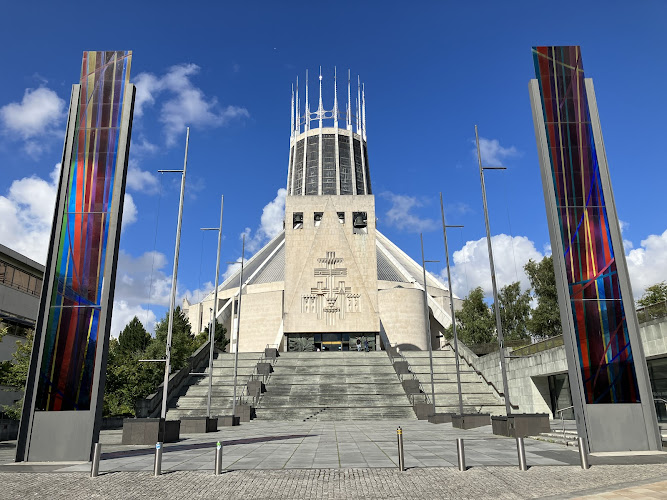
Liverpool Metropolitan Cathedral

Walker Art Gallery

Sefton Park Palm House
Find Accommodations Nearby
Recommended Tours & Activities
Visitor Reviews
There are no reviews yet. Be the first one to write one.
Share Your Experience
Have you visited The British Music Experience? Help other travelers by leaving a review.