
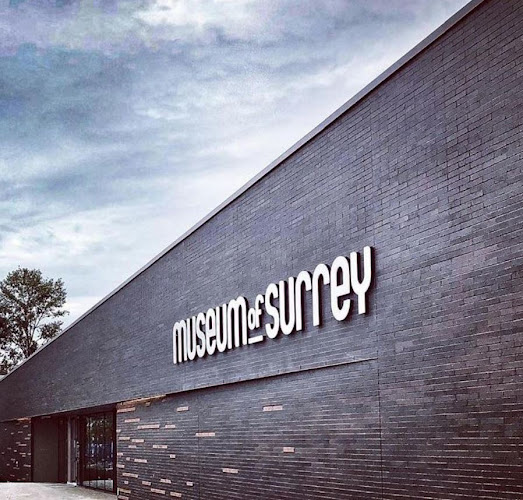
Museum of Surrey
About Museum of Surrey
Description
The Museum of Surrey offers travelers an authentic glimpse into British Columbia's Lower Mainland history through thoughtfully curated exhibits that trace the region's evolution from its Indigenous roots through pioneer settlement and into modern times. What makes this museum particularly engaging is its commitment to interactive learning - you won't find yourself simply reading plaques on walls here. The museum strikes that perfect balance between educational value and actual entertainment, which honestly can be hard to find in regional museums. Walking through the galleries, visitors encounter a genuine pioneer-era cabin that's been preserved with remarkable attention to detail. You can almost smell the wood smoke and imagine what life was like for early settlers carving out an existence in what was then dense wilderness. But this isn't just a static display gathering dust. The museum has developed hands-on activities that let you actually experience aspects of Surrey's past rather than just observing from behind velvet ropes. What really surprised me when learning about this place was how it manages to appeal to such a broad range of visitors. Families with restless kids find plenty to keep little ones engaged, while history enthusiasts can dive deep into the archival collections and rotating exhibits. The museum doesn't talk down to anyone - it respects both the seven-year-old who wants to touch everything and the retired professor looking for substantive historical content. The facility itself reflects Surrey's growth from a small agricultural community into one of British Columbia's largest cities. Through carefully assembled artifacts, photographs, and multimedia presentations, the museum tells stories that would otherwise be lost to time. And thankfully, they've included perspectives from the various communities that have shaped Surrey's character over the decades.Key Features
The Museum of Surrey distinguishes itself through several standout features that enhance the visitor experience:- A fully preserved pioneer-era cabin that transports visitors back to Surrey's earliest days of European settlement, complete with period-appropriate furnishings and tools that illustrate the challenging realities of frontier life
- Interactive hands-on activities designed to engage visitors of all ages, allowing them to touch, manipulate, and experiment with historical concepts rather than maintaining the traditional museum "look but don't touch" approach
- Dedicated play area specifically designed for younger visitors, recognizing that children learn best through active exploration rather than passive observation
- Live performances that bring history to life through storytelling, reenactments, and cultural demonstrations that add dimension to static exhibits
- Full accessibility features including assisted listening devices, wheelchair-accessible entrances, parking, and restrooms ensuring that everyone can enjoy the museum regardless of physical limitations
- Free parking both in dedicated lots and on surrounding streets, which is honestly a huge relief for travelers who've dealt with expensive downtown museum parking elsewhere
- Complimentary Wi-Fi throughout the facility, allowing visitors to share their experiences in real-time or research additional information about exhibits that catch their interest
- Rotating exhibits that change regularly, giving repeat visitors fresh content and ensuring the museum stays current with new historical research and community interests
- Climate-controlled environment that protects both the artifacts and provides comfortable viewing conditions year-round
Best Time to Visit
Timing your visit to the Museum of Surrey can significantly impact your experience, and there's more to consider than just the weather outside. Weekday mornings, particularly Tuesday through Thursday between 10 AM and noon, tend to be quieter periods when you'll have more space to explore exhibits at your own pace. If you're the type who likes to read every placard and really absorb the information without crowds pressing in around you, these time slots work beautifully. Weekend afternoons can get pretty busy, especially during school holidays and summer months when families are looking for educational entertainment options. But honestly, there's something kind of wonderful about experiencing the museum when it's buzzing with energy. The sound of kids excitedly discovering something new, families discussing what they're seeing - it adds a certain life to the place that you miss during quieter hours. The shoulder seasons of spring and fall offer ideal visiting conditions. September through November and March through May typically see moderate visitor numbers, and the museum often schedules special exhibits and programming during these periods to attract audiences. Plus, Surrey's weather during these months is generally pleasant - not too hot, not too rainy - making your entire visit more comfortable. Winter months from December through February are actually underrated for museum visits. Sure, it rains in the Lower Mainland during winter, but that makes it the perfect time for indoor activities. The museum often features holiday-themed programming in December, and January and February tend to be genuinely quiet if you prefer a more contemplative experience. Summer brings school groups and summer camp field trips during weekdays, so if you're visiting during July and August, weekend mornings might actually be your best bet for avoiding the largest crowds. Though I'll say this - the energy that school groups bring can be infectious, and their enthusiasm sometimes helps you see exhibits with fresh eyes.How to Get There
Getting to the Museum of Surrey is straightforward whether you're driving or using public transportation, though like most destinations in suburban Metro Vancouver, having a car definitely simplifies things. For drivers, the museum is easily accessible from major routes throughout the region. If you're coming from Vancouver or other areas north of the Fraser River, you'll likely cross via the Pattullo Bridge or the Port Mann Bridge, then navigate through Surrey's road network. The GPS coordinates will get you there without much fuss, and as mentioned earlier, parking is free which immediately puts this museum ahead of many urban alternatives. Public transit users can utilize TransLink's extensive bus network that serves Surrey. Several bus routes stop within reasonable walking distance of the museum, though you'll want to check current schedules and routes before your visit since service can vary depending on the day and time. The journey might take longer than driving, but it's certainly doable and saves you from navigating unfamiliar streets. Coming from the United States? Surrey sits just north of the border, making it accessible for day trips from Washington State. After clearing customs at one of the nearby border crossings, it's a relatively short drive into Surrey proper. Just remember to bring your passport and factor in potential wait times at the border when planning your schedule. The museum's location in Surrey means you're not dealing with the congestion and confusion of downtown Vancouver, which is honestly refreshing. You won't be circling blocks looking for parking or struggling with complex one-way street systems. It's the kind of straightforward access that makes you actually want to visit rather than dreading the logistics. If you're staying in Surrey already, you might even be within walking or cycling distance depending on your accommodation. The city has been improving its pedestrian and cycling infrastructure, making active transportation increasingly viable for getting around.Tips for Visiting
Making the most of your Museum of Surrey experience requires a bit of planning and some insider knowledge that you won't necessarily find on the official website. First off, don't rush your visit. I know travel itineraries can get packed, but this isn't a place to speed through in 30 minutes. Allocate at least two hours, preferably three if you're traveling with kids who want to engage with the hands-on activities. The pioneer cabin alone deserves a good 20 minutes if you want to appreciate the details and imagine the lives lived within those walls. Bring the whole family without hesitation. This museum was designed with multi-generational visits in mind, and the play area means even toddlers who can't yet grasp historical concepts have somewhere appropriate to burn energy. The accessibility features mean that grandparents with mobility challenges can fully participate too. It's genuinely one of those rare places where a family spanning ages 3 to 83 can all find something meaningful. Check the performance schedule before you arrive. The live performances add tremendous value to the visit, but they happen at specific times. You'd hate to miss a fascinating presentation on Coast Salish traditions or pioneer music simply because you didn't know it was happening. The museum typically posts schedules online, though calling ahead doesn't hurt either. Take advantage of the Wi-Fi, but don't let your phone dominate the experience. Yes, snap photos of exhibits that resonate with you, but also put the device away and just experience things directly. The best museum visits happen when you're present rather than viewing everything through a screen. Don't expect a restaurant or cafe on site - there isn't one. Eat before you come or plan to grab food afterward at one of Surrey's many dining options nearby. You can bring water bottles though, and staying hydrated while walking through exhibits just makes sense. Ask questions. Museum staff and volunteers are typically passionate about Surrey's history and love sharing knowledge. If something piques your curiosity, strike up a conversation. Some of the best insights come from these informal exchanges rather than formal exhibit text. The restrooms are clean and well-maintained, which might seem like a minor point but becomes important during longer visits, especially with children. It's one of those practical considerations that affects overall comfort. Consider visiting more than once if you're in the area for an extended stay. The rotating exhibits mean return visits offer new content, and sometimes you notice details on a second viewing that you missed initially. Finally, approach the museum with openness to learning about a place that might not be on everyone's radar. Surrey doesn't have the international recognition of Vancouver or Victoria, but its history is equally rich and in some ways more representative of typical Western Canadian development. You'll leave with appreciation for how communities grow and change, and maybe some unexpected insights into the broader patterns of settlement and cultural evolution that shaped British Columbia.Key Features
- Dedicated play area specifically designed for younger visitors, recognizing that children learn best through active exploration rather than passive observation
- Live performances that bring history to life through storytelling, reenactments, and cultural demonstrations that add dimension to static exhibits
- Free parking both in dedicated lots and on surrounding streets, which is honestly a huge relief for travelers who've dealt with expensive downtown museum parking elsewhere
- Complimentary Wi-Fi throughout the facility, allowing visitors to share their experiences in real-time or research additional information about exhibits that catch their interest
- Rotating exhibits that change regularly, giving repeat visitors fresh content and ensuring the museum stays current with new historical research and community interests
More Details
Updated March 30, 2026
Table of Contents
Description
The Museum of Surrey offers travelers an authentic glimpse into British Columbia’s Lower Mainland history through thoughtfully curated exhibits that trace the region’s evolution from its Indigenous roots through pioneer settlement and into modern times. What makes this museum particularly engaging is its commitment to interactive learning – you won’t find yourself simply reading plaques on walls here. The museum strikes that perfect balance between educational value and actual entertainment, which honestly can be hard to find in regional museums.
Walking through the galleries, visitors encounter a genuine pioneer-era cabin that’s been preserved with remarkable attention to detail. You can almost smell the wood smoke and imagine what life was like for early settlers carving out an existence in what was then dense wilderness. But this isn’t just a static display gathering dust. The museum has developed hands-on activities that let you actually experience aspects of Surrey’s past rather than just observing from behind velvet ropes.
What really surprised me when learning about this place was how it manages to appeal to such a broad range of visitors. Families with restless kids find plenty to keep little ones engaged, while history enthusiasts can dive deep into the archival collections and rotating exhibits. The museum doesn’t talk down to anyone – it respects both the seven-year-old who wants to touch everything and the retired professor looking for substantive historical content.
The facility itself reflects Surrey’s growth from a small agricultural community into one of British Columbia’s largest cities. Through carefully assembled artifacts, photographs, and multimedia presentations, the museum tells stories that would otherwise be lost to time. And thankfully, they’ve included perspectives from the various communities that have shaped Surrey’s character over the decades.
Key Features
The Museum of Surrey distinguishes itself through several standout features that enhance the visitor experience:
- A fully preserved pioneer-era cabin that transports visitors back to Surrey’s earliest days of European settlement, complete with period-appropriate furnishings and tools that illustrate the challenging realities of frontier life
- Interactive hands-on activities designed to engage visitors of all ages, allowing them to touch, manipulate, and experiment with historical concepts rather than maintaining the traditional museum “look but don’t touch” approach
- Dedicated play area specifically designed for younger visitors, recognizing that children learn best through active exploration rather than passive observation
- Live performances that bring history to life through storytelling, reenactments, and cultural demonstrations that add dimension to static exhibits
- Full accessibility features including assisted listening devices, wheelchair-accessible entrances, parking, and restrooms ensuring that everyone can enjoy the museum regardless of physical limitations
- Free parking both in dedicated lots and on surrounding streets, which is honestly a huge relief for travelers who’ve dealt with expensive downtown museum parking elsewhere
- Complimentary Wi-Fi throughout the facility, allowing visitors to share their experiences in real-time or research additional information about exhibits that catch their interest
- Rotating exhibits that change regularly, giving repeat visitors fresh content and ensuring the museum stays current with new historical research and community interests
- Climate-controlled environment that protects both the artifacts and provides comfortable viewing conditions year-round
Best Time to Visit
Timing your visit to the Museum of Surrey can significantly impact your experience, and there’s more to consider than just the weather outside.
Weekday mornings, particularly Tuesday through Thursday between 10 AM and noon, tend to be quieter periods when you’ll have more space to explore exhibits at your own pace. If you’re the type who likes to read every placard and really absorb the information without crowds pressing in around you, these time slots work beautifully.
Weekend afternoons can get pretty busy, especially during school holidays and summer months when families are looking for educational entertainment options. But honestly, there’s something kind of wonderful about experiencing the museum when it’s buzzing with energy. The sound of kids excitedly discovering something new, families discussing what they’re seeing – it adds a certain life to the place that you miss during quieter hours.
The shoulder seasons of spring and fall offer ideal visiting conditions. September through November and March through May typically see moderate visitor numbers, and the museum often schedules special exhibits and programming during these periods to attract audiences. Plus, Surrey’s weather during these months is generally pleasant – not too hot, not too rainy – making your entire visit more comfortable.
Winter months from December through February are actually underrated for museum visits. Sure, it rains in the Lower Mainland during winter, but that makes it the perfect time for indoor activities. The museum often features holiday-themed programming in December, and January and February tend to be genuinely quiet if you prefer a more contemplative experience.
Summer brings school groups and summer camp field trips during weekdays, so if you’re visiting during July and August, weekend mornings might actually be your best bet for avoiding the largest crowds. Though I’ll say this – the energy that school groups bring can be infectious, and their enthusiasm sometimes helps you see exhibits with fresh eyes.
How to Get There
Getting to the Museum of Surrey is straightforward whether you’re driving or using public transportation, though like most destinations in suburban Metro Vancouver, having a car definitely simplifies things.
For drivers, the museum is easily accessible from major routes throughout the region. If you’re coming from Vancouver or other areas north of the Fraser River, you’ll likely cross via the Pattullo Bridge or the Port Mann Bridge, then navigate through Surrey’s road network. The GPS coordinates will get you there without much fuss, and as mentioned earlier, parking is free which immediately puts this museum ahead of many urban alternatives.
Public transit users can utilize TransLink’s extensive bus network that serves Surrey. Several bus routes stop within reasonable walking distance of the museum, though you’ll want to check current schedules and routes before your visit since service can vary depending on the day and time. The journey might take longer than driving, but it’s certainly doable and saves you from navigating unfamiliar streets.
Coming from the United States? Surrey sits just north of the border, making it accessible for day trips from Washington State. After clearing customs at one of the nearby border crossings, it’s a relatively short drive into Surrey proper. Just remember to bring your passport and factor in potential wait times at the border when planning your schedule.
The museum’s location in Surrey means you’re not dealing with the congestion and confusion of downtown Vancouver, which is honestly refreshing. You won’t be circling blocks looking for parking or struggling with complex one-way street systems. It’s the kind of straightforward access that makes you actually want to visit rather than dreading the logistics.
If you’re staying in Surrey already, you might even be within walking or cycling distance depending on your accommodation. The city has been improving its pedestrian and cycling infrastructure, making active transportation increasingly viable for getting around.
Tips for Visiting
Making the most of your Museum of Surrey experience requires a bit of planning and some insider knowledge that you won’t necessarily find on the official website.
First off, don’t rush your visit. I know travel itineraries can get packed, but this isn’t a place to speed through in 30 minutes. Allocate at least two hours, preferably three if you’re traveling with kids who want to engage with the hands-on activities. The pioneer cabin alone deserves a good 20 minutes if you want to appreciate the details and imagine the lives lived within those walls.
Bring the whole family without hesitation. This museum was designed with multi-generational visits in mind, and the play area means even toddlers who can’t yet grasp historical concepts have somewhere appropriate to burn energy. The accessibility features mean that grandparents with mobility challenges can fully participate too. It’s genuinely one of those rare places where a family spanning ages 3 to 83 can all find something meaningful.
Check the performance schedule before you arrive. The live performances add tremendous value to the visit, but they happen at specific times. You’d hate to miss a fascinating presentation on Coast Salish traditions or pioneer music simply because you didn’t know it was happening. The museum typically posts schedules online, though calling ahead doesn’t hurt either.
Take advantage of the Wi-Fi, but don’t let your phone dominate the experience. Yes, snap photos of exhibits that resonate with you, but also put the device away and just experience things directly. The best museum visits happen when you’re present rather than viewing everything through a screen.
Don’t expect a restaurant or cafe on site – there isn’t one. Eat before you come or plan to grab food afterward at one of Surrey’s many dining options nearby. You can bring water bottles though, and staying hydrated while walking through exhibits just makes sense.
Ask questions. Museum staff and volunteers are typically passionate about Surrey’s history and love sharing knowledge. If something piques your curiosity, strike up a conversation. Some of the best insights come from these informal exchanges rather than formal exhibit text.
The restrooms are clean and well-maintained, which might seem like a minor point but becomes important during longer visits, especially with children. It’s one of those practical considerations that affects overall comfort.
Consider visiting more than once if you’re in the area for an extended stay. The rotating exhibits mean return visits offer new content, and sometimes you notice details on a second viewing that you missed initially.
Finally, approach the museum with openness to learning about a place that might not be on everyone’s radar. Surrey doesn’t have the international recognition of Vancouver or Victoria, but its history is equally rich and in some ways more representative of typical Western Canadian development. You’ll leave with appreciation for how communities grow and change, and maybe some unexpected insights into the broader patterns of settlement and cultural evolution that shaped British Columbia.
Key Highlights
- Dedicated play area specifically designed for younger visitors, recognizing that children learn best through active exploration rather than passive observation
- Live performances that bring history to life through storytelling, reenactments, and cultural demonstrations that add dimension to static exhibits
- Free parking both in dedicated lots and on surrounding streets, which is honestly a huge relief for travelers who've dealt with expensive downtown museum parking elsewhere
- Complimentary Wi-Fi throughout the facility, allowing visitors to share their experiences in real-time or research additional information about exhibits that catch their interest
- Rotating exhibits that change regularly, giving repeat visitors fresh content and ensuring the museum stays current with new historical research and community interests
Location
Places to Stay Near Museum of Surrey
Find and Book a Tour
Explore More Travel Guides
No reviews found! Be the first to review!
Museum of Surrey is a prominent museums located in Surrey.
Visit us at: 17710 56a Ave, Surrey, BC V3S 5H8, Canada.
Traveler Reviews for Museum of Surrey
There are no reviews yet. Be the first one to write one.
Have you visited Museum of Surrey? Help other travelers by sharing your review.
You Might Also Like
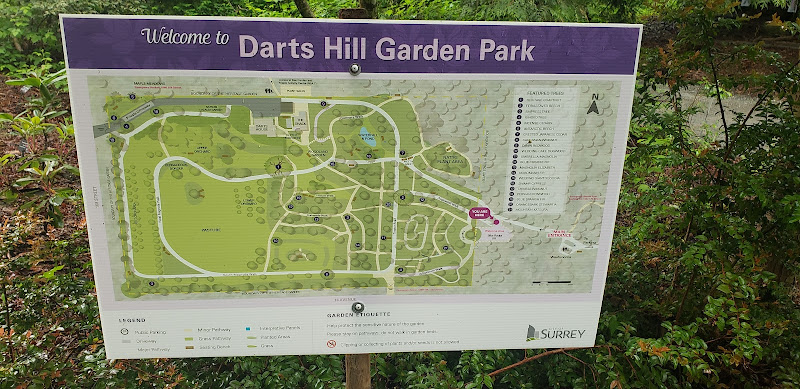
Darts Hill Garden Park

Blackie Spit

Serpentine Fen
Find Accommodations Nearby
Recommended Tours & Activities
Visitor Reviews
There are no reviews yet. Be the first one to write one.
Share Your Experience
Have you visited Museum of Surrey? Help other travelers by leaving a review.