
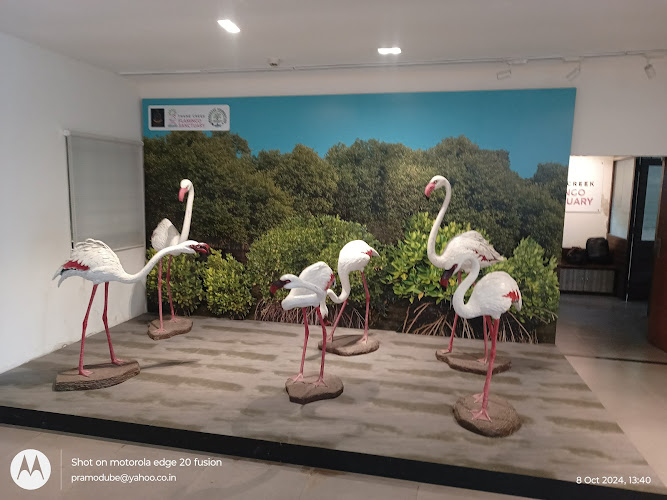
Coastal & Marine Biodiversity Centre, Diva koliwada
About Coastal & Marine Biodiversity Centre, Diva koliwada
Description
The Coastal & Marine Biodiversity Centre in Diva Koliwada offers travelers a fascinating window into Mumbai's rich maritime heritage and the incredible underwater ecosystems that thrive along India's western coastline. This educational attraction stands as a testament to the region's deep connection with the sea, showcasing everything from local fishing traditions to the diverse marine life that inhabits these waters. Unlike your typical museum experience, this center manages to blend scientific education with cultural appreciation in a way that actually keeps visitors engaged. What makes this place particularly special is its location within Koliwada, a traditional fishing community that has maintained its unique identity despite Mumbai's rapid modernization. The center doesn't just display information behind glass panels – it brings the ocean's story to life through interactive exhibits and educational programs that resonate with both kids and adults. And honestly, in a city where genuine cultural experiences sometimes feel commercialized, finding a place that authentically represents the coastal communities' relationship with marine biodiversity feels refreshing. Visitors shouldn't expect a massive aquarium or theme park atmosphere here. Instead, the center focuses on conservation awareness and marine education, making it ideal for families seeking meaningful experiences rather than just photo opportunities. The facility has grown increasingly popular among school groups and environmentally conscious travelers who want to understand the delicate balance of coastal ecosystems. The center also offers boat-based experiences that give visitors a real taste of what fishing communities encounter daily, which transforms abstract conservation concepts into tangible understanding.Key Features
The Coastal & Marine Biodiversity Centre provides several distinctive features that set it apart from conventional tourist attractions:
- Comprehensive exhibits detailing the marine biodiversity found along Mumbai's coastline, including species that many locals don't even realize exist in their waters
- Interactive educational programs designed to engage visitors of all ages with hands-on learning about ocean conservation and the importance of protecting marine habitats
- Boat excursions that take visitors into the coastal waters, offering firsthand observation of marine environments and fishing practices that have sustained communities for generations
- Cultural insights into the Koli community's traditional fishing methods and their evolving relationship with marine conservation efforts
- Wheelchair accessible facilities throughout the center, including entrance and parking areas, making it genuinely inclusive for visitors with mobility challenges
- Clean restroom facilities maintained for visitor comfort during extended visits
- Educational resources and materials available for students and researchers interested in marine biology and coastal ecosystem management
- Dedicated staff members who genuinely care about marine conservation and can share knowledge that goes beyond what's written on display boards
- Photography opportunities that capture both the educational aspects and the beautiful coastal setting, though the real magic happens in what you learn rather than what you photograph
- Onsite services that ensure visitors have support throughout their experience, from ticket assistance to answering questions about exhibits
Best Time to Visit
Timing your visit to the Coastal & Marine Biodiversity Centre requires considering both weather patterns and crowd levels. The optimal period stretches from October through February when Mumbai's climate becomes considerably more pleasant. During these months, temperatures hover around a comfortable range, and the humidity that characterizes the city during monsoon season has subsided. This makes both indoor exploration and outdoor boat activities far more enjoyable. The monsoon season from June to September presents a different experience altogether. While the center remains open, boat excursions might get cancelled due to rough seas and safety concerns. But if you're someone who appreciates dramatic coastal scenery and don't mind occasional rain, this period offers its own charm. The marine life actually becomes more active during this time, though observing it becomes trickier. Weekdays generally see fewer visitors compared to weekends, particularly Saturday afternoons when local families flock to the center. If you prefer a quieter, more contemplative visit where you can actually read the exhibits without jostling for position, aim for a Tuesday or Wednesday morning. School groups tend to visit during mid-morning hours on weekdays, so arriving right when the center opens or after lunch typically means thinner crowds. Early mornings, especially around 9 AM, provide the best conditions for boat trips if those interest you. The sea tends to be calmer, visibility improves, and you might catch fishermen heading out for their daily work. I'd recommend booking tickets in advance, particularly if you're planning a weekend visit or coming during school holiday periods. The center has gained enough popularity that showing up without reservation can sometimes mean disappointment, especially during peak tourist season.How to Get There
Reaching the Coastal & Marine Biodiversity Centre in Diva Koliwada requires some planning since it's not located in Mumbai's main tourist circuit. The center sits in an area that maintains its local character, which means navigation can get a bit tricky for first-time visitors. For those using Mumbai's extensive local train network, Diva Railway Station on the Central Line serves as the nearest major station. From there, auto-rickshaws and taxis can take visitors directly to Koliwada. The ride typically takes about 10-15 minutes depending on traffic conditions. Make sure your driver understands you're heading to the marine center specifically, as Koliwada encompasses a larger residential area. Travelers preferring taxis or app-based ride services will find this the most convenient option, particularly if you're coming from South Mumbai or other distant parts of the city. The journey from central Mumbai areas takes roughly 45 minutes to an hour, though Mumbai's notorious traffic can extend this significantly during peak hours. The center provides wheelchair accessible parking, which makes arriving by private vehicle especially practical for visitors with mobility requirements. Public buses do service the Diva area, but routes change frequently and navigating Mumbai's bus system requires local knowledge that most travelers lack. Unless you're particularly adventurous or traveling with someone familiar with the routes, stick with trains and taxis. Once you enter the Koliwada area, asking locals for directions works surprisingly well. The fishing community takes pride in the center, and residents generally provide helpful guidance. The smell of drying fish and sight of colorful fishing boats indicates you're in the right neighborhood – just follow the coastal road and watch for signage.Tips for Visiting
Making the most of your visit to the Coastal & Marine Biodiversity Centre involves some preparation and awareness that'll enhance your experience considerably. First things first – book your tickets online before arriving. The center strongly recommends advance booking, and from practical experience, this advice holds weight. During peak periods, walk-in visitors sometimes face long waits or even turned away at capacity. The booking process takes just a few minutes and saves potential frustration later. Dress comfortably and practically, especially if you're planning to participate in boat excursions. Closed-toe shoes with good grip work better than sandals when boarding boats. Bring a light jacket even during warmer months since ocean breezes can feel chilly once you're on the water. And sunscreen – don't forget sunscreen. The reflection off water intensifies UV exposure, and I've seen too many enthusiastic visitors turn lobster-red after a couple hours. Photography enthusiasts should bring proper equipment, but remember that the educational value here surpasses Instagram opportunities. Some of the most meaningful exhibits don't photograph particularly well, yet they contain information that genuinely changes how you think about ocean conservation. Take notes if something resonates with you – that information often proves more valuable than dozens of mediocre photos. The center welcomes children and actually provides excellent programming for younger visitors. However, keeping kids engaged requires some parental involvement. The interactive elements work best when adults help children connect concepts to real-world implications. Bringing along some snacks and water bottles helps too, though proper meals should probably happen before or after your visit since dining options within the center are limited. Engage with the staff members and educators present at the center. These folks possess deep knowledge about marine ecosystems and local fishing traditions that doesn't appear on any placard or brochure. Asking questions often leads to fascinating discussions that transform a simple visit into genuine learning experience. Allow at least two to three hours for a thorough visit. Rushing through defeats the purpose of coming here in the first place. The center rewards patience and curiosity rather than checkbox tourism. If you're interested in boat excursions, add another hour or two to your schedule. Respect the local community while visiting. You're entering a neighborhood where real people live and work, not a theme park designed for tourist entertainment. The Koli community has welcomed this center and visitors, but maintaining that goodwill requires respectful behavior. Don't photograph residents without permission, watch where you walk since fishing equipment often occupies pathways, and remember that this working waterfront continues functioning regardless of tourist presence. Timing your visit to coincide with specific programs or guided tours often provides deeper insights than self-guided exploration. Check the center's schedule when booking tickets to see if special presentations align with your visit dates. These programs typically require separate registration but deliver value that justifies any additional planning effort. Finally, come with an open mind and genuine interest in marine conservation. The Coastal & Marine Biodiversity Centre isn't trying to be the flashiest attraction in Mumbai – it serves a more important purpose of education and awareness. Visitors who appreciate that mission leave with understanding and inspiration that typical tourist spots rarely provide. And maybe, just maybe, you'll return home thinking differently about that fish on your dinner plate or that plastic bottle you nearly tossed in the trash.Key Features
- Comprehensive exhibits detailing the marine biodiversity found along Mumbai's coastline, including species that many locals don't even realize exist in their waters
- Interactive educational programs designed to engage visitors of all ages with hands-on learning about ocean conservation and the importance of protecting marine habitats
- Boat excursions that take visitors into the coastal waters, offering firsthand observation of marine environments and fishing practices that have sustained communities for generations
- Cultural insights into the Koli community's traditional fishing methods and their evolving relationship with marine conservation efforts
- Wheelchair accessible facilities throughout the center, including entrance and parking areas, making it genuinely inclusive for visitors with mobility challenges
- Clean restroom facilities maintained for visitor comfort during extended visits
- Educational resources and materials available for students and researchers interested in marine biology and coastal ecosystem management
- Dedicated staff members who genuinely care about marine conservation and can share knowledge that goes beyond what's written on display boards
More Details
Updated March 30, 2026
Table of Contents
- Description
- Key Features
- Best Time to Visit
- How to Get There
- Tips for Visiting
- Key Highlights
- Location
- Places to Stay Near Coastal & Marine Biodiversity Centre, Diva koliwada
- Find and Book a Tour
- Explore More Travel Guides
- Nearby Places You Might Like
- Traveler Reviews for Coastal & Marine Biodiversity Centre, Diva koliwada
- Share Your Experience
Description
The Coastal & Marine Biodiversity Centre in Diva Koliwada offers travelers a fascinating window into Mumbai’s rich maritime heritage and the incredible underwater ecosystems that thrive along India’s western coastline. This educational attraction stands as a testament to the region’s deep connection with the sea, showcasing everything from local fishing traditions to the diverse marine life that inhabits these waters. Unlike your typical museum experience, this center manages to blend scientific education with cultural appreciation in a way that actually keeps visitors engaged.
What makes this place particularly special is its location within Koliwada, a traditional fishing community that has maintained its unique identity despite Mumbai’s rapid modernization. The center doesn’t just display information behind glass panels – it brings the ocean’s story to life through interactive exhibits and educational programs that resonate with both kids and adults. And honestly, in a city where genuine cultural experiences sometimes feel commercialized, finding a place that authentically represents the coastal communities’ relationship with marine biodiversity feels refreshing.
Visitors shouldn’t expect a massive aquarium or theme park atmosphere here. Instead, the center focuses on conservation awareness and marine education, making it ideal for families seeking meaningful experiences rather than just photo opportunities. The facility has grown increasingly popular among school groups and environmentally conscious travelers who want to understand the delicate balance of coastal ecosystems. The center also offers boat-based experiences that give visitors a real taste of what fishing communities encounter daily, which transforms abstract conservation concepts into tangible understanding.
Key Features
The Coastal & Marine Biodiversity Centre provides several distinctive features that set it apart from conventional tourist attractions:
- Comprehensive exhibits detailing the marine biodiversity found along Mumbai’s coastline, including species that many locals don’t even realize exist in their waters
- Interactive educational programs designed to engage visitors of all ages with hands-on learning about ocean conservation and the importance of protecting marine habitats
- Boat excursions that take visitors into the coastal waters, offering firsthand observation of marine environments and fishing practices that have sustained communities for generations
- Cultural insights into the Koli community’s traditional fishing methods and their evolving relationship with marine conservation efforts
- Wheelchair accessible facilities throughout the center, including entrance and parking areas, making it genuinely inclusive for visitors with mobility challenges
- Clean restroom facilities maintained for visitor comfort during extended visits
- Educational resources and materials available for students and researchers interested in marine biology and coastal ecosystem management
- Dedicated staff members who genuinely care about marine conservation and can share knowledge that goes beyond what’s written on display boards
- Photography opportunities that capture both the educational aspects and the beautiful coastal setting, though the real magic happens in what you learn rather than what you photograph
- Onsite services that ensure visitors have support throughout their experience, from ticket assistance to answering questions about exhibits
Best Time to Visit
Timing your visit to the Coastal & Marine Biodiversity Centre requires considering both weather patterns and crowd levels. The optimal period stretches from October through February when Mumbai’s climate becomes considerably more pleasant. During these months, temperatures hover around a comfortable range, and the humidity that characterizes the city during monsoon season has subsided. This makes both indoor exploration and outdoor boat activities far more enjoyable.
The monsoon season from June to September presents a different experience altogether. While the center remains open, boat excursions might get cancelled due to rough seas and safety concerns. But if you’re someone who appreciates dramatic coastal scenery and don’t mind occasional rain, this period offers its own charm. The marine life actually becomes more active during this time, though observing it becomes trickier.
Weekdays generally see fewer visitors compared to weekends, particularly Saturday afternoons when local families flock to the center. If you prefer a quieter, more contemplative visit where you can actually read the exhibits without jostling for position, aim for a Tuesday or Wednesday morning. School groups tend to visit during mid-morning hours on weekdays, so arriving right when the center opens or after lunch typically means thinner crowds.
Early mornings, especially around 9 AM, provide the best conditions for boat trips if those interest you. The sea tends to be calmer, visibility improves, and you might catch fishermen heading out for their daily work. I’d recommend booking tickets in advance, particularly if you’re planning a weekend visit or coming during school holiday periods. The center has gained enough popularity that showing up without reservation can sometimes mean disappointment, especially during peak tourist season.
How to Get There
Reaching the Coastal & Marine Biodiversity Centre in Diva Koliwada requires some planning since it’s not located in Mumbai’s main tourist circuit. The center sits in an area that maintains its local character, which means navigation can get a bit tricky for first-time visitors.
For those using Mumbai’s extensive local train network, Diva Railway Station on the Central Line serves as the nearest major station. From there, auto-rickshaws and taxis can take visitors directly to Koliwada. The ride typically takes about 10-15 minutes depending on traffic conditions. Make sure your driver understands you’re heading to the marine center specifically, as Koliwada encompasses a larger residential area.
Travelers preferring taxis or app-based ride services will find this the most convenient option, particularly if you’re coming from South Mumbai or other distant parts of the city. The journey from central Mumbai areas takes roughly 45 minutes to an hour, though Mumbai’s notorious traffic can extend this significantly during peak hours. The center provides wheelchair accessible parking, which makes arriving by private vehicle especially practical for visitors with mobility requirements.
Public buses do service the Diva area, but routes change frequently and navigating Mumbai’s bus system requires local knowledge that most travelers lack. Unless you’re particularly adventurous or traveling with someone familiar with the routes, stick with trains and taxis.
Once you enter the Koliwada area, asking locals for directions works surprisingly well. The fishing community takes pride in the center, and residents generally provide helpful guidance. The smell of drying fish and sight of colorful fishing boats indicates you’re in the right neighborhood – just follow the coastal road and watch for signage.
Tips for Visiting
Making the most of your visit to the Coastal & Marine Biodiversity Centre involves some preparation and awareness that’ll enhance your experience considerably.
First things first – book your tickets online before arriving. The center strongly recommends advance booking, and from practical experience, this advice holds weight. During peak periods, walk-in visitors sometimes face long waits or even turned away at capacity. The booking process takes just a few minutes and saves potential frustration later.
Dress comfortably and practically, especially if you’re planning to participate in boat excursions. Closed-toe shoes with good grip work better than sandals when boarding boats. Bring a light jacket even during warmer months since ocean breezes can feel chilly once you’re on the water. And sunscreen – don’t forget sunscreen. The reflection off water intensifies UV exposure, and I’ve seen too many enthusiastic visitors turn lobster-red after a couple hours.
Photography enthusiasts should bring proper equipment, but remember that the educational value here surpasses Instagram opportunities. Some of the most meaningful exhibits don’t photograph particularly well, yet they contain information that genuinely changes how you think about ocean conservation. Take notes if something resonates with you – that information often proves more valuable than dozens of mediocre photos.
The center welcomes children and actually provides excellent programming for younger visitors. However, keeping kids engaged requires some parental involvement. The interactive elements work best when adults help children connect concepts to real-world implications. Bringing along some snacks and water bottles helps too, though proper meals should probably happen before or after your visit since dining options within the center are limited.
Engage with the staff members and educators present at the center. These folks possess deep knowledge about marine ecosystems and local fishing traditions that doesn’t appear on any placard or brochure. Asking questions often leads to fascinating discussions that transform a simple visit into genuine learning experience.
Allow at least two to three hours for a thorough visit. Rushing through defeats the purpose of coming here in the first place. The center rewards patience and curiosity rather than checkbox tourism. If you’re interested in boat excursions, add another hour or two to your schedule.
Respect the local community while visiting. You’re entering a neighborhood where real people live and work, not a theme park designed for tourist entertainment. The Koli community has welcomed this center and visitors, but maintaining that goodwill requires respectful behavior. Don’t photograph residents without permission, watch where you walk since fishing equipment often occupies pathways, and remember that this working waterfront continues functioning regardless of tourist presence.
Timing your visit to coincide with specific programs or guided tours often provides deeper insights than self-guided exploration. Check the center’s schedule when booking tickets to see if special presentations align with your visit dates. These programs typically require separate registration but deliver value that justifies any additional planning effort.
Finally, come with an open mind and genuine interest in marine conservation. The Coastal & Marine Biodiversity Centre isn’t trying to be the flashiest attraction in Mumbai – it serves a more important purpose of education and awareness. Visitors who appreciate that mission leave with understanding and inspiration that typical tourist spots rarely provide. And maybe, just maybe, you’ll return home thinking differently about that fish on your dinner plate or that plastic bottle you nearly tossed in the trash.
Key Highlights
- Comprehensive exhibits detailing the marine biodiversity found along Mumbai's coastline, including species that many locals don't even realize exist in their waters
- Interactive educational programs designed to engage visitors of all ages with hands-on learning about ocean conservation and the importance of protecting marine habitats
- Boat excursions that take visitors into the coastal waters, offering firsthand observation of marine environments and fishing practices that have sustained communities for generations
- Cultural insights into the Koli community's traditional fishing methods and their evolving relationship with marine conservation efforts
- Wheelchair accessible facilities throughout the center, including entrance and parking areas, making it genuinely inclusive for visitors with mobility challenges
- Clean restroom facilities maintained for visitor comfort during extended visits
- Educational resources and materials available for students and researchers interested in marine biology and coastal ecosystem management
- Dedicated staff members who genuinely care about marine conservation and can share knowledge that goes beyond what's written on display boards
Location
Places to Stay Near Coastal & Marine Biodiversity Centre, Diva koliwada
Find and Book a Tour
Explore More Travel Guides
No reviews found! Be the first to review!
Coastal & Marine Biodiversity Centre, Diva koliwada is a prominent attractions located in Navi Mumbai.
Visit us at: 2, Diva Nagar Rd, Mangrove Forest, Airoli, Navi Mumbai, Maharashtra 400708, India.
Traveler Reviews for Coastal & Marine Biodiversity Centre, Diva koliwada
There are no reviews yet. Be the first one to write one.
Have you visited Coastal & Marine Biodiversity Centre, Diva koliwada? Help other travelers by sharing your review.
You Might Also Like
Find Accommodations Nearby
Recommended Tours & Activities
Visitor Reviews
There are no reviews yet. Be the first one to write one.
Share Your Experience
Have you visited Coastal & Marine Biodiversity Centre, Diva koliwada? Help other travelers by leaving a review.