

Xishuangbanna Tropical Zoo
About Xishuangbanna Tropical Zoo
Description
Xishuangbanna Tropical Zoo sits in one of China's most biodiverse regions, offering travelers a genuine window into the wildlife of Southeast Asia's tropical zones. This facility isn't your typical concrete-heavy zoo—it's been designed to showcase animals within settings that actually resemble their natural habitats, which honestly makes the whole experience feel less artificial than many larger zoos I've encountered during my travels. The zoo serves as both a conservation center and a place where families can spend an afternoon learning about species that call this corner of Yunnan Province home. What struck me most when researching this attraction is how it manages to balance education with entertainment, particularly for younger visitors who might not have the patience for purely academic wildlife presentations. Located in the Xishuangbanna Dai Autonomous Prefecture, this zoo benefits from the region's genuinely tropical climate—something quite rare for China. The weather here allows for outdoor exhibits year-round, and the animals seem to thrive in conditions that mirror their ancestral environments. You'll find primates swinging through specially designed enclosures, reptiles basking in the actual sunshine (not just heat lamps), and birds that don't look quite as miserable as they do in colder climates. The facility focuses heavily on regional species, which makes sense given the incredible biodiversity of Xishuangbanna. Instead of flying in polar bears or penguins that have no business being in a tropical environment, the zoo concentrates on animals you might actually encounter in the surrounding rainforests—though hopefully from a safer distance than the zoo provides. This regional focus gives visitors authentic insights into the local ecosystem that you simply can't get from international zoos trying to represent every continent. Families traveling with children will find the zoo particularly accommodating. The pathways are manageable for strollers, and the exhibit layouts consider shorter attention spans without dumbing down the educational content. And let me tell you, keeping kids engaged at a zoo while also teaching them something is no small feat.Key Features
The zoo offers several distinctive elements that set it apart from standard wildlife attractions:- Tropical primate collections featuring species native to Southeast Asian rainforests, including several types of gibbons and macaques that you'd be hard-pressed to see elsewhere
- Reptile exhibits showcasing snakes, lizards, and other cold-blooded creatures that thrive in Xishuangbanna's warm climate—some of these specimens are genuinely impressive in size
- Interactive educational programs designed specifically for children, though adults usually end up learning just as much
- Semi-natural habitats that incorporate actual vegetation from the region rather than plastic plants and painted backdrops
- Bird aviaries with species you won't find in most Chinese zoos, particularly tropical and subtropical birds with seriously stunning plumage
- Seasonal breeding programs that sometimes allow visitors to see younger animals, which honestly is a highlight for most people
- Shaded walking paths throughout the grounds—crucial in a tropical climate where the sun can be relentless
- Photography opportunities that don't require professional equipment to capture decent shots of the animals
- Local conservation information about efforts to protect endangered species in the surrounding Xishuangbanna region
Best Time to Visit
Timing your visit to Xishuangbanna Tropical Zoo requires understanding the region's climate, which differs considerably from most of China. The optimal window falls between November and February when temperatures hover in the comfortable 15-25°C range. During these months, you'll avoid the intense heat and the heaviest rainfall, making for a much more pleasant walking experience. But here's the thing—visiting during the slightly warmer months of March through May has its advantages too. The animals tend to be more active when temperatures rise a bit, and you'll see behaviors that simply don't happen during cooler periods. I've always found that zoos in tropical regions become more interesting when it's warm enough for reptiles to move around and primates to play. The rainy season, which runs from June through October, presents challenges for zoo visits. Not only will you likely get wet (sometimes spectacularly so), but many animals retreat to sheltered areas during downpours. The paths can become slippery, and honestly, trudging through a zoo in humid 30°C weather while rain dumps on you isn't most people's idea of a good time. Early morning visits work best regardless of season. The zoo opens when animals are typically most active, and you'll beat both the heat and the crowds. Arriving right at opening time means you get the animals at their liveliest before they settle into their midday routines of napping and conserving energy. Weekdays see significantly fewer visitors than weekends, which matters more than you might think. A crowded zoo means kids screaming, people blocking viewing areas, and animals that retreat from all the commotion. If your schedule allows flexibility, aim for a Tuesday or Wednesday morning. Avoid Chinese national holidays unless you enjoy being packed like sardines with thousands of domestic tourists. The Golden Week periods in October and May turn the zoo into an absolute madhouse. Your experience quality drops dramatically when you're fighting crowds just to catch a glimpse of the exhibits.How to Get There
Getting to Xishuangbanna Tropical Zoo requires first reaching Jinghong, the capital of Xishuangbanna Prefecture. Most travelers fly into Xishuangbanna Gasa Airport, which connects to major Chinese cities like Kunming, Beijing, and Shanghai. The airport sits about 5 kilometers from Jinghong's city center, making it quite convenient. From Jinghong, reaching the zoo involves either taxi, ride-sharing services, or local buses. Taxis remain the most straightforward option for foreign travelers who might not read Chinese characters—just show the driver the zoo's name written in Chinese characters or have your hotel arrange transportation. The journey typically takes 20-30 minutes depending on traffic and your starting point in the city. Local buses offer a budget-friendly alternative, though navigating the bus system without Mandarin skills can be challenging. Bus routes in Jinghong change periodically, so asking at your hotel for current information makes sense. The buses are cheap but can be crowded during peak hours. Many hotels in Jinghong offer tour packages that include the zoo along with other Xishuangbanna attractions. These packaged tours simplify logistics considerably, especially for travelers on tight schedules. Though you'll pay more than independent travel, the convenience factor shouldn't be underestimated. Renting a car or scooter is possible for adventurous travelers with proper licensing, though driving in China requires specific permits that most foreign licenses don't satisfy. The roads around Jinghong are generally well-maintained, but signage in English is basically non-existent. For travelers already elsewhere in Yunnan Province, buses run regularly between Kunming and Jinghong. The journey takes about 8-10 hours depending on road conditions and stops. Some travelers prefer this option as it showcases Yunnan's changing landscapes, though it's definitely not the fastest route.Tips for Visiting
Bringing sufficient water is absolutely essential—the tropical climate will dehydrate you faster than you expect, and while the zoo has vendors, their prices reflect captive-audience economics. I always pack at least a liter per person, sometimes more if traveling with kids who seem to sweat out their body weight on hot days. Wear comfortable walking shoes with good grip. The paths are mostly paved, but some areas can be uneven, and if there's been recent rain, surfaces get slick. Those fashionable sandals might look great in photos but your feet will hate you after a few hours. Sun protection deserves serious attention here. The tropical sun in Xishuangbanna is no joke—bring sunscreen, hats, and maybe even an umbrella for shade. I learned this lesson the hard way during a trip to a different tropical zoo, spending the next three days looking like a lobster. Photography enthusiasts should bring appropriate equipment, but don't go overboard. A decent smartphone camera captures most exhibits perfectly well. If you're bringing a DSLR, a mid-range zoom lens (something like 70-200mm) handles most situations without being cumbersome. The animals aren't always close to viewing areas, so some zoom capability helps. Cash remains important despite China's heavy mobile payment adoption. While many vendors accept WeChat Pay and Alipay, foreign travelers often struggle with these systems. Having yuan on hand prevents awkward situations when you want snacks or souvenirs. Plan for at least 2-3 hours to see the zoo properly. Rushing through defeats the purpose, and you'll miss interesting animal behaviors that only reveal themselves to patient observers. Some of my best zoo experiences came from just sitting near an exhibit and watching. Check feeding times if the zoo publishes them. Watching animals eat is genuinely more interesting than seeing them lounge around, and keepers often provide educational commentary during feedings. Though I'll be honest—not all zoos consistently maintain published feeding schedules. Bring snacks, especially if traveling with children. Zoo food tends toward overpriced and underwhelming, and hungry kids make terrible travel companions. Small, packable snacks keep energy levels up without weighing down your bag. Learn a few basic Mandarin phrases or have translation apps ready. English signage exists but isn't comprehensive, and most staff have limited English proficiency. Being able to ask simple questions or read basic signs significantly improves the experience. Respect the animals and follow posted rules, even when they seem overly cautious. Those barriers and warnings exist for legitimate reasons—both for your safety and the animals' wellbeing. I've seen too many travelers ignore guidelines and create problems for themselves and everyone else. Consider combining the zoo visit with other Xishuangbanna attractions to maximize your time in the region. The area offers botanical gardens, traditional Dai villages, and tea plantations that pair well with a zoo visit for a full day of activities. Keep your expectations realistic. This isn't San Diego Zoo or Singapore Zoo—it's a regional attraction in a developing area. The facilities are decent and the animals appear well-cared-for, but if you're expecting world-class infrastructure, you might feel disappointed. Appreciate it for what it offers rather than comparing it to mega-zoos elsewhere.Key Features
- Tropical rainforest-style enclosures and landscaping
- Regional species showcase (primates, tropical birds, reptiles)
- Educational exhibits about local ecosystems and conservation
- Accessible layout suitable for families and photographers
- Proximity to other Xishuangbanna nature and cultural sites
More Details
Updated March 30, 2026
Table of Contents
Description
Xishuangbanna Tropical Zoo sits in one of China’s most biodiverse regions, offering travelers a genuine window into the wildlife of Southeast Asia’s tropical zones. This facility isn’t your typical concrete-heavy zoo—it’s been designed to showcase animals within settings that actually resemble their natural habitats, which honestly makes the whole experience feel less artificial than many larger zoos I’ve encountered during my travels.
The zoo serves as both a conservation center and a place where families can spend an afternoon learning about species that call this corner of Yunnan Province home. What struck me most when researching this attraction is how it manages to balance education with entertainment, particularly for younger visitors who might not have the patience for purely academic wildlife presentations.
Located in the Xishuangbanna Dai Autonomous Prefecture, this zoo benefits from the region’s genuinely tropical climate—something quite rare for China. The weather here allows for outdoor exhibits year-round, and the animals seem to thrive in conditions that mirror their ancestral environments. You’ll find primates swinging through specially designed enclosures, reptiles basking in the actual sunshine (not just heat lamps), and birds that don’t look quite as miserable as they do in colder climates.
The facility focuses heavily on regional species, which makes sense given the incredible biodiversity of Xishuangbanna. Instead of flying in polar bears or penguins that have no business being in a tropical environment, the zoo concentrates on animals you might actually encounter in the surrounding rainforests—though hopefully from a safer distance than the zoo provides. This regional focus gives visitors authentic insights into the local ecosystem that you simply can’t get from international zoos trying to represent every continent.
Families traveling with children will find the zoo particularly accommodating. The pathways are manageable for strollers, and the exhibit layouts consider shorter attention spans without dumbing down the educational content. And let me tell you, keeping kids engaged at a zoo while also teaching them something is no small feat.
Key Features
The zoo offers several distinctive elements that set it apart from standard wildlife attractions:
- Tropical primate collections featuring species native to Southeast Asian rainforests, including several types of gibbons and macaques that you’d be hard-pressed to see elsewhere
- Reptile exhibits showcasing snakes, lizards, and other cold-blooded creatures that thrive in Xishuangbanna’s warm climate—some of these specimens are genuinely impressive in size
- Interactive educational programs designed specifically for children, though adults usually end up learning just as much
- Semi-natural habitats that incorporate actual vegetation from the region rather than plastic plants and painted backdrops
- Bird aviaries with species you won’t find in most Chinese zoos, particularly tropical and subtropical birds with seriously stunning plumage
- Seasonal breeding programs that sometimes allow visitors to see younger animals, which honestly is a highlight for most people
- Shaded walking paths throughout the grounds—crucial in a tropical climate where the sun can be relentless
- Photography opportunities that don’t require professional equipment to capture decent shots of the animals
- Local conservation information about efforts to protect endangered species in the surrounding Xishuangbanna region
Best Time to Visit
Timing your visit to Xishuangbanna Tropical Zoo requires understanding the region’s climate, which differs considerably from most of China. The optimal window falls between November and February when temperatures hover in the comfortable 15-25°C range. During these months, you’ll avoid the intense heat and the heaviest rainfall, making for a much more pleasant walking experience.
But here’s the thing—visiting during the slightly warmer months of March through May has its advantages too. The animals tend to be more active when temperatures rise a bit, and you’ll see behaviors that simply don’t happen during cooler periods. I’ve always found that zoos in tropical regions become more interesting when it’s warm enough for reptiles to move around and primates to play.
The rainy season, which runs from June through October, presents challenges for zoo visits. Not only will you likely get wet (sometimes spectacularly so), but many animals retreat to sheltered areas during downpours. The paths can become slippery, and honestly, trudging through a zoo in humid 30°C weather while rain dumps on you isn’t most people’s idea of a good time.
Early morning visits work best regardless of season. The zoo opens when animals are typically most active, and you’ll beat both the heat and the crowds. Arriving right at opening time means you get the animals at their liveliest before they settle into their midday routines of napping and conserving energy.
Weekdays see significantly fewer visitors than weekends, which matters more than you might think. A crowded zoo means kids screaming, people blocking viewing areas, and animals that retreat from all the commotion. If your schedule allows flexibility, aim for a Tuesday or Wednesday morning.
Avoid Chinese national holidays unless you enjoy being packed like sardines with thousands of domestic tourists. The Golden Week periods in October and May turn the zoo into an absolute madhouse. Your experience quality drops dramatically when you’re fighting crowds just to catch a glimpse of the exhibits.
How to Get There
Getting to Xishuangbanna Tropical Zoo requires first reaching Jinghong, the capital of Xishuangbanna Prefecture. Most travelers fly into Xishuangbanna Gasa Airport, which connects to major Chinese cities like Kunming, Beijing, and Shanghai. The airport sits about 5 kilometers from Jinghong’s city center, making it quite convenient.
From Jinghong, reaching the zoo involves either taxi, ride-sharing services, or local buses. Taxis remain the most straightforward option for foreign travelers who might not read Chinese characters—just show the driver the zoo’s name written in Chinese characters or have your hotel arrange transportation. The journey typically takes 20-30 minutes depending on traffic and your starting point in the city.
Local buses offer a budget-friendly alternative, though navigating the bus system without Mandarin skills can be challenging. Bus routes in Jinghong change periodically, so asking at your hotel for current information makes sense. The buses are cheap but can be crowded during peak hours.
Many hotels in Jinghong offer tour packages that include the zoo along with other Xishuangbanna attractions. These packaged tours simplify logistics considerably, especially for travelers on tight schedules. Though you’ll pay more than independent travel, the convenience factor shouldn’t be underestimated.
Renting a car or scooter is possible for adventurous travelers with proper licensing, though driving in China requires specific permits that most foreign licenses don’t satisfy. The roads around Jinghong are generally well-maintained, but signage in English is basically non-existent.
For travelers already elsewhere in Yunnan Province, buses run regularly between Kunming and Jinghong. The journey takes about 8-10 hours depending on road conditions and stops. Some travelers prefer this option as it showcases Yunnan’s changing landscapes, though it’s definitely not the fastest route.
Tips for Visiting
Bringing sufficient water is absolutely essential—the tropical climate will dehydrate you faster than you expect, and while the zoo has vendors, their prices reflect captive-audience economics. I always pack at least a liter per person, sometimes more if traveling with kids who seem to sweat out their body weight on hot days.
Wear comfortable walking shoes with good grip. The paths are mostly paved, but some areas can be uneven, and if there’s been recent rain, surfaces get slick. Those fashionable sandals might look great in photos but your feet will hate you after a few hours.
Sun protection deserves serious attention here. The tropical sun in Xishuangbanna is no joke—bring sunscreen, hats, and maybe even an umbrella for shade. I learned this lesson the hard way during a trip to a different tropical zoo, spending the next three days looking like a lobster.
Photography enthusiasts should bring appropriate equipment, but don’t go overboard. A decent smartphone camera captures most exhibits perfectly well. If you’re bringing a DSLR, a mid-range zoom lens (something like 70-200mm) handles most situations without being cumbersome. The animals aren’t always close to viewing areas, so some zoom capability helps.
Cash remains important despite China’s heavy mobile payment adoption. While many vendors accept WeChat Pay and Alipay, foreign travelers often struggle with these systems. Having yuan on hand prevents awkward situations when you want snacks or souvenirs.
Plan for at least 2-3 hours to see the zoo properly. Rushing through defeats the purpose, and you’ll miss interesting animal behaviors that only reveal themselves to patient observers. Some of my best zoo experiences came from just sitting near an exhibit and watching.
Check feeding times if the zoo publishes them. Watching animals eat is genuinely more interesting than seeing them lounge around, and keepers often provide educational commentary during feedings. Though I’ll be honest—not all zoos consistently maintain published feeding schedules.
Bring snacks, especially if traveling with children. Zoo food tends toward overpriced and underwhelming, and hungry kids make terrible travel companions. Small, packable snacks keep energy levels up without weighing down your bag.
Learn a few basic Mandarin phrases or have translation apps ready. English signage exists but isn’t comprehensive, and most staff have limited English proficiency. Being able to ask simple questions or read basic signs significantly improves the experience.
Respect the animals and follow posted rules, even when they seem overly cautious. Those barriers and warnings exist for legitimate reasons—both for your safety and the animals’ wellbeing. I’ve seen too many travelers ignore guidelines and create problems for themselves and everyone else.
Consider combining the zoo visit with other Xishuangbanna attractions to maximize your time in the region. The area offers botanical gardens, traditional Dai villages, and tea plantations that pair well with a zoo visit for a full day of activities.
Keep your expectations realistic. This isn’t San Diego Zoo or Singapore Zoo—it’s a regional attraction in a developing area. The facilities are decent and the animals appear well-cared-for, but if you’re expecting world-class infrastructure, you might feel disappointed. Appreciate it for what it offers rather than comparing it to mega-zoos elsewhere.
Key Highlights
- Tropical rainforest-style enclosures and landscaping
- Regional species showcase (primates, tropical birds, reptiles)
- Educational exhibits about local ecosystems and conservation
- Accessible layout suitable for families and photographers
- Proximity to other Xishuangbanna nature and cultural sites
Location
Places to Stay Near Xishuangbanna Tropical Zoo
Find and Book a Tour
Explore More Travel Guides
No reviews found! Be the first to review!
Xishuangbanna Tropical Zoo is a prominent attractions located in Xishuangbanna Dai Autonomous Prefecture.
Visit us at: XQWV+M53, Minhang Rd, Jinghong, Xishuangbanna Dai Autonomous Prefecture, Yunnan, China, 666114.
Traveler Reviews for Xishuangbanna Tropical Zoo
There are no reviews yet. Be the first one to write one.
Have you visited Xishuangbanna Tropical Zoo? Help other travelers by sharing your review.
Nearby Attractions
You Might Also Like
666303
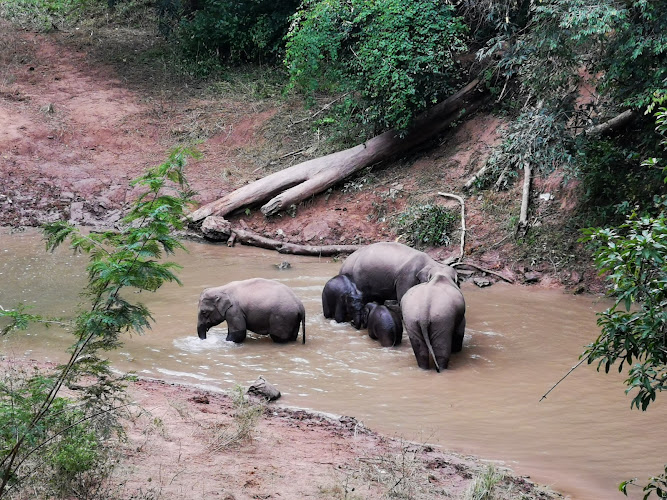
Xishuangbanna Wild Elephant Valley Tropical Rain Forest Scenic Area
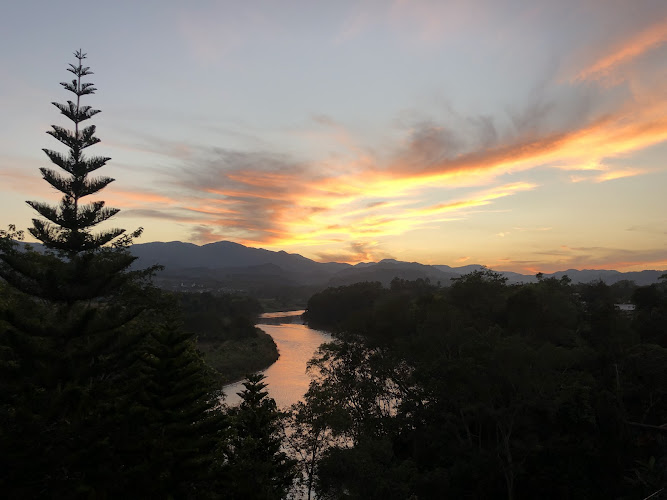
Xishuangbanna National Nature Reserve
Find Accommodations Nearby
Recommended Tours & Activities
Visitor Reviews
There are no reviews yet. Be the first one to write one.
Share Your Experience
Have you visited Xishuangbanna Tropical Zoo? Help other travelers by leaving a review.