About Xishuangbanna Wild Elephant Valley Tropical Rain Forest Scenic Area

Description

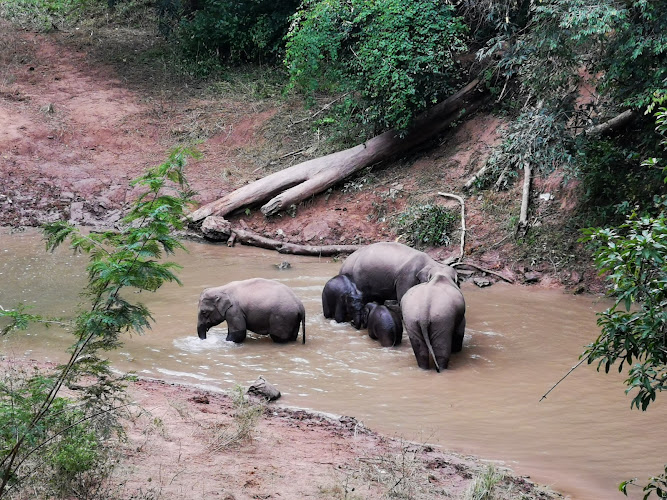
Tucked away in the lush tropical region of southern Yunnan province, the Xishuangbanna Wild Elephant Valley Tropical Rain Forest Scenic Area offers visitors an extraordinary chance to experience one of Asia's most captivating wildlife encounters. This national park serves as a protected corridor where wild Asian elephants roam freely, and honestly, there's nothing quite like seeing these magnificent creatures in their natural habitat rather than behind bars or performing tricks. The park sprawls across dense rainforest terrain that feels worlds away from China's bustling cities. When I first heard about a place in China where you could potentially spot wild elephants, I was skeptical—but this place really delivers on its promise. The scenic area functions as both a conservation zone and a carefully managed tourist destination, striking what I'd say is a pretty decent balance between protecting wildlife and allowing people to appreciate these incredible animals. What sets Wild Elephant Valley apart from your typical zoo or safari park is the authentic rainforest experience. You're walking through genuine tropical wilderness here, complete with the sounds of exotic birds, the humidity that makes your clothes stick to you within minutes, and vegetation so thick you can barely see ten meters ahead in some spots. The elephants that pass through this valley are truly wild—they're not trained, not confined, and they follow their own schedules. Some visitors leave disappointed because they didn't spot any elephants, but that's kinda the point. This is real wildlife watching, not a guaranteed show. The park has developed infrastructure that allows tourists to observe elephants safely without disturbing their natural behaviors too much. There's an elevated walkway system that winds through the canopy, giving you bird's-eye views of the forest floor where elephants often appear. And let me tell you, watching a full-grown elephant emerge from the jungle below while you're standing on a platform above is an adrenaline rush you won't forget. Beyond the elephants, the park showcases the incredible biodiversity of Xishuangbanna's tropical rainforest ecosystem. This region represents one of the northernmost tropical rainforests in the world, and it's home to countless species of plants, insects, birds, and mammals that you won't find anywhere else in China.

Key Features

The Wild Elephant Valley offers several distinctive features that make it worth the journey to this remote corner of Yunnan:
  • Wild Asian Elephant Sightings - The park's main attraction remains the opportunity to observe wild Asian elephants in their natural environment, with the best chances typically in early morning or late afternoon when elephants come to water sources
  • Elevated Canopy Walkways - An extensive system of raised platforms and bridges allows visitors to walk through the rainforest at tree-canopy level, providing safe vantage points for wildlife observation and offering perspectives you simply can't get from ground level
  • Butterfly Garden - A dedicated area showcasing the region's stunning butterfly diversity, with hundreds of species fluttering around in a semi-controlled environment that's actually quite magical
  • Elephant Museum and Education Center - Facilities that educate visitors about Asian elephant conservation, the threats these animals face, and the ecological importance of protecting their habitat corridors
  • Tropical Rainforest Hiking Trails - Multiple pathways wind through pristine rainforest, allowing visitors to explore the ecosystem at their own pace while spotting various plant and animal species
  • Bird Watching Opportunities - The park serves as home to numerous tropical bird species, making it a paradise for ornithology enthusiasts armed with binoculars and patience
  • Python Garden - For those not squeamish about reptiles, this area houses various snake species native to the region (though I'll admit this wasn't my favorite part)
  • Public Restroom Facilities - Practical amenities scattered throughout the park make it possible to spend a full day exploring without discomfort
  • Kid-Friendly Infrastructure - The elevated walkways and educational elements make this destination surprisingly suitable for families with children who can handle moderate walking

Best Time to Visit

Timing your visit to Wild Elephant Valley can significantly impact your experience, and I'm gonna be straight with you—this matters more than at most tourist attractions. The optimal window for visiting runs from November through February. During these months, the weather is considerably more comfortable, with temperatures ranging from 15 to 25 degrees Celsius. The dry season means less rain (obviously), which makes hiking more pleasant and the trails less muddy. But here's the thing—elephants are more likely to visit the valley's water sources during the dry season because other water sources in the deeper forest become scarce. So you're essentially increasing your odds of actually seeing elephants while also enjoying better weather. It's a win-win. March through May represents shoulder season. Temperatures start climbing, sometimes reaching 30 degrees Celsius or higher. The heat becomes more intense, and humidity levels rise as the region transitions toward the rainy season. However, fewer tourists visit during this period, which means you'll have the walkways and viewing platforms more to yourself. If you don't mind sweating through your shirt, this can actually be a decent time to visit. The rainy season from June through October presents challenges. Heavy downpours can occur suddenly and last for hours. The trails become slippery, and the elevated walkways can feel precarious when wet. Visibility through the dense foliage decreases, making wildlife spotting harder. On the flip side, the rainforest comes alive during these months—everything is incredibly green, waterfalls flow at full capacity, and the forest feels more vibrant. But elephant sightings actually decrease because the animals have plenty of water sources throughout their range and don't need to come to the valley as often. For elephant sighting specifically, early morning hours between 7 AM and 10 AM offer the best chances year-round. Late afternoon from 4 PM until closing also sees increased elephant activity. Midday visits rarely result in elephant sightings because, like most sensible creatures, they seek shade during the hottest hours. Weekends and Chinese national holidays should be avoided if possible. The park can become uncomfortably crowded, with tour groups making noise that potentially scares wildlife away and ruins the peaceful rainforest atmosphere. If your schedule allows, visit on a weekday for a more authentic experience.

How to Get There

Getting to Wild Elephant Valley requires some planning since it's not exactly next door to major transportation hubs. But the journey is part of the adventure, right? The nearest city is Jinghong, which serves as the capital of Xishuangbanna Dai Autonomous Prefecture. Most visitors fly into Xishuangbanna Gasa International Airport, which receives flights from major Chinese cities including Kunming, Chengdu, Chongqing, and occasionally direct flights from other provincial capitals. From the airport, you're looking at about a 50-kilometer journey to the park entrance. From Jinghong city center, you have several options. Long-distance buses heading toward Simao or Kunming pass by the Wild Elephant Valley entrance. These buses depart from the Jinghong Bus Station throughout the day, and the journey takes roughly one hour depending on traffic. The fare is quite affordable, usually around 15-20 yuan. Just tell the driver you want to get off at Yexiang Gu (Wild Elephant Valley in Chinese), and they'll drop you at the entrance. This is honestly the most economical option, though it requires some Chinese language ability or a translation app ready. Private taxi or ride-sharing services from Jinghong to the park will cost between 100-150 yuan one way. This gives you more flexibility with timing and is worth considering if you're traveling as a group where you can split the cost. Many hotels in Jinghong can arrange taxis for you, sometimes at better rates than flagging one down on the street. Tour groups represent another option, with many operators in Jinghong offering day trips to Wild Elephant Valley. These typically include transportation, entrance fees, and a guide. Prices vary wildly depending on group size and what's included, but expect to pay 200-400 yuan per person. The advantage is convenience and having someone who knows the park well, but you'll be on their schedule rather than your own. If you're arriving from Kunming (Yunnan's provincial capital), you can take a high-speed train to Xishuangbanna Station, which opened relatively recently and has made access to the region much easier. From there, you'll still need to arrange transportation to the park itself, following the same options listed above. Having your own rental car offers maximum flexibility, though driving in this region requires confidence navigating Chinese road systems. The route from Jinghong is straightforward enough, following the main highway north. Parking is available at the park entrance.

Tips for Visiting

After hearing from folks who've visited and piecing together advice from rangers and locals, here's what you actually need to know to make your visit successful. Start early, seriously. The park opens around 8 AM (though times can vary slightly), and getting there right at opening gives you the best shot at seeing elephants and avoids the midday heat. Plus, the morning light filtering through the rainforest canopy creates absolutely stunning photo opportunities that you'll miss if you sleep in. Wear proper footwear—and I can't stress this enough. Those fashionable sneakers or sandals you packed? Leave them at the hotel. You need closed-toe shoes with good traction because the elevated walkways can be slippery, and some ground trails involve uneven terrain. Hiking boots or trail runners are ideal. Bring insect repellent unless you enjoy being a buffet for tropical mosquitos. The rainforest environment means bugs are abundant, and some of them bite enthusiastically. Apply repellent before entering the park and reapply throughout the day. Long, lightweight pants and long sleeves also help, though they need to be breathable because of the heat. Pack water and snacks. While there are some vendors in the park, they're limited and overpriced. You'll be doing a fair amount of walking, and staying hydrated in the tropical heat is crucial. I'd recommend at least 1.5 liters of water per person, maybe more if you're visiting during warmer months. Binoculars dramatically improve your experience. Wildlife viewing often involves spotting animals at considerable distances, and binoculars let you observe details you'd otherwise miss. If you're into bird watching at all, they're basically essential. Keep noise to a minimum. This should be obvious, but you'd be surprised how many visitors chatter loudly or play music from their phones. You're in a wildlife sanctuary—act like it. Elephants and other animals are more likely to appear when the environment is quiet. Don't expect guaranteed elephant sightings, and definitely don't let the park's name mislead you into thinking elephants are everywhere. Some visitors see multiple elephants, others see none. That's the nature of observing wild animals. If you arrive with realistic expectations, you're more likely to appreciate whatever you do see rather than feeling disappointed. Cameras should have good zoom capabilities if you're serious about wildlife photography. A smartphone camera will work for landscapes and selfies on the walkways, but for photographing elephants at distance, you'll want something with a proper telephoto lens. The elevated walkways can take 2-3 hours to traverse if you're stopping frequently to observe and photograph. Budget your time accordingly, and remember that you'll need energy for the return journey. Some sections involve stairs, which can be tiring in the heat and humidity. English signage exists but is limited. A translation app on your phone can help with informational plaques and maps. Better yet, download an offline translation app before arriving since mobile data coverage can be spotty in the deeper park areas. Respect all barriers and warning signs. They're not suggestions—they're there because wild elephants are genuinely dangerous. An adult elephant can weigh over 4,000 kilograms and move surprisingly fast when agitated. Maintain safe distances at all times. The park has feeding times for elephants at the rescue center section, where elephants that can't survive in the wild receive care. These scheduled feedings attract crowds but offer close-up viewing opportunities. Check the daily schedule upon arrival if you're interested. Small children can enjoy the park, but be realistic about their capabilities. The walking distances and heat can exhaust young kids quickly. Strollers are impractical on the elevated walkways. If bringing children, plan for a shorter visit focusing on the main highlights rather than trying to see everything. Rain can appear suddenly even during dry season. A lightweight rain jacket or poncho takes up minimal space in your bag and can save you from being soaked and miserable. Trust me on this one. Allow a full day for your visit if you want to experience the park thoroughly. Rushing through in a few hours means you'll miss much of what makes this place special. The rainforest reveals itself slowly to patient observers, and the longer you spend, the more you'll see

Key Features

  • Key Features
  • Best Time to Visit
  • How to Get There
  • Tips for Visiting

More Details

Updated March 30, 2026

Description

Tucked away in the lush tropical region of southern Yunnan province, the Xishuangbanna Wild Elephant Valley Tropical Rain Forest Scenic Area offers visitors an extraordinary chance to experience one of Asia’s most captivating wildlife encounters. This national park serves as a protected corridor where wild Asian elephants roam freely, and honestly, there’s nothing quite like seeing these magnificent creatures in their natural habitat rather than behind bars or performing tricks.

The park sprawls across dense rainforest terrain that feels worlds away from China’s bustling cities. When I first heard about a place in China where you could potentially spot wild elephants, I was skeptical—but this place really delivers on its promise. The scenic area functions as both a conservation zone and a carefully managed tourist destination, striking what I’d say is a pretty decent balance between protecting wildlife and allowing people to appreciate these incredible animals.

What sets Wild Elephant Valley apart from your typical zoo or safari park is the authentic rainforest experience. You’re walking through genuine tropical wilderness here, complete with the sounds of exotic birds, the humidity that makes your clothes stick to you within minutes, and vegetation so thick you can barely see ten meters ahead in some spots. The elephants that pass through this valley are truly wild—they’re not trained, not confined, and they follow their own schedules. Some visitors leave disappointed because they didn’t spot any elephants, but that’s kinda the point. This is real wildlife watching, not a guaranteed show.

The park has developed infrastructure that allows tourists to observe elephants safely without disturbing their natural behaviors too much. There’s an elevated walkway system that winds through the canopy, giving you bird’s-eye views of the forest floor where elephants often appear. And let me tell you, watching a full-grown elephant emerge from the jungle below while you’re standing on a platform above is an adrenaline rush you won’t forget.

Beyond the elephants, the park showcases the incredible biodiversity of Xishuangbanna’s tropical rainforest ecosystem. This region represents one of the northernmost tropical rainforests in the world, and it’s home to countless species of plants, insects, birds, and mammals that you won’t find anywhere else in China.

Key Features

The Wild Elephant Valley offers several distinctive features that make it worth the journey to this remote corner of Yunnan:

  • Wild Asian Elephant Sightings – The park’s main attraction remains the opportunity to observe wild Asian elephants in their natural environment, with the best chances typically in early morning or late afternoon when elephants come to water sources
  • Elevated Canopy Walkways – An extensive system of raised platforms and bridges allows visitors to walk through the rainforest at tree-canopy level, providing safe vantage points for wildlife observation and offering perspectives you simply can’t get from ground level
  • Butterfly Garden – A dedicated area showcasing the region’s stunning butterfly diversity, with hundreds of species fluttering around in a semi-controlled environment that’s actually quite magical
  • Elephant Museum and Education Center – Facilities that educate visitors about Asian elephant conservation, the threats these animals face, and the ecological importance of protecting their habitat corridors
  • Tropical Rainforest Hiking Trails – Multiple pathways wind through pristine rainforest, allowing visitors to explore the ecosystem at their own pace while spotting various plant and animal species
  • Bird Watching Opportunities – The park serves as home to numerous tropical bird species, making it a paradise for ornithology enthusiasts armed with binoculars and patience
  • Python Garden – For those not squeamish about reptiles, this area houses various snake species native to the region (though I’ll admit this wasn’t my favorite part)
  • Public Restroom Facilities – Practical amenities scattered throughout the park make it possible to spend a full day exploring without discomfort
  • Kid-Friendly Infrastructure – The elevated walkways and educational elements make this destination surprisingly suitable for families with children who can handle moderate walking

Best Time to Visit

Timing your visit to Wild Elephant Valley can significantly impact your experience, and I’m gonna be straight with you—this matters more than at most tourist attractions.

The optimal window for visiting runs from November through February. During these months, the weather is considerably more comfortable, with temperatures ranging from 15 to 25 degrees Celsius. The dry season means less rain (obviously), which makes hiking more pleasant and the trails less muddy. But here’s the thing—elephants are more likely to visit the valley’s water sources during the dry season because other water sources in the deeper forest become scarce. So you’re essentially increasing your odds of actually seeing elephants while also enjoying better weather. It’s a win-win.

March through May represents shoulder season. Temperatures start climbing, sometimes reaching 30 degrees Celsius or higher. The heat becomes more intense, and humidity levels rise as the region transitions toward the rainy season. However, fewer tourists visit during this period, which means you’ll have the walkways and viewing platforms more to yourself. If you don’t mind sweating through your shirt, this can actually be a decent time to visit.

The rainy season from June through October presents challenges. Heavy downpours can occur suddenly and last for hours. The trails become slippery, and the elevated walkways can feel precarious when wet. Visibility through the dense foliage decreases, making wildlife spotting harder. On the flip side, the rainforest comes alive during these months—everything is incredibly green, waterfalls flow at full capacity, and the forest feels more vibrant. But elephant sightings actually decrease because the animals have plenty of water sources throughout their range and don’t need to come to the valley as often.

For elephant sighting specifically, early morning hours between 7 AM and 10 AM offer the best chances year-round. Late afternoon from 4 PM until closing also sees increased elephant activity. Midday visits rarely result in elephant sightings because, like most sensible creatures, they seek shade during the hottest hours.

Weekends and Chinese national holidays should be avoided if possible. The park can become uncomfortably crowded, with tour groups making noise that potentially scares wildlife away and ruins the peaceful rainforest atmosphere. If your schedule allows, visit on a weekday for a more authentic experience.

How to Get There

Getting to Wild Elephant Valley requires some planning since it’s not exactly next door to major transportation hubs. But the journey is part of the adventure, right?

The nearest city is Jinghong, which serves as the capital of Xishuangbanna Dai Autonomous Prefecture. Most visitors fly into Xishuangbanna Gasa International Airport, which receives flights from major Chinese cities including Kunming, Chengdu, Chongqing, and occasionally direct flights from other provincial capitals. From the airport, you’re looking at about a 50-kilometer journey to the park entrance.

From Jinghong city center, you have several options. Long-distance buses heading toward Simao or Kunming pass by the Wild Elephant Valley entrance. These buses depart from the Jinghong Bus Station throughout the day, and the journey takes roughly one hour depending on traffic. The fare is quite affordable, usually around 15-20 yuan. Just tell the driver you want to get off at Yexiang Gu (Wild Elephant Valley in Chinese), and they’ll drop you at the entrance. This is honestly the most economical option, though it requires some Chinese language ability or a translation app ready.

Private taxi or ride-sharing services from Jinghong to the park will cost between 100-150 yuan one way. This gives you more flexibility with timing and is worth considering if you’re traveling as a group where you can split the cost. Many hotels in Jinghong can arrange taxis for you, sometimes at better rates than flagging one down on the street.

Tour groups represent another option, with many operators in Jinghong offering day trips to Wild Elephant Valley. These typically include transportation, entrance fees, and a guide. Prices vary wildly depending on group size and what’s included, but expect to pay 200-400 yuan per person. The advantage is convenience and having someone who knows the park well, but you’ll be on their schedule rather than your own.

If you’re arriving from Kunming (Yunnan’s provincial capital), you can take a high-speed train to Xishuangbanna Station, which opened relatively recently and has made access to the region much easier. From there, you’ll still need to arrange transportation to the park itself, following the same options listed above.

Having your own rental car offers maximum flexibility, though driving in this region requires confidence navigating Chinese road systems. The route from Jinghong is straightforward enough, following the main highway north. Parking is available at the park entrance.

Tips for Visiting

After hearing from folks who’ve visited and piecing together advice from rangers and locals, here’s what you actually need to know to make your visit successful.

Start early, seriously. The park opens around 8 AM (though times can vary slightly), and getting there right at opening gives you the best shot at seeing elephants and avoids the midday heat. Plus, the morning light filtering through the rainforest canopy creates absolutely stunning photo opportunities that you’ll miss if you sleep in.

Wear proper footwear—and I can’t stress this enough. Those fashionable sneakers or sandals you packed? Leave them at the hotel. You need closed-toe shoes with good traction because the elevated walkways can be slippery, and some ground trails involve uneven terrain. Hiking boots or trail runners are ideal.

Bring insect repellent unless you enjoy being a buffet for tropical mosquitos. The rainforest environment means bugs are abundant, and some of them bite enthusiastically. Apply repellent before entering the park and reapply throughout the day. Long, lightweight pants and long sleeves also help, though they need to be breathable because of the heat.

Pack water and snacks. While there are some vendors in the park, they’re limited and overpriced. You’ll be doing a fair amount of walking, and staying hydrated in the tropical heat is crucial. I’d recommend at least 1.5 liters of water per person, maybe more if you’re visiting during warmer months.

Binoculars dramatically improve your experience. Wildlife viewing often involves spotting animals at considerable distances, and binoculars let you observe details you’d otherwise miss. If you’re into bird watching at all, they’re basically essential.

Keep noise to a minimum. This should be obvious, but you’d be surprised how many visitors chatter loudly or play music from their phones. You’re in a wildlife sanctuary—act like it. Elephants and other animals are more likely to appear when the environment is quiet.

Don’t expect guaranteed elephant sightings, and definitely don’t let the park’s name mislead you into thinking elephants are everywhere. Some visitors see multiple elephants, others see none. That’s the nature of observing wild animals. If you arrive with realistic expectations, you’re more likely to appreciate whatever you do see rather than feeling disappointed.

Cameras should have good zoom capabilities if you’re serious about wildlife photography. A smartphone camera will work for landscapes and selfies on the walkways, but for photographing elephants at distance, you’ll want something with a proper telephoto lens.

The elevated walkways can take 2-3 hours to traverse if you’re stopping frequently to observe and photograph. Budget your time accordingly, and remember that you’ll need energy for the return journey. Some sections involve stairs, which can be tiring in the heat and humidity.

English signage exists but is limited. A translation app on your phone can help with informational plaques and maps. Better yet, download an offline translation app before arriving since mobile data coverage can be spotty in the deeper park areas.

Respect all barriers and warning signs. They’re not suggestions—they’re there because wild elephants are genuinely dangerous. An adult elephant can weigh over 4,000 kilograms and move surprisingly fast when agitated. Maintain safe distances at all times.

The park has feeding times for elephants at the rescue center section, where elephants that can’t survive in the wild receive care. These scheduled feedings attract crowds but offer close-up viewing opportunities. Check the daily schedule upon arrival if you’re interested.

Small children can enjoy the park, but be realistic about their capabilities. The walking distances and heat can exhaust young kids quickly. Strollers are impractical on the elevated walkways. If bringing children, plan for a shorter visit focusing on the main highlights rather than trying to see everything.

Rain can appear suddenly even during dry season. A lightweight rain jacket or poncho takes up minimal space in your bag and can save you from being soaked and miserable. Trust me on this one.

Allow a full day for your visit if you want to experience the park thoroughly. Rushing through in a few hours means you’ll miss much of what makes this place special. The rainforest reveals itself slowly to patient observers, and the longer you spend, the more you’ll see

Key Highlights

  • Key Features
  • Best Time to Visit
  • How to Get There
  • Tips for Visiting

Location

Places to Stay Near Xishuangbanna Wild Elephant Valley Tropical Rain Forest Scenic Area

Find and Book a Tour

Explore More Travel Guides

No reviews found! Be the first to review!

Xishuangbanna Wild Elephant Valley Tropical Rain Forest Scenic Area is a prominent attractions located in Xishuangbanna Dai Autonomous Prefecture.

Visit us at: China, Yunnan, Xishuangbanna Dai Autonomous Prefecture, Jinghong, 213国道勐养镇三岔河 邮政编码: 666106.

Traveler Reviews for Xishuangbanna Wild Elephant Valley Tropical Rain Forest Scenic Area

There are no reviews yet. Be the first one to write one.

Share Your Experience

Have you visited Xishuangbanna Wild Elephant Valley Tropical Rain Forest Scenic Area? Help other travelers by sharing your review.

Find Accommodations Nearby

Recommended Tours & Activities

Visitor Reviews

There are no reviews yet. Be the first one to write one.

Share Your Experience

Have you visited Xishuangbanna Wild Elephant Valley Tropical Rain Forest Scenic Area? Help other travelers by leaving a review.