
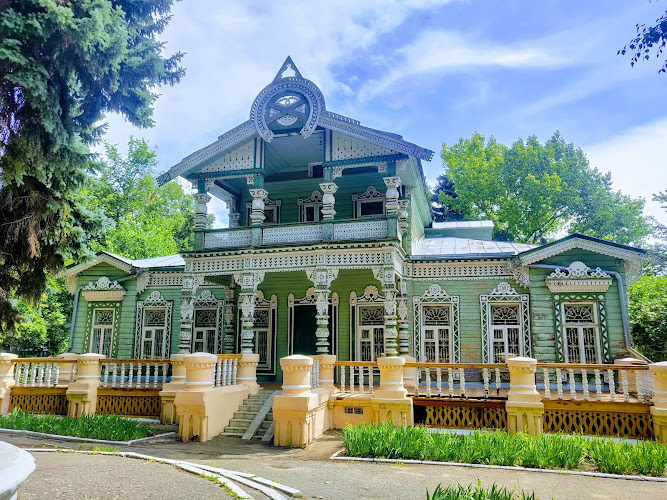
Penza Folk Museum
About Penza Folk Museum
Description
The Penza Folk Museum stands as one of Russia's most authentic repositories of traditional culture and regional heritage. This institution offers travelers a genuine glimpse into the daily lives, customs, and artistic achievements of the Penza region's inhabitants across several centuries. Walking through these halls feels less like touring a sterile exhibition space and more like stepping into someone's carefully preserved memories. What strikes most visitors immediately is the museum's dedication to presenting folk culture without unnecessary embellishment or modernization. The collections here aren't trying to compete with flashy interactive displays or digital gimmicks. Instead, they rely on the inherent beauty and historical significance of traditional Russian craftsmanship and domestic life. And honestly, that's exactly what makes this place special for travelers who've grown weary of over-commercialized tourist attractions. The museum houses an impressive array of artifacts that tell the story of ordinary people in the Penza region. Traditional clothing, household items, agricultural tools, and religious objects create a comprehensive picture of pre-industrial and early industrial Russian life. I've always believed that the best museums are the ones where you can almost hear the voices of people who used these objects, and the Penza Folk Museum manages to achieve that atmospheric quality remarkably well. The building itself contributes to the overall experience, though it won't win any architectural awards. But that's sort of the point – this isn't about grandiose structures or imposing facades. The museum's modest appearance actually reinforces its focus on celebrating the lives of regular people rather than the elite classes that typically dominate historical narratives.Key Features
The Penza Folk Museum offers several distinctive elements that make it worth including in any cultural itinerary through the region: • Extensive textile and costume collections showcasing traditional Russian dress from various periods and social classes, with particularly noteworthy examples of embroidery and fabric decoration techniques • Comprehensive displays of agricultural implements and tools that demonstrate how rural communities in the Penza region worked the land and sustained themselves through harsh seasons • Religious artifacts and icons that reflect the spiritual life of the region's inhabitants, including examples of folk Christianity that blended official Orthodox teachings with local beliefs • Traditional musical instruments specific to the Penza region, some of which visitors won't encounter in larger national museums • Reconstructed domestic interiors that show how different social classes arranged their living spaces, complete with authentic furniture and household objects • Seasonal exhibitions that rotate throughout the year, focusing on specific aspects of folk culture such as traditional holidays, craft techniques, or agricultural cycles • Collections of ceramics, woodworking, and metalwork that demonstrate the region's artisanal traditions • Good facilities for families traveling with children, making it an educational stop that won't bore younger visitors • Restroom facilities available on-site, which is always appreciated when you're spending a few hours exploringBest Time to Visit
Planning your visit to the Penza Folk Museum requires considering both practical factors and the cultural calendar. The museum operates year-round, but different seasons offer distinct advantages for travelers. Spring months from April through May present an excellent opportunity for visitors. The weather in Penza becomes more pleasant after the long Russian winter, and the museum often schedules special exhibitions related to spring agricultural traditions and Easter celebrations. The crowds tend to be manageable during this period, giving you more space to explore at your own pace. Summer attracts more visitors overall, but it's also when the museum sometimes hosts folk festivals or traditional craft demonstrations. If you're lucky enough to time your visit with one of these events, you'll get to see living practitioners keeping old traditions alive. Though I'll be honest – the museum can get a bit warm during July and August since climate control isn't exactly state-of-the-art. Autumn, particularly September and October, offers another sweet spot for visiting. The tourist crowds thin out considerably, and the museum often features exhibitions related to harvest traditions and autumn folk customs. The cooler weather makes walking around the exhibits more comfortable too. Winter visits have their own charm, especially around the New Year and Orthodox Christmas periods when the museum highlights winter holiday traditions. But be prepared for serious cold if you're visiting Penza between December and February. The museum itself stays heated, thankfully, but getting there can be challenging during harsh weather. Weekday mornings generally provide the quietest visiting experience regardless of season. Weekends and Russian holidays see increased local attendance, which can make the more popular galleries feel cramped. But sometimes that local crowd adds to the authentic atmosphere – you'll overhear Russian families explaining exhibits to their children, which provides its own cultural insight.How to Get There
Reaching the Penza Folk Museum requires a bit of planning, especially for international travelers, but it's entirely manageable with some preparation. Most visitors flying into the region will arrive through Moscow first, then take a connecting domestic flight to Penza Airport or travel by train. The train journey from Moscow to Penza takes roughly twelve hours on overnight services, which many travelers actually prefer since it saves a hotel night and provides an authentic Russian railway experience. The daytime trains run faster, completing the journey in about eight hours. Once you're in Penza itself, getting to the museum depends on your comfort level with local transportation. Taxis remain the most straightforward option, though make sure you have the museum's address written in Cyrillic since many drivers don't speak English. Ride-sharing apps function in Penza, though they're less reliable than in Moscow or St. Petersburg. Public buses serve the area around the museum, but navigating the system without Russian language skills presents real challenges. If you're adventurous and want to save money, download a local transport app before your trip and study the routes. Bus tickets cost very little compared to Western standards. Walking to the museum from central Penza is feasible if you're staying downtown and enjoy a good walk – figure about thirty minutes depending on exactly where you're starting from. Just be aware that pedestrian infrastructure isn't always ideal, and you'll want good shoes and weather-appropriate clothing. For travelers with mobility challenges, I should mention that the museum unfortunately lacks wheelchair-accessible entrances and parking facilities. This is a significant limitation that hopefully will be addressed in future renovations, but for now, visitors who use wheelchairs or have difficulty with stairs will face real obstacles.Tips for Visiting
Making the most of your Penza Folk Museum experience requires some insider knowledge that guidebooks don't always cover. First off, bring cash in rubles. While Russia has been modernizing payment systems, smaller museums don't always accept credit cards reliably, and you'll want to have physical money for the admission fee and any souvenirs. Speaking of admission, it's remarkably affordable by international standards – you'll pay less than what a coffee costs in most European capitals. Photography policies can be strict, so ask about rules before snapping pictures. Some exhibitions prohibit photography entirely, while others allow it without flash. Getting caught breaking these rules creates uncomfortable situations that put a damper on your visit. English signage is limited throughout the museum. And I mean really limited. Unless you read Russian or travel with someone who does, consider hiring a guide or downloading translation apps beforehand. Google Translate's camera function works reasonably well for reading labels, though it's not perfect. Plan to spend at least two hours here, possibly three if you're genuinely interested in folk culture. Rushing through defeats the purpose entirely. This isn't a museum you can speed-run in forty-five minutes. The collections deserve thoughtful attention, and many of the most interesting details hide in plain sight unless you take time to really look. Dress in layers since temperature control varies throughout the building. Some galleries feel quite warm while others stay cool, and you'll be more comfortable if you can adjust your clothing accordingly. The museum shop, while small, actually stocks some quality items related to regional crafts. These make much better souvenirs than the generic matryoshka dolls sold everywhere. Look for locally produced handicrafts that reflect traditions showcased in the exhibits. Restrooms are available but don't expect luxury facilities. They're functional and clean enough, meeting basic needs without frills. If you're traveling with kids, the museum works better than you might expect. Children often find the reconstructed domestic scenes fascinating, and the traditional toys on display capture their imagination. Just keep younger ones from touching artifacts since preservation is crucial. Visit during off-peak hours if crowds bother you. The museum sees most traffic on weekend afternoons, so early weekday visits offer the best chance for peaceful exploration. Finally, approach your visit with appropriate expectations. This isn't the Hermitage or the Pushkin Museum. It's a regional folk museum doing important preservation work on a limited budget. What it lacks in polish it compensates for in authenticity and educational value. Travelers who appreciate genuine cultural institutions over polished tourist spectacles will find the Penza Folk Museum absolutely worthwhile.Key Features
- Extensive collection of regional textiles and embroidery
- Traditional woodenware and painted ceramics from Penza artisans
- Recreated domestic interiors illustrating historical daily life
- Rotating exhibits and live demonstrations by local craftsmen
- Intimate, community-focused museum with educational programs
More Details
Updated March 30, 2026
Table of Contents
Description
The Penza Folk Museum stands as one of Russia’s most authentic repositories of traditional culture and regional heritage. This institution offers travelers a genuine glimpse into the daily lives, customs, and artistic achievements of the Penza region’s inhabitants across several centuries. Walking through these halls feels less like touring a sterile exhibition space and more like stepping into someone’s carefully preserved memories.
What strikes most visitors immediately is the museum’s dedication to presenting folk culture without unnecessary embellishment or modernization. The collections here aren’t trying to compete with flashy interactive displays or digital gimmicks. Instead, they rely on the inherent beauty and historical significance of traditional Russian craftsmanship and domestic life. And honestly, that’s exactly what makes this place special for travelers who’ve grown weary of over-commercialized tourist attractions.
The museum houses an impressive array of artifacts that tell the story of ordinary people in the Penza region. Traditional clothing, household items, agricultural tools, and religious objects create a comprehensive picture of pre-industrial and early industrial Russian life. I’ve always believed that the best museums are the ones where you can almost hear the voices of people who used these objects, and the Penza Folk Museum manages to achieve that atmospheric quality remarkably well.
The building itself contributes to the overall experience, though it won’t win any architectural awards. But that’s sort of the point – this isn’t about grandiose structures or imposing facades. The museum’s modest appearance actually reinforces its focus on celebrating the lives of regular people rather than the elite classes that typically dominate historical narratives.
Key Features
The Penza Folk Museum offers several distinctive elements that make it worth including in any cultural itinerary through the region:
• Extensive textile and costume collections showcasing traditional Russian dress from various periods and social classes, with particularly noteworthy examples of embroidery and fabric decoration techniques
• Comprehensive displays of agricultural implements and tools that demonstrate how rural communities in the Penza region worked the land and sustained themselves through harsh seasons
• Religious artifacts and icons that reflect the spiritual life of the region’s inhabitants, including examples of folk Christianity that blended official Orthodox teachings with local beliefs
• Traditional musical instruments specific to the Penza region, some of which visitors won’t encounter in larger national museums
• Reconstructed domestic interiors that show how different social classes arranged their living spaces, complete with authentic furniture and household objects
• Seasonal exhibitions that rotate throughout the year, focusing on specific aspects of folk culture such as traditional holidays, craft techniques, or agricultural cycles
• Collections of ceramics, woodworking, and metalwork that demonstrate the region’s artisanal traditions
• Good facilities for families traveling with children, making it an educational stop that won’t bore younger visitors
• Restroom facilities available on-site, which is always appreciated when you’re spending a few hours exploring
Best Time to Visit
Planning your visit to the Penza Folk Museum requires considering both practical factors and the cultural calendar. The museum operates year-round, but different seasons offer distinct advantages for travelers.
Spring months from April through May present an excellent opportunity for visitors. The weather in Penza becomes more pleasant after the long Russian winter, and the museum often schedules special exhibitions related to spring agricultural traditions and Easter celebrations. The crowds tend to be manageable during this period, giving you more space to explore at your own pace.
Summer attracts more visitors overall, but it’s also when the museum sometimes hosts folk festivals or traditional craft demonstrations. If you’re lucky enough to time your visit with one of these events, you’ll get to see living practitioners keeping old traditions alive. Though I’ll be honest – the museum can get a bit warm during July and August since climate control isn’t exactly state-of-the-art.
Autumn, particularly September and October, offers another sweet spot for visiting. The tourist crowds thin out considerably, and the museum often features exhibitions related to harvest traditions and autumn folk customs. The cooler weather makes walking around the exhibits more comfortable too.
Winter visits have their own charm, especially around the New Year and Orthodox Christmas periods when the museum highlights winter holiday traditions. But be prepared for serious cold if you’re visiting Penza between December and February. The museum itself stays heated, thankfully, but getting there can be challenging during harsh weather.
Weekday mornings generally provide the quietest visiting experience regardless of season. Weekends and Russian holidays see increased local attendance, which can make the more popular galleries feel cramped. But sometimes that local crowd adds to the authentic atmosphere – you’ll overhear Russian families explaining exhibits to their children, which provides its own cultural insight.
How to Get There
Reaching the Penza Folk Museum requires a bit of planning, especially for international travelers, but it’s entirely manageable with some preparation.
Most visitors flying into the region will arrive through Moscow first, then take a connecting domestic flight to Penza Airport or travel by train. The train journey from Moscow to Penza takes roughly twelve hours on overnight services, which many travelers actually prefer since it saves a hotel night and provides an authentic Russian railway experience. The daytime trains run faster, completing the journey in about eight hours.
Once you’re in Penza itself, getting to the museum depends on your comfort level with local transportation. Taxis remain the most straightforward option, though make sure you have the museum’s address written in Cyrillic since many drivers don’t speak English. Ride-sharing apps function in Penza, though they’re less reliable than in Moscow or St. Petersburg.
Public buses serve the area around the museum, but navigating the system without Russian language skills presents real challenges. If you’re adventurous and want to save money, download a local transport app before your trip and study the routes. Bus tickets cost very little compared to Western standards.
Walking to the museum from central Penza is feasible if you’re staying downtown and enjoy a good walk – figure about thirty minutes depending on exactly where you’re starting from. Just be aware that pedestrian infrastructure isn’t always ideal, and you’ll want good shoes and weather-appropriate clothing.
For travelers with mobility challenges, I should mention that the museum unfortunately lacks wheelchair-accessible entrances and parking facilities. This is a significant limitation that hopefully will be addressed in future renovations, but for now, visitors who use wheelchairs or have difficulty with stairs will face real obstacles.
Tips for Visiting
Making the most of your Penza Folk Museum experience requires some insider knowledge that guidebooks don’t always cover.
First off, bring cash in rubles. While Russia has been modernizing payment systems, smaller museums don’t always accept credit cards reliably, and you’ll want to have physical money for the admission fee and any souvenirs. Speaking of admission, it’s remarkably affordable by international standards – you’ll pay less than what a coffee costs in most European capitals.
Photography policies can be strict, so ask about rules before snapping pictures. Some exhibitions prohibit photography entirely, while others allow it without flash. Getting caught breaking these rules creates uncomfortable situations that put a damper on your visit.
English signage is limited throughout the museum. And I mean really limited. Unless you read Russian or travel with someone who does, consider hiring a guide or downloading translation apps beforehand. Google Translate’s camera function works reasonably well for reading labels, though it’s not perfect.
Plan to spend at least two hours here, possibly three if you’re genuinely interested in folk culture. Rushing through defeats the purpose entirely. This isn’t a museum you can speed-run in forty-five minutes. The collections deserve thoughtful attention, and many of the most interesting details hide in plain sight unless you take time to really look.
Dress in layers since temperature control varies throughout the building. Some galleries feel quite warm while others stay cool, and you’ll be more comfortable if you can adjust your clothing accordingly.
The museum shop, while small, actually stocks some quality items related to regional crafts. These make much better souvenirs than the generic matryoshka dolls sold everywhere. Look for locally produced handicrafts that reflect traditions showcased in the exhibits.
Restrooms are available but don’t expect luxury facilities. They’re functional and clean enough, meeting basic needs without frills.
If you’re traveling with kids, the museum works better than you might expect. Children often find the reconstructed domestic scenes fascinating, and the traditional toys on display capture their imagination. Just keep younger ones from touching artifacts since preservation is crucial.
Visit during off-peak hours if crowds bother you. The museum sees most traffic on weekend afternoons, so early weekday visits offer the best chance for peaceful exploration.
Finally, approach your visit with appropriate expectations. This isn’t the Hermitage or the Pushkin Museum. It’s a regional folk museum doing important preservation work on a limited budget. What it lacks in polish it compensates for in authenticity and educational value. Travelers who appreciate genuine cultural institutions over polished tourist spectacles will find the Penza Folk Museum absolutely worthwhile.
Key Highlights
- Extensive collection of regional textiles and embroidery
- Traditional woodenware and painted ceramics from Penza artisans
- Recreated domestic interiors illustrating historical daily life
- Rotating exhibits and live demonstrations by local craftsmen
- Intimate, community-focused museum with educational programs
Location
Places to Stay Near Penza Folk Museum
Find and Book a Tour
Explore More Travel Guides
No reviews found! Be the first to review!
Penza Folk Museum is a prominent museums located in Penza.
Visit us at: Ulitsa Kuybysheva, 45, Penza, Penza Oblast, ロシア 440052.
Traveler Reviews for Penza Folk Museum
There are no reviews yet. Be the first one to write one.
Have you visited Penza Folk Museum? Help other travelers by sharing your review.
Nearby Attractions
You Might Also Like
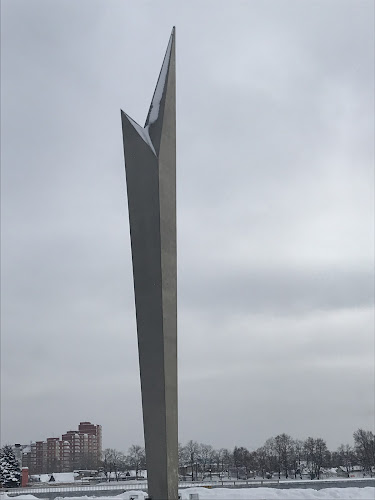
Rostok
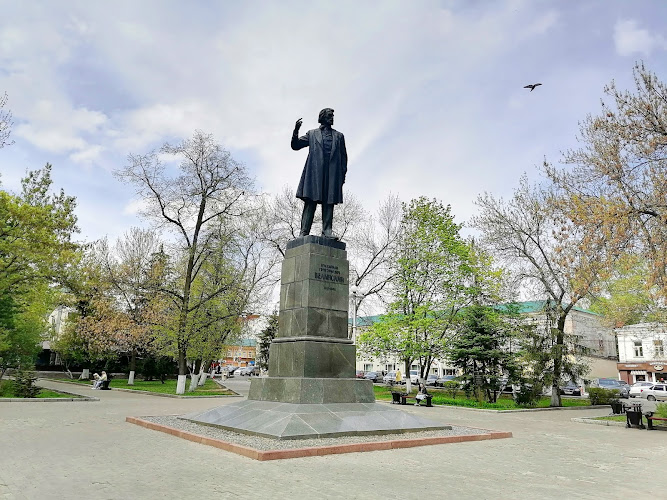
The Park named after Belinsky
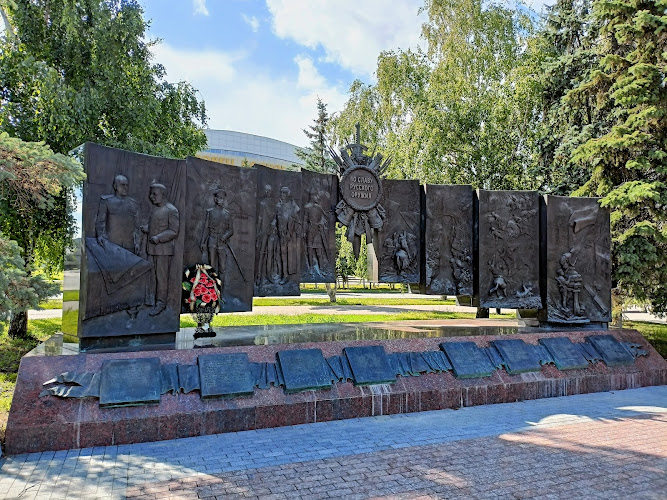
Vo Slavu Russkogo Oruzhiya
Find Accommodations Nearby
Recommended Tours & Activities
Visitor Reviews
There are no reviews yet. Be the first one to write one.
Share Your Experience
Have you visited Penza Folk Museum? Help other travelers by leaving a review.