
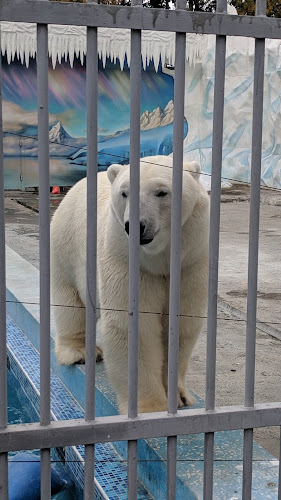
Penza Zoo
About Penza Zoo
Description
Penza Zoo represents one of Russia's cherished wildlife attractions, drawing animal lovers and families from across the region to experience its diverse collection of species. The zoo has built quite a reputation over the years for maintaining quality habitats and providing visitors with meaningful encounters with creatures from around the globe. I'll be honest - when you first arrive, you might think it's just another regional zoo, but spend a few hours wandering the grounds and you'll discover there's genuinely more here than meets the eye. The facility specializes in housing everything from impressive big cats that'll make your heart skip a beat to colorful exotic birds that seem to pose for photographs. And the primates? They're absolute scene-stealers, with monkeys displaying personalities that remind you just how closely related we all are. What sets this zoo apart from many others isn't necessarily its size, but rather the thoughtfulness evident in how the animal habitats are designed and maintained. Visitors consistently note that the zoo feels well-cared-for, which matters tremendously when you're talking about a place that houses living creatures. The staff clearly takes their responsibilities seriously, and it shows in the condition of the enclosures and the health of the animals. Sure, it might not have the bells and whistles of massive metropolitan zoos with unlimited budgets, but Penza Zoo delivers an authentic experience that doesn't feel overly commercialized or theme-park-esque. One thing I particularly appreciate is that the zoo remains accessible for people with different mobility needs. The wheelchair-accessible entrance means families with strollers or visitors with disabilities can actually enjoy their day without constantly running into barriers - literally. Too many attractions still overlook this basic consideration, so it's worth mentioning.Key Features
The Penza Zoo offers several distinctive elements that make it worth adding to your travel itinerary: • Diverse predator collection - The big cats here command serious respect, with enclosures that allow you to observe these magnificent hunters from safe vantage points that still provide excellent viewing opportunities • Extensive bird aviaries - Exotic species from various continents fill dedicated spaces where their colors and calls create an immersive atmosphere you won't forget quickly • Interactive primate exhibits - The monkey habitats are designed to encourage natural behaviors, meaning you'll witness genuine animal interactions rather than bored creatures pacing in circles • Family-friendly infrastructure - The entire facility caters well to children, with viewing heights and educational displays pitched appropriately for younger visitors • Modern payment options - Credit cards, debit cards, and even NFC mobile payments are accepted, which honestly makes life easier when you're traveling and don't want to carry excessive cash • Educational programming - Throughout the zoo, informational displays provide context about species conservation, natural habitats, and the challenges these animals face in the wild • Well-maintained grounds - The pathways and common areas receive regular attention, making your walking experience pleasant even during longer visits • Seasonal animal activities - Depending on when you visit, you might catch feeding demonstrations or enrichment activities that showcase animal intelligence and natural instinctsBest Time to Visit
Timing your visit to Penza Zoo can genuinely affect your experience, and I've learned through various travel mishaps that this consideration applies to pretty much every outdoor attraction. The sweet spot for most travelers falls between late spring and early autumn - roughly May through September - when Russian weather cooperates and the animals tend to be more active. Summer brings the longest daylight hours, giving you maximum time to explore without feeling rushed. But here's the thing: summer weekends can get crowded with local families, which isn't necessarily bad but does mean you'll be sharing those prime viewing spots with enthusiastic kids pressing against the glass. If you prefer a quieter experience, weekday mornings during summer offer the best of both worlds - decent weather and thinner crowds. Early autumn deserves special mention because September often delivers comfortable temperatures without the peak-season masses. The animals seem particularly lively during this period, perhaps sensing the approaching seasonal changes. Plus, the foliage around the zoo grounds takes on those gorgeous fall colors that make your photos look professionally staged even when you're just pointing and clicking with your phone. Spring visits have their own charm, especially if you time it right. April and May bring renewal energy to the zoo, with many animals exhibiting breeding behaviors and increased activity levels. However - and this is important - early spring in Penza can still be quite chilly, so pack accordingly or you'll spend your visit shivering instead of enjoying the exhibits. Winter visits are possible, and I won't tell you to avoid them entirely, but understand what you're signing up for. Some animals retreat to indoor spaces when temperatures drop significantly, meaning certain exhibits might be less visible. The dedicated wildlife enthusiast might still find value in a winter visit, but families with young children might want to save this experience for warmer months. Weather-wise, checking the forecast a few days before your planned visit just makes sense. Russian weather can be temperamental, and while a little rain won't ruin your day, a downpour definitely dampens the experience - pun absolutely intended.How to Get There
Getting to Penza Zoo is relatively straightforward, though like many attractions in mid-sized Russian cities, you'll need to plan your approach based on where you're starting from. For international travelers, you'll first need to reach Penza city itself, which sits roughly 630 kilometers southeast of Moscow. The train connections from Moscow to Penza run regularly and offer a comfortable way to cover the distance if you're not in a massive hurry. Once you've arrived in Penza, local transportation options become your focus. The public bus system serves the zoo area adequately, and locals can usually point you toward the correct route if your Russian is conversational. Taxis and ride-sharing services operate throughout the city and provide the most direct option, especially if you're traveling with children or don't want to navigate the bus schedules. For those renting a car - which I'd recommend if you're planning to explore the broader Penza region - the zoo is accessible via the main city roads. Parking availability exists on-site, though spaces can fill up during peak visiting times on weekends and holidays. Arriving early solves this problem pretty effectively. If you're staying in central Penza, the zoo makes for a pleasant destination that doesn't require hours of travel time. Most hotels and guesthouses in the city center sit within a 15-20 minute drive, making it feasible to visit for a half-day excursion without dedicating your entire day to transit. Walking to the zoo is technically possible from some parts of the city, but I'd only recommend this if you're staying nearby and enjoy a good hike. The distances in Penza can be deceiving, and what looks manageable on a map might feel endless when you're actually covering the ground on foot.Tips for Visiting
Let me share some practical wisdom that'll make your Penza Zoo experience smoother and more enjoyable. First off, wear comfortable walking shoes - and I mean actually comfortable, not those trendy sneakers that look great but leave your feet screaming after an hour. You'll be covering more distance than you think as you move between exhibits, and there's nothing worse than developing blisters halfway through your visit. Bring snacks and water, especially if you're visiting with children. While the zoo likely has some food options available, having your own supplies gives you flexibility and saves money. Plus, kids get hangry at the most inconvenient moments, and being able to produce a granola bar can literally save your entire afternoon. The morning hours typically showcase animals at their most active. Many species settle into afternoon naps once the day warms up, which makes sense from their perspective but can be disappointing when you're specifically hoping to see the big cats prowling. If you're particularly interested in specific animals, arrive early and head to those exhibits first. Don't rush through the experience. I know there's often a tendency when visiting zoos to try seeing everything as quickly as possible, but you'll have a richer experience if you slow down and actually observe animal behaviors. Pick a few exhibits that genuinely interest you and spend quality time there rather than doing a speed-run through the entire facility. Photography enthusiasts should bring appropriate equipment, but remember that flash photography typically isn't allowed as it stresses the animals. Natural light photography works beautifully in outdoor enclosures, particularly during the golden hours of early morning and late afternoon. Check the weather before you leave and dress in layers. Russian weather can shift throughout the day, and being prepared means you won't cut your visit short because you're uncomfortable. A light rain jacket takes up minimal space in a backpack but provides serious value if clouds roll in. Consider bringing cash as a backup even though the zoo accepts cards. Technology sometimes fails at the most inconvenient moments, and you don't want payment issues preventing you from entering. If you're visiting with young children, set realistic expectations about how long you'll stay. Kids have limited attention spans, and a 2-3 hour visit often hits the sweet spot where they've seen enough to feel satisfied without becoming completely exhausted and cranky. The wheelchair accessibility extends beyond just the entrance, with pathways designed to accommodate various mobility needs. However, some viewing areas might still present challenges, so visitors with specific accessibility requirements might want to contact the zoo in advance to discuss particular exhibits they're hoping to see. Finally, approach your visit with appropriate expectations. This is a regional zoo that does excellent work within its context, not a massive international facility with unlimited resources. Appreciate it for what it offers rather than comparing it unfavorably to the world's largest zoos, and you'll have a genuinely enjoyable experience that provides meaningful connections with wildlife from around the world.Key Features
- Diverse collection of native and exotic species including predators, birds, and primates
- Tree-lined, compact layout ideal for relaxed walking and close animal views
- Educational signage and staff-led programs highlighting conservation
- Three public entrances and accessible visitor facilities
- Seasonal events and community-focused outreach
More Details
Updated March 30, 2026
Table of Contents
Description
Penza Zoo represents one of Russia’s cherished wildlife attractions, drawing animal lovers and families from across the region to experience its diverse collection of species. The zoo has built quite a reputation over the years for maintaining quality habitats and providing visitors with meaningful encounters with creatures from around the globe. I’ll be honest – when you first arrive, you might think it’s just another regional zoo, but spend a few hours wandering the grounds and you’ll discover there’s genuinely more here than meets the eye.
The facility specializes in housing everything from impressive big cats that’ll make your heart skip a beat to colorful exotic birds that seem to pose for photographs. And the primates? They’re absolute scene-stealers, with monkeys displaying personalities that remind you just how closely related we all are. What sets this zoo apart from many others isn’t necessarily its size, but rather the thoughtfulness evident in how the animal habitats are designed and maintained.
Visitors consistently note that the zoo feels well-cared-for, which matters tremendously when you’re talking about a place that houses living creatures. The staff clearly takes their responsibilities seriously, and it shows in the condition of the enclosures and the health of the animals. Sure, it might not have the bells and whistles of massive metropolitan zoos with unlimited budgets, but Penza Zoo delivers an authentic experience that doesn’t feel overly commercialized or theme-park-esque.
One thing I particularly appreciate is that the zoo remains accessible for people with different mobility needs. The wheelchair-accessible entrance means families with strollers or visitors with disabilities can actually enjoy their day without constantly running into barriers – literally. Too many attractions still overlook this basic consideration, so it’s worth mentioning.
Key Features
The Penza Zoo offers several distinctive elements that make it worth adding to your travel itinerary:
• Diverse predator collection – The big cats here command serious respect, with enclosures that allow you to observe these magnificent hunters from safe vantage points that still provide excellent viewing opportunities
• Extensive bird aviaries – Exotic species from various continents fill dedicated spaces where their colors and calls create an immersive atmosphere you won’t forget quickly
• Interactive primate exhibits – The monkey habitats are designed to encourage natural behaviors, meaning you’ll witness genuine animal interactions rather than bored creatures pacing in circles
• Family-friendly infrastructure – The entire facility caters well to children, with viewing heights and educational displays pitched appropriately for younger visitors
• Modern payment options – Credit cards, debit cards, and even NFC mobile payments are accepted, which honestly makes life easier when you’re traveling and don’t want to carry excessive cash
• Educational programming – Throughout the zoo, informational displays provide context about species conservation, natural habitats, and the challenges these animals face in the wild
• Well-maintained grounds – The pathways and common areas receive regular attention, making your walking experience pleasant even during longer visits
• Seasonal animal activities – Depending on when you visit, you might catch feeding demonstrations or enrichment activities that showcase animal intelligence and natural instincts
Best Time to Visit
Timing your visit to Penza Zoo can genuinely affect your experience, and I’ve learned through various travel mishaps that this consideration applies to pretty much every outdoor attraction. The sweet spot for most travelers falls between late spring and early autumn – roughly May through September – when Russian weather cooperates and the animals tend to be more active.
Summer brings the longest daylight hours, giving you maximum time to explore without feeling rushed. But here’s the thing: summer weekends can get crowded with local families, which isn’t necessarily bad but does mean you’ll be sharing those prime viewing spots with enthusiastic kids pressing against the glass. If you prefer a quieter experience, weekday mornings during summer offer the best of both worlds – decent weather and thinner crowds.
Early autumn deserves special mention because September often delivers comfortable temperatures without the peak-season masses. The animals seem particularly lively during this period, perhaps sensing the approaching seasonal changes. Plus, the foliage around the zoo grounds takes on those gorgeous fall colors that make your photos look professionally staged even when you’re just pointing and clicking with your phone.
Spring visits have their own charm, especially if you time it right. April and May bring renewal energy to the zoo, with many animals exhibiting breeding behaviors and increased activity levels. However – and this is important – early spring in Penza can still be quite chilly, so pack accordingly or you’ll spend your visit shivering instead of enjoying the exhibits.
Winter visits are possible, and I won’t tell you to avoid them entirely, but understand what you’re signing up for. Some animals retreat to indoor spaces when temperatures drop significantly, meaning certain exhibits might be less visible. The dedicated wildlife enthusiast might still find value in a winter visit, but families with young children might want to save this experience for warmer months.
Weather-wise, checking the forecast a few days before your planned visit just makes sense. Russian weather can be temperamental, and while a little rain won’t ruin your day, a downpour definitely dampens the experience – pun absolutely intended.
How to Get There
Getting to Penza Zoo is relatively straightforward, though like many attractions in mid-sized Russian cities, you’ll need to plan your approach based on where you’re starting from. For international travelers, you’ll first need to reach Penza city itself, which sits roughly 630 kilometers southeast of Moscow. The train connections from Moscow to Penza run regularly and offer a comfortable way to cover the distance if you’re not in a massive hurry.
Once you’ve arrived in Penza, local transportation options become your focus. The public bus system serves the zoo area adequately, and locals can usually point you toward the correct route if your Russian is conversational. Taxis and ride-sharing services operate throughout the city and provide the most direct option, especially if you’re traveling with children or don’t want to navigate the bus schedules.
For those renting a car – which I’d recommend if you’re planning to explore the broader Penza region – the zoo is accessible via the main city roads. Parking availability exists on-site, though spaces can fill up during peak visiting times on weekends and holidays. Arriving early solves this problem pretty effectively.
If you’re staying in central Penza, the zoo makes for a pleasant destination that doesn’t require hours of travel time. Most hotels and guesthouses in the city center sit within a 15-20 minute drive, making it feasible to visit for a half-day excursion without dedicating your entire day to transit.
Walking to the zoo is technically possible from some parts of the city, but I’d only recommend this if you’re staying nearby and enjoy a good hike. The distances in Penza can be deceiving, and what looks manageable on a map might feel endless when you’re actually covering the ground on foot.
Tips for Visiting
Let me share some practical wisdom that’ll make your Penza Zoo experience smoother and more enjoyable. First off, wear comfortable walking shoes – and I mean actually comfortable, not those trendy sneakers that look great but leave your feet screaming after an hour. You’ll be covering more distance than you think as you move between exhibits, and there’s nothing worse than developing blisters halfway through your visit.
Bring snacks and water, especially if you’re visiting with children. While the zoo likely has some food options available, having your own supplies gives you flexibility and saves money. Plus, kids get hangry at the most inconvenient moments, and being able to produce a granola bar can literally save your entire afternoon.
The morning hours typically showcase animals at their most active. Many species settle into afternoon naps once the day warms up, which makes sense from their perspective but can be disappointing when you’re specifically hoping to see the big cats prowling. If you’re particularly interested in specific animals, arrive early and head to those exhibits first.
Don’t rush through the experience. I know there’s often a tendency when visiting zoos to try seeing everything as quickly as possible, but you’ll have a richer experience if you slow down and actually observe animal behaviors. Pick a few exhibits that genuinely interest you and spend quality time there rather than doing a speed-run through the entire facility.
Photography enthusiasts should bring appropriate equipment, but remember that flash photography typically isn’t allowed as it stresses the animals. Natural light photography works beautifully in outdoor enclosures, particularly during the golden hours of early morning and late afternoon.
Check the weather before you leave and dress in layers. Russian weather can shift throughout the day, and being prepared means you won’t cut your visit short because you’re uncomfortable. A light rain jacket takes up minimal space in a backpack but provides serious value if clouds roll in.
Consider bringing cash as a backup even though the zoo accepts cards. Technology sometimes fails at the most inconvenient moments, and you don’t want payment issues preventing you from entering.
If you’re visiting with young children, set realistic expectations about how long you’ll stay. Kids have limited attention spans, and a 2-3 hour visit often hits the sweet spot where they’ve seen enough to feel satisfied without becoming completely exhausted and cranky.
The wheelchair accessibility extends beyond just the entrance, with pathways designed to accommodate various mobility needs. However, some viewing areas might still present challenges, so visitors with specific accessibility requirements might want to contact the zoo in advance to discuss particular exhibits they’re hoping to see.
Finally, approach your visit with appropriate expectations. This is a regional zoo that does excellent work within its context, not a massive international facility with unlimited resources. Appreciate it for what it offers rather than comparing it unfavorably to the world’s largest zoos, and you’ll have a genuinely enjoyable experience that provides meaningful connections with wildlife from around the world.
Key Highlights
- Diverse collection of native and exotic species including predators, birds, and primates
- Tree-lined, compact layout ideal for relaxed walking and close animal views
- Educational signage and staff-led programs highlighting conservation
- Three public entrances and accessible visitor facilities
- Seasonal events and community-focused outreach
Location
Places to Stay Near Penza Zoo
Find and Book a Tour
Explore More Travel Guides
No reviews found! Be the first to review!
Penza Zoo is a prominent attractions located in Penza.
Visit us at: Ulitsa Krasnaya, 10, Penza, Penza Oblast, Russia, 440000.
Traveler Reviews for Penza Zoo
There are no reviews yet. Be the first one to write one.
Have you visited Penza Zoo? Help other travelers by sharing your review.
Nearby Attractions
You Might Also Like
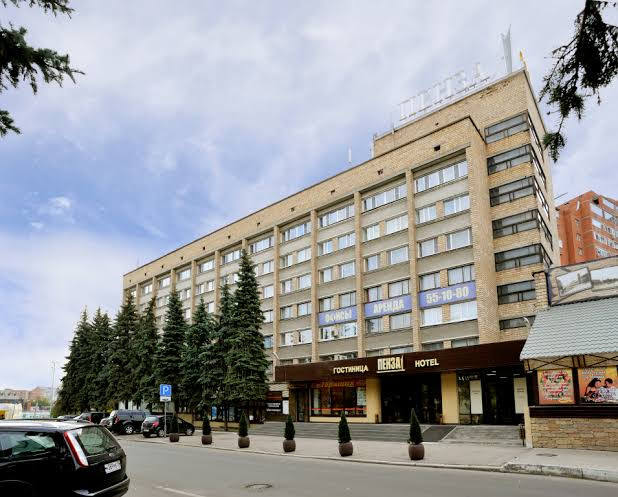
Penza Hotel
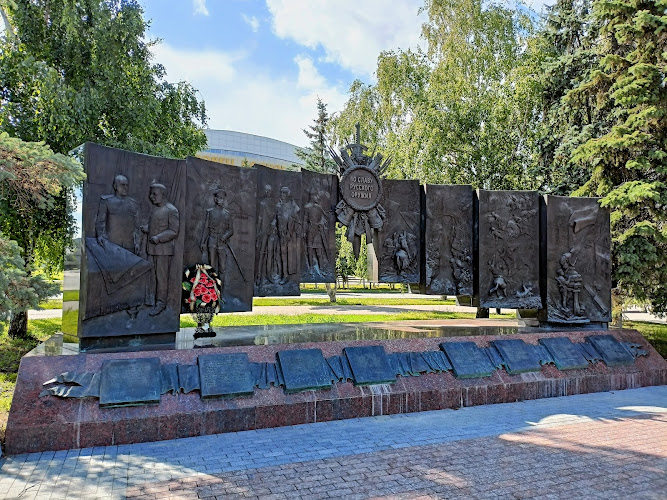
Vo Slavu Russkogo Oruzhiya
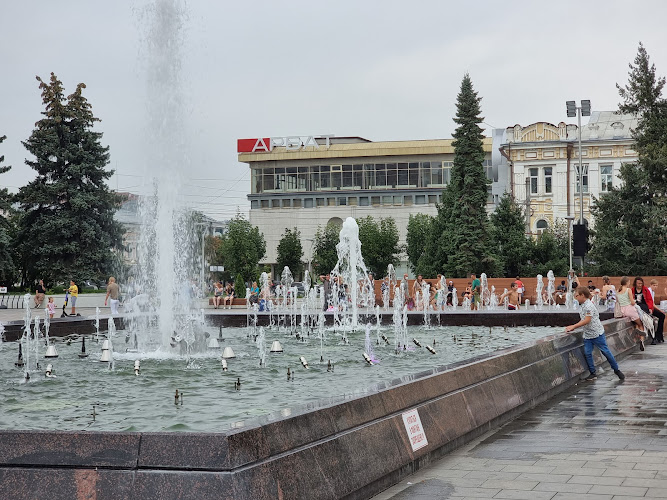
Penza
Find Accommodations Nearby
Recommended Tours & Activities
Visitor Reviews
There are no reviews yet. Be the first one to write one.
Share Your Experience
Have you visited Penza Zoo? Help other travelers by leaving a review.