Tourist attraction 4.4 Kenjapahar Ist part al, Paraliya, IndiaCommunity Guide

MAITHON DAM

Maithon Dam, Kenjapahar Ist part al, Jharkhand 828207, India

MAITHON DAM
35,182 Photos

About & Overview

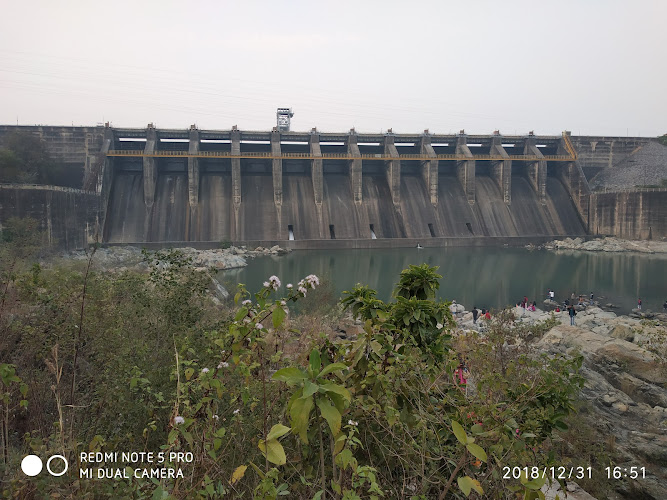
Maithon Dam in Kenjapahar Ist part al, Paraliya, Jharkhand, is a striking blend of mid-20th-century engineering and riverside serenity. Built across the Barakar River as part of the Damodar Valley Corporation project, the dam’s long concrete crest and the submerged reservoir speak to its original purposes of flood control, irrigation and hydroelectric generation β€” including an underground power station notable in the region. From a travel-writer’s viewpoint, Maithon is special for the contrast between industrial scale and quiet natural beauty: broad water vistas, tree-lined embankments and seasonal migratory birds give visitors unexpected calm, while the structure itself offers dramatic photographic lines, especially at sunrise and sunset. History-minded visitors appreciate the role Maithon played in post-independence regional development; casual visitors come for picnics, short walks, and a chance to watch local life on the reservoir’s edge. It’s a rewarding stop for anyone traveling around Dhanbad or Asansol who wants a scenic, historically meaningful outing without venturing far from town.

Highlights & Key Features

  • Long concrete dam crest spanning the Barakar River (impressive engineering views)
  • Reservoir with scenic viewpoints ideal for sunrise/sunset photography
  • Underground hydroelectric power station β€” regionally significant
  • Picnic areas and landscaped banks suitable for families
  • Close proximity to Dhanbad and Asansol making it an easy day trip

Visitor Guide & Information

Maithon Dam stands as one of those engineering marvels that somehow manages to blend practical purpose with unexpected beauty. Located in the Dhanbad district of Jharkhand, this massive concrete structure stretches across the Barakar River and creates a reservoir that’s honestly more picturesque than you’d expect from something built primarily for power generation and irrigation. When I first heard about visiting a dam, I’ll admit I wasn’t exactly jumping with excitement – but Maithon changed my perspective completely.

The dam itself rises impressively above the landscape, and what makes it special isn’t just the structure but the entire ecosystem that’s developed around it. The reservoir has become something of an accidental tourist destination, attracting families, couples, and solo travelers who come seeking a peaceful escape from the industrial hustle of nearby areas. And honestly, can you blame them? There’s something deeply calming about watching massive bodies of water reflect changing skies.

What surprised me most about Maithon Dam is how it’s become a genuine recreational spot rather than just an engineering site. The waters here have a different character depending on when you visit – sometimes mirror-still and meditative, other times rippling with gentle waves that create mesmerizing patterns. The surrounding hills add layers of green and brown that frame the blue waters perfectly, creating those postcard moments that make you reach for your camera even if you’re usually not the photo-taking type.

The bridge component of this attraction gives visitors a unique vantage point to appreciate the scale of everything. Walking or driving across offers perspectives that ground-level viewing just can’t match. You get to see how the water stretches in both directions, how the dam controls this natural force, and how humans have managed to work with rather than against the landscape.

Key Features

The Maithon Dam complex offers several distinctive features that make it worth the journey:

β€’ The dam’s impressive height reaches approximately 165 feet, creating a commanding presence against the skyline that photography enthusiasts absolutely adore

β€’ A sprawling reservoir that covers significant acreage provides ample space for visitors to find their own quiet spots away from crowds

β€’ Wheelchair accessible facilities including dedicated entrances and parking areas make this destination genuinely inclusive for visitors with mobility considerations

β€’ Clean restroom facilities are available onsite, which honestly matters more than people admit when planning day trips

β€’ The bridge structure provides elevated walkways perfect for panoramic photography and bird watching during migration seasons

β€’ Hydroelectric power generation happens right beneath your feet, adding an educational dimension to what could otherwise be just a scenic visit

β€’ Gardens and maintained green spaces around the dam area offer picnic spots where families can spread out and spend entire afternoons

β€’ Boating facilities occasionally operate on the reservoir waters, though availability varies seasonally

β€’ NFC payment options demonstrate surprising modernization for a somewhat off-the-beaten-path destination

β€’ Multiple viewpoints around the perimeter let you experience the dam from different angles and lighting conditions throughout the day

β€’ The area is genuinely suitable for children, with open spaces for running around and relatively safe viewing areas that don’t require constant worry

β€’ Birthday celebrations are actually accommodated here, which speaks to how the local management has embraced the dam’s role as a community space

Best Time to Visit

Timing your visit to Maithon Dam can honestly make or break your experience. I’ve learned through conversations with frequent visitors that the monsoon season and its immediate aftermath – roughly July through November – showcase the dam at its most dramatic. The reservoir fills to impressive levels, the spillways might be releasing water in spectacular cascades, and everything feels alive with the energy that rain brings to the landscape.

But here’s where it gets interesting. While monsoon offers visual drama, the winter months between November and February provide the most comfortable visiting conditions. The weather in Jharkhand during winter is genuinely pleasant – neither too cold nor uncomfortably hot. You can spend hours outdoors without feeling like you’re melting or freezing, which matters when you’re trying to enjoy a full day at the dam.

Summer months from March to June? I’ll be honest with you – they’re challenging. The heat in this region can be pretty intense, and being around a large body of water doesn’t cool things down as much as you’d hope. If you must visit during summer, early mornings or late afternoons are your best bet. The sunrise and sunset lighting is spectacular year-round though, so there’s that compensation.

Weekends and public holidays see significantly larger crowds, particularly among local visitors and families from nearby cities. If you prefer a more contemplative, quiet experience, weekdays offer that solitude. I personally appreciate having space to think and observe without constant chatter, but some people enjoy the livelier atmosphere that crowds bring.

The early morning hours, regardless of season, offer something special. The mist rises off the water, birds are most active, and there’s a quality of light that photographers call β€œthe golden hour” for good reason. If you can drag yourself out of bed before dawn, you won’t regret it.

How to Get There

Getting to Maithon Dam requires a bit of planning, but it’s more accessible than many similar attractions in the region. The nearest major railway station is Dhanbad, which connects well with cities across eastern and northern India. From Dhanbad, the dam sits approximately 48 kilometers away – about an hour’s drive under normal traffic conditions.

Road connectivity is decent, and you’ve got several options depending on your comfort level and budget. Hiring a taxi from Dhanbad gives you flexibility and comfort, particularly if you’re traveling with family or have mobility concerns. The drivers in this area generally know the route well, and many can serve as informal guides if you’re interested in local context.

Auto-rickshaws can work for shorter distances or if you’re connecting from nearby towns, though they’re not ideal for the full journey from Dhanbad. Local buses do run toward Maithon, but schedules can be unpredictable and the ride considerably longer. If you’re the adventurous type who enjoys local transport experiences, go for it. If you value certainty and comfort, stick with pre-arranged taxis.

For those driving themselves, the roads are navigable but require attention. Indian road conditions vary, and you’ll encounter everything from well-paved stretches to sections that need careful driving. GPS works reasonably well in this area now, though having offline maps downloaded provides peace of mind.

The nearest airport is Birsa Munda Airport in Ranchi, sitting about 150 kilometers away. It’s a longer journey but connects Maithon to major Indian cities through regular flights. From Ranchi, you’d need to arrange road transport, making it a more involved journey but certainly doable for international or long-distance domestic travelers.

Tips for Visiting

After talking with regular visitors and learning from others’ experiences, these practical tips can significantly improve your Maithon Dam visit. First off, carry water and snacks even though there are vendors around. The availability isn’t always consistent, and prices near tourist spots tend to be inflated. Pack more water than seems necessary – the combination of walking and time spent outdoors means you’ll drink more than expected.

Wear comfortable walking shoes. I can’t stress this enough. You’ll want to explore different viewpoints, walk along the dam, maybe venture down to water-accessible areas. Flip-flops or fancy shoes will leave you uncomfortable and limited in where you can safely go.

The sun here doesn’t mess around, regardless of season. Sunscreen, hats, and sunglasses aren’t optional unless you enjoy painful sunburns and squinting in every photo. Even on seemingly cloudy days, UV exposure around large water bodies can surprise you.

Bring your camera or ensure your phone is charged, but also remember to actually experience the place rather than viewing everything through a screen. I know it sounds preachy, but I’ve caught myself so focused on getting the perfect shot that I forgot to simply look and absorb the scene.

If you’re visiting with children, the space is generally safe but water bodies always require supervision. The accessibility features mean families with strollers or wheelchairs can navigate most areas, but always scout ahead to confirm routes work for your specific needs.

Local guides sometimes hang around offering their services, and for a reasonable fee they can share historical context and point out features you might otherwise miss. Negotiate prices upfront though – clarity prevents awkward situations later.

The restroom facilities exist but carrying tissue paper and hand sanitizer gives you independence from variable supply levels. It’s one of those small preparations that makes a big comfort difference.

Weather can shift quickly, particularly during monsoon months. A light rain jacket or umbrella weighs little but provides significant relief when sudden showers appear. And they will appear, often when least convenient.

Respect the posted safety signs and barriers. They’re not suggestions or challenges to your adventurous spirit – they mark genuinely dangerous areas around water control structures and steep drops. Every year, people get into trouble by ignoring these warnings.

Finally, manage your expectations. Maithon Dam offers peaceful scenery and interesting engineering, but it’s not an amusement park or heavily developed resort. The appeal lies in its relatively understated beauty and the chance to experience a functional piece of infrastructure that’s also become a community gathering place. If you come seeking quiet reflection, photo opportunities, and perhaps a picnic with loved ones, you’ll leave satisfied. If you expect constant entertainment and extensive facilities, you might feel disappointed.

Plan for spending several hours here if you really want to explore thoroughly. Rushing through defeats the purpose of visiting a place that’s fundamentally about slowing down and appreciating scale, water, and open spaces.

Community & Insider Notes

Last modified March 30, 2026

Description

Maithon Dam stands as one of those engineering marvels that somehow manages to blend practical purpose with unexpected beauty. Located in the Dhanbad district of Jharkhand, this massive concrete structure stretches across the Barakar River and creates a reservoir that’s honestly more picturesque than you’d expect from something built primarily for power generation and irrigation. When I first heard about visiting a dam, I’ll admit I wasn’t exactly jumping with excitement – but Maithon changed my perspective completely.

The dam itself rises impressively above the landscape, and what makes it special isn’t just the structure but the entire ecosystem that’s developed around it. The reservoir has become something of an accidental tourist destination, attracting families, couples, and solo travelers who come seeking a peaceful escape from the industrial hustle of nearby areas. And honestly, can you blame them? There’s something deeply calming about watching massive bodies of water reflect changing skies.

What surprised me most about Maithon Dam is how it’s become a genuine recreational spot rather than just an engineering site. The waters here have a different character depending on when you visit – sometimes mirror-still and meditative, other times rippling with gentle waves that create mesmerizing patterns. The surrounding hills add layers of green and brown that frame the blue waters perfectly, creating those postcard moments that make you reach for your camera even if you’re usually not the photo-taking type.

The bridge component of this attraction gives visitors a unique vantage point to appreciate the scale of everything. Walking or driving across offers perspectives that ground-level viewing just can’t match. You get to see how the water stretches in both directions, how the dam controls this natural force, and how humans have managed to work with rather than against the landscape.

Key Features

The Maithon Dam complex offers several distinctive features that make it worth the journey:

β€’ The dam’s impressive height reaches approximately 165 feet, creating a commanding presence against the skyline that photography enthusiasts absolutely adore

β€’ A sprawling reservoir that covers significant acreage provides ample space for visitors to find their own quiet spots away from crowds

β€’ Wheelchair accessible facilities including dedicated entrances and parking areas make this destination genuinely inclusive for visitors with mobility considerations

β€’ Clean restroom facilities are available onsite, which honestly matters more than people admit when planning day trips

β€’ The bridge structure provides elevated walkways perfect for panoramic photography and bird watching during migration seasons

β€’ Hydroelectric power generation happens right beneath your feet, adding an educational dimension to what could otherwise be just a scenic visit

β€’ Gardens and maintained green spaces around the dam area offer picnic spots where families can spread out and spend entire afternoons

β€’ Boating facilities occasionally operate on the reservoir waters, though availability varies seasonally

β€’ NFC payment options demonstrate surprising modernization for a somewhat off-the-beaten-path destination

β€’ Multiple viewpoints around the perimeter let you experience the dam from different angles and lighting conditions throughout the day

β€’ The area is genuinely suitable for children, with open spaces for running around and relatively safe viewing areas that don’t require constant worry

β€’ Birthday celebrations are actually accommodated here, which speaks to how the local management has embraced the dam’s role as a community space

Best Time to Visit

Timing your visit to Maithon Dam can honestly make or break your experience. I’ve learned through conversations with frequent visitors that the monsoon season and its immediate aftermath – roughly July through November – showcase the dam at its most dramatic. The reservoir fills to impressive levels, the spillways might be releasing water in spectacular cascades, and everything feels alive with the energy that rain brings to the landscape.

But here’s where it gets interesting. While monsoon offers visual drama, the winter months between November and February provide the most comfortable visiting conditions. The weather in Jharkhand during winter is genuinely pleasant – neither too cold nor uncomfortably hot. You can spend hours outdoors without feeling like you’re melting or freezing, which matters when you’re trying to enjoy a full day at the dam.

Summer months from March to June? I’ll be honest with you – they’re challenging. The heat in this region can be pretty intense, and being around a large body of water doesn’t cool things down as much as you’d hope. If you must visit during summer, early mornings or late afternoons are your best bet. The sunrise and sunset lighting is spectacular year-round though, so there’s that compensation.

Weekends and public holidays see significantly larger crowds, particularly among local visitors and families from nearby cities. If you prefer a more contemplative, quiet experience, weekdays offer that solitude. I personally appreciate having space to think and observe without constant chatter, but some people enjoy the livelier atmosphere that crowds bring.

The early morning hours, regardless of season, offer something special. The mist rises off the water, birds are most active, and there’s a quality of light that photographers call “the golden hour” for good reason. If you can drag yourself out of bed before dawn, you won’t regret it.

How to Get There

Getting to Maithon Dam requires a bit of planning, but it’s more accessible than many similar attractions in the region. The nearest major railway station is Dhanbad, which connects well with cities across eastern and northern India. From Dhanbad, the dam sits approximately 48 kilometers away – about an hour’s drive under normal traffic conditions.

Road connectivity is decent, and you’ve got several options depending on your comfort level and budget. Hiring a taxi from Dhanbad gives you flexibility and comfort, particularly if you’re traveling with family or have mobility concerns. The drivers in this area generally know the route well, and many can serve as informal guides if you’re interested in local context.

Auto-rickshaws can work for shorter distances or if you’re connecting from nearby towns, though they’re not ideal for the full journey from Dhanbad. Local buses do run toward Maithon, but schedules can be unpredictable and the ride considerably longer. If you’re the adventurous type who enjoys local transport experiences, go for it. If you value certainty and comfort, stick with pre-arranged taxis.

For those driving themselves, the roads are navigable but require attention. Indian road conditions vary, and you’ll encounter everything from well-paved stretches to sections that need careful driving. GPS works reasonably well in this area now, though having offline maps downloaded provides peace of mind.

The nearest airport is Birsa Munda Airport in Ranchi, sitting about 150 kilometers away. It’s a longer journey but connects Maithon to major Indian cities through regular flights. From Ranchi, you’d need to arrange road transport, making it a more involved journey but certainly doable for international or long-distance domestic travelers.

Tips for Visiting

After talking with regular visitors and learning from others’ experiences, these practical tips can significantly improve your Maithon Dam visit. First off, carry water and snacks even though there are vendors around. The availability isn’t always consistent, and prices near tourist spots tend to be inflated. Pack more water than seems necessary – the combination of walking and time spent outdoors means you’ll drink more than expected.

Wear comfortable walking shoes. I can’t stress this enough. You’ll want to explore different viewpoints, walk along the dam, maybe venture down to water-accessible areas. Flip-flops or fancy shoes will leave you uncomfortable and limited in where you can safely go.

The sun here doesn’t mess around, regardless of season. Sunscreen, hats, and sunglasses aren’t optional unless you enjoy painful sunburns and squinting in every photo. Even on seemingly cloudy days, UV exposure around large water bodies can surprise you.

Bring your camera or ensure your phone is charged, but also remember to actually experience the place rather than viewing everything through a screen. I know it sounds preachy, but I’ve caught myself so focused on getting the perfect shot that I forgot to simply look and absorb the scene.

If you’re visiting with children, the space is generally safe but water bodies always require supervision. The accessibility features mean families with strollers or wheelchairs can navigate most areas, but always scout ahead to confirm routes work for your specific needs.

Local guides sometimes hang around offering their services, and for a reasonable fee they can share historical context and point out features you might otherwise miss. Negotiate prices upfront though – clarity prevents awkward situations later.

The restroom facilities exist but carrying tissue paper and hand sanitizer gives you independence from variable supply levels. It’s one of those small preparations that makes a big comfort difference.

Weather can shift quickly, particularly during monsoon months. A light rain jacket or umbrella weighs little but provides significant relief when sudden showers appear. And they will appear, often when least convenient.

Respect the posted safety signs and barriers. They’re not suggestions or challenges to your adventurous spirit – they mark genuinely dangerous areas around water control structures and steep drops. Every year, people get into trouble by ignoring these warnings.

Finally, manage your expectations. Maithon Dam offers peaceful scenery and interesting engineering, but it’s not an amusement park or heavily developed resort. The appeal lies in its relatively understated beauty and the chance to experience a functional piece of infrastructure that’s also become a community gathering place. If you come seeking quiet reflection, photo opportunities, and perhaps a picnic with loved ones, you’ll leave satisfied. If you expect constant entertainment and extensive facilities, you might feel disappointed.

Plan for spending several hours here if you really want to explore thoroughly. Rushing through defeats the purpose of visiting a place that’s fundamentally about slowing down and appreciating scale, water, and open spaces.

Key Highlights

  • Long concrete dam crest spanning the Barakar River (impressive engineering views)
  • Reservoir with scenic viewpoints ideal for sunrise/sunset photography
  • Underground hydroelectric power station β€” regionally significant
  • Picnic areas and landscaped banks suitable for families
  • Close proximity to Dhanbad and Asansol making it an easy day trip

Location

Places to Stay Near MAITHON DAM

Find and Book a Tour

Explore More Travel Guides

No reviews found! Be the first to review!

Select a Rating5 Stars4 Stars3 Stars2 Stars1 Star

MAITHON DAM is a prominent attractions located in Kenjapahar Ist part al, Paraliya.

Visit us at: Maithon Dam, Kenjapahar Ist part al, Jharkhand 828207, India.

Find Places to Stay Nearby

Stay22 provides this accommodation search. We may earn a commission if you book through it; verify current prices and terms with the provider.

Recommended Experiences & Activities

GetYourGuide provides this tour inventory. We may earn a commission if you book through it; verify current availability, prices, and terms with the provider.

Top Viator Experiences & Guided Tours in Kenjapahar Ist part al, Paraliya

We may earn a commission if you book through links on this page at no extra cost to you. All tours feature verified customer reviews and flexible cancellation options.

Traveler Reviews & Community Q&A

No traveler reviews yet. Share your experience below!

No traveler questions yet. Be the first to ask a local!

Real Journey Travels Community