
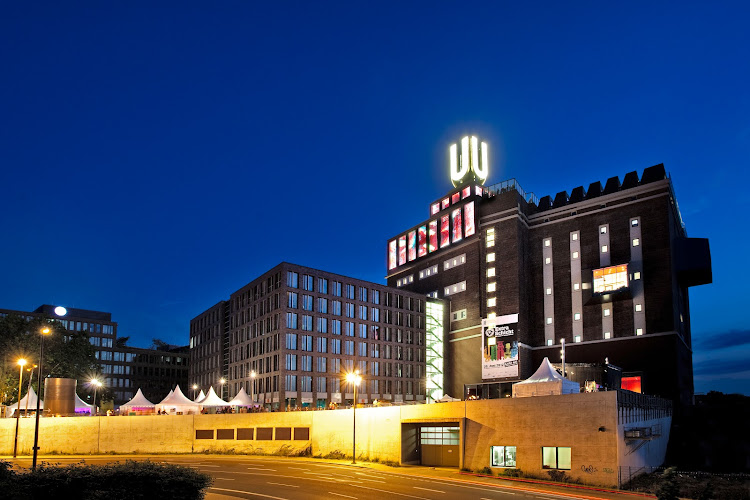
Dortmund U-Tower
About Dortmund U-Tower
Description
The Dortmund U-Tower stands as one of Germany's most intriguing transformations of industrial heritage into contemporary cultural space. Originally built as a brewery in 1926, this imposing structure now serves as a beacon for modern art and creative expression in the heart of the Ruhr region. And honestly, when you first catch sight of that massive golden "U" perched atop the building, it's hard not to feel a little jolt of excitement about what awaits inside. I remember walking through the Ruhr Valley a few years back and being struck by how cities like Dortmund have reimagined their industrial past rather than simply demolishing it. The U-Tower embodies this philosophy perfectly – it's not trying to hide what it once was, but rather celebrating its brewery roots while giving it an entirely new purpose. The building reaches about 70 meters into the sky, making it visible from various points around the city and serving as a distinctive landmark that locals use for navigation. What makes this place particularly special is that it's not just a single museum but rather a cultural complex housing multiple institutions under one roof. You'll find the Museum Ostwall showcasing modern and contemporary art, the Hartware MedienKunstVerein focusing on media art, and various spaces dedicated to temporary exhibitions and creative projects. The building itself becomes part of the artistic experience – those old brewery spaces with their industrial charm create an atmosphere you simply can't replicate in a purpose-built modern museum. The tower attracts roughly 100,000 visitors annually, which tells you something about its appeal to both tourists and locals. But it never feels overly crowded, probably because the space is distributed across multiple floors with different exhibitions and areas to explore. There's this wonderful sense of discovery as you move through the building, never quite sure what artistic surprise awaits on the next level.Key Features
The U-Tower offers visitors an impressive array of features that set it apart from conventional museum experiences:- The Museum Ostwall's permanent collection featuring works from Expressionism, Fluxus, and contemporary art movements that truly showcase the evolution of modern artistic thought
- A rooftop viewing platform that provides panoramic views across Dortmund and the surrounding Ruhr area – on clear days you can see for miles
- The distinctive golden "U" sign that's become an icon of Dortmund's cultural renaissance and makes for fantastic photographs
- Interactive media art installations that engage visitors in ways traditional paintings and sculptures simply cannot
- Rotating temporary exhibitions that keep the experience fresh even for repeat visitors
- An on-site restaurant where you can grab a bite while discussing the artwork you've just experienced
- Event spaces that host live performances, lectures, and cultural gatherings throughout the year
- Free Wi-Fi throughout the building so you can share your discoveries in real-time or research artists that catch your interest
- Complete wheelchair accessibility including ramps, elevators, and adapted restrooms
- Family-friendly facilities including changing tables and programming designed specifically for younger visitors
Best Time to Visit
Timing your visit to the U-Tower can make a real difference in your experience. The building is open year-round, but certain periods offer distinct advantages depending on what you're after. Weekday mornings, particularly Tuesday through Thursday between 10 AM and noon, tend to be the quietest times. You'll have more breathing room to contemplate the artworks without jostling for position or dealing with tour groups. I've found that mid-morning visits also mean you're encountering the staff when they're fresh and often more willing to chat about the exhibitions. Weather-wise, visiting during spring (April to June) or early autumn (September to October) gives you the best of both worlds. The rooftop viewing platform becomes a genuine highlight when the weather cooperates, and these seasons typically offer pleasant temperatures and clearer skies. Summer can be lovely too, though July and August sometimes bring larger crowds as school holidays fill the galleries with families. Winter visits have their own appeal, honestly. There's something cozy about exploring art in a warm building while the industrial landscape outside takes on a stark, almost meditative quality. Plus, December brings special holiday programming and events that add an extra layer to the experience. If you're interested in live performances or special events, check the programming schedule before planning your trip. The U-Tower regularly hosts evening events that transform the space entirely – the building takes on a different character after dark, with that golden U illuminated against the night sky. Don't overlook the weekend openings either. Yes, they're busier, but weekends often feature guided tours, workshops, and interactive programs that aren't available during the week. Sunday afternoons around 2 PM seem to hit a sweet spot where morning crowds have thinned but the building hasn't yet closed.How to Get There
Getting to the U-Tower is remarkably straightforward, which makes sense given its position as a major cultural destination. The building sits in a central location that's well-connected by Dortmund's public transportation network. If you're arriving by train – and many visitors to Dortmund do – the U-Tower is roughly a 15-minute walk from the Hauptbahnhof (main railway station). It's a pleasant stroll through the city center that gives you a feel for Dortmund's urban landscape. Just head south toward the city center and follow the signs, or honestly, just look for that distinctive U rising above the buildings. Public transportation offers the most convenient option for most visitors. The U-Tower has its own stop on the light rail system – just take the U46 line to "Stadtgarten" and you'll find yourself practically at the entrance. Trams and buses also service the area with multiple lines stopping nearby. A day ticket for Dortmund's public transport costs around 8 euros and gives you unlimited travel, which is useful if you're planning to explore other parts of the city. For those driving, parking is available but comes at a cost – this is Germany, after all, where parking fees are just part of urban life. There's a paid parking garage directly adjacent to the building, plus several paid lots within walking distance. Street parking exists in the surrounding area, though finding a spot can test your patience during busy periods. Budget roughly 2 to 3 euros per hour for parking. The building's central location means you can easily combine your U-Tower visit with other Dortmund attractions. The city's shopping district, Westenhellweg, is just a short walk away, and the Reinoldikirche and other historical sites are equally accessible on foot.Tips for Visiting
Making the most of your U-Tower experience involves a bit of insider knowledge that you won't find in most guidebooks. First thing – don't rush it. I see too many visitors treating the U-Tower like a checkbox on their itinerary, spending maybe an hour before moving on. The place deserves at least two to three hours if you want to properly absorb the art and atmosphere. The Museum Ostwall collection alone could occupy an entire afternoon if you're genuinely interested in modern art. Take the elevator to the top first, then work your way down. This approach means you'll start with those spectacular rooftop views while you're still fresh, and it creates a natural flow through the building. Plus, descending through the exhibitions feels more relaxed than climbing upward. The restaurant on-site serves decent food at reasonable prices, but here's the thing – it can get busy during typical lunch hours. Either eat early (before noon) or late (after 1:30 PM), or better yet, grab something from one of the cafes in the surrounding streets where you'll find more variety and often better value. Photography is generally permitted in the permanent collection areas, but flash photography is prohibited and some temporary exhibitions restrict photography entirely. Always check the signs or ask staff if you're unsure. And please, don't be that person who spends the entire visit viewing everything through their phone screen. If you're visiting with kids, pick up one of the family guides at the entrance. The U-Tower does a surprisingly good job of making contemporary art accessible to younger visitors without dumbing things down. There are interactive elements scattered throughout that engage children while teaching them about artistic concepts. The gift shop near the entrance stocks exhibition catalogs and art books you won't find elsewhere. It's worth browsing even if you're not typically a museum gift shop person – they curate interesting items rather than the usual tourist tat. Consider timing your visit to catch one of the regular guided tours offered in German and occasionally in English. These tours reveal context and stories behind the artworks that you'd miss exploring solo. The guides tend to be knowledgeable art historians or artists themselves who bring genuine passion to their presentations. Wear comfortable shoes. This sounds obvious, but those industrial concrete floors get tiring after a couple of hours of standing and walking. The building has seating scattered throughout, but not always where you might want it. Check what's on before you visit. The U-Tower's website lists current exhibitions and events, and because the temporary shows change regularly, your experience will vary dramatically depending on what's being featured during your visit. Some exhibitions are absolute must-sees while others might not align with your interests. And finally, don't skip the rooftop even if weather conditions aren't perfect. That panoramic view across the Ruhr region provides valuable context for understanding Dortmund's industrial heritage and its transformation into a cultural hub. You'll see former factories, contemporary architecture, and green spaces all coexisting in a landscape that tells the story of a region reinventing itself.Key Features
- Museum Ostwall — modern and contemporary art collections and rotating exhibitions
- Iconic historic industrial architecture with the illuminated 'U' landmark
- Rooftop terrace and observation platform with panoramic city views
- Creative labs, media spaces, and event programming (talks, film, workshops)
- On-site cafés and visitor facilities integrated into a cultural complex
More Details
Updated March 30, 2026
Table of Contents
Description
The Dortmund U-Tower stands as one of Germany’s most intriguing transformations of industrial heritage into contemporary cultural space. Originally built as a brewery in 1926, this imposing structure now serves as a beacon for modern art and creative expression in the heart of the Ruhr region. And honestly, when you first catch sight of that massive golden “U” perched atop the building, it’s hard not to feel a little jolt of excitement about what awaits inside.
I remember walking through the Ruhr Valley a few years back and being struck by how cities like Dortmund have reimagined their industrial past rather than simply demolishing it. The U-Tower embodies this philosophy perfectly – it’s not trying to hide what it once was, but rather celebrating its brewery roots while giving it an entirely new purpose. The building reaches about 70 meters into the sky, making it visible from various points around the city and serving as a distinctive landmark that locals use for navigation.
What makes this place particularly special is that it’s not just a single museum but rather a cultural complex housing multiple institutions under one roof. You’ll find the Museum Ostwall showcasing modern and contemporary art, the Hartware MedienKunstVerein focusing on media art, and various spaces dedicated to temporary exhibitions and creative projects. The building itself becomes part of the artistic experience – those old brewery spaces with their industrial charm create an atmosphere you simply can’t replicate in a purpose-built modern museum.
The tower attracts roughly 100,000 visitors annually, which tells you something about its appeal to both tourists and locals. But it never feels overly crowded, probably because the space is distributed across multiple floors with different exhibitions and areas to explore. There’s this wonderful sense of discovery as you move through the building, never quite sure what artistic surprise awaits on the next level.
Key Features
The U-Tower offers visitors an impressive array of features that set it apart from conventional museum experiences:
- The Museum Ostwall’s permanent collection featuring works from Expressionism, Fluxus, and contemporary art movements that truly showcase the evolution of modern artistic thought
- A rooftop viewing platform that provides panoramic views across Dortmund and the surrounding Ruhr area – on clear days you can see for miles
- The distinctive golden “U” sign that’s become an icon of Dortmund’s cultural renaissance and makes for fantastic photographs
- Interactive media art installations that engage visitors in ways traditional paintings and sculptures simply cannot
- Rotating temporary exhibitions that keep the experience fresh even for repeat visitors
- An on-site restaurant where you can grab a bite while discussing the artwork you’ve just experienced
- Event spaces that host live performances, lectures, and cultural gatherings throughout the year
- Free Wi-Fi throughout the building so you can share your discoveries in real-time or research artists that catch your interest
- Complete wheelchair accessibility including ramps, elevators, and adapted restrooms
- Family-friendly facilities including changing tables and programming designed specifically for younger visitors
Best Time to Visit
Timing your visit to the U-Tower can make a real difference in your experience. The building is open year-round, but certain periods offer distinct advantages depending on what you’re after.
Weekday mornings, particularly Tuesday through Thursday between 10 AM and noon, tend to be the quietest times. You’ll have more breathing room to contemplate the artworks without jostling for position or dealing with tour groups. I’ve found that mid-morning visits also mean you’re encountering the staff when they’re fresh and often more willing to chat about the exhibitions.
Weather-wise, visiting during spring (April to June) or early autumn (September to October) gives you the best of both worlds. The rooftop viewing platform becomes a genuine highlight when the weather cooperates, and these seasons typically offer pleasant temperatures and clearer skies. Summer can be lovely too, though July and August sometimes bring larger crowds as school holidays fill the galleries with families.
Winter visits have their own appeal, honestly. There’s something cozy about exploring art in a warm building while the industrial landscape outside takes on a stark, almost meditative quality. Plus, December brings special holiday programming and events that add an extra layer to the experience.
If you’re interested in live performances or special events, check the programming schedule before planning your trip. The U-Tower regularly hosts evening events that transform the space entirely – the building takes on a different character after dark, with that golden U illuminated against the night sky.
Don’t overlook the weekend openings either. Yes, they’re busier, but weekends often feature guided tours, workshops, and interactive programs that aren’t available during the week. Sunday afternoons around 2 PM seem to hit a sweet spot where morning crowds have thinned but the building hasn’t yet closed.
How to Get There
Getting to the U-Tower is remarkably straightforward, which makes sense given its position as a major cultural destination. The building sits in a central location that’s well-connected by Dortmund’s public transportation network.
If you’re arriving by train – and many visitors to Dortmund do – the U-Tower is roughly a 15-minute walk from the Hauptbahnhof (main railway station). It’s a pleasant stroll through the city center that gives you a feel for Dortmund’s urban landscape. Just head south toward the city center and follow the signs, or honestly, just look for that distinctive U rising above the buildings.
Public transportation offers the most convenient option for most visitors. The U-Tower has its own stop on the light rail system – just take the U46 line to “Stadtgarten” and you’ll find yourself practically at the entrance. Trams and buses also service the area with multiple lines stopping nearby. A day ticket for Dortmund’s public transport costs around 8 euros and gives you unlimited travel, which is useful if you’re planning to explore other parts of the city.
For those driving, parking is available but comes at a cost – this is Germany, after all, where parking fees are just part of urban life. There’s a paid parking garage directly adjacent to the building, plus several paid lots within walking distance. Street parking exists in the surrounding area, though finding a spot can test your patience during busy periods. Budget roughly 2 to 3 euros per hour for parking.
The building’s central location means you can easily combine your U-Tower visit with other Dortmund attractions. The city’s shopping district, Westenhellweg, is just a short walk away, and the Reinoldikirche and other historical sites are equally accessible on foot.
Tips for Visiting
Making the most of your U-Tower experience involves a bit of insider knowledge that you won’t find in most guidebooks.
First thing – don’t rush it. I see too many visitors treating the U-Tower like a checkbox on their itinerary, spending maybe an hour before moving on. The place deserves at least two to three hours if you want to properly absorb the art and atmosphere. The Museum Ostwall collection alone could occupy an entire afternoon if you’re genuinely interested in modern art.
Take the elevator to the top first, then work your way down. This approach means you’ll start with those spectacular rooftop views while you’re still fresh, and it creates a natural flow through the building. Plus, descending through the exhibitions feels more relaxed than climbing upward.
The restaurant on-site serves decent food at reasonable prices, but here’s the thing – it can get busy during typical lunch hours. Either eat early (before noon) or late (after 1:30 PM), or better yet, grab something from one of the cafes in the surrounding streets where you’ll find more variety and often better value.
Photography is generally permitted in the permanent collection areas, but flash photography is prohibited and some temporary exhibitions restrict photography entirely. Always check the signs or ask staff if you’re unsure. And please, don’t be that person who spends the entire visit viewing everything through their phone screen.
If you’re visiting with kids, pick up one of the family guides at the entrance. The U-Tower does a surprisingly good job of making contemporary art accessible to younger visitors without dumbing things down. There are interactive elements scattered throughout that engage children while teaching them about artistic concepts.
The gift shop near the entrance stocks exhibition catalogs and art books you won’t find elsewhere. It’s worth browsing even if you’re not typically a museum gift shop person – they curate interesting items rather than the usual tourist tat.
Consider timing your visit to catch one of the regular guided tours offered in German and occasionally in English. These tours reveal context and stories behind the artworks that you’d miss exploring solo. The guides tend to be knowledgeable art historians or artists themselves who bring genuine passion to their presentations.
Wear comfortable shoes. This sounds obvious, but those industrial concrete floors get tiring after a couple of hours of standing and walking. The building has seating scattered throughout, but not always where you might want it.
Check what’s on before you visit. The U-Tower’s website lists current exhibitions and events, and because the temporary shows change regularly, your experience will vary dramatically depending on what’s being featured during your visit. Some exhibitions are absolute must-sees while others might not align with your interests.
And finally, don’t skip the rooftop even if weather conditions aren’t perfect. That panoramic view across the Ruhr region provides valuable context for understanding Dortmund’s industrial heritage and its transformation into a cultural hub. You’ll see former factories, contemporary architecture, and green spaces all coexisting in a landscape that tells the story of a region reinventing itself.
Key Highlights
- Museum Ostwall — modern and contemporary art collections and rotating exhibitions
- Iconic historic industrial architecture with the illuminated ‘U’ landmark
- Rooftop terrace and observation platform with panoramic city views
- Creative labs, media spaces, and event programming (talks, film, workshops)
- On-site cafés and visitor facilities integrated into a cultural complex
Location
Places to Stay Near Dortmund U-Tower
Find and Book a Tour
Explore More Travel Guides
No reviews found! Be the first to review!
Dortmund U-Tower is a prominent museums located in Dortmund.
Visit us at: Leonie-Reygers-Terrasse, 44137 Dortmund, Germany.
Traveler Reviews for Dortmund U-Tower
There are no reviews yet. Be the first one to write one.
Have you visited Dortmund U-Tower? Help other travelers by sharing your review.
Nearby Attractions
You Might Also Like
Kinder Park

Signal Iduna Park

St. Reinold's Church
Find Accommodations Nearby
Recommended Tours & Activities
Visitor Reviews
There are no reviews yet. Be the first one to write one.
Share Your Experience
Have you visited Dortmund U-Tower? Help other travelers by leaving a review.