Incheon Airport vs Gimpo for International Flights: Which Seoul Hub Wins?
Updated March 11, 2026
Seoul has two international airports, and picking the right one can seriously affect your trip. For most international flights, Incheon is your main option—it covers nearly all long-haul routes to Europe, North America, the Middle East, and more.
Gimpo, meanwhile, sticks to domestic flights and a handful of routes to nearby East Asian cities like Tokyo, Osaka, Beijing, and Taipei. So, your destination usually makes the choice for you.
But if you’re heading to Japan, China, or Taiwan, both airports might have flights. That’s when you really need to think it through.
Gimpo is way closer to downtown Seoul and gets you through customs faster, but Incheon has more flights and nicer amenities if you want to kill some time. Knowing how these airports actually differ can save you precious time and stress—especially if you’re connecting through Seoul or trying to stretch your vacation days.
Key Takeaways
- Incheon covers almost all long-haul international flights, while Gimpo mainly handles domestic and regional East Asian routes
- Gimpo is much closer to central Seoul and usually gets you through faster if you’re on a short regional trip
- Your destination usually decides which airport you’ll use, but some East Asian routes operate from both
Table of Contents
- Key Differences Between Incheon and Gimpo Airports
- Flight Networks and Destinations
- Airport Size and Passenger Volume
- Range of Airlines and Alliances
- International Flight Options at Each Airport
- Long-Haul International Flights from Incheon
- Regional International Services from Gimpo
- Popular Airlines and Routes
- Location and Access to Seoul
- Proximity to City Center
- Travel Time Comparison
- Airport Transfer Convenience
- Transportation Options and Connectivity
- Airport Railroad Express (AREX) and Metro Links
- Airport Limousine Bus and Kal Limousine
- Taxi and Private Transfer Options
- Airport Facilities and Passenger Experience
- Terminal Layout and Navigation
- Shopping, Dining, and Lounges
- Check-In and Security Times
- When to Choose Incheon vs Gimpo for International Travel
- Best Scenarios for Incheon International Airport
- Best Situations for Gimpo International Airport
- Factors to Consider: Convenience, Price, and Schedule
- Frequently Asked Questions
- What are the key differences in international flight availability between Gimpo and Incheon Airports?
- For a traveler coming from Osaka to Seoul, which airport would offer better international flight options?
- How do the facilities and amenities of Gimpo compare to those of Incheon for international travelers?
- What should one consider when choosing between Gimpo and Incheon airports for proximity and transport options to central Seoul?
- Are there any notable differences in the size and navigability of Incheon vs. Gimpo Airports for international flights?
- Can passengers find direct international flights from Gimpo Airport, or is Incheon the primary international gateway?
- Book Your Dream Experience
- More Travel Guides
Key Differences Between Incheon and Gimpo Airports

Seoul’s airports fill very different roles. Incheon takes care of nearly all long-haul international traffic, with connections to over 180 cities worldwide. Gimpo focuses on domestic routes and short regional flights within East Asia.
Flight Networks and Destinations

Incheon International Airport (ICN) is South Korea’s main international gateway. Over 70 airlines fly out of ICN to Europe, the Middle East, North America, and Oceania. You’ll see direct flights to cities like New York, London, Paris, and Dubai.
Korean Air and Asiana Airlines call Incheon their primary international hub. If you’re connecting through Seoul with these airlines for long-haul flights, you’ll definitely be at ICN.
Gimpo International Airport (GMP) is a different story. Only about 17 airlines use it, and most flights are domestic. For international flights, you’re looking at nearby cities in China, Japan, and Taiwan—places like Tokyo, Beijing, Osaka, and Taipei.
There’s some overlap for flights to Japan, China, and Taiwan. Budget carriers like Jeju Air and Air Busan sometimes have good deals from Gimpo for those shorter routes.
Airport Size and Passenger Volume

Incheon is massive, with two passenger terminals and more than 70 million passengers each year. Terminal 1 opened in 2001, and Terminal 2 joined in 2018 for Korean Air and SkyTeam partners.
The place feels like a mini city. There are tons of restaurants, shops, sleeping areas, showers, and even a skating rink. Immigration lines can get long at busy times, but the airport generally manages crowds well.
Gimpo is much smaller, handling about 30 million passengers annually. Its single terminal setup means you won’t get lost or spend much time finding your gate.
Range of Airlines and Alliances

ICN draws airlines from all three major global alliances. Star Alliance members like United and Lufthansa, SkyTeam carriers like Delta and Air France, and Oneworld partners such as Cathay Pacific and Japan Airlines all operate here. You’ll also see plenty of low-cost and regional airlines.
When booking flights, Incheon gives you far more choices—airlines, aircraft, and ticket classes. It’s easier to find premium cabins and frequent flyer redemptions.
Gimpo’s airline list is much shorter. Mostly, it’s Korean carriers and a few from China, Japan, and Taiwan doing quick regional hops.
International Flight Options at Each Airport
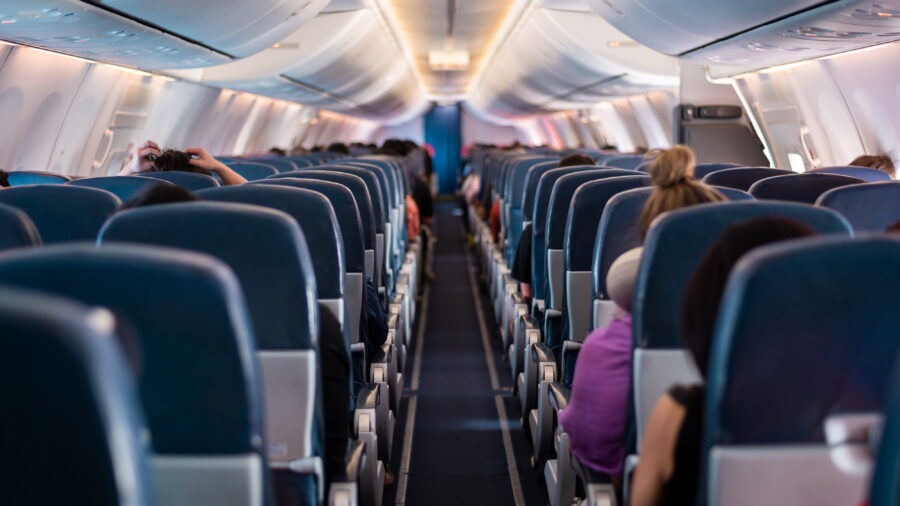
The two airports have different roles for international travelers. Incheon takes care of nearly all long-distance international flights, while Gimpo sticks to quick trips to nearby countries.
Long-Haul International Flights from Incheon
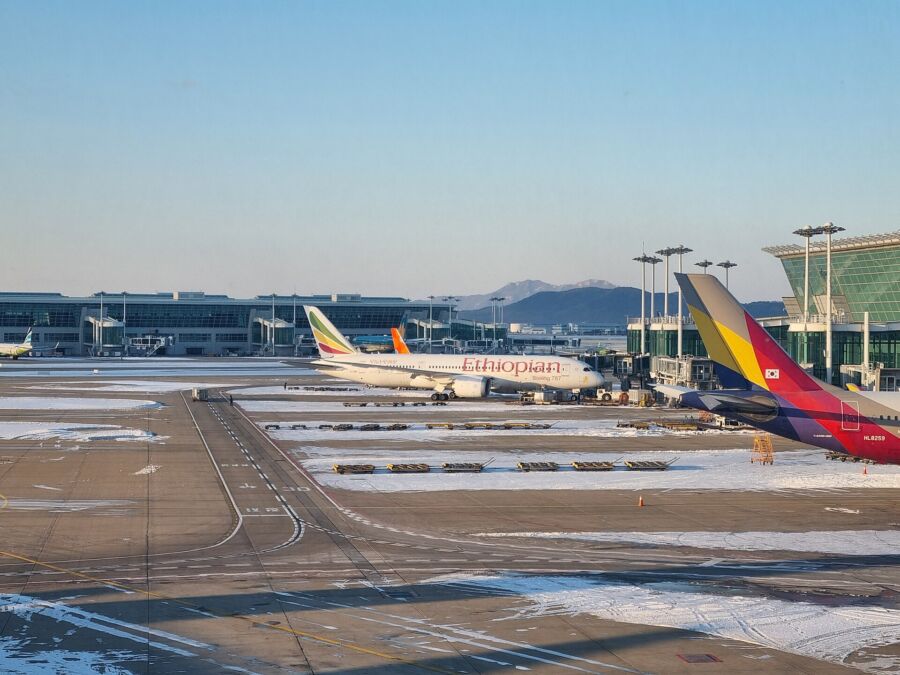
Incheon International Airport is your go-to for flights beyond East Asia. Over 70 airlines operate here, connecting Seoul to Europe, the Middle East, North America, and Oceania.
Korean Air and Asiana Airlines are the main players at Incheon, offering wide networks to places like New York, London, Paris, and Sydney. You’ll also see plenty of other international carriers, from Lufthansa and Air France to Emirates and Qatar Airways.
If you’re heading to destinations around the world, you’ll end up at Incheon. It’s built as a major hub, so even if Seoul isn’t your final stop, you might pass through here.
Regional International Services from Gimpo
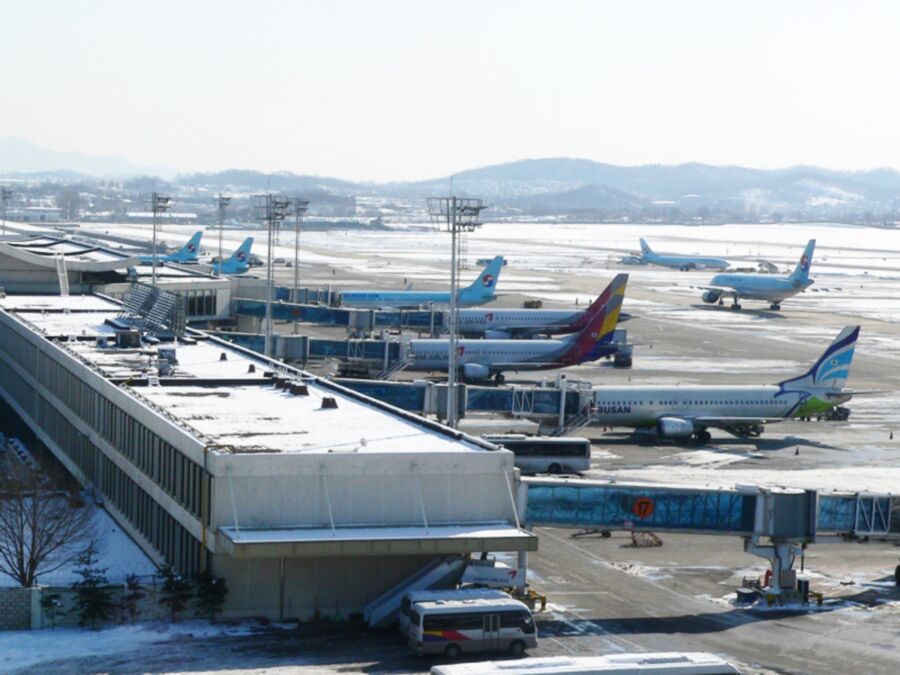
Gimpo International Airport keeps its international network small. It mainly covers flights to China, Japan, and Taiwan—destinations that are just two or three hours away.
Popular routes include Seoul to Tokyo (both Haneda and Narita), Osaka, Beijing, Shanghai, and Taipei. Budget airlines like Jeju Air, Air Busan, and Jin Air run these short hops alongside the big carriers.
If you’re flying to Tokyo or Shanghai, both airports might have flights. In those cases, Gimpo usually makes life easier since it’s closer to downtown Seoul.
Popular Airlines and Routes

Korean Air and Asiana Airlines use both airports, which can get confusing. At Incheon, they do long-haul international flights. At Gimpo, they stick to regional routes with the budget carriers.
For flights to China, both airports offer options. Gimpo gets you quickly to Beijing and Shanghai, while Incheon covers those and more Chinese cities. The same goes for Japan—Gimpo is best for Tokyo and Osaka, but Incheon offers flights to more Japanese destinations.
When booking international flights, double-check your airport. It really does matter.
See Related: Coolcation Destinations to Beat the Heat: Your Climate-Smart Travel Guide 🌡️
Location and Access to Seoul
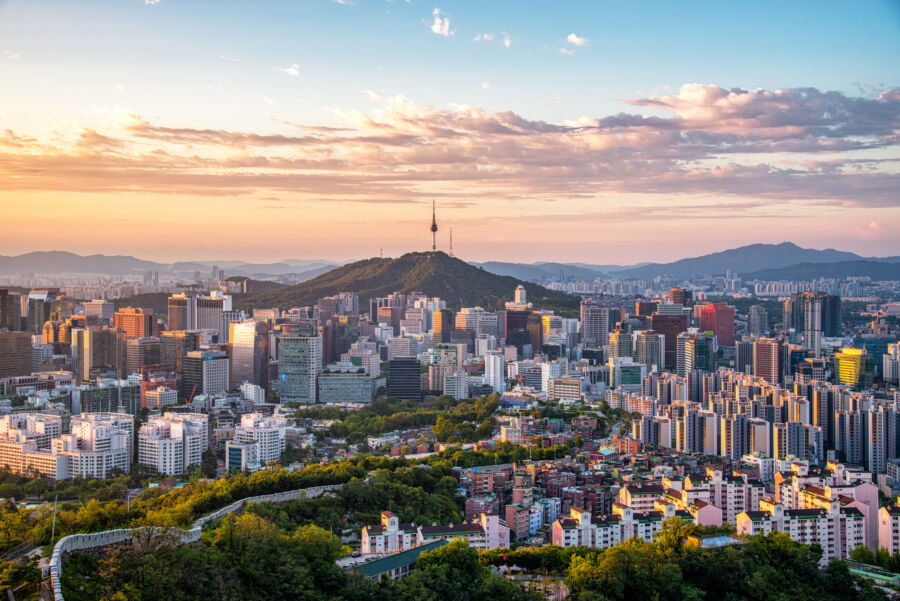
Getting to and from the airport can make or break your trip, especially if you’re tired or on a tight schedule. Gimpo sits just 10 miles from downtown Seoul, while Incheon is about 30 miles away on Yongjeong Island.
Proximity to City Center
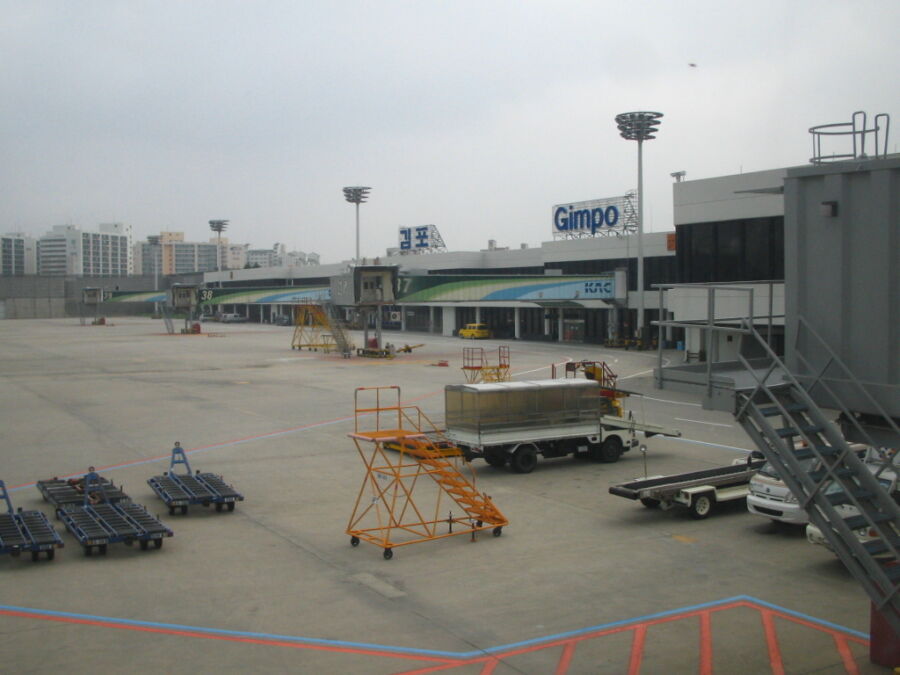
Gimpo Airport (GMP) easily wins for location. It’s only 16 kilometers from central Seoul. You can almost spot the city from the terminal.
Incheon Airport (ICN), on the other hand, is a full 48 kilometers west of downtown. It’s out on an island, so you’re looking at a longer trip if you’re staying near Seoul Station or Myeongdong.
Travel Time Comparison

Here’s how the travel times stack up:
Getting to Central Seoul:
- From Gimpo: 40-50 minutes by subway
- From Incheon: 75-90 minutes by subway
That’s almost double the time from Incheon. And during rush hour, it can feel even longer—standing with your bags is nobody’s idea of fun.
Both airports connect to Seoul’s subway, which is cheap and reliable. But let’s be honest, nobody wants to start or end a trip with an extra hour on the train.
Airport Transfer Convenience

Most travelers take the subway, but you’ve got options. Both GMP and ICN connect to Seoul Station by dedicated airport railroad.
Airport buses run often from both airports. They cost more than the subway but give you a seat and space for your bags. Taxis and rideshares are always there, but they’ll cost more—especially from Incheon.
Gimpo’s smaller size means you get from check-in to the train platform faster. You’ll spend less time wandering around than at gigantic Incheon.
Transportation Options and Connectivity

Both airports have solid ways to reach Seoul, but their transportation networks differ in speed and convenience. Incheon offers more options, but Gimpo’s location means you’ll get downtown faster no matter what.
Airport Railroad Express (AREX) and Metro Links
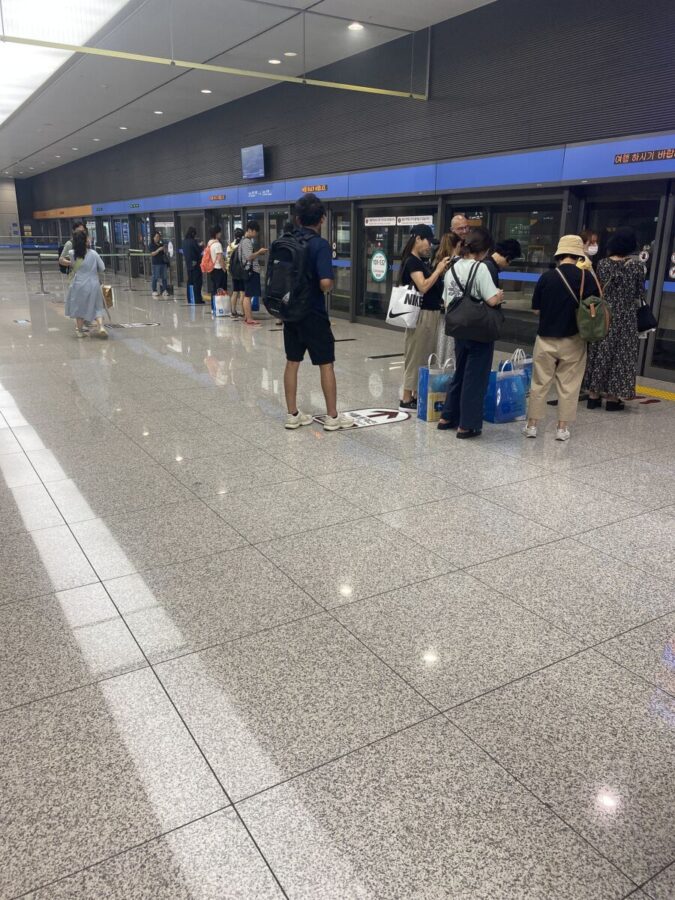
The AREX train is the fastest way from Incheon Airport, with two types: the express train (nonstop to Seoul Station in about 43 minutes) and the all-stop train (about 58 minutes, but cheaper—roughly 4,150 to 4,750 won). You’ll find ticket machines on B1 at both Incheon terminals.
Gimpo’s AREX connection is even easier. The airport’s right on Line 9 of Seoul’s subway, and the AREX all-stop train takes just 20 minutes to Seoul Station. That’s less than half the time from Incheon.
Both airports tie into the wider metro, but from Gimpo, you can hop to Line 5 or Line 9 inside the airport. From Incheon, you’ll need to ride AREX to transfer points like Hongik University or Digital Media City before switching lines.
Airport Limousine Bus and Kal Limousine
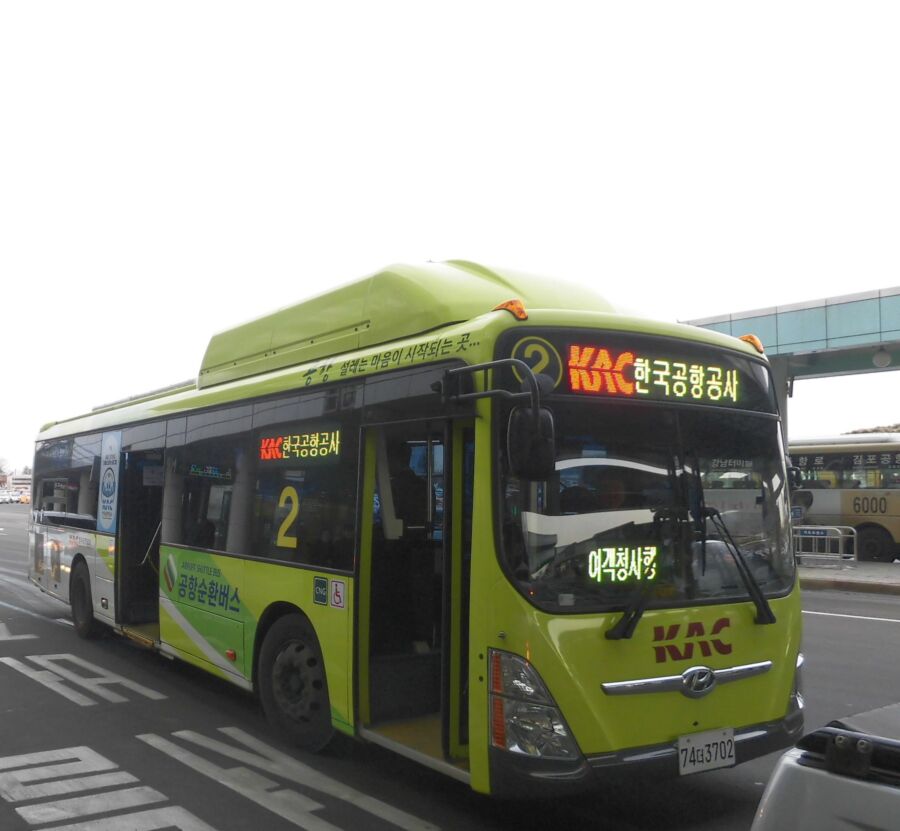
Airport limousine buses run from both airports to major hotels and districts. From Incheon, it’s about 16,000 won for standard service, with buses every 15-30 minutes. The ride to central Seoul takes 60-90 minutes, but traffic can make it longer.
Gimpo’s buses cost a bit less (7,000-9,000 won) and reach downtown in 40-60 minutes. The KAL limousine runs premium buses from both airports with comfier seats and fewer stops—expect to pay around 16,000 won.
At Incheon, bus stops are on the first floor between gates 4-13 (Terminal 1) and gates 1-6 (Terminal 2). At Gimpo, they’re just outside arrivals. The buses are handy if your hotel’s on a direct route, but hauling luggage on and off can get old fast.
Taxi and Private Transfer Options
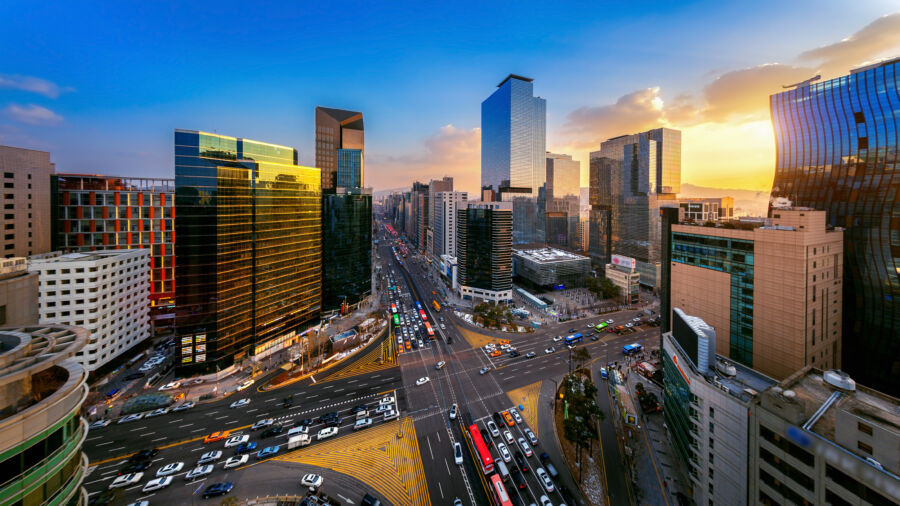
Taxis are always available at both airports. From Incheon to central Seoul, you’ll pay 50,000-70,000 won for the 60-70 km trip, which takes 45-60 minutes under normal traffic. Late night rides (midnight to 4am) have a 20% surcharge.
Gimpo taxis are cheaper since it’s only 20 km to the city center. Most rides cost 25,000-35,000 won and take 25-35 minutes. Both airports have clearly marked taxi stands—stick to the official queues to avoid sketchy drivers.
Private transfers cost more but give you a fixed price and an English-speaking driver. Figure on about 98,000 won from Incheon or 60,000 won from Gimpo. Someone meets you at arrivals with your name on a sign, which honestly feels amazing after a long flight.
Airport Facilities and Passenger Experience
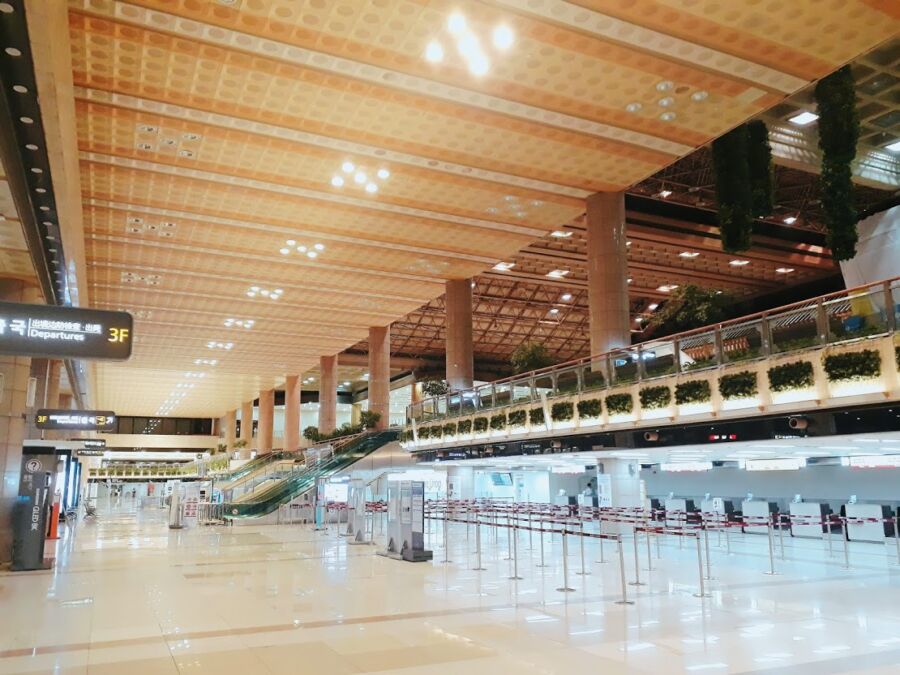
Incheon International Airport offers way more amenities and space than Gimpo, but Gimpo’s small size can actually be a blessing if you want to get in and out quickly. Terminal design, dining, and processing times can really change your experience depending on what matters to you.

Incheon International Airport spreads out over two huge terminals connected by a free shuttle train. Terminal 1 is for most international airlines and has luxury shops scattered across several levels. Terminal 2 mainly serves SkyTeam members like Korean Air and Delta.
You’ll walk a lot at Incheon. But the signs are in English and staff are everywhere if you get lost.
Gimpo International Airport keeps it simple: one terminal for domestic, one for international. There’s a shuttle bus between them if you need it. Everything’s close together, so you won’t waste time finding your gate.
At Gimpo, the international terminal handles regional flights to Japan, China, and Taiwan with straightforward immigration. It’s a relief if you’re sick of hiking through giant airports.
Shopping, Dining, and Lounges

Incheon International Airport feels more like a shopping mall than a transit hub, with Lotte and Shilla duty-free stores selling everything from Korean skincare to designer labels. You’ll spot Chanel, Hermès, and Cartier in Terminal 1, plus a bunch of everyday shops for last-minute essentials.
Food-wise, you can grab anything from Korean street snacks to sit-down meals like bibimbap and bulgogi. That Instagram-famous Baskin Robbins? Yep, it’s here. Both terminals have several airline lounges with showers and quiet spaces, which is a lifesaver on long layovers.
Gimpo’s selection is simpler but covers the basics. The international terminal has Lotte and Shilla duty-free, and a small food court with Korean eats. Once you’re past security, there’s only one coffee shop, so if you’re picky about your caffeine, maybe grab it before heading through.
The domestic terminal is all about speed—think Gong-Cha bubble tea and convenience store snacks you can eat on the go.
Check-In and Security Times
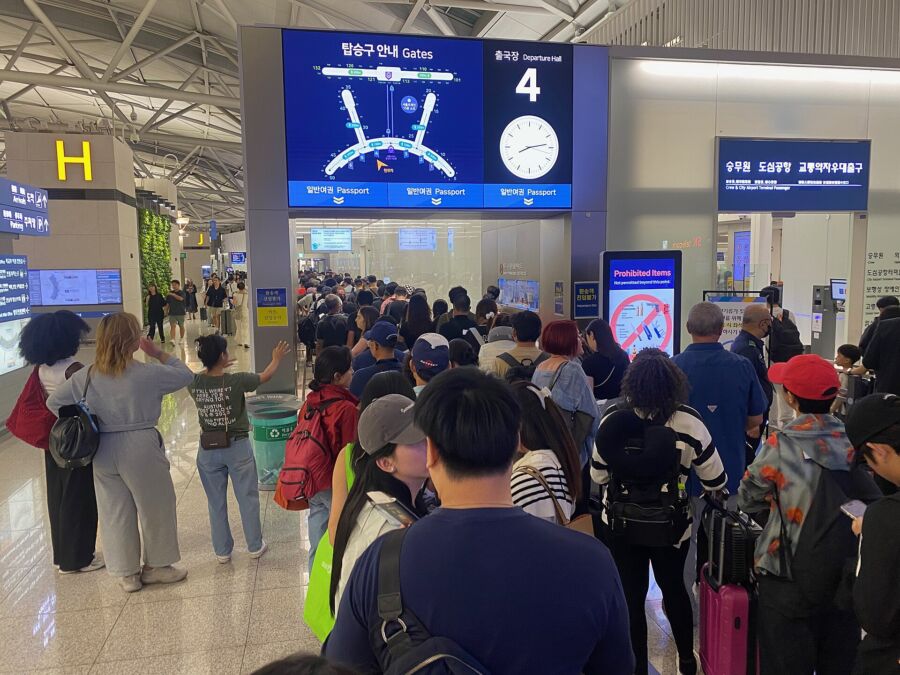
At Incheon, you’ll want to arrive at least three hours before your international flight. Security lines can get long, especially in the morning when everyone’s heading out on long-haul flights. Automated immigration gates help, but it’s still smart to budget extra time.
The place is huge—don’t underestimate how long it takes to get around.
Gimpo runs smoother thanks to fewer people. For domestic flights, you can usually show up just an hour ahead, even with checked bags. International flights need about two hours.
Security lines at Gimpo rarely last more than 15 minutes unless you hit a weirdly busy time. The airport’s compact layout means you’re not sprinting between counters and gates. Honestly, it’s a relief when you’re trying to get travel gear through security in a hurry.
See Related: Enhancing Family Vacations with Music: Travel Tips
When to Choose Incheon vs Gimpo for International Travel

The right airport for you really depends on your destination and what you care about most. Incheon handles the big international flights, while Gimpo keeps things easy for shorter regional trips.
Best Scenarios for Incheon International Airport
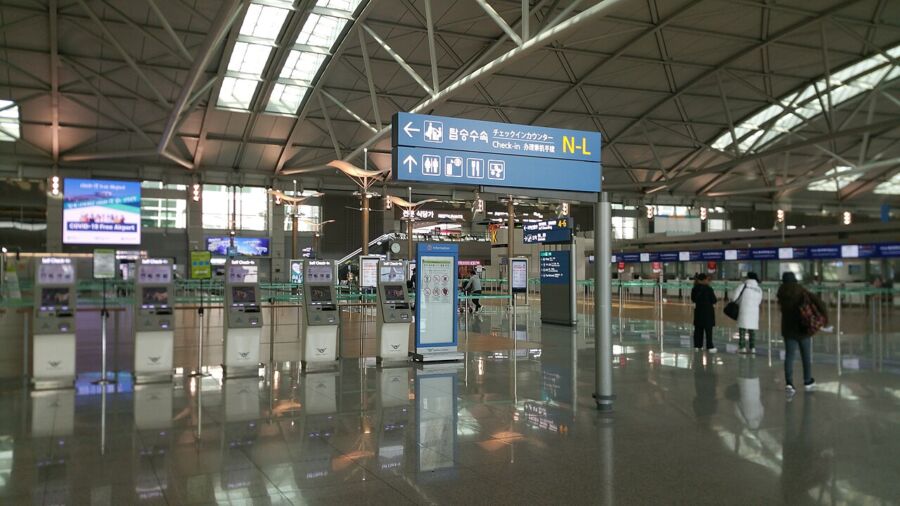
If you’re coming from anywhere beyond East Asia, you’ll land at ICN. That covers flights from North America, Europe, Australia, the Middle East, and Southeast Asia.
Incheon works well if you’re connecting to another international flight. The airport’s set up for transfers, with free nap rooms, showers, and even a virtual gym to pass the time. Both Korean Air and Asiana run their long-haul connections through here.
If you get anxious or just like being early, Incheon’s shopping and food options will keep you occupied. No staring at the same three food stalls for hours. The downside? It’s about 30 miles from downtown Seoul, so you’re looking at 75-90 minutes on the metro.
That extra time can be a pain, but if you’re flying halfway around the world, maybe it’s not such a big deal.
Best Situations for Gimpo International Airport

GMP is perfect for short hops to places like Japan, China, or Taiwan. It’s just 10 miles from central Seoul, so the metro ride is only 40-50 minutes.
Choose Gimpo if you want to spend more time in the city and less at the airport. The smaller size means customs and immigration are a breeze. Personally, I love it for quick trips to Tokyo or Osaka.
It’s also a good pick if you’re mixing domestic and international travel. Flying in from Taipei and then jumping on a domestic flight to Busan? Doing it all at Gimpo is way easier than switching airports.
Just keep in mind, only 17 airlines operate from Gimpo compared to Incheon’s 70-plus, so your options will be more limited.
Factors to Consider: Convenience, Price, and Schedule

Distance really matters when you’re dragging bags through crowded subway cars. Gimpo’s closer location can save you an hour each way—basically giving you a bonus afternoon in Seoul.
Ticket prices between the airports usually don’t vary much for the same route. What changes is how many flights you get per day. Sometimes Gimpo has five daily flights to Tokyo, sometimes Incheon does.
Pay attention to your arrival time. Landing at Incheon at 11pm means a 90-minute metro ride when all you want is a bed.
The same late arrival at Gimpo gets you downtown much faster. Airport buses serve both airports and cost about the same, but Seoul traffic can be a wild card.
Sometimes your airline makes the choice for you. Some only use one airport for certain routes, even if both technically fly to your destination.
See Related: The Best Vacations with Minimal Walking
Frequently Asked Questions

Incheon covers most international routes worldwide, while Gimpo focuses on domestic and nearby East Asian cities. Getting to central Seoul takes about 20-30 minutes less from Gimpo.
What are the key differences in international flight availability between Gimpo and Incheon Airports?
Incheon is South Korea’s main international airport, with over 70 airlines flying everywhere: Europe, North America, the Middle East, Oceania—you name it. Direct flights to places like New York, London, Dubai, and Sydney all leave from Incheon.
Gimpo is much more limited. It mainly serves nearby countries: Japan, China, Taiwan. Think Tokyo, Beijing, Shanghai, Taipei.
If you’re coming from outside East Asia, Incheon’s basically your only real option. Gimpo just doesn’t have the flights or infrastructure for long-haul routes.
For a traveler coming from Osaka to Seoul, which airport would offer better international flight options?
Both airports fly to Osaka, but here’s the catch: Gimpo is actually great for this route since Japan is in its wheelhouse.
The best part about Gimpo? You’ll land closer to downtown Seoul. The train gets you there in about 22 minutes for just $2.
But if you need to connect to a flight outside East Asia, you’ll want Incheon. Gimpo won’t have those onward routes to Europe or North America.
How do the facilities and amenities of Gimpo compare to those of Incheon for international travelers?
Incheon completely outshines Gimpo for shopping and food. You’ll see luxury brands, massive duty-free stores, and food options ranging from international chains to Korean classics.
Gimpo covers the basics: a few cafes, a noodle shop, and smaller duty-free areas.
Incheon also has some cool extras—nap rooms, showers, even a virtual gym if you’ve got time to kill.
What should one consider when choosing between Gimpo and Incheon airports for proximity and transport options to central Seoul?
Gimpo sits about 10 miles from Seoul’s center, while Incheon is roughly 30 miles out. After a long flight, that difference feels huge.
From Gimpo, the all-stop train takes 22 minutes and costs $2. A taxi is around $19 and takes about 25 minutes.
Incheon’s express train takes 40 minutes for about $7.50. Taxis can take up to 70 minutes, depending on traffic, and cost about $54.
You could save up to an hour by flying into Gimpo—but only if your flight actually goes there.
Incheon is huge and, honestly, a bit overwhelming if you’re not used to big airports. Multiple terminals, lots of walking.
Gimpo feels much smaller and simpler. You won’t spend 20 minutes just finding your gate.
Immigration at Gimpo is usually quicker since there’s less traffic. Incheon can have long lines during busy times, but they do keep things moving pretty efficiently.
Can passengers find direct international flights from Gimpo Airport, or is Incheon the primary international gateway?
Gimpo does have direct international flights, but honestly, they’re mostly just to East Asian cities. You can hop over to places in Japan, China, or Taiwan without much hassle.
But let’s be real—Incheon is the main international gateway for South Korea. If you’re trying to get to Europe, North America, the Middle East, or really anywhere outside East Asia, Incheon’s your best (and probably only) bet.
Big airlines like Korean Air and Asiana call Incheon their main hub. Sometimes, even for domestic flights, you might end up connecting through Incheon, depending on your route.